
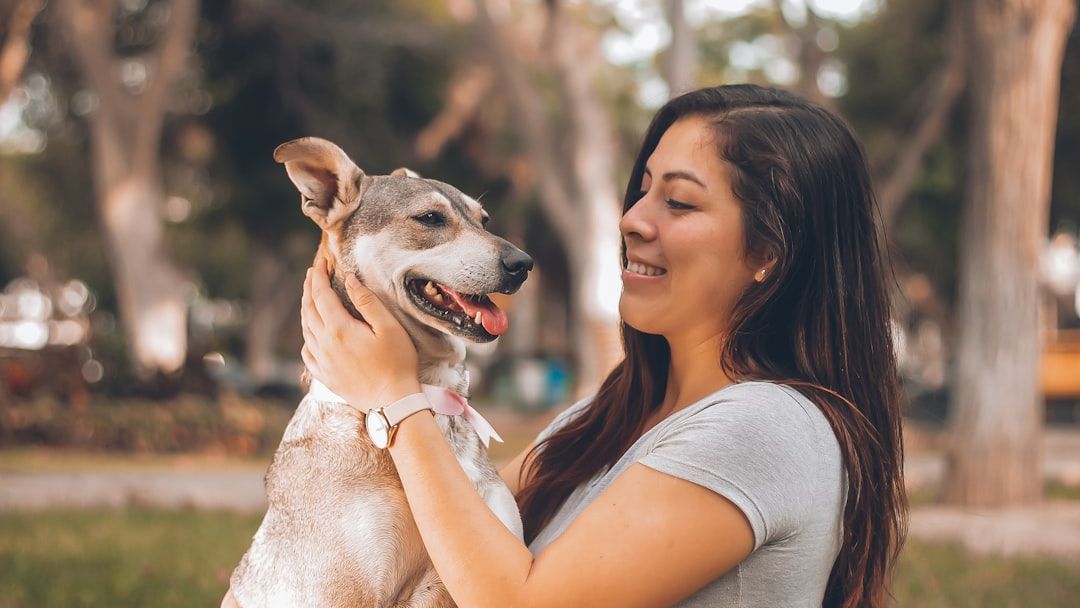
Picture this. Your dog has been glued to your side for days, following every step from the kitchen to the couch, even though nothing obvious has shifted in your daily schedule. It feels almost as if they know something big is brewing, long before you have announced it to anyone else.
Many owners report similar patterns around major transitions, and psychology offers some clues about why a dog might ramp up the closeness at precisely those moments. The connection runs deeper than simple habit.
The Subtle Cues Dogs Notice

Dogs excel at reading tiny shifts in their owner’s posture, tone, and daily patterns. A slight change in how you pace the room or linger over decisions can register with them long before words are spoken. Their keen observation skills turn ordinary moments into signals of upcoming disruption.
These animals have spent thousands of years tuning into human behavior for survival and companionship. When a big choice looms, the underlying tension often leaks out in micro expressions or altered routines that a dog picks up easily. The result is often closer proximity as they seek reassurance in the familiar presence of their person.
Stress and Its Ripple Effects

Human stress carries a scent that dogs detect through specialized smell receptors. Even when you try to keep calm on the surface, internal changes in hormones can alter your odor in ways that prompt your dog to stay nearer. This response helps them monitor the situation and offer quiet support.
Clinginess often emerges as a way for the dog to manage their own unease about the unknown. By staying close they reduce uncertainty for themselves while mirroring the emotional atmosphere in the home. Over time this behavior strengthens the bond rather than creating distance.
Routine Disruptions and Behavioral Responses
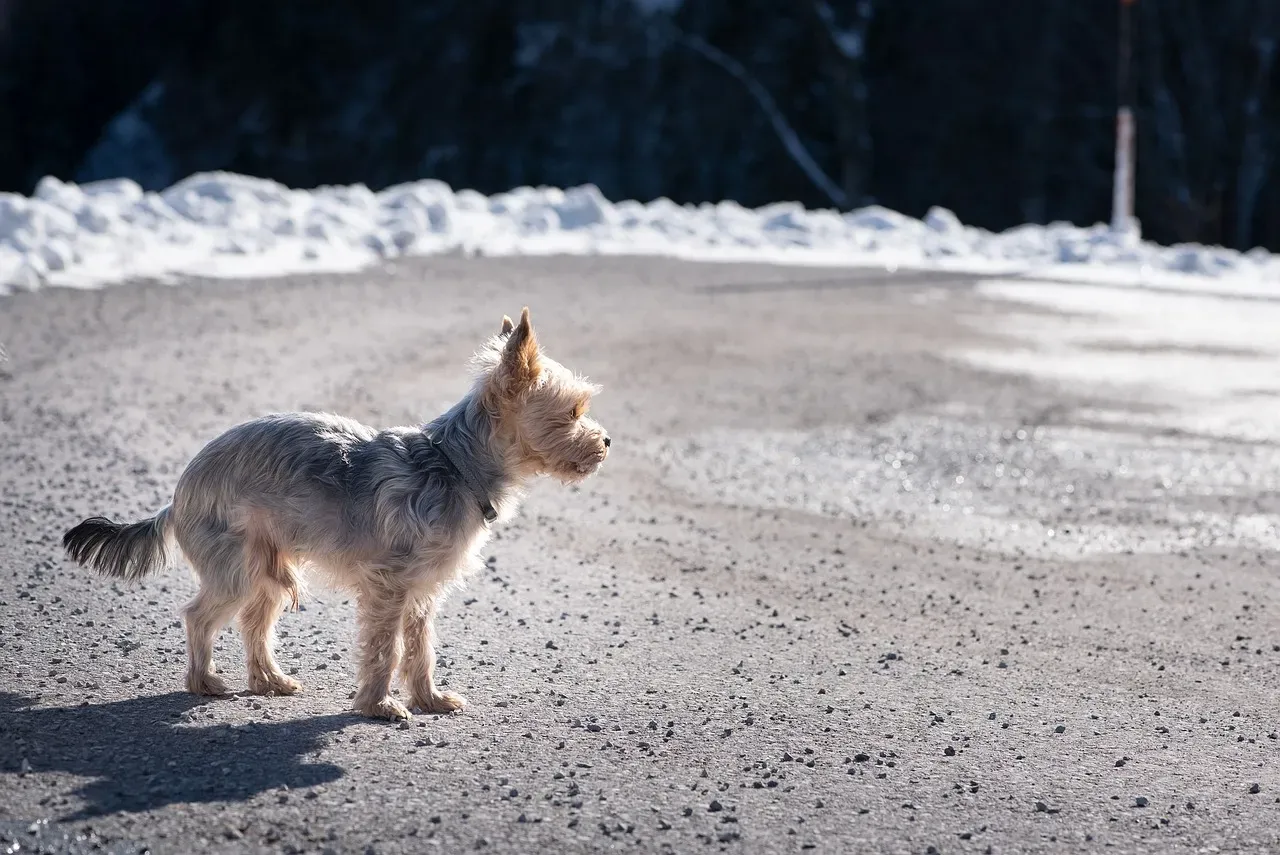
Life changing decisions frequently involve shifts in schedule, such as new work hours or preparations for a move. Dogs thrive on predictability, so any hint of change can spark increased following or attention seeking. They interpret these adjustments as potential threats to their security.
Owners sometimes notice the clinginess intensifies during planning phases, like sorting paperwork or making phone calls about the future. The dog does not understand the specifics yet senses the energy around those activities. This leads to more physical contact as a coping mechanism for both parties.
The Science Behind Emotional Contagion

Research in animal behavior shows dogs can absorb and reflect human emotions through a process called emotional contagion. When an owner feels the weight of an impending decision, that state transfers across the species boundary in subtle ways. The dog then adjusts its actions to stay connected.
Psychology highlights how this mirroring serves an evolutionary purpose, helping social animals coordinate during uncertain times. Clingy behavior in these moments is less about prediction and more about responding to the present emotional climate. It creates a feedback loop where closeness eases tension for everyone involved.
Common Triggers for Increased Attachment
Moves, career shifts, relationship changes, or even welcoming a new family member often coincide with reports of heightened dog attachment. These events alter the household dynamic in ways a dog notices through scent, sound, and visual cues. The increased proximity acts as an anchor amid the flux.
Not every dog reacts the same way, of course. Breed tendencies, age, and individual history play roles in how strongly the behavior appears. Still, the pattern appears frequently enough that many trainers recognize it as a normal response to household transitions rather than a problem to fix immediately.
How to Respond to Your Dog’s Signals
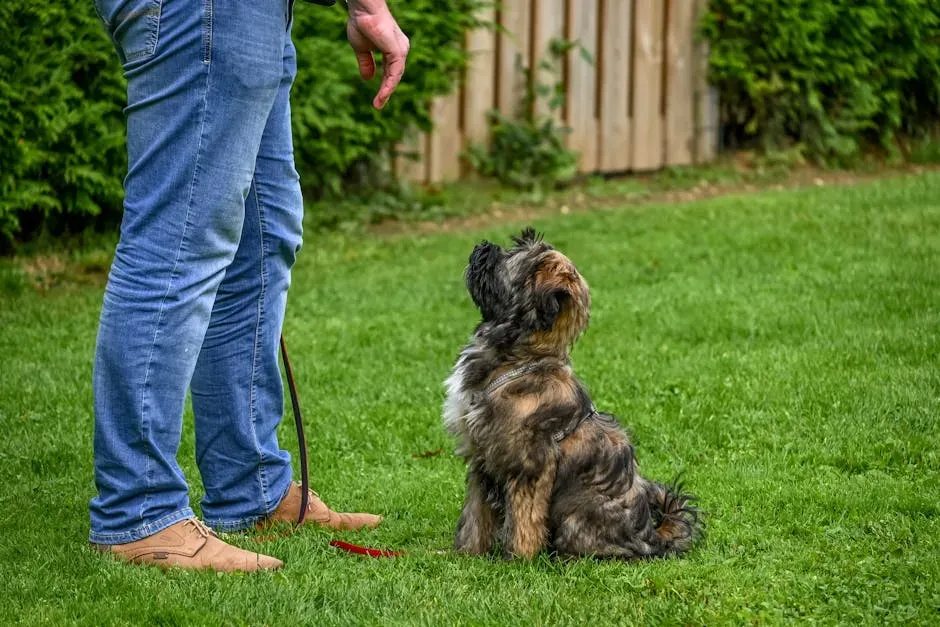
Paying attention to sudden clinginess can serve as an early reminder to check in with your own stress levels. Simple adjustments like extra walks or quiet time together often ease the dog’s worry without major effort. Consistency in small daily rituals helps maintain stability even as bigger plans unfold.
Training techniques that reward calm independence can balance the attachment when needed. Yet forcing distance during a sensitive period may heighten anxiety instead. A measured approach respects the dog’s attempt to stay connected while guiding them toward healthy boundaries.
Embracing the Journey Together
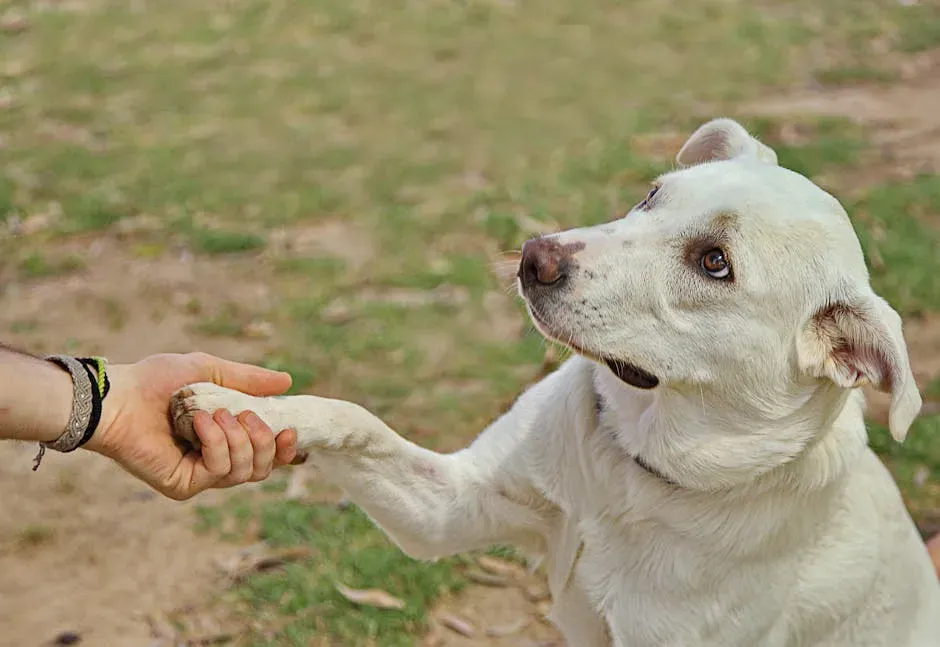
Ultimately these moments reveal how deeply dogs participate in our lives beyond basic care. Their clinginess around big decisions reminds us that change affects the whole household, not just the humans making the choices. It invites a gentler pace and more intentional presence.
In the end the real takeaway is simple. Dogs do not need to predict the future to sense when their world might tilt. They simply stay close, offering steady companionship through whatever comes next. That quiet loyalty often turns out to be the most reliable guide of all.


