
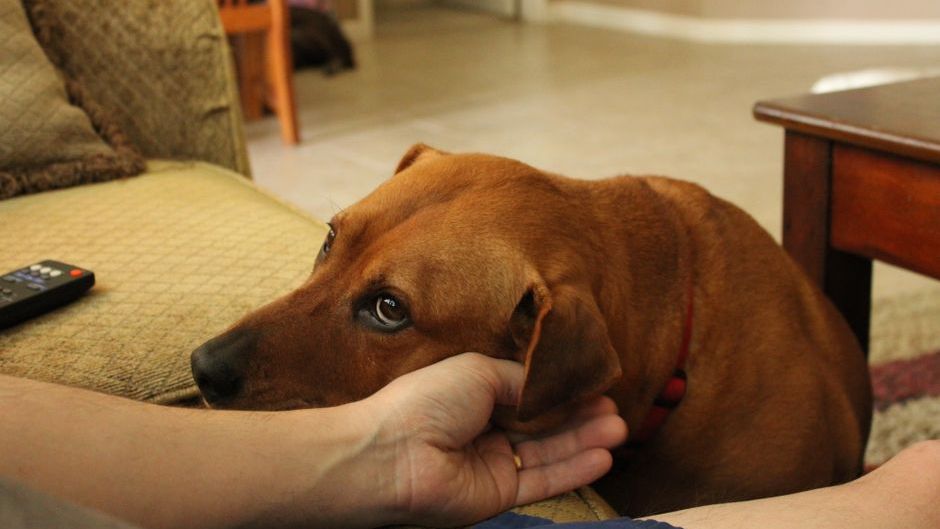
Many dog owners look back and realize their companion tried to signal the end was near through small shifts in behavior. These moments often pass unnoticed amid daily routines, yet they carry quiet weight once recognized later. Paying closer attention can change how those final days unfold for both of you.
They Turn Away From Meals They Once Loved

Dogs nearing the end frequently lose interest in food, even favorites like chicken or peanut butter. This shift happens gradually at first, with them sniffing then walking away from the bowl. Over a few days the pattern becomes clearer as portions sit untouched.
Owners sometimes assume a picky phase or upset stomach rather than something deeper. The refusal extends beyond regular meals to treats offered by hand. Watching this closely helps you understand their comfort needs instead of pushing nutrition that no longer appeals.
Sleep Takes Over Most Of Their Day
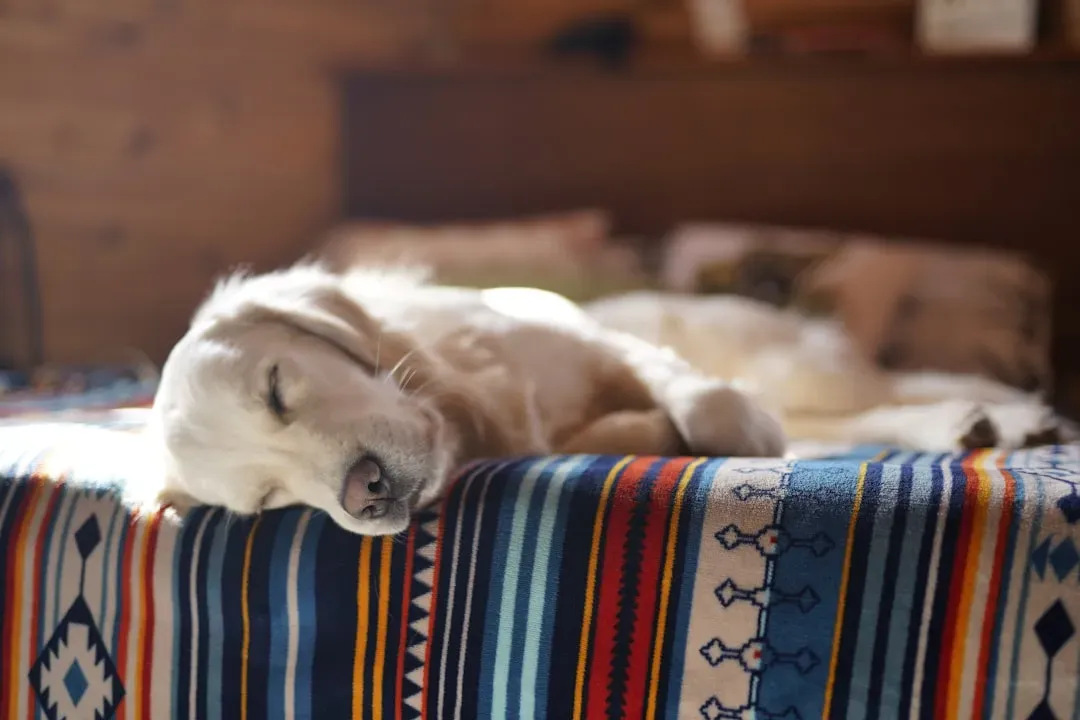
Extra hours spent resting or dozing in familiar spots mark another common change. Your dog may linger in one place longer than usual, rising only for brief stretches. Energy levels drop noticeably, with less enthusiasm for walks or play.
This increased sleep differs from normal aging because it comes with reduced responsiveness to sounds or calls. Family members might notice the dog choosing the same corner repeatedly. Recognizing the pattern allows you to adjust expectations and create a calmer environment around their rest.
They Seek Out Quiet Corners Away From Everyone
Withdrawal often appears as a preference for solitude in the final stretch. Dogs may slip into another room or under furniture instead of staying near family activity. The behavior reflects an instinct to find peace rather than any rejection of loved ones.
Calls to join the group receive little reaction, and they return quickly to their chosen spot. This isolation can feel sudden if the dog was previously social. Noticing it early gives you time to offer gentle presence without forcing interaction.
Breathing Patterns Grow Noticeably Different
Respiration may slow or become more labored in the last days. You could observe longer pauses between breaths or shallower movements in the chest. These alterations stand out during quiet moments when the house settles.
Some dogs show occasional heavier sighs that were not part of their usual rhythm. The change pairs with overall reduced movement. Observing this detail helps you gauge their comfort and decide when professional guidance might ease any strain.
Accidents Happen Indoors More Often
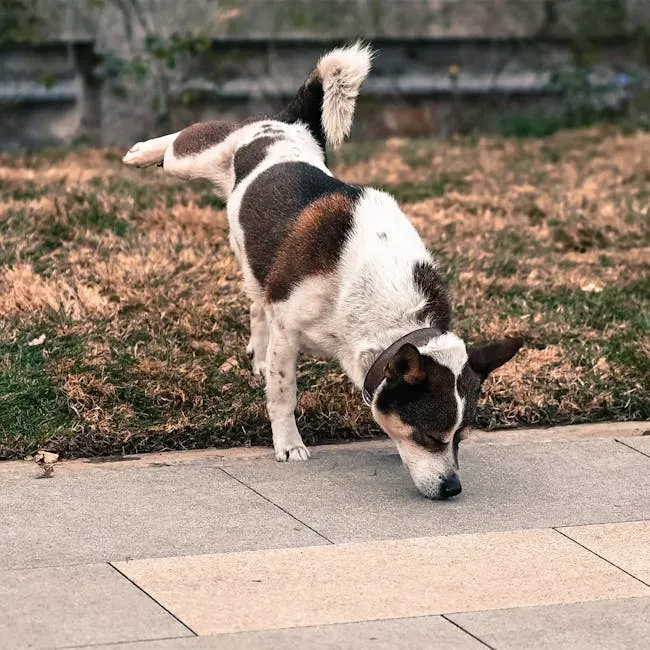
Loss of control over bladder or bowels surfaces as another signal. Your dog might have small leaks while resting or fail to signal a need to go outside. The incidents increase without the usual warning behaviors like pacing by the door.
This shift stems from weakening muscles rather than any lapse in training. Cleanups become more frequent yet the dog shows little distress. Acknowledging the change lets you prepare soft bedding and frequent checks to keep them comfortable.
Restlessness Replaces Their Usual Calm
Some dogs pace or shift positions repeatedly instead of settling. They may circle a room or stand then lie down in quick succession. The movement lacks purpose and contrasts with earlier relaxed habits.
Nighttime often brings more of this activity as they struggle to find ease. Family routines feel disrupted by the constant motion. Spotting the pattern helps you offer reassurance through quiet company or adjusted sleeping arrangements nearby.
They Press Closer For Comfort In New Ways
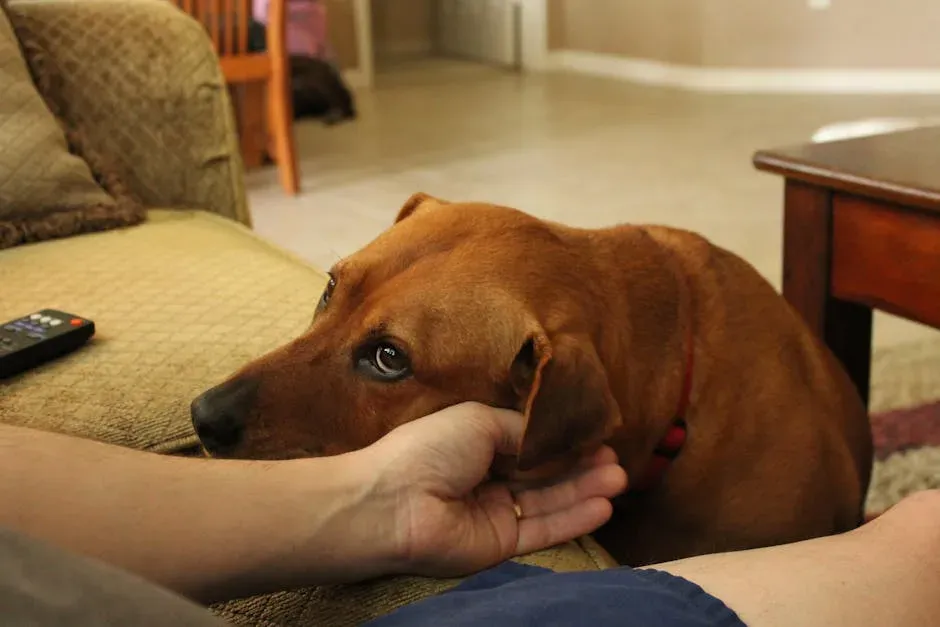
Clinginess can emerge even in dogs that preferred independence before. Your companion might follow you from room to room or rest against your leg more than usual. The contact seems driven by a need for reassurance rather than play.
Petting sessions last longer, and they lean in during moments of quiet. This behavior sometimes alternates with the withdrawal seen earlier. Tuning into it allows you to provide steady affection that matches their shifting needs.
Eyes Lose Their Bright Spark And Coat Dulls
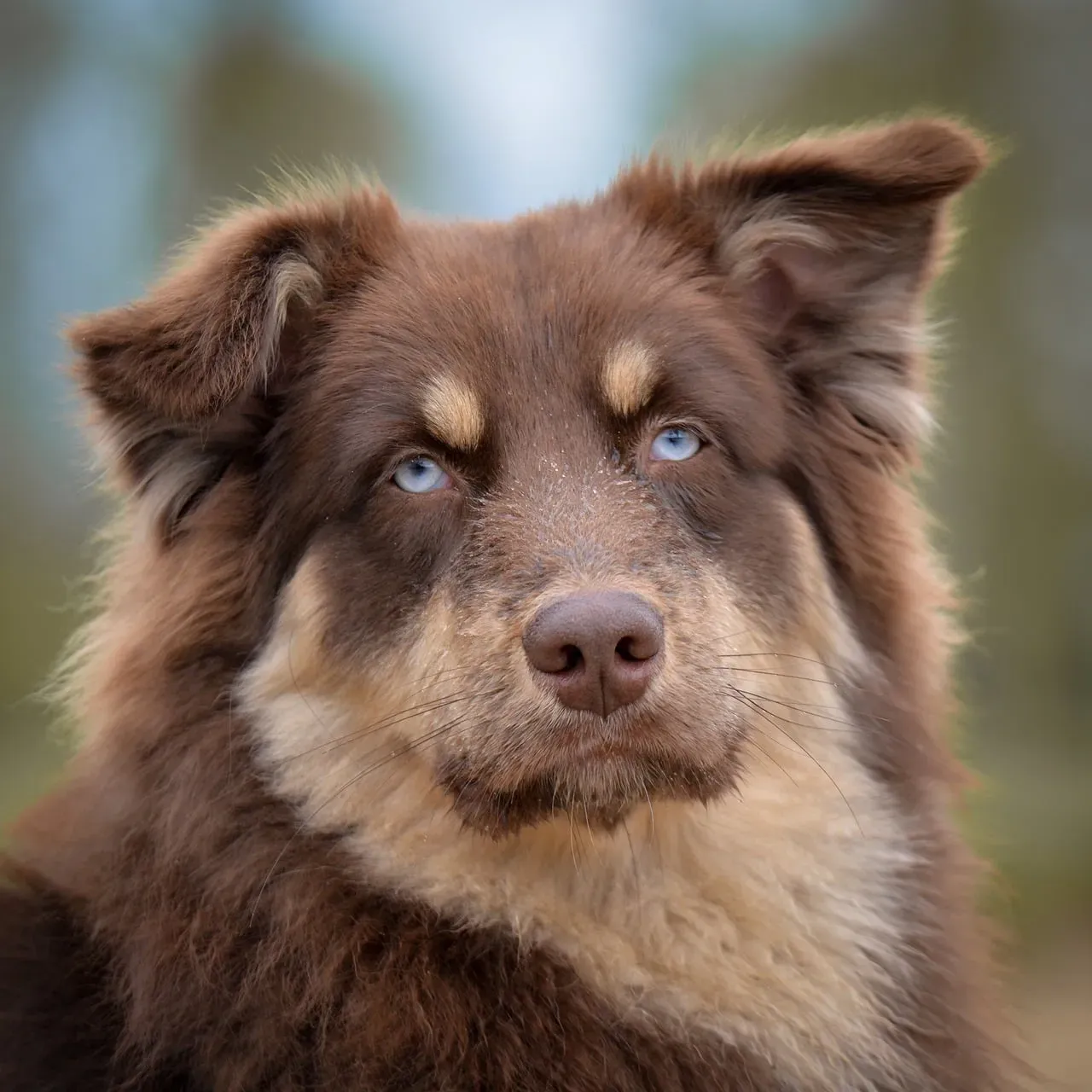
Physical appearance changes subtly yet noticeably in the final period. Eyes may appear less alert or take on a distant quality during interactions. The coat loses shine and feels coarser under your hand.
These outward signs accompany the behavioral shifts and reflect overall decline. Daily grooming routines reveal the difference more clearly than before. Recognizing them together with other changes supports decisions about comfort and presence in those remaining moments.
Staying observant during this stage often brings a sense of having done what mattered most. Small adjustments in care can ease the transition for a dog that has shared years of loyalty. The real value lies in meeting them where they are rather than wishing for more time later.


