
Skye Terrier
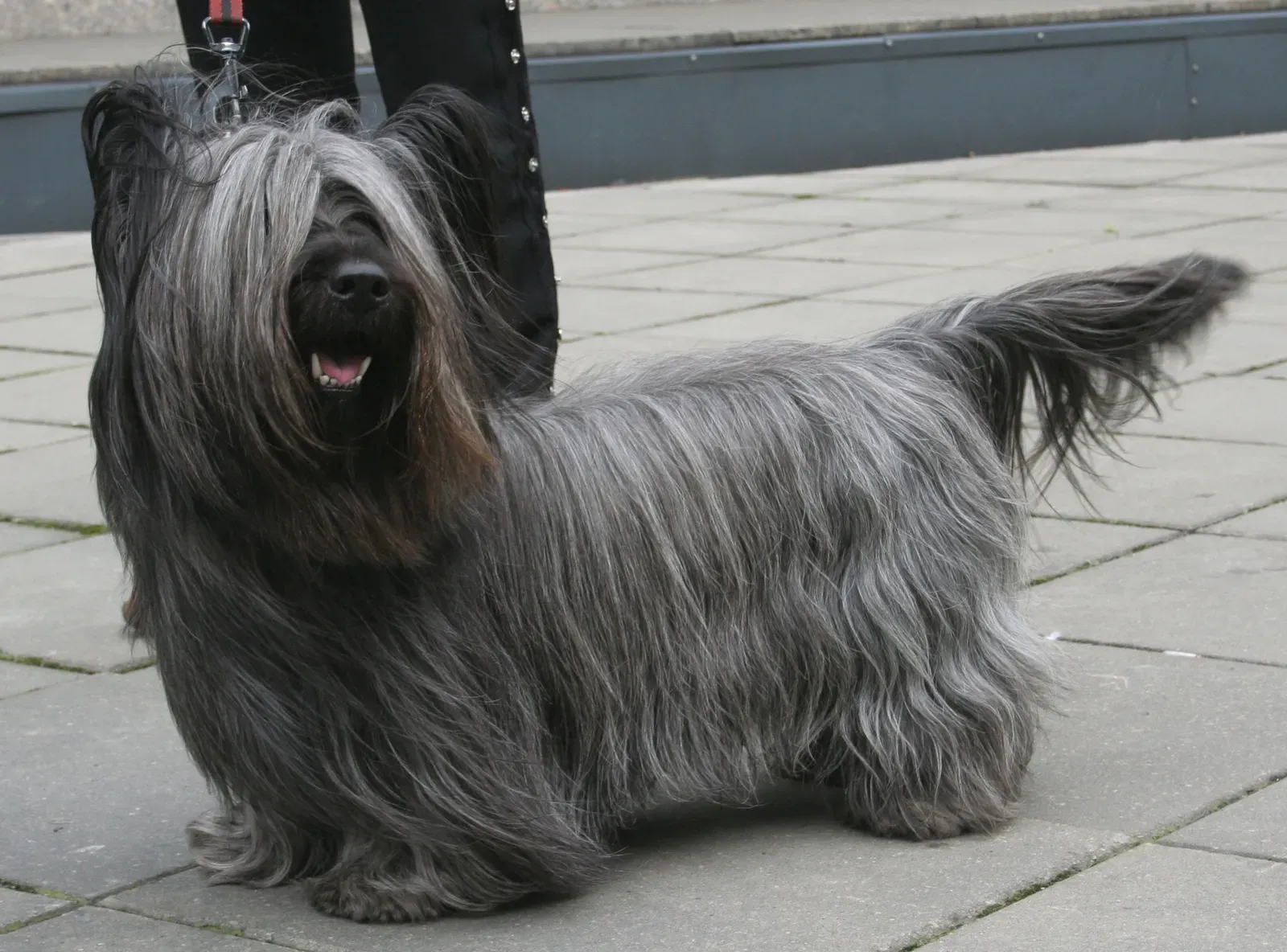
The Skye Terrier stands out in one of the most documented cases of canine loyalty. Greyfriars Bobby guarded his owner’s grave in Edinburgh for fourteen years after the man died in 1858. Locals fed him and eventually built a small shelter, yet he rarely strayed far from the kirkyard.
This small, long haired breed was originally developed to hunt vermin on Scottish farms. Their independent streak pairs with a strong bond to one person. In Bobby’s story the attachment proved stronger than comfort or routine. Modern Skye Terriers still show that same focused devotion when raised with consistent companionship.
Akita
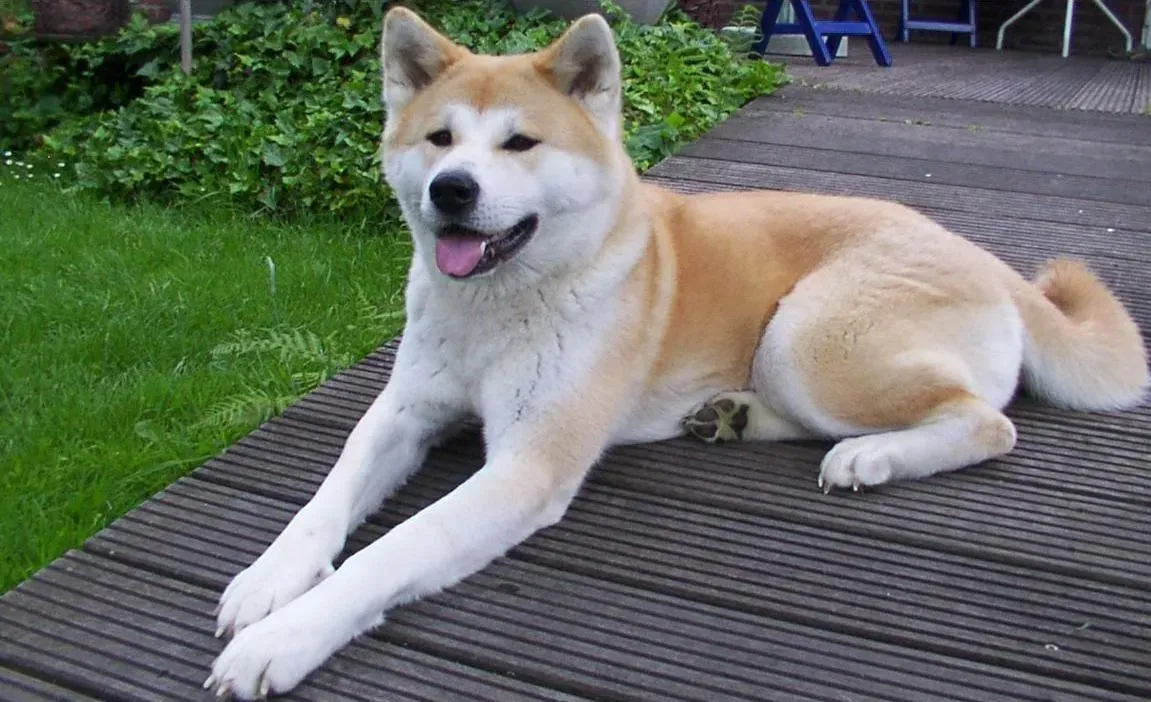
Akitas come from Japan with a history of guarding and hunting alongside their people. Their calm confidence and protective nature often translate into intense one on one loyalty. While the famous Hachiko waited at a train station rather than a grave, the breed’s temperament suggests similar steadfastness is possible in the right circumstances.
Owners describe Akitas as quiet observers who form deep attachments without constant displays of affection. When that bond is broken the dog may seek out familiar places connected to the lost person. Such behavior aligns with the breed’s reputation for memory and persistence rather than dramatic displays.
German Shepherd
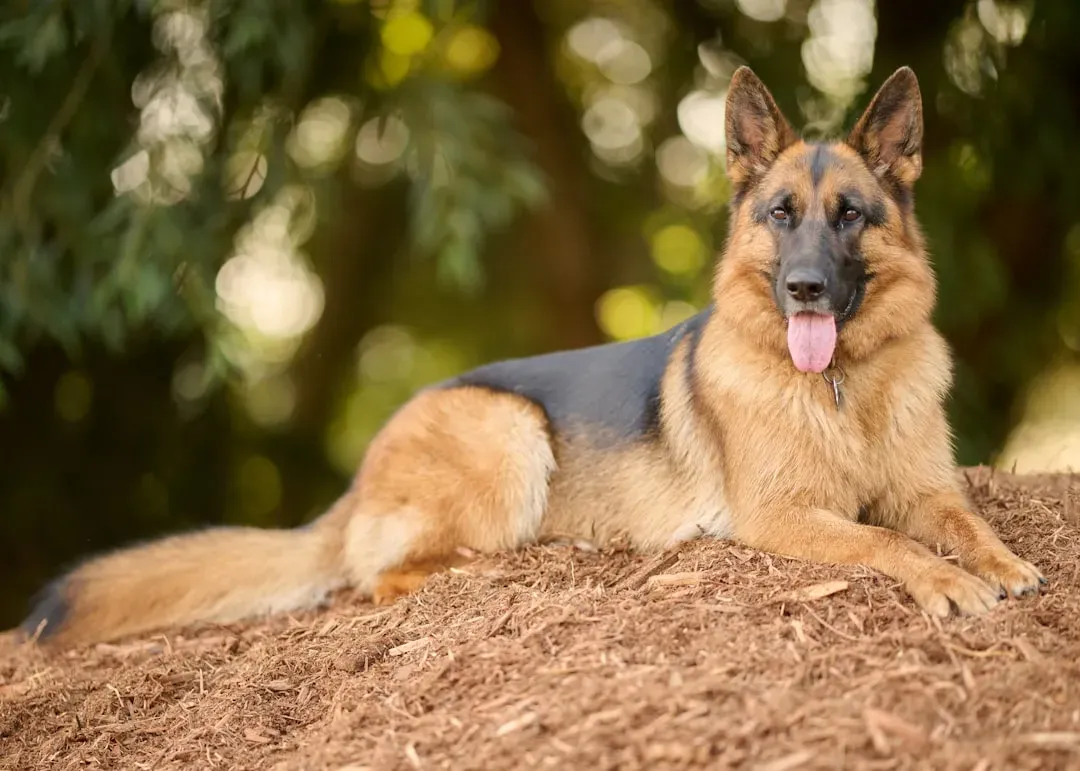
German Shepherds were bred for work that requires close cooperation with a handler. Police, military, and search and rescue roles highlight their ability to read human cues and stay focused on a task. That same drive can appear as unwavering presence when an owner is gone.
Stories of shepherds remaining near a burial site surface from time to time in working dog communities. The breed’s intelligence allows them to associate a location with the person they served. Their protective instincts do not always switch off after death, leading some to patrol or rest at the graveside for extended periods.
Labrador Retriever
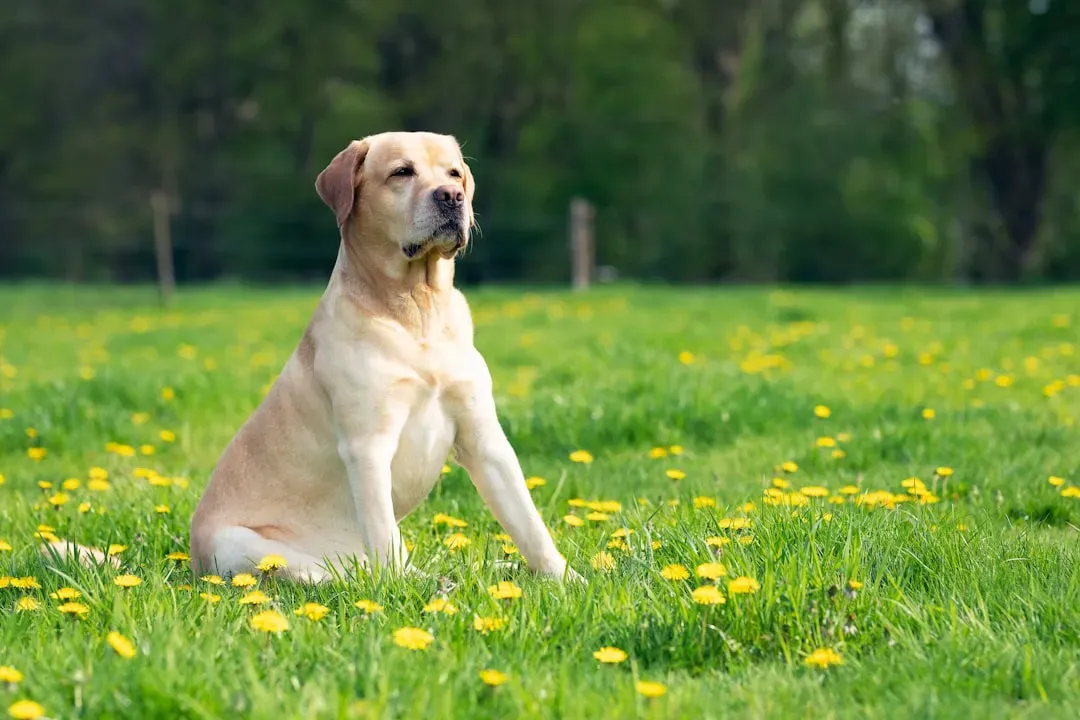
Labradors are known for their friendly energy and eagerness to please. Beneath that outgoing personality lies a strong desire to stay close to their chosen family. When that family shrinks the dog may seek the last place it shared with the missing person.
Retrievers often form routines around daily walks or visits to certain spots. A grave can become part of that pattern if the owner spent time there. Their food motivated nature means they accept help from visitors, yet they return to the familiar ground day after day.
Golden Retriever
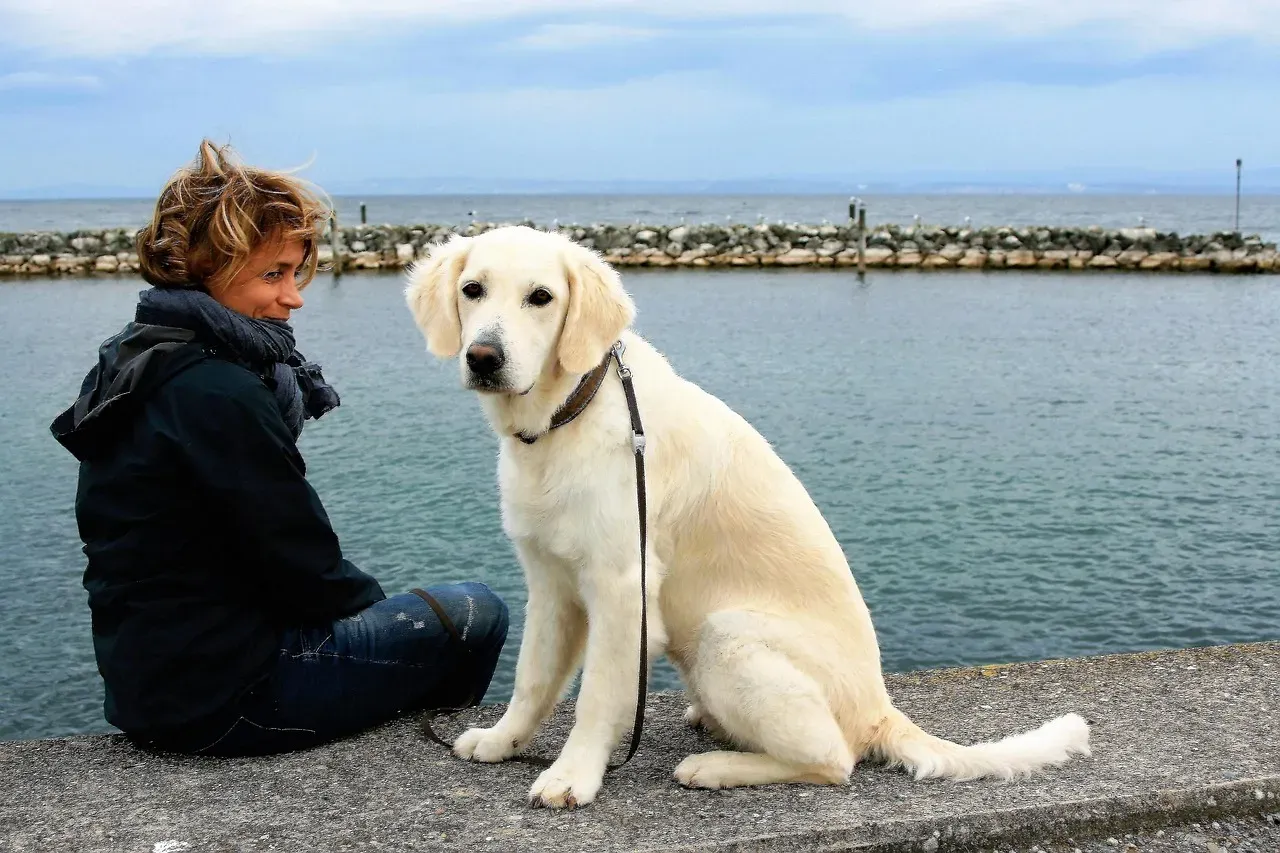
Golden Retrievers combine gentleness with a surprising capacity for quiet endurance. Bred to retrieve game in all weather, they developed patience and a willingness to wait. That trait can manifest as long term vigil when emotional ties are involved.
Families sometimes report goldens lying near a loved one’s resting place during visits and refusing to leave when it is time to go. The breed’s people pleasing side makes them responsive to gentle encouragement, yet their attachment can override temporary comfort. Over months or years this creates the image of a dog that simply will not move on.
Border Collie
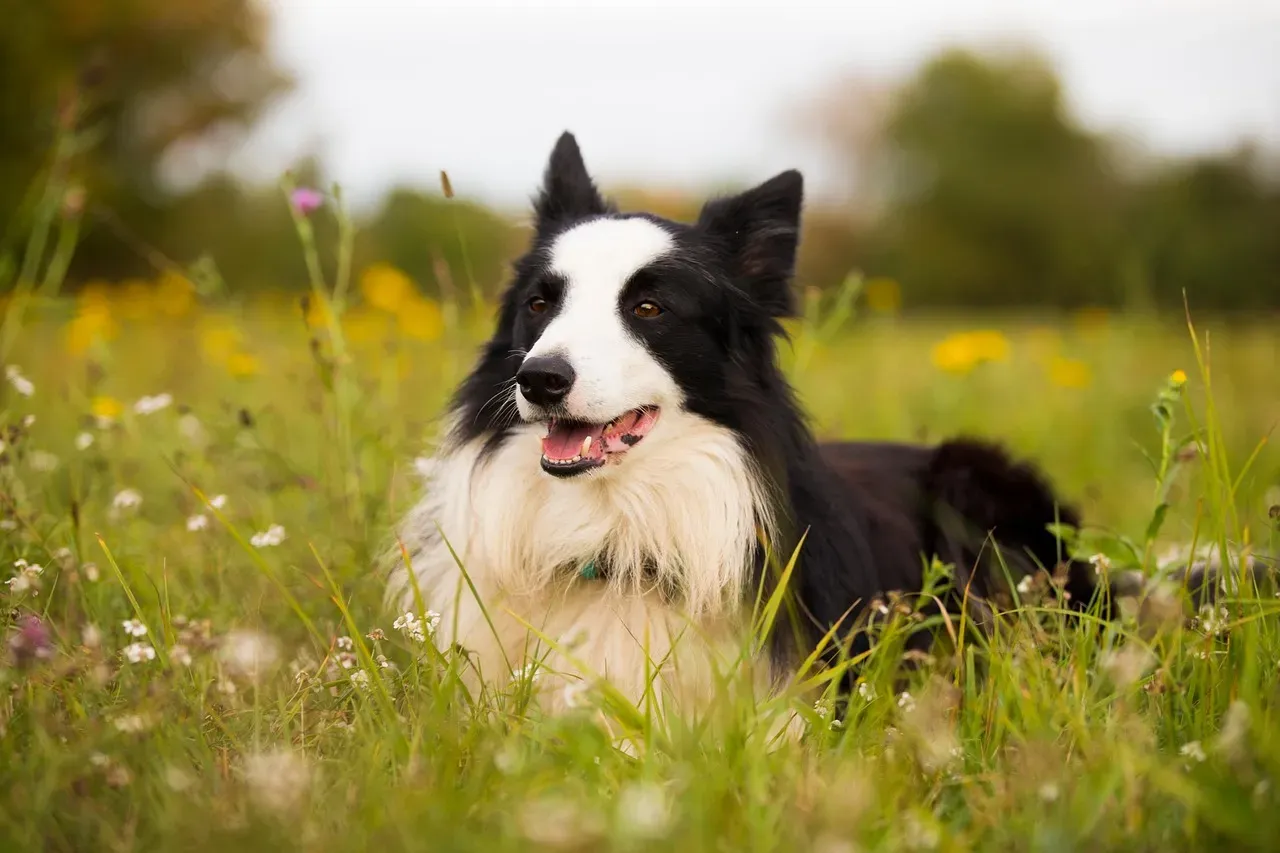
Border Collies possess one of the highest energy levels and sharpest minds among breeds. Their herding heritage demands constant attention to the movements of their flock or family. When that focus narrows to a single person the result can be intense loyalty that persists beyond absence.
These dogs thrive on routine and purpose. A gravesite can become the new center of their world if it represents the last connection to their person. Handlers note that border collies may circle or lie at the spot for hours, treating it almost like a job that still needs doing.
Collie
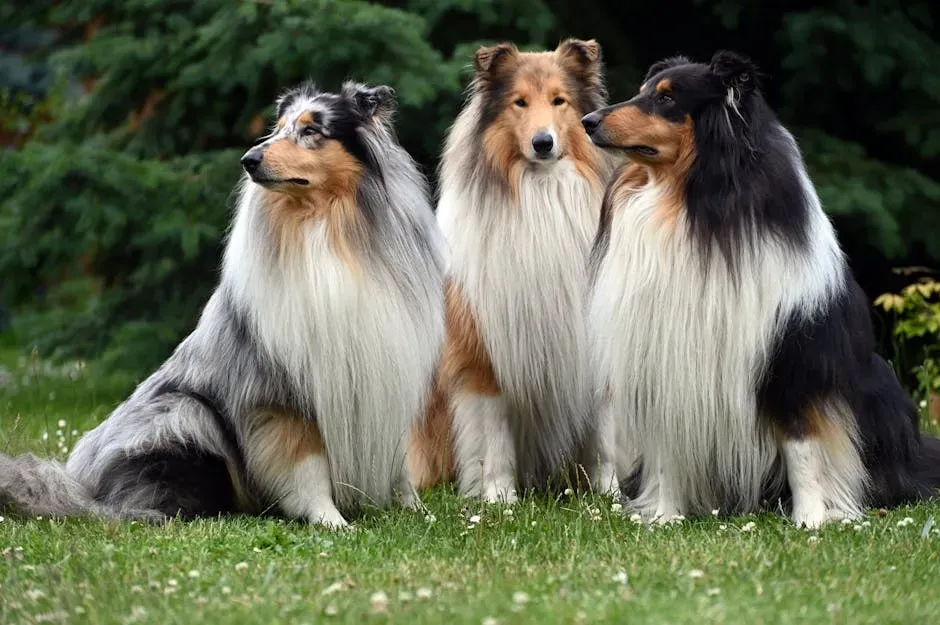
Collies share the border collie’s herding roots but often display a softer, more sensitive temperament. Their expressive faces and attentive nature make them quick to notice changes in their household. Loss registers deeply, and some respond by returning to places tied to the missing family member.
Classic collie stories emphasize their role as farm guardians who watch over both livestock and people. That protective watchfulness does not always end at death. When given the chance, a collie may settle near a grave and maintain a quiet presence for as long as its own life allows. Such extreme loyalty remains rare even in devoted breeds. It usually stems from a unique combination of individual temperament, early bonding, and circumstance rather than any universal breed rule. The stories remind us that dogs can form attachments strong enough to shape their final years. In the end, these quiet vigils speak more about the power of the original relationship than about any list of breeds.


