

Labrador Retriever
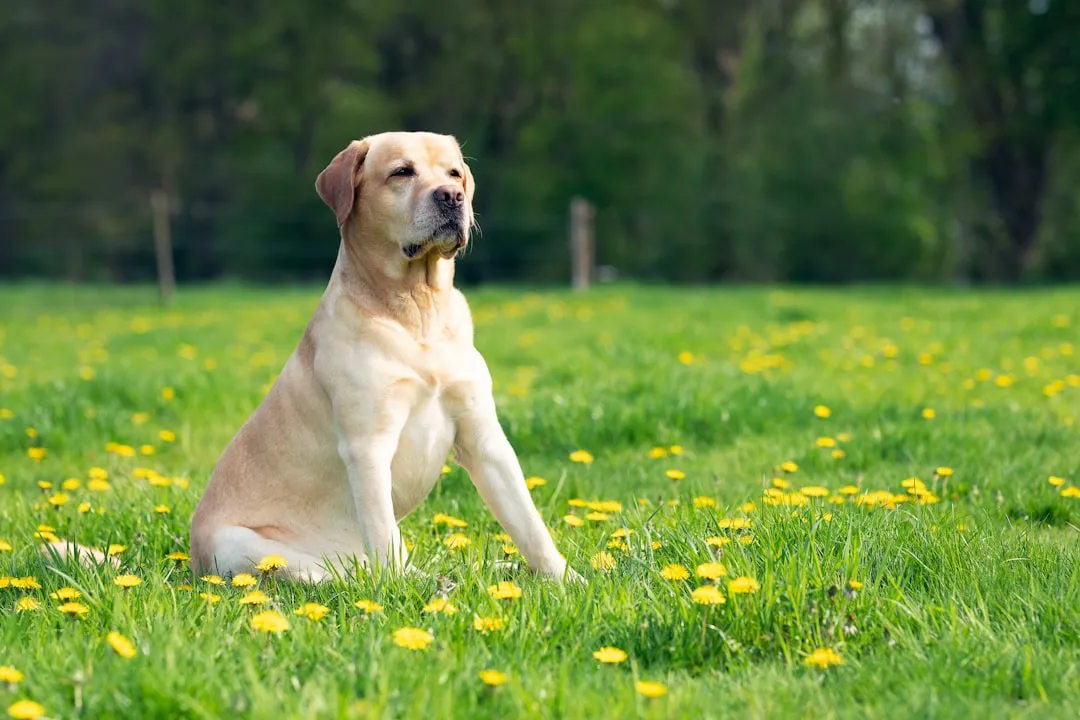
Labrador Retrievers thrive on constant human interaction and often view their favorite person as the center of their world. When left alone too long, they may pace endlessly, refuse food, or chew through barriers in distress. Chronic stress from separation can lead to stomach ulcers or rapid weight loss in these otherwise sturdy dogs.
Owners frequently report Labs developing skin irritations or lethargy after repeated long absences. Their high energy levels turn destructive without an outlet, sometimes resulting in injuries from frantic attempts to escape. Early training with gradual alone time helps, yet the breed remains one of the most commonly cited for attachment related health dips.
Border Collie
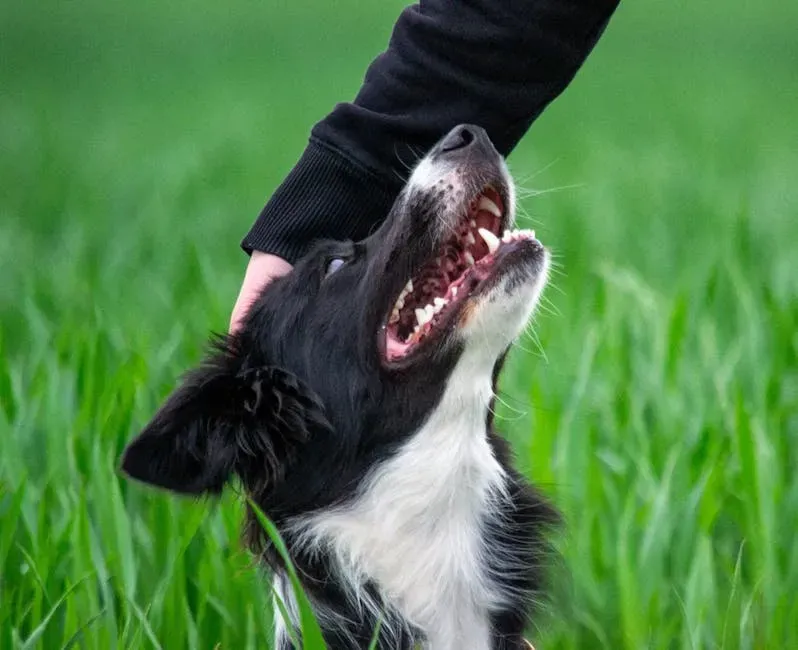
Border Collies were bred for intense focus on their handler, which translates into deep emotional dependence in home settings. Prolonged separation often brings on compulsive behaviors like tail chasing or excessive licking that wear down their coat and skin. The mental strain can suppress their immune response, leaving them vulnerable to infections.
These dogs may lose interest in play or meals, leading to noticeable muscle loss over weeks of isolation. Their sharp minds amplify the anxiety, turning routine absences into sources of genuine physical exhaustion. Consistent routines and mental stimulation become essential to prevent decline.
German Shepherd
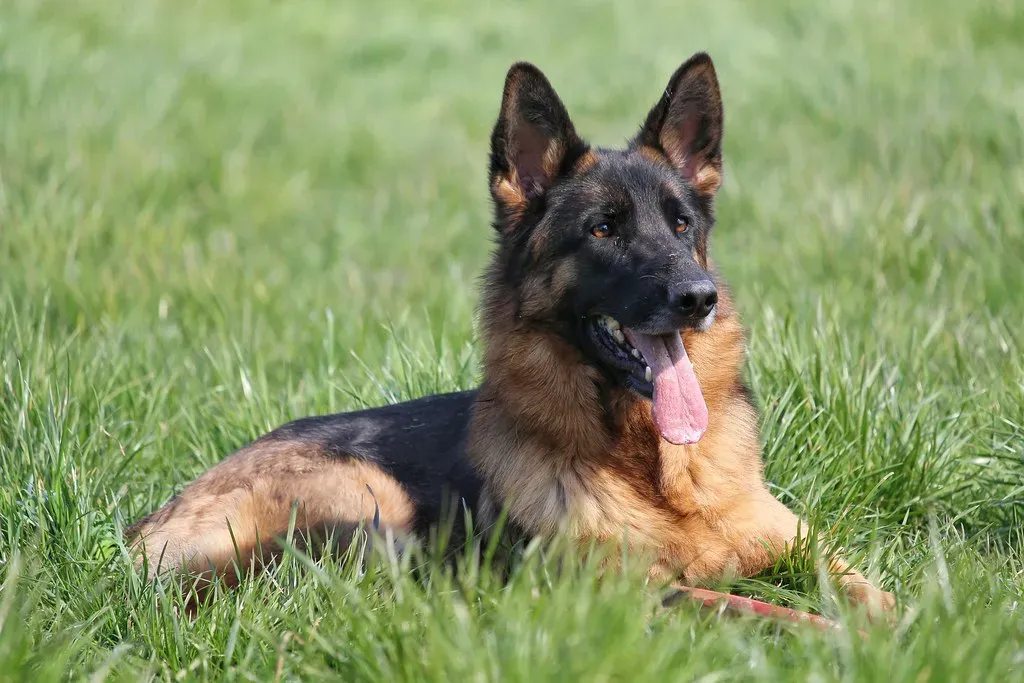
German Shepherds form loyal attachments that make them protective of their chosen human above all else. Extended time apart frequently results in howling, destructive chewing, or even self mutilation through paw licking. Such stress hormones can elevate to levels that affect heart health and digestion over time.
Many Shepherds experience diarrhea or vomiting tied directly to anxiety episodes. Their large frames hide the toll until coat dullness or sudden lethargy appears. Structured exercise paired with short departures builds resilience, though the breed still shows pronounced sensitivity in many households.
Cavalier King Charles Spaniel

Cavalier King Charles Spaniels were developed as lap companions, so solitude hits them especially hard. They may develop heart palpitations or shallow breathing from panic when their person leaves. Over days or weeks, this can contribute to weight fluctuations and weakened cardiac function in an already predisposed breed.
Small size makes physical symptoms like trembling or hiding more visible. Chronic cases sometimes bring on ear infections or digestive slowdowns linked to ongoing stress. Gentle desensitization works best when started young to safeguard their delicate constitutions.
Vizsla

Vizslas earn the nickname Velcro dogs because they stick close to their favorite human at every opportunity. Separation often sparks frantic barking or escape attempts that cause cuts and bruises. The resulting cortisol spikes can suppress appetite long enough to cause visible thinning.
These athletic dogs lose muscle tone quickly without their usual activity partner. Owners note increased shedding and dull eyes as early signs of emotional and physical strain. Daily interaction combined with puzzle toys offers some protection against the breed’s intense bonding needs.
Australian Shepherd
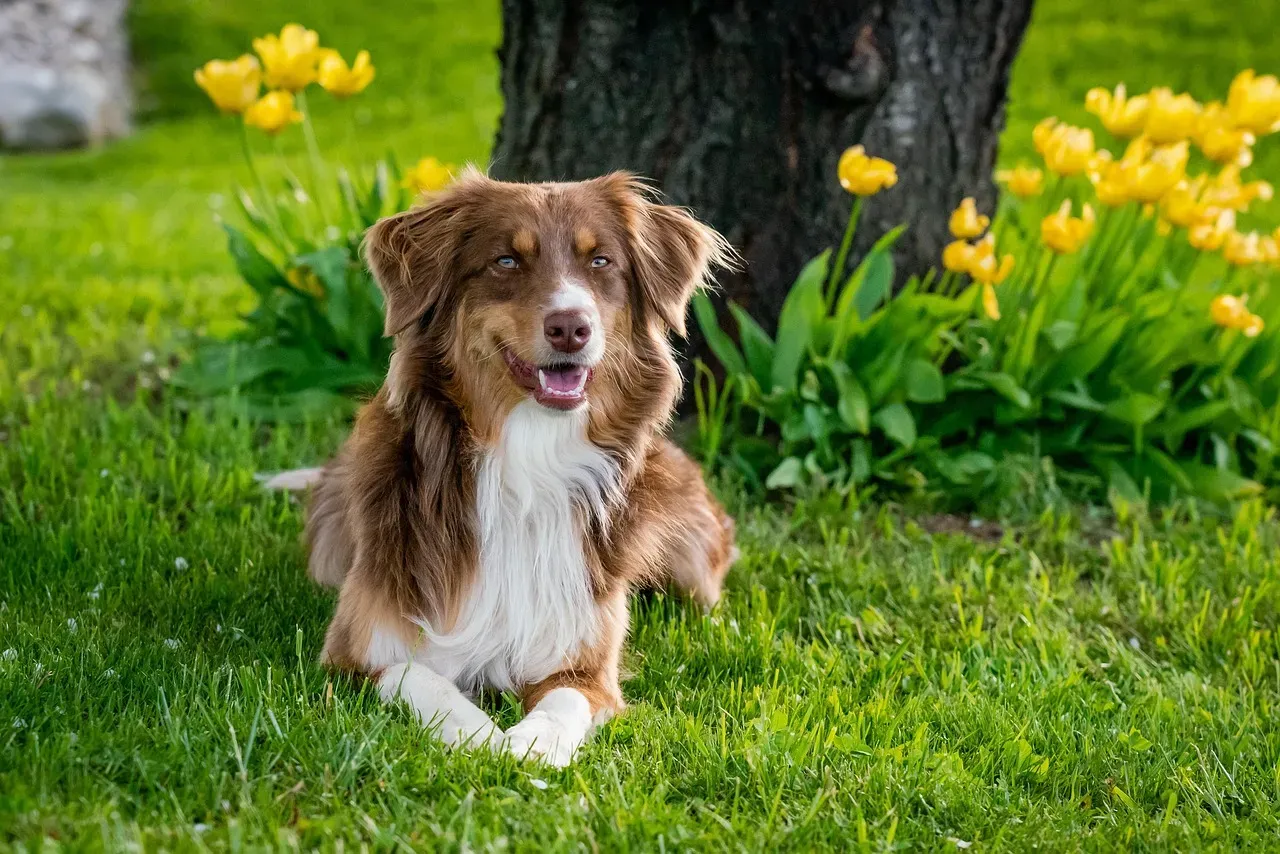
Australian Shepherds channel their herding instincts into tight bonds with family members. When isolated, they may herd shadows or bark until hoarse, leading to throat irritation and fatigue. Extended stress frequently manifests as gastrointestinal upset or even temporary hair loss from overgrooming.
Their intelligence makes boredom compound the anxiety, turning simple absences into health challenges. Regular short training sessions help maintain stability. Without that outlet, physical vitality drops noticeably within a short span.
Jack Russell Terrier

Jack Russell Terriers pack big personalities into small bodies and demand near constant engagement. Prolonged separation can drive them to dig or chew destructively, sometimes injuring paws or teeth in the process. Stress related conditions like colitis appear more often in this high strung breed.
Energy without direction leads to rapid weight changes and restless sleep patterns. Their bold nature masks vulnerability until symptoms like excessive shedding or appetite loss emerge. Short, frequent absences paired with enrichment activities keep them physically sound.
Toy Poodle

Toy Poodles form close attachments and often mirror their owner’s emotions with surprising accuracy. Time alone may cause them to stop eating or develop urinary issues from holding it in fear. Chronic anxiety can weaken their already sensitive immune systems, inviting skin conditions or respiratory flare ups.
Small stature amplifies the visible effects, such as matted fur from neglect or trembling fits. Mental stimulation through games proves vital for preventing decline. The breed responds well to consistent companionship balanced with independence training.
Bichon Frise
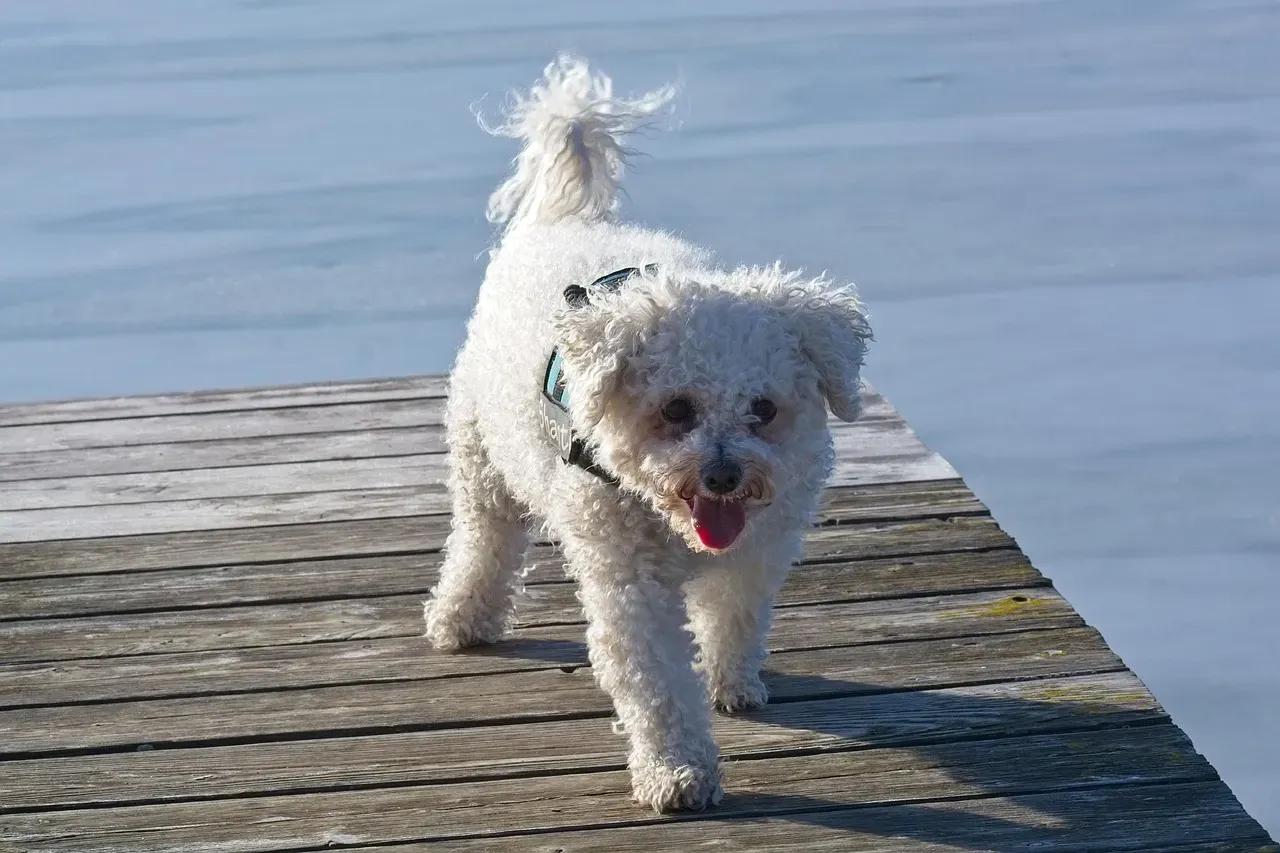
Bichon Frises were bred purely for companionship, leaving them ill equipped for long stretches without their person. Separation anxiety often shows up as frantic circling that leads to joint strain or digestive slowdowns. Over time, the stress can dull their signature white coat and spark allergy like symptoms.
These cheerful dogs may withdraw entirely, refusing walks and losing muscle mass. Their fluffy appearance hides the internal toll until energy levels plummet. Gradual alone time practice combined with calming aids supports better long term health for this affectionate breed.
The reality is that no dog should endure prolonged isolation, yet these breeds remind us how deeply attachment can shape physical well being. Choosing one means committing to presence or thoughtful alternatives that honor their needs. In the end, the strongest bonds thrive when both sides stay close enough to keep each other whole.


