
Dogs often surprise their owners with small habits that suggest they carry details from one day into the next. These morning patterns can feel almost deliberate, as if your pet is piecing together what happened before bedtime.
While human memory sometimes falters on the little things, dogs show consistent signs of recall through their actions right after waking. The following behaviors stand out as everyday examples that point to stronger retention than many people manage in their own routines.
Heading Straight for the Leash Hook
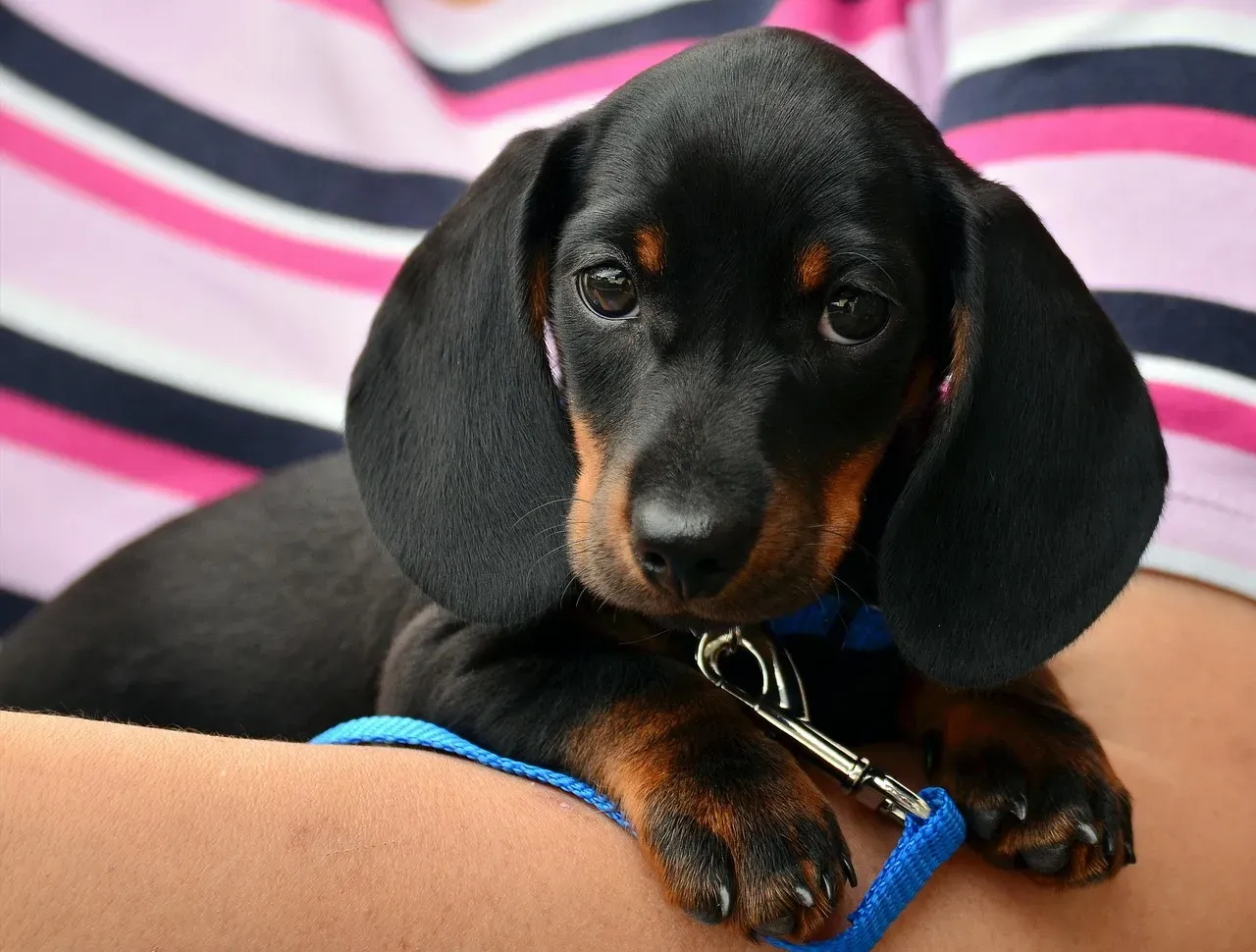
Many dogs walk directly to the spot where the leash hangs each morning without any prompting. They pause there and glance back at their owner as if expecting the same walk that followed breakfast the day before. This targeted movement shows they connect the time of day with a specific sequence of events from yesterday.
Owners notice the behavior repeats even on days when the schedule shifts slightly. The dog does not wander the house first or check other rooms. Instead the path leads straight to the familiar object tied to outdoor time.
Sniffing the Same Spot on the Floor
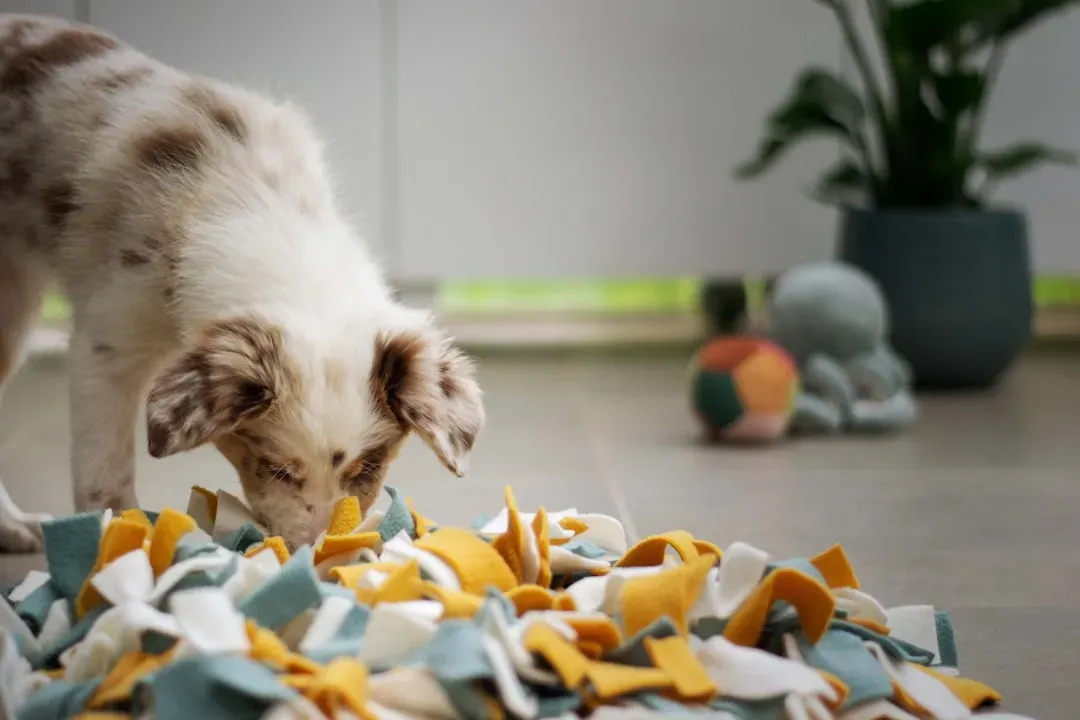
A dog may lower its nose to one particular patch of flooring near the kitchen or entryway every morning. That spot often matches where a treat dropped or a toy landed during the previous evening. The repeated investigation suggests the animal retains a mental map of where interesting things occurred last.
The sniffing lasts longer than a casual check and sometimes includes a quick look toward the owner afterward. It happens before any new activity begins, which separates it from simple curiosity about fresh scents. Such focused attention points to memory guiding the choice of location.
Waiting by the Window at a Certain Angle
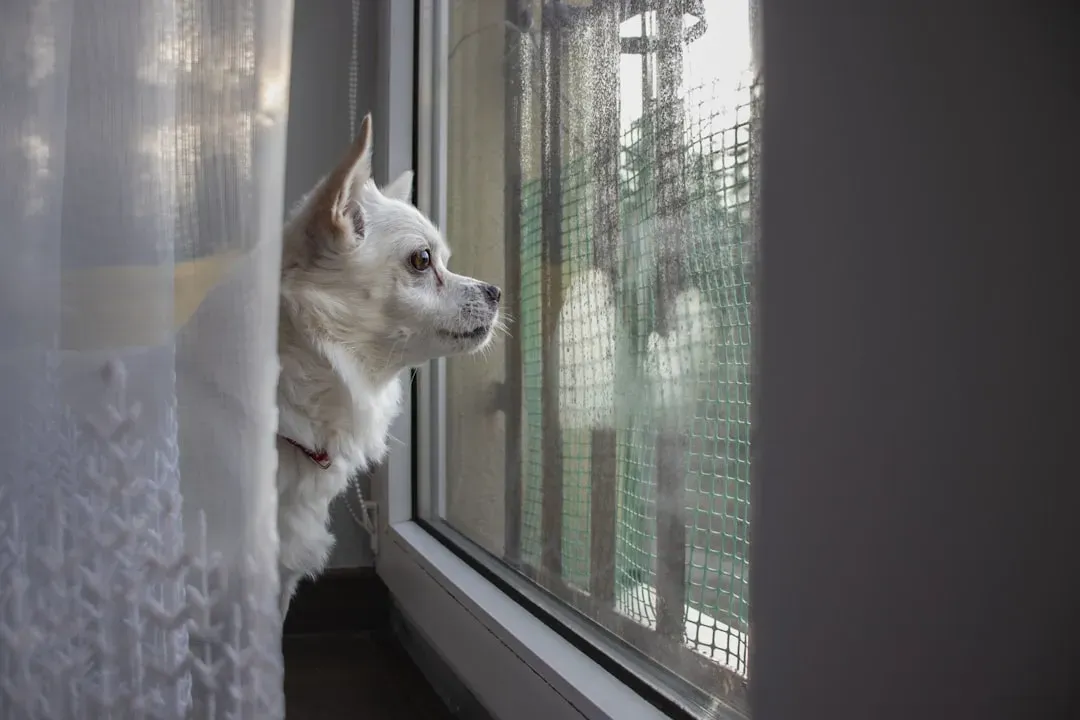
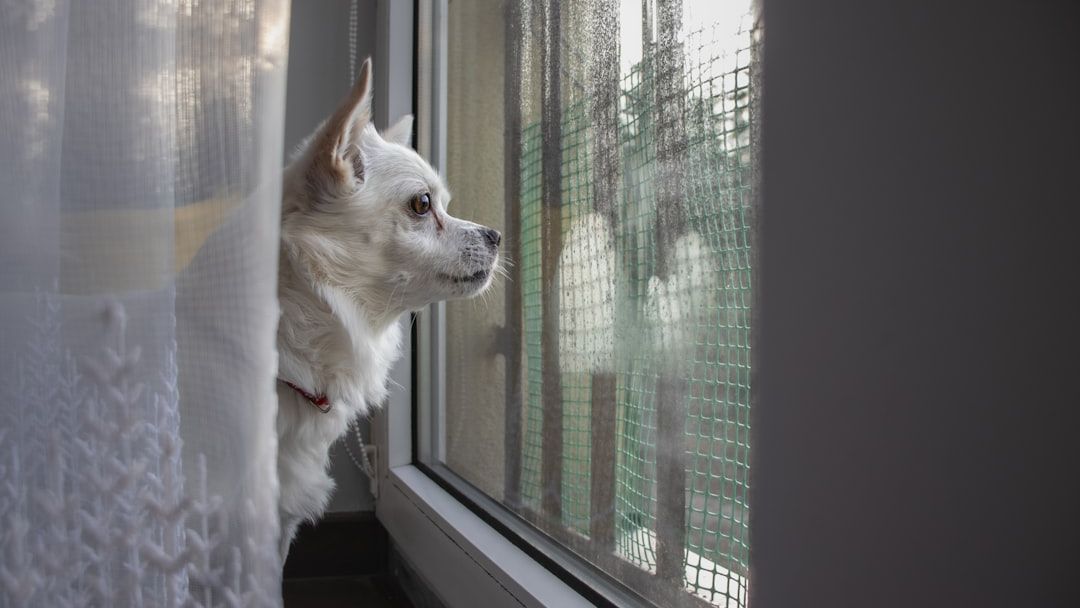
Some dogs position themselves at the window in the exact posture they used the morning after a visitor arrived or a delivery occurred. They hold the stance for several minutes even when nothing new appears outside. This quiet vigil aligns with events that unfolded the day prior rather than random staring.
The behavior persists across different weather conditions and does not require any sound cue from the street. Owners who track the pattern see it emerge at roughly the same clock time each day. The consistency implies the dog recalls both the timing and the visual interest from yesterday.
Bringing Over a Specific Toy Unprompted
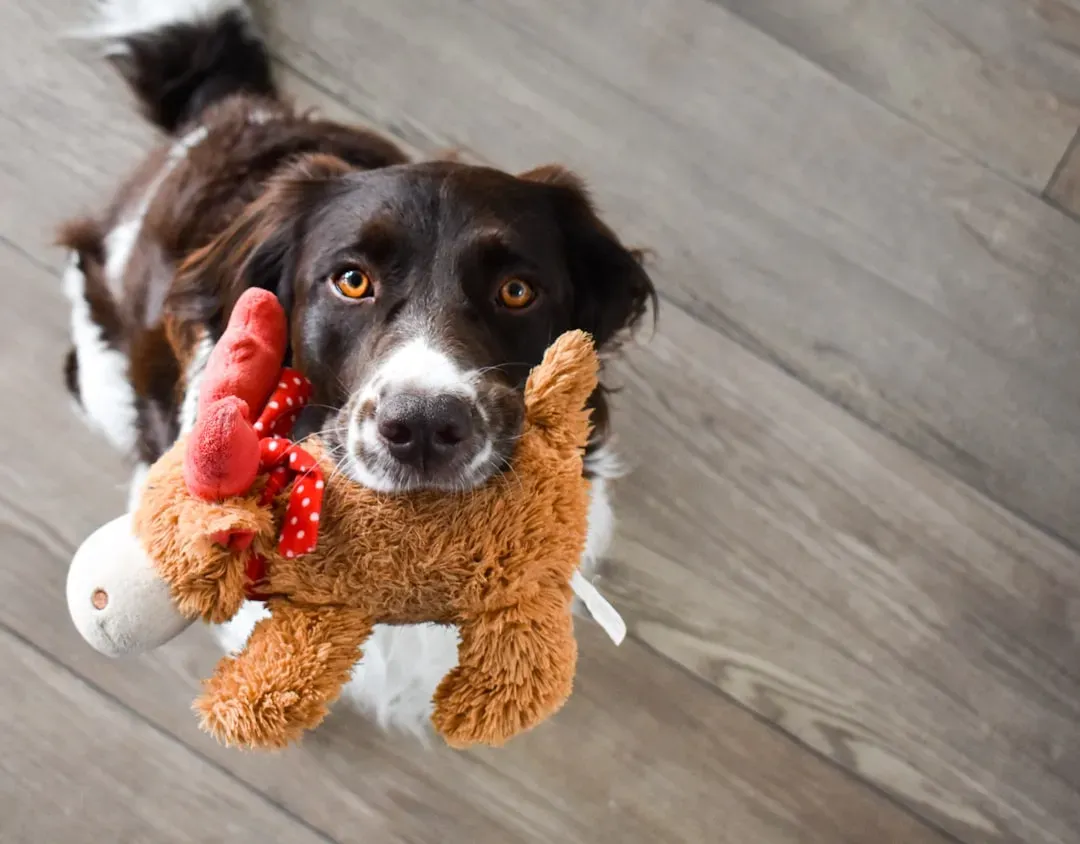
A dog sometimes carries one particular toy from its bed to the owner first thing in the morning. That toy usually matches the one used during play the afternoon before. The choice feels deliberate because the dog bypasses other toys scattered nearby.
The presentation often comes with a short pause as if expecting the game to resume. When the owner responds the dog shows clear readiness to continue the same activity. This selective retrieval highlights memory for both the object and the interaction tied to it.
Reacting to the Coffee Maker Sound With Tail Movement
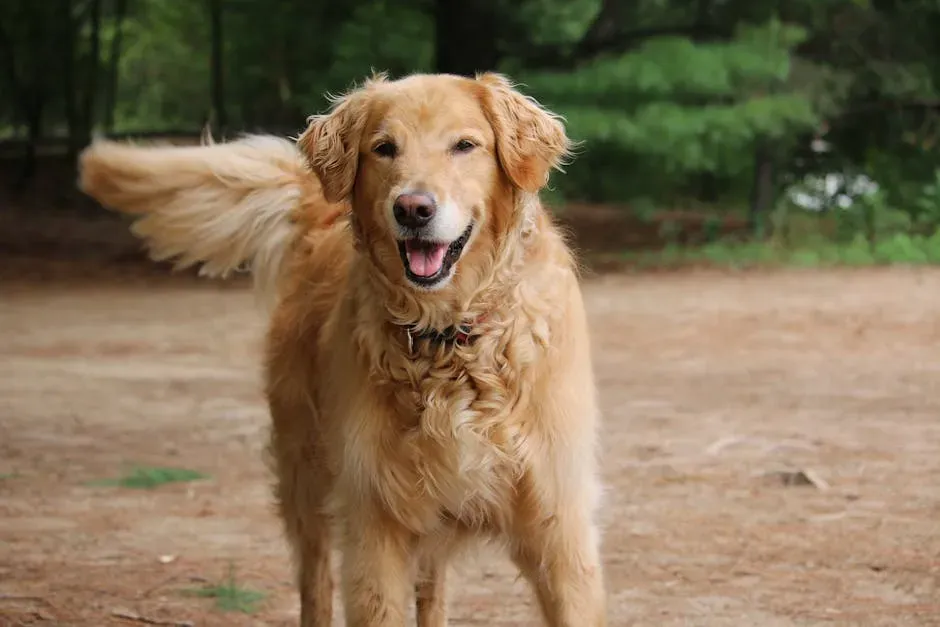
The sound of the coffee maker starting can trigger immediate tail wags or a quick approach to the kitchen counter. Dogs display this response even on mornings when no one has spoken to them yet. The reaction matches the sequence that followed the same sound the previous day.
Owners observe the tail movement begins before any food appears and stops if the machine runs without the usual follow up routine. The pattern holds steady across weeks, suggesting the dog links the appliance noise to the next expected step in the morning flow.
Settling Into the Same Sunny Patch on the Rug

After the initial greeting many dogs move to one exact patch of sunlight on the floor that warmed up during yesterday’s morning. They circle once or twice before lying down in the precise orientation they used before. The choice occurs without any adjustment from the owner.
This spot selection repeats regardless of slight changes in furniture placement or light angle. The dog appears to remember both the comfort of the location and its connection to the start of the day. Such precise positioning reflects retention of spatial details from the prior morning.
Dogs may not keep calendars or write lists, yet their steady morning habits reveal a practical form of memory that serves them well day after day. People often overlook these quiet signals because the actions look ordinary at first glance. Paying closer attention shows how much yesterday still shapes what happens next. In the end the real advantage belongs to the dog that simply lives by what it remembers rather than what it tries to forget.


