
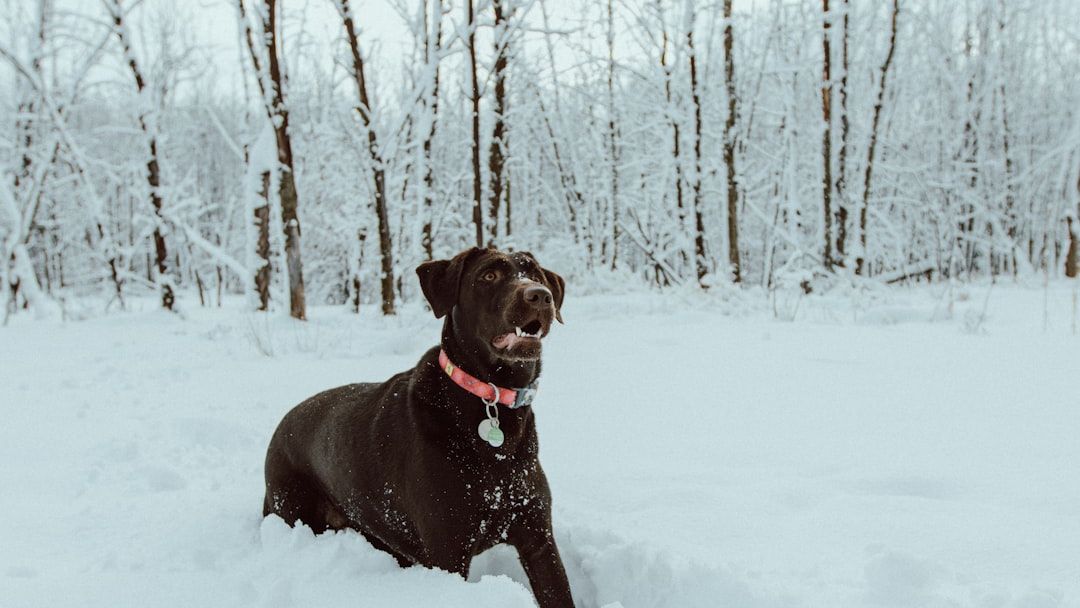
Tucked Tail and Lowered Posture
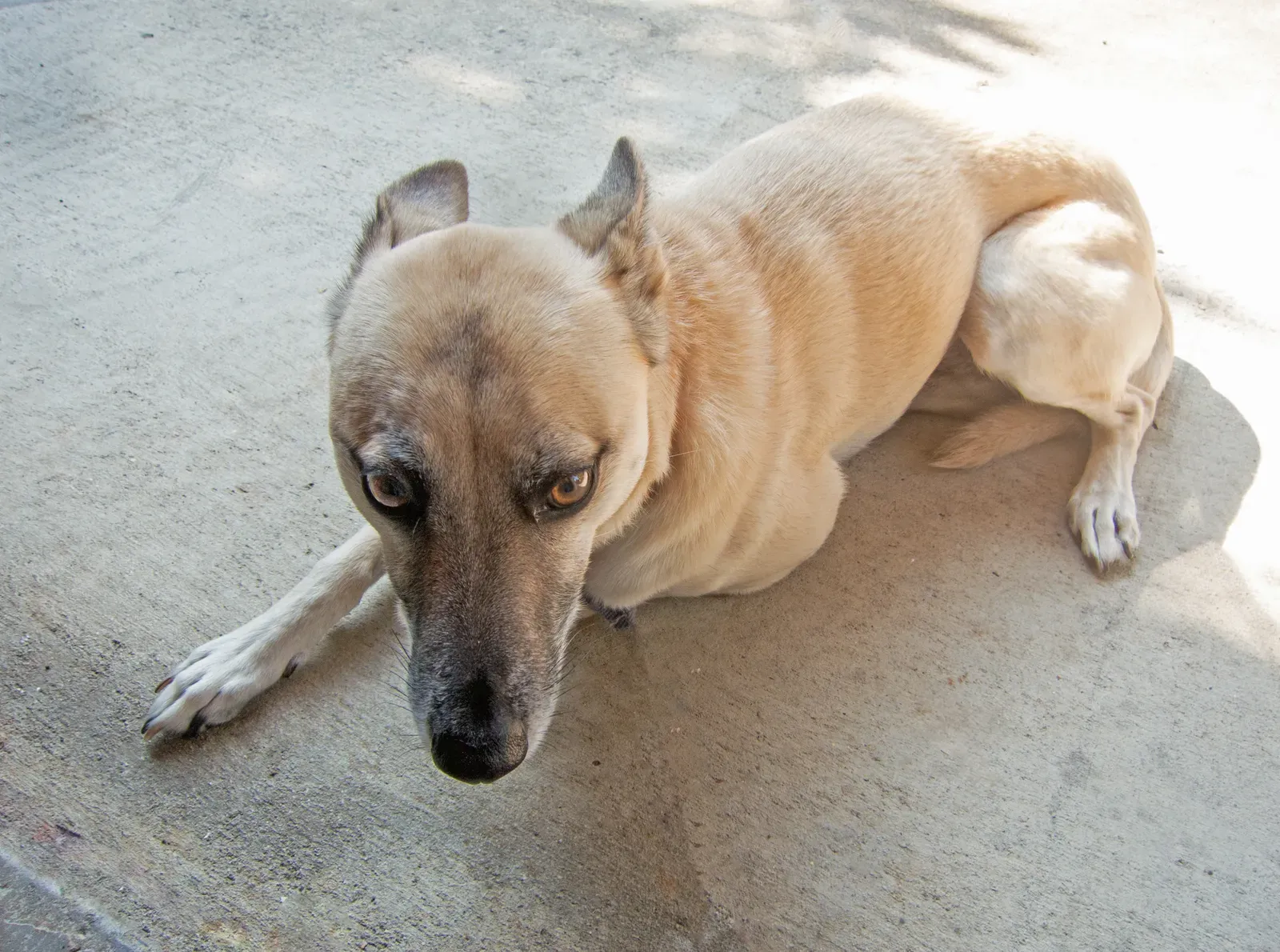
A tucked tail often appears when a dog senses an upcoming disruption to their routine. The tail pulls tight against the body instead of its usual relaxed sway. This posture reflects an attempt to make themselves smaller and less noticeable in the face of uncertainty.
Owners frequently observe this change right before leaving the house for longer periods. The dog may also crouch slightly or round their back. Such adjustments show they have connected your actions with an outcome they would rather avoid.
Flattened Ears Against the Head
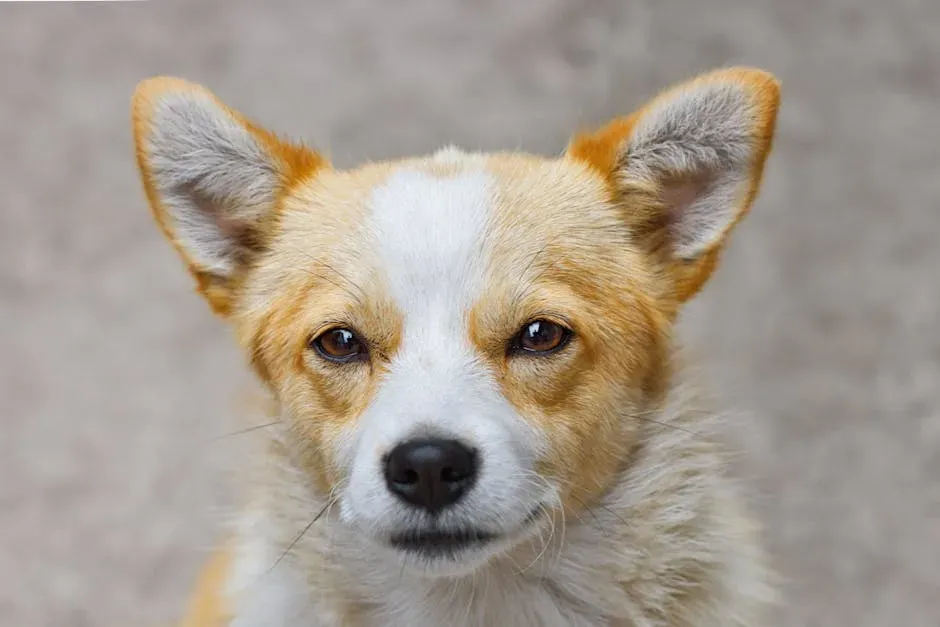
Ears that press flat signal discomfort or anticipation of something unpleasant. The change happens quickly and can last only seconds if the dog tries to hide the reaction. It differs from the relaxed, forward position seen during play or greeting.
This cue often surfaces when you pick up a leash at an unexpected time or reach for the carrier used for vet trips. The ears stay pinned even as the rest of the body remains still. It serves as an early indicator that trust feels at risk.
Subtle Lip Licking or Yawning
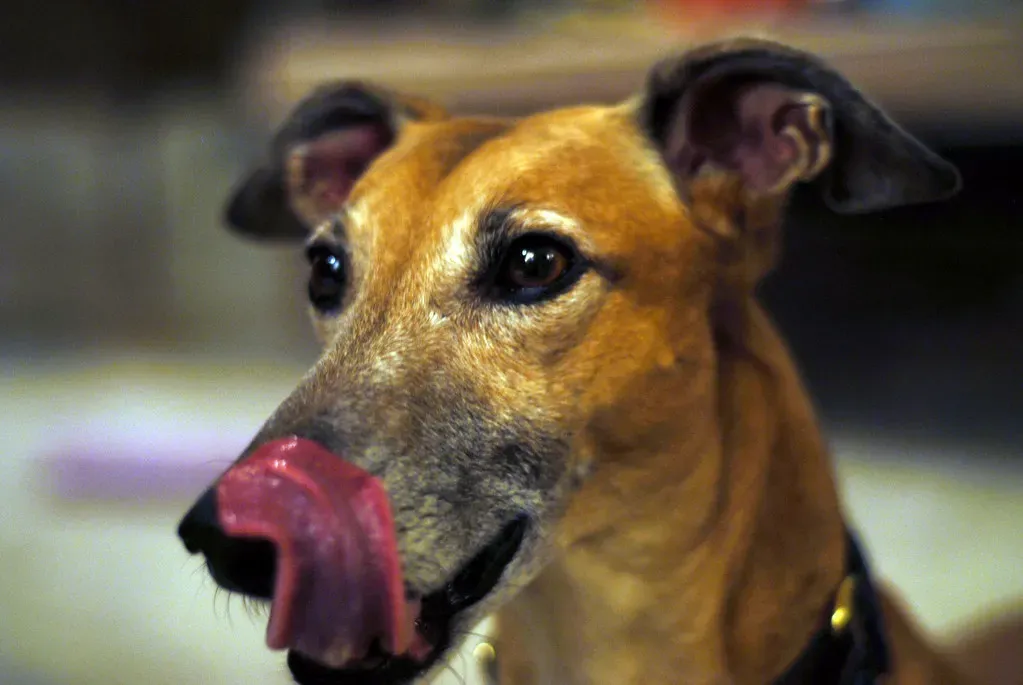
Lip licking without food nearby acts as a calming signal dogs use when tension rises. A quick tongue flick across the nose or lips can repeat several times in a row. Yawning in the same context carries a similar meaning rather than indicating tiredness.
These gestures appear when your movements suggest an upcoming separation or change in plans. The dog may combine them with a glance away to further diffuse the situation. Together they form a quiet request for things to stay predictable.
Avoiding Eye Contact or Turning the Head
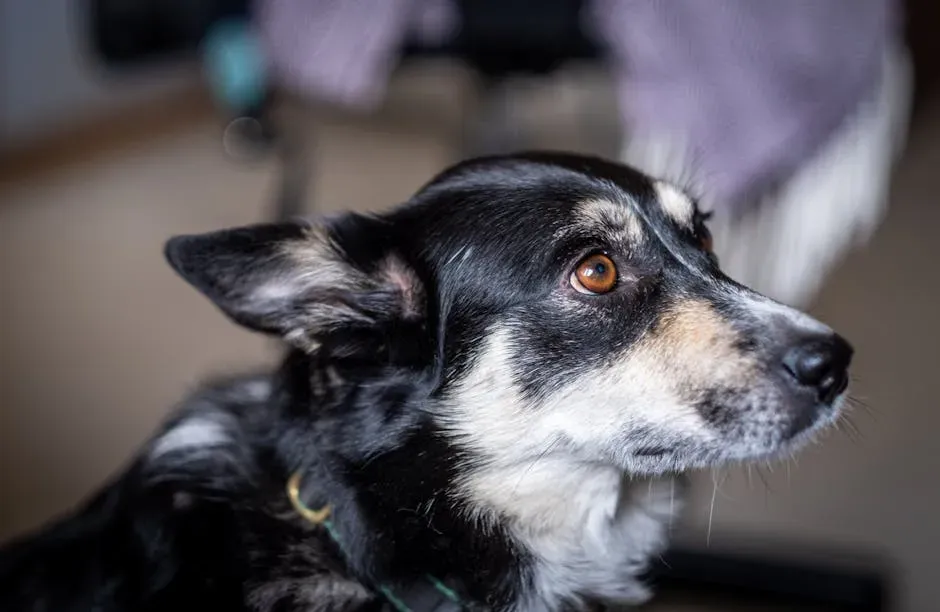
Dogs that normally meet your gaze may suddenly look elsewhere when they sense a breach of routine. The head turns slightly or the eyes shift to the side. This avoidance reduces direct confrontation while still acknowledging your presence.
The behavior shows up clearly before events the dog has learned to associate with disappointment. It allows them to stay connected without inviting further interaction. Over time the pattern becomes a reliable marker of their internal state.
Stiffening or Freezing in Place
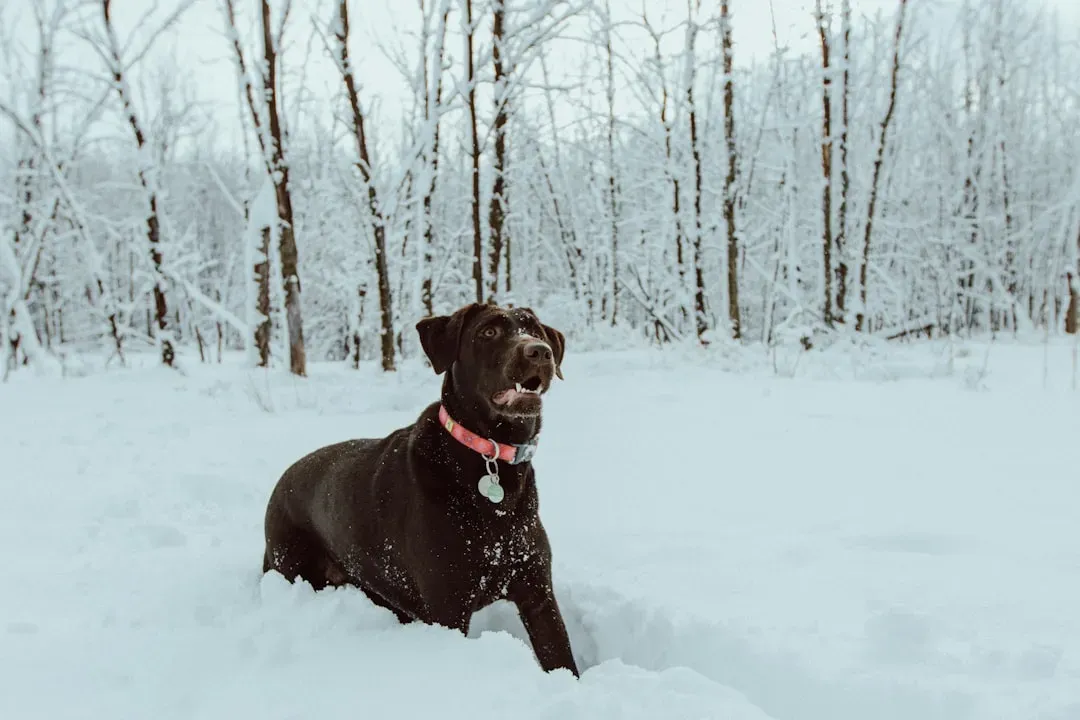
A sudden stiffening of the body often precedes movement toward an exit or a change in activity. The dog holds still instead of shifting weight naturally. Muscles tighten noticeably along the back and legs.
This freeze response gives the animal a moment to assess what will happen next. It appears most often when you reach for items linked to past negative experiences. The pause reveals they have already begun preparing for the outcome.
Seeking Distance or Moving to Another Room
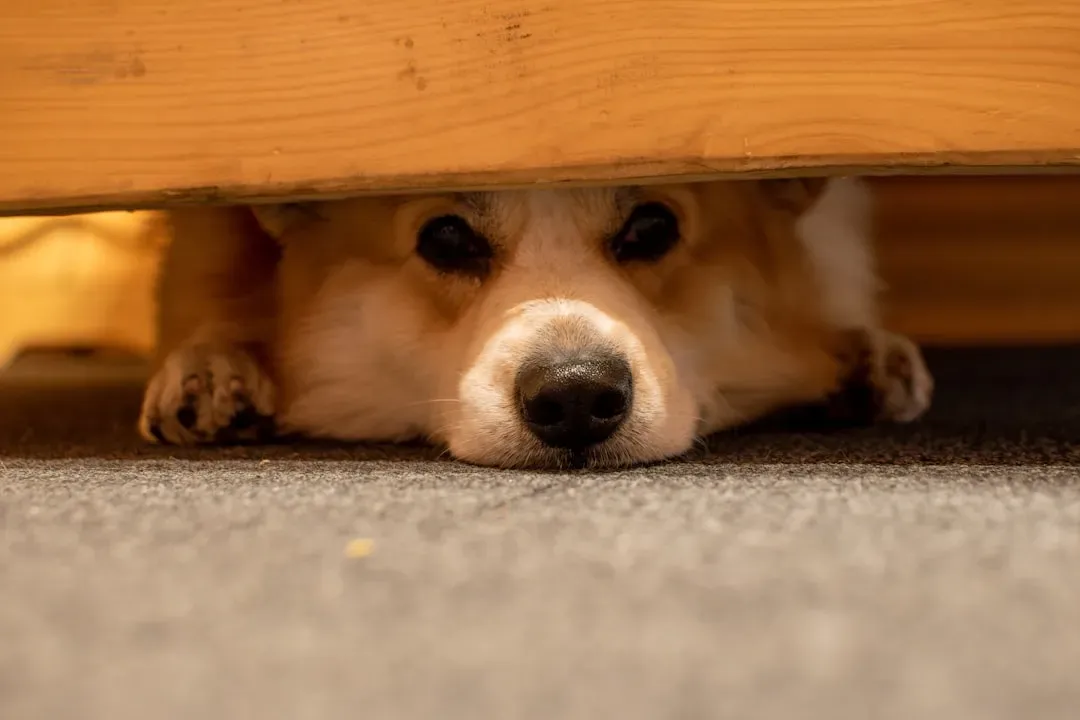
Some dogs create physical space when they anticipate an unwanted event. They may slip into another room or position themselves behind furniture. The choice of location tends to be consistent across similar situations.
This withdrawal serves as both protection and a form of communication. It shows the dog has linked your preparations with a result they prefer to avoid. The distance grows more pronounced with repeated experiences.
Soft Whining or Quiet Sighing
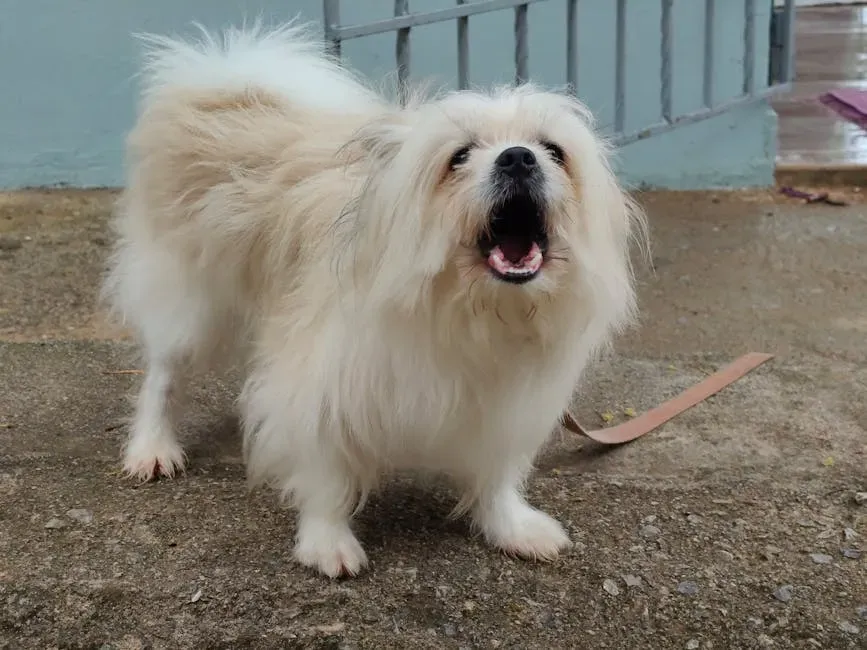
A low whine or drawn out sigh can emerge without obvious cause when routines shift. The sound stays soft rather than escalating into barking. It often accompanies other body language changes rather than standing alone.
These vocalizations surface right before departures or arrivals that have previously caused stress. They function as a gentle expression of unease rather than a demand for attention. Owners who listen closely learn to recognize the specific tone tied to these moments.
Hesitant Paw Lifts or Delayed Responses
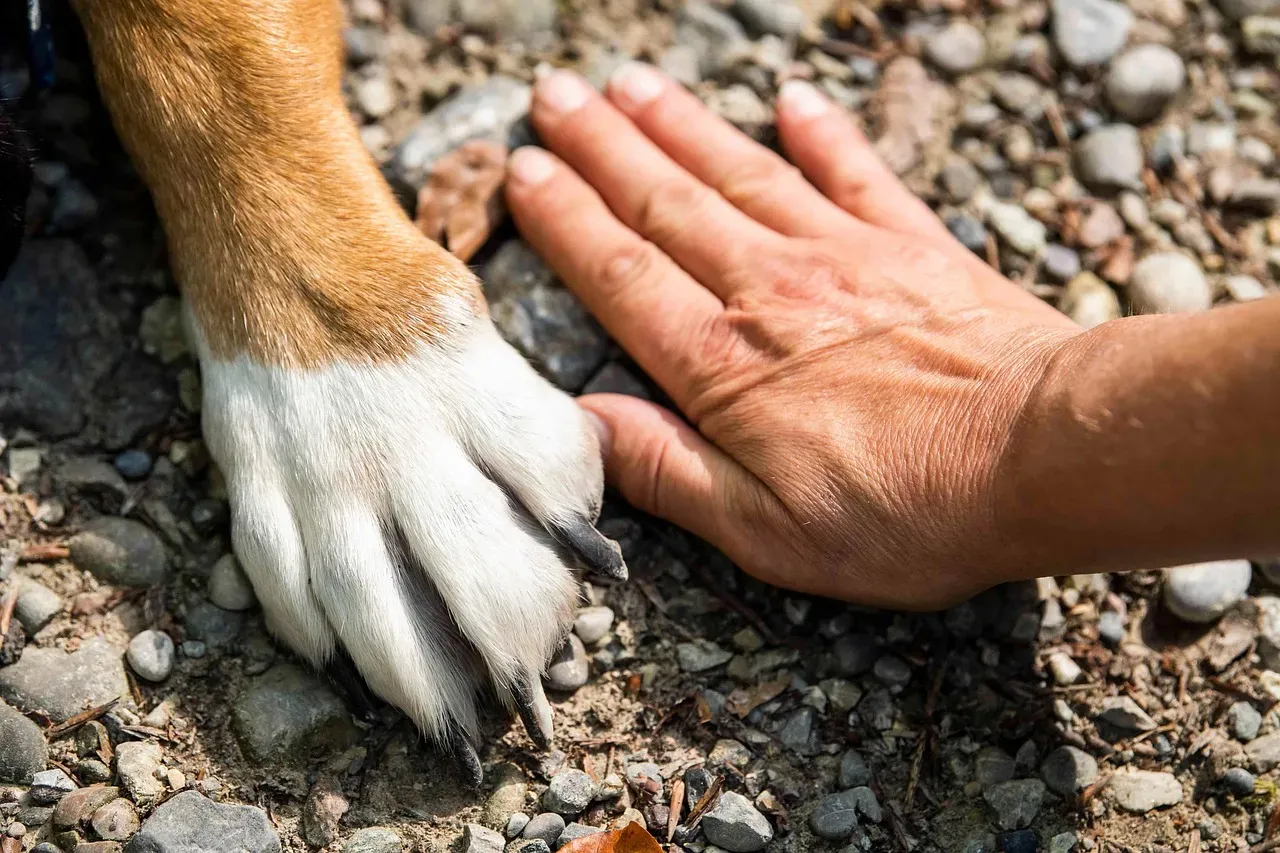
A paw lifted slightly off the ground can indicate hesitation about what comes next. The dog may pause before following a usual cue or moving toward you. The action feels deliberate rather than accidental.
This signal appears when your behavior suggests an activity the dog has come to distrust. It gives them extra time to evaluate the situation. Repeated observations confirm the connection between the gesture and upcoming changes.
Turning Away or Presenting the Side of the Body
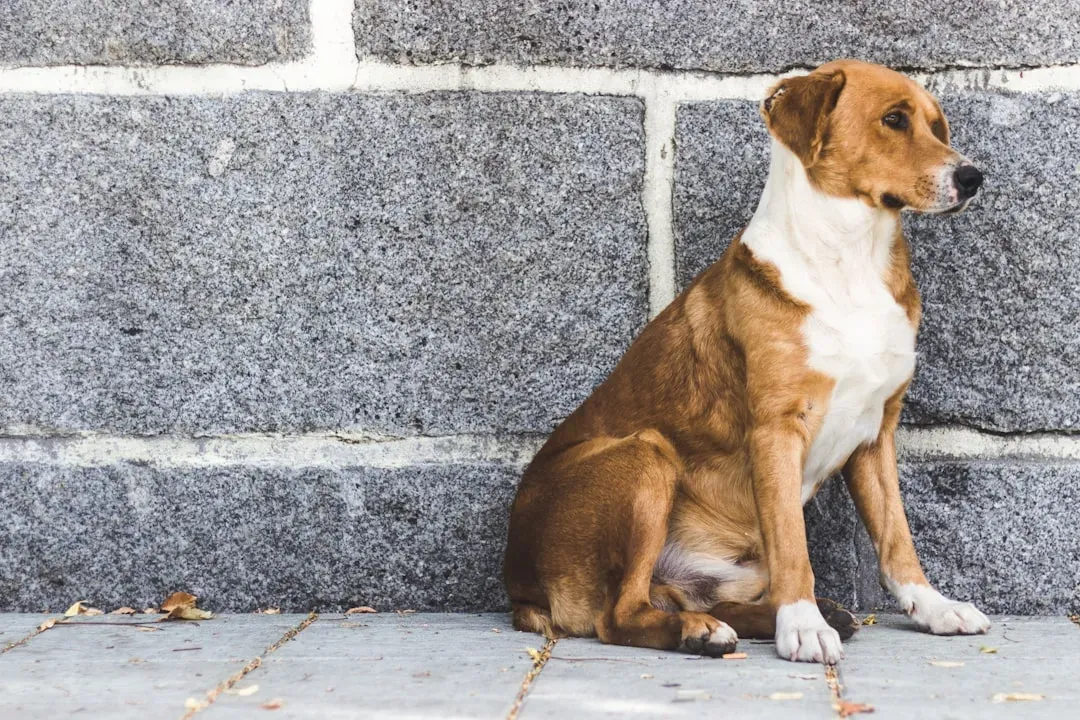
Shifting so the side or back faces you serves as another appeasement gesture. The dog may angle their body while keeping ears and tail in the lowered position. The movement creates a buffer without fully leaving the area.
This orientation often develops around actions that have led to separation or discomfort in the past. It allows the dog to remain nearby while reducing direct engagement. The pattern strengthens as the animal gains experience with your habits. Dogs read our patterns with remarkable consistency once trust begins to fray. Paying attention to these quiet cues helps rebuild predictability and strengthens the bond over time. Small adjustments in how departures or changes are handled can make a lasting difference in how secure your dog feels.


