
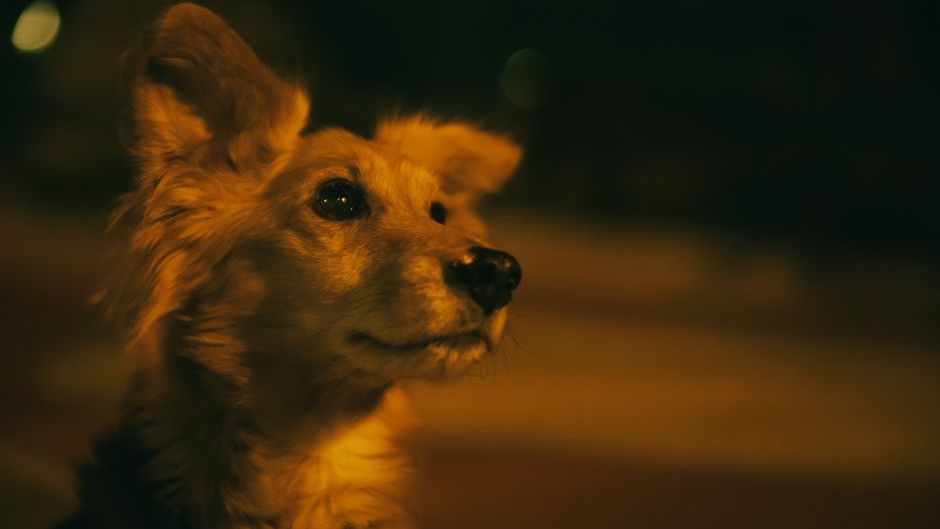
Dogs have a way of masking discomfort that can leave even attentive owners puzzled. What looks like a quirky habit or a phase often points to something deeper going on beneath the surface.
Recognizing these signals early can make a real difference in how quickly a problem gets addressed. The following behaviors deserve a closer look because they rarely stand alone.
Excessive Paw Licking or Chewing
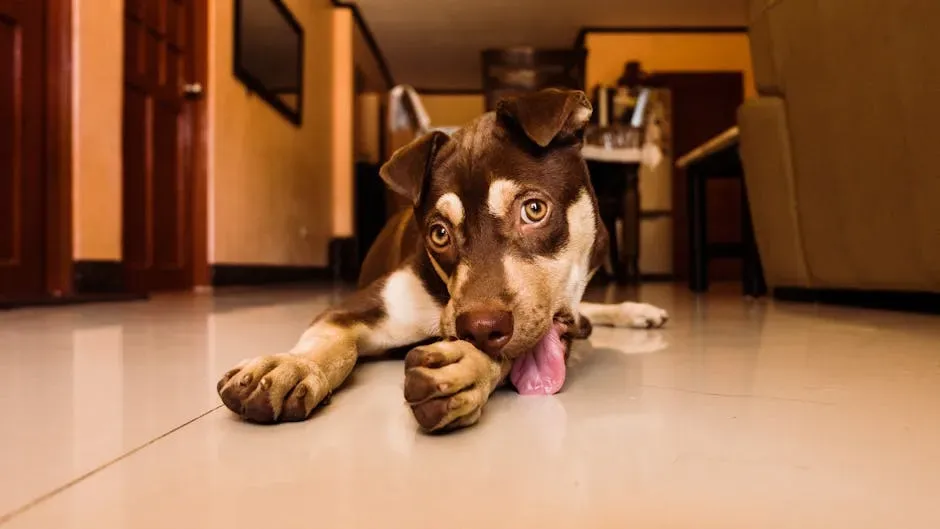
Many dogs turn to their paws when something feels off internally. Allergies, infections, or even joint pain can trigger this repetitive action as a form of self soothing. Owners often notice the behavior ramps up at night or after walks, yet they might dismiss it as simple grooming.
Over time the licking creates hot spots that worsen the cycle. A vet visit usually uncovers the root cause, whether it is environmental or medical. Addressing the underlying issue stops the habit faster than topical treatments alone.
Sudden Onset of Destructive Chewing
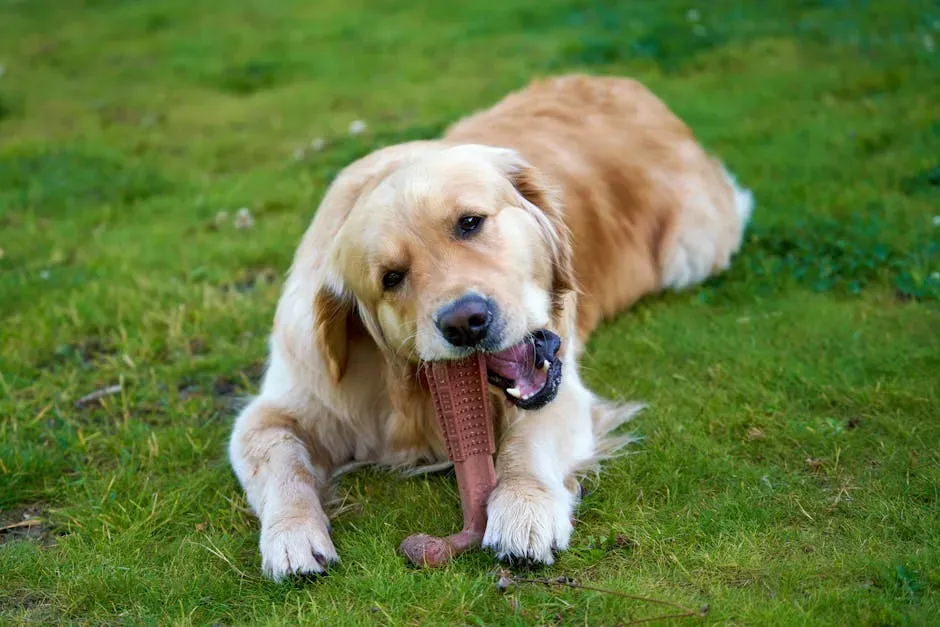
Chewing furniture or shoes can signal anxiety rather than boredom. Dogs sometimes redirect stress from separation or changes in routine into their surroundings. The destruction tends to happen in specific spots tied to the source of unease.
Younger dogs and seniors alike show this pattern when discomfort builds. Pain from dental problems or arthritis may also drive the behavior as a distraction. Consistent routines and professional evaluation help separate normal play from a cry for relief.
Withdrawing or Hiding More Than Usual
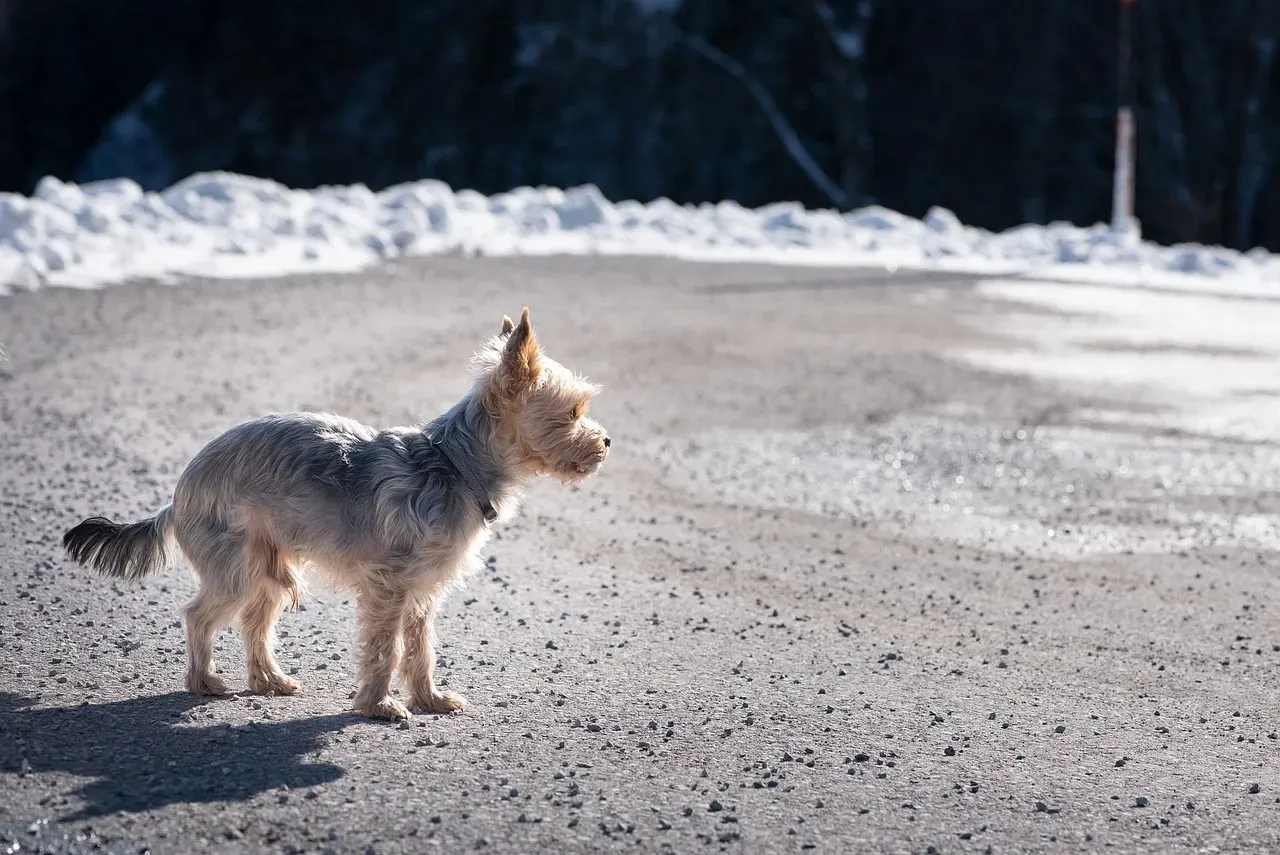
A normally social dog that starts seeking dark corners or under furniture often feels unwell. Illness, fear, or even cognitive changes in older pets can prompt this retreat. The shift appears gradual at first, making it easy to overlook until it becomes pronounced.
Owners report the dog still eats but avoids eye contact or touch. This isolation serves as protection when the animal feels vulnerable. Early checks for fever, injury, or emotional triggers prevent the situation from escalating.
Changes in Eating or Drinking Patterns
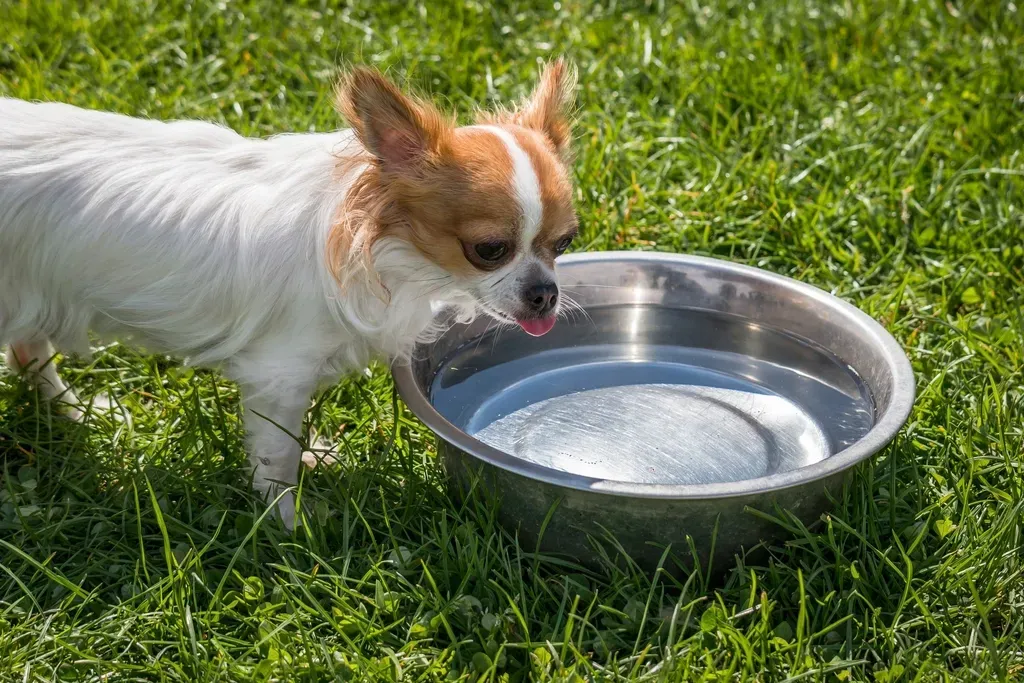
Skipping meals or gulping water excessively can reflect gastrointestinal trouble or kidney concerns. Some dogs mask pain by eating less while others drink more to compensate for discomfort. The change might coincide with other subtle shifts like slower movement after meals.
Monitoring portion sizes over several days reveals patterns that warrant attention. Dental pain or nausea frequently hides behind these adjustments. A simple exam often identifies treatable causes before weight loss becomes noticeable.
Increased Vocalization Without Clear Triggers
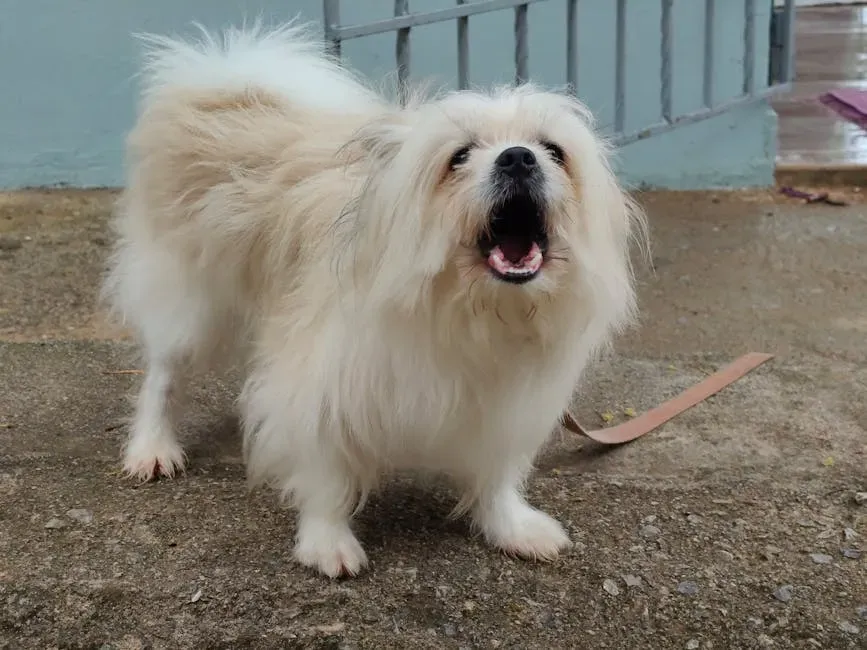
Whining or barking at odd hours sometimes replaces direct communication when a dog cannot express pain. Older dogs may vocalize due to vision loss or arthritis that flares at rest. The sounds lack the usual context of play or greeting.
Neighbors or family members often notice the increase first. Ruling out external noises helps isolate whether the dog is signaling internal distress. Medication or environmental adjustments frequently quiet the behavior once the source is found.
Restlessness or Pacing at Night
Circling or inability to settle can stem from discomfort that intensifies when the house grows quiet. Joint issues, digestive upset, or even heart conditions may keep a dog moving in search of relief. The pattern disrupts sleep for everyone in the household.
Younger dogs might pace from anxiety tied to recent changes. Tracking the timing against meals or activity levels provides useful clues. Veterinary screening often uncovers manageable conditions that improve with targeted care.
Overgrooming or Sudden Hair Loss
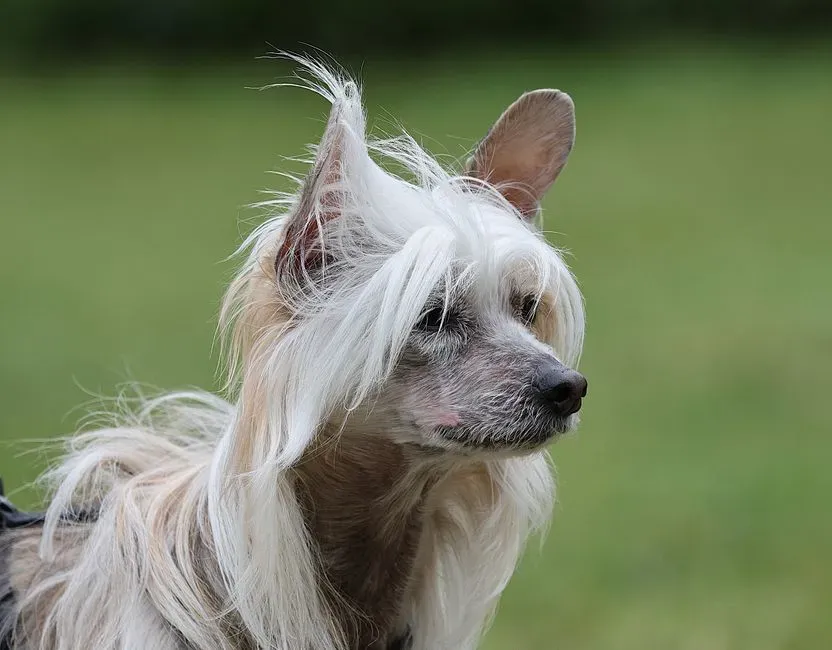
Compulsive licking in one area can create bald patches that owners mistake for seasonal shedding. Stress, parasites, or hormonal imbalances frequently drive this focused attention. The behavior intensifies during periods of household tension or after travel.
Examining the skin underneath reveals irritation that points beyond simple habit. Bloodwork or skin tests usually clarify whether the cause is internal or external. Treating the trigger restores normal grooming faster than addressing the patches alone.
Avoidance of Favorite Activities or Toys
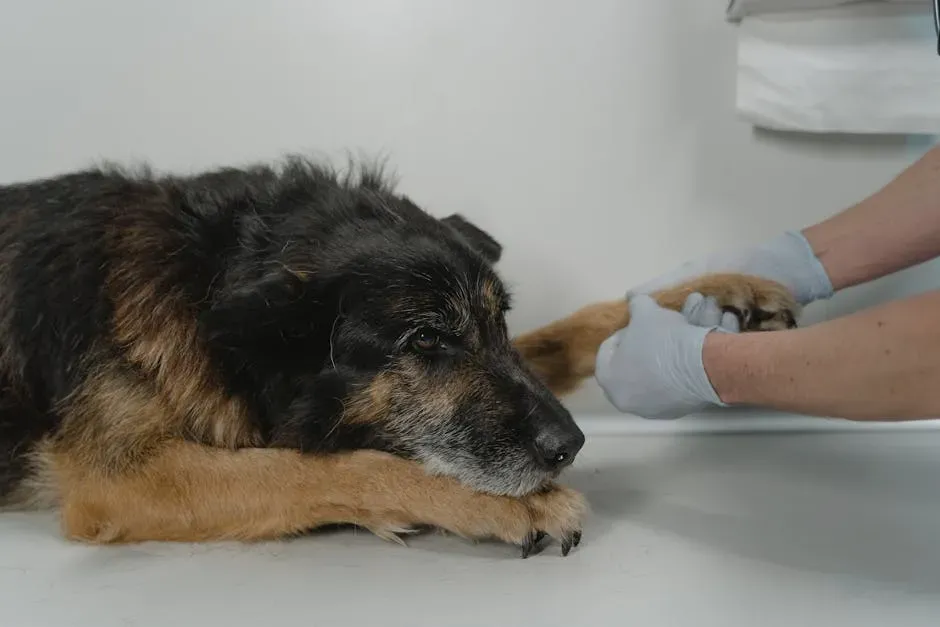
A dog that once chased balls but now ignores them may be protecting an injury or dealing with fatigue. Reduced interest often appears before limping becomes obvious. Owners sometimes interpret the shift as the pet simply growing older.
Arthritis or vision changes can make once enjoyable motions uncomfortable. Gentle observation during play sessions highlights which movements trigger hesitation. Prompt evaluation keeps small issues from turning into chronic limitations.
Paying attention to these quiet signals strengthens the bond between dog and owner in lasting ways. Small adjustments in daily observation often catch problems while they remain straightforward to manage. The real reward comes from watching a dog return to its usual self after the right support arrives.


