

The Pull of Salt and Simple Taste
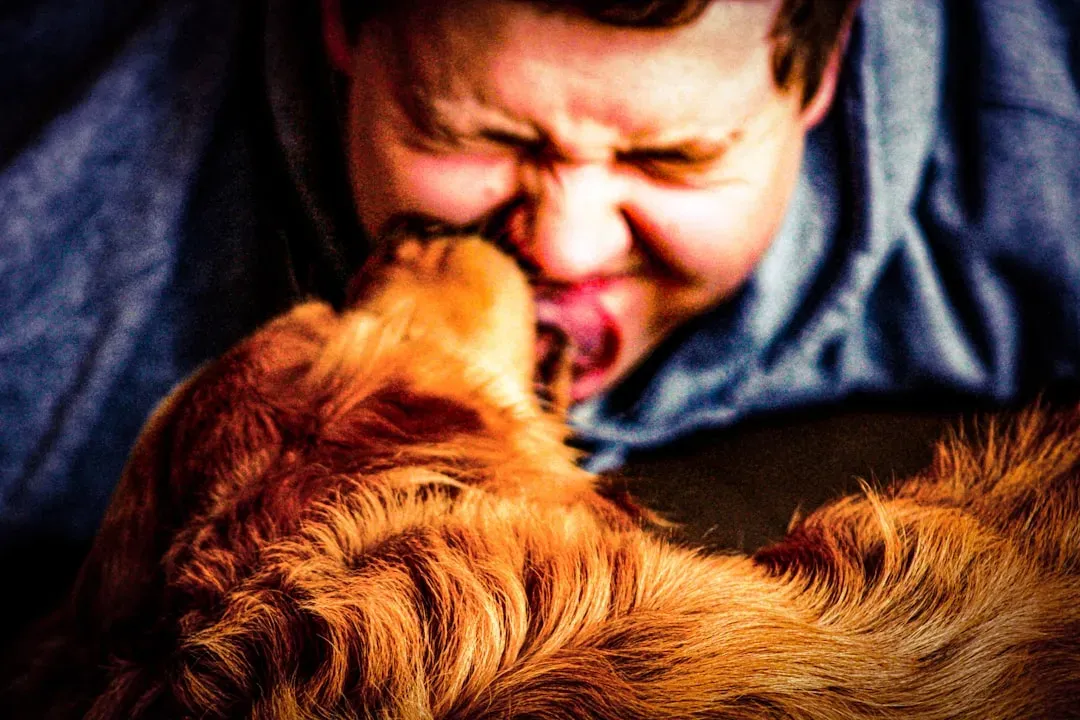
Dogs have an exceptional sense of smell and taste that guides much of their daily exploration. Tears contain salt along with other compounds, which can draw a dog in the same way a sweaty hand or spilled food might catch their interest. This basic attraction explains part of the behavior without needing any emotional layer.
Still, the licking often happens specifically during moments of distress rather than random times. Owners notice the pattern repeats when emotions run high, suggesting taste alone does not tell the full story. The combination of scent and opportunity makes the face an easy target for investigation.
Reading Human Emotions Through Scent

Emotional tears carry distinct hormones and proteins that differ from tears caused by irritation or allergies. Dogs can detect these subtle chemical changes through their powerful noses, which pick up signals humans miss entirely. This ability allows them to notice shifts in mood before visible crying even begins.
Research into canine olfaction shows dogs respond to these cues with increased attention and contact. The licking may serve as a way to investigate or remove the new scent from their environment. Such sensitivity helps explain why the behavior feels so targeted during sad or stressed moments.
Comfort Through Familiar Actions

Licking ranks among the earliest social behaviors puppies learn from their mothers and littermates. It signals care, reduces tension, and reinforces group bonds in canine society. When dogs apply this same action to a crying owner, they extend an ingrained soothing mechanism.
Studies on dog human interactions confirm that licking increases during times of owner distress. The action appears to calm both parties, releasing endorphins that ease stress for the dog while offering physical contact to the person. This overlap creates a mutual benefit that strengthens the relationship over time.
Evidence From Controlled Observations

Behavioral experiments have tracked dogs in controlled settings where owners displayed sadness or neutral states. Dogs consistently approached and licked more during emotional displays, pointing to an empathetic response rather than random curiosity. The consistency across different breeds and ages supports a deeper instinct at work.
These findings align with broader research on interspecies empathy. Dogs mirror human emotional states in measurable ways, including heart rate changes and attentive behaviors. Licking fits into this pattern as an active attempt to engage and soothe.
Why the Behavior Persists Across Generations

Domestication has amplified dogs natural sensitivity to human signals over thousands of years. Selective breeding favored animals that responded to people with affection and attention, turning licking into a reliable bridge between species. The trait survives because it delivers clear advantages in shared living situations.
Modern life keeps dogs close to human routines, so opportunities for this interaction remain frequent. Owners who reward the licking with attention or affection further encourage the habit. The cycle reinforces itself naturally without any formal training required.
Practical Ways to Respond in the Moment
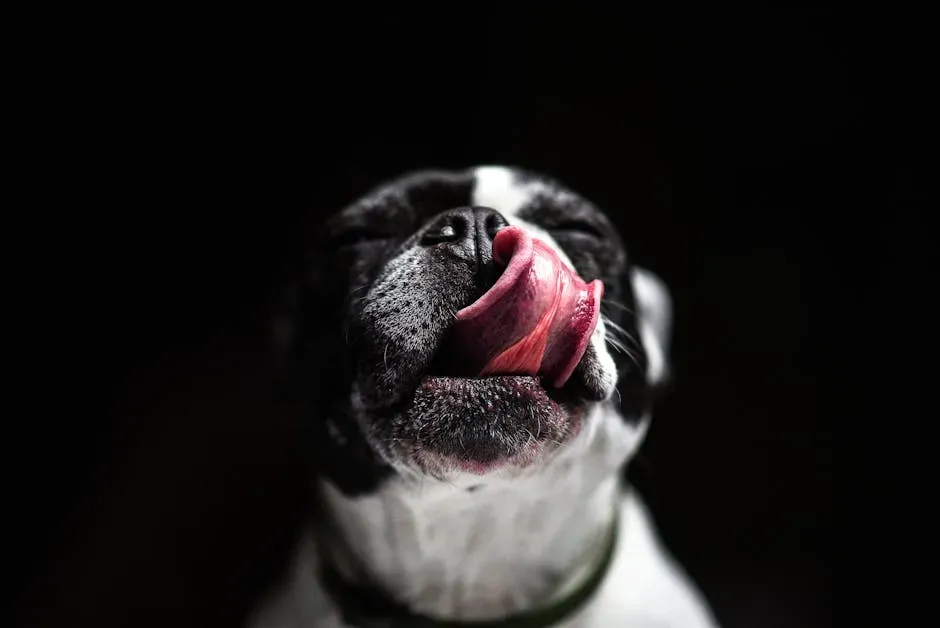
Many owners find the licking comforting during difficult times and simply allow it to continue. Others gently redirect the dog if the sensation feels overwhelming or if hygiene concerns arise. Both approaches work as long as the underlying bond stays positive and respectful.
Paying attention to context helps clarify whether the licking stems more from taste or from a desire to connect. Offering alternative comfort like petting or quiet presence can complement the dogs efforts. Understanding the dual drivers makes the interaction feel less mysterious and more meaningful.
A Quiet Reminder of Shared Connection
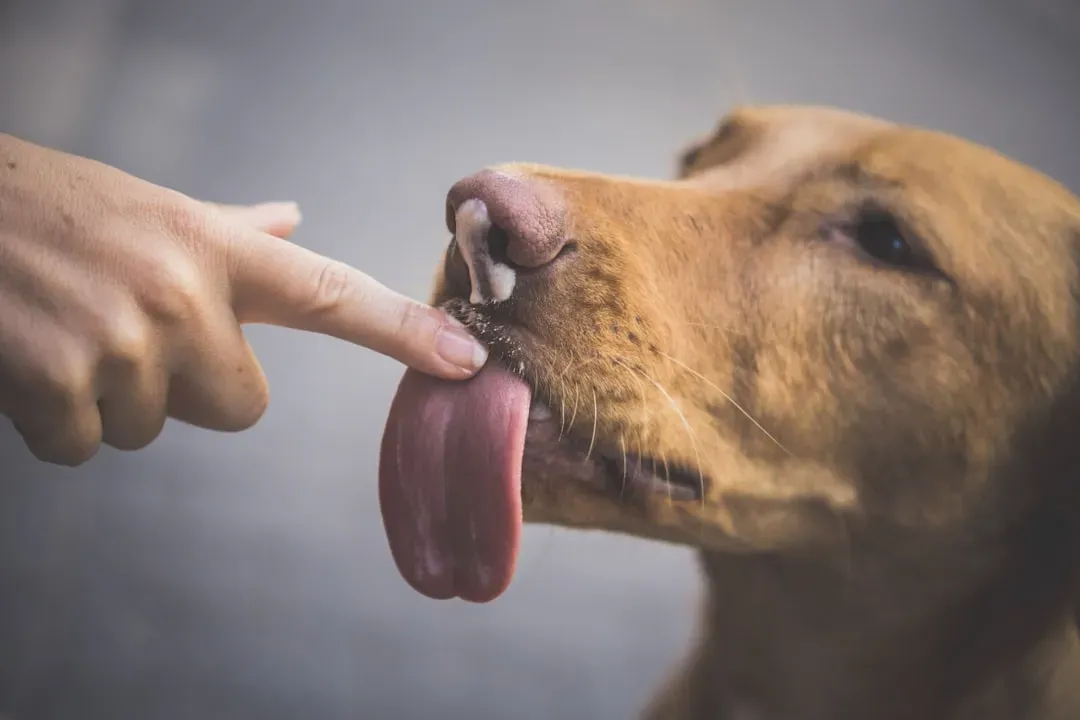
The reason dogs lick tears ultimately blends instinct with genuine attunement to human feelings. Science shows both the chemical appeal and the empathetic drive play roles, creating a response that feels remarkably personal each time it happens. This mix keeps the behavior both practical and touching.
In the end, the action serves as a small but steady sign of how deeply dogs have woven themselves into human emotional lives. It invites us to notice these everyday gestures and appreciate the quiet ways companionship shows up when words fall short. That steady presence remains one of the simplest gifts of sharing life with a dog.


