
Daily Movement That Matters

Dog owners over 55 often find themselves moving more without even planning it. A quick walk around the block turns into a habit that adds up over weeks and months. Research ties this regular activity to better mobility and fewer limitations in everyday tasks. Dog walking specifically connects to lower body mass index and more moderate exercise overall.
Those extra steps help maintain strength and balance, which matters a great deal as years pass. People who walk their dogs report feeling more capable in their daily lives. This steady routine supports physical function in ways that occasional efforts rarely match. The result shows up in how owners handle routine activities with greater ease.
Easing the Weight of Loneliness
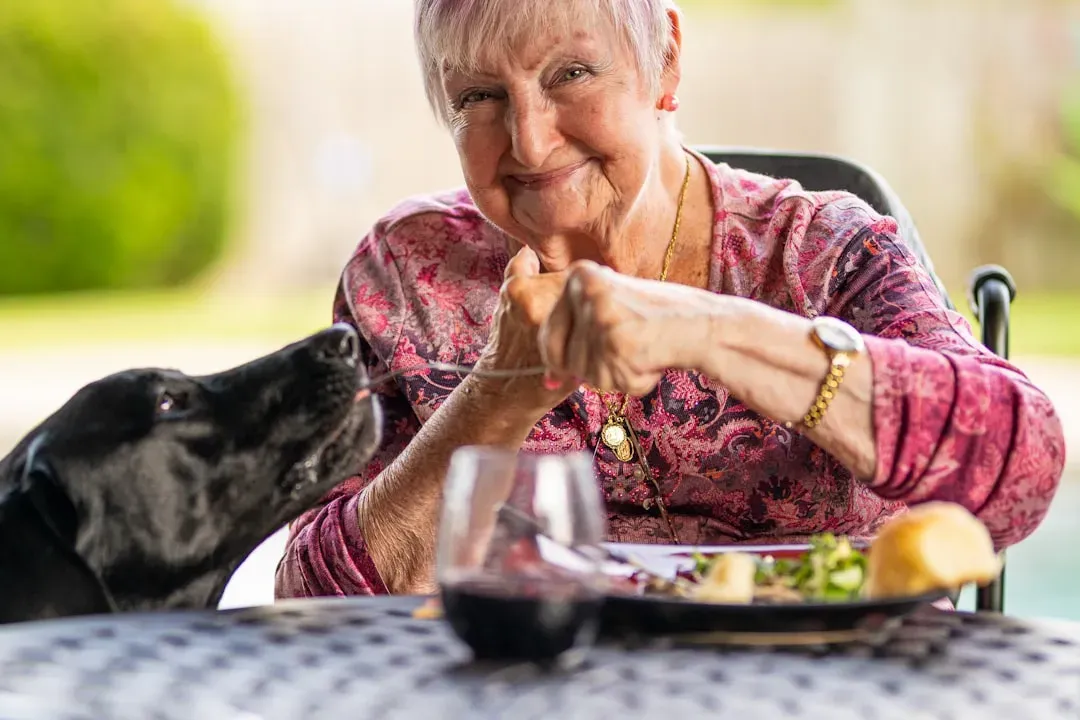
Isolation can quietly raise the chances of health issues that lead to hospital care. Dogs provide steady companionship that cuts through that feeling for many seniors. Studies link pet ownership to reduced loneliness and stronger social connections. Owners often describe a sense of purpose that comes from caring for another living being.
This emotional buffer shows in lower rates of certain mental health challenges. Social isolation itself ties to higher hospital admission risks in older groups. Having a dog around changes the daily rhythm in small but meaningful ways. The presence alone offers comfort that adds up over time.
Calming Effects on the Body

Stress levels tend to drop when a dog is part of the household. Many older adults note that interacting with their pet helps ease tension after a long day. Surveys show a majority of pet owners credit their animals with stress reduction. Lower stress supports overall resilience against common age related concerns.
Physical touch and play release feel good hormones that counter daily pressures. This effect appears consistent across different studies of seniors. The calm carries over into better sleep patterns and steadier moods. Over months, these small shifts contribute to fewer acute health episodes.
Heart Protection in Later Years

Dog ownership links to measurable advantages for cardiovascular health in several large reviews. Owners show lower blood pressure on average compared with non owners. Some data even point to reduced risk of repeat heart events in middle aged and older groups. These patterns hold after accounting for other lifestyle factors.
Regular activity from dog care plays a role alongside the emotional benefits. Heart disease remains a leading concern for people past 55. The combination of movement and companionship appears to offer protective layers. Findings from national registers support these associations in broad populations.
Social Connections That Grow Naturally

Dogs act as natural icebreakers during neighborhood outings. Owners meet others at parks or on walks in ways that build casual networks. These interactions add layers of support that combat isolation over time. Research highlights how pet ownership boosts feelings of social connection among older adults.
Stronger ties often translate into practical help during minor health dips. People with pets report higher life satisfaction tied to these relationships. The social element complements the physical and emotional gains. It creates a web of small advantages that support staying independent longer.
A Sense of Routine and Responsibility

Caring for a dog imposes gentle structure on the day. Feeding times, grooming, and play create predictable anchors that many seniors value. This responsibility keeps minds engaged and bodies active without feeling like a chore. Studies connect such routines to better cognitive function in later life.
The sense of being needed adds motivation that pure self care sometimes lacks. Owners describe how their dogs encourage them to stay consistent with habits. These patterns support mental sharpness alongside physical health. The overall effect helps maintain a fuller, more balanced life.
The Bigger Picture of Savings and Well Being

Broader estimates suggest pet ownership could trim significant health care costs for seniors. One analysis links reduced social isolation from pets to lower Medicare spending in the billions annually. Fewer doctor visits and hospital stays appear in patterns tied to dog ownership. These savings reflect real differences in how people navigate aging.
While challenges like costs exist, the health associations stand out in multiple reports. Dog owners often experience the benefits most clearly through daily life. The data paint a picture of simple choices yielding measurable returns. Adopting a dog after 55 offers one path toward staying healthier and more active for longer.


