

Dogs carry memories in ways that surprise even longtime owners. A sudden departure can leave traces that surface months or years later in small, telling moments. Those moments often reveal how deeply a bond once ran and how slowly it fades.
Persistent Vigil at the Door
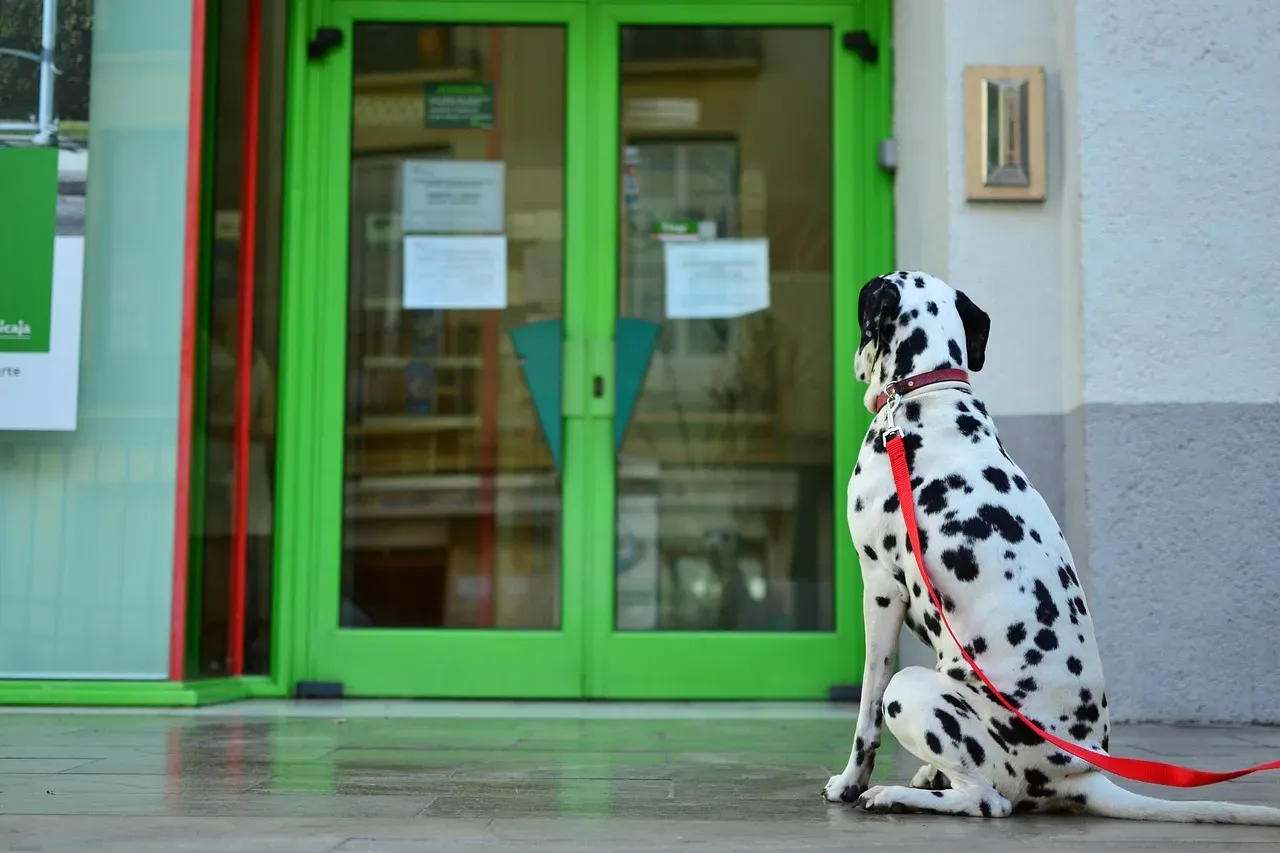
Many dogs return to the spot where their person last walked out. They sit or lie there for extended periods, ears perked at every passing sound outside. This habit can continue long after the person has gone, turning an ordinary doorway into a quiet watch post.
The behavior often intensifies at the same time of day the person used to come home. Owners notice the dog grows restless or refuses to settle elsewhere until the imagined arrival time passes. Over time the vigil may shorten, yet it rarely disappears completely.
Strong Reactions to Familiar Scents
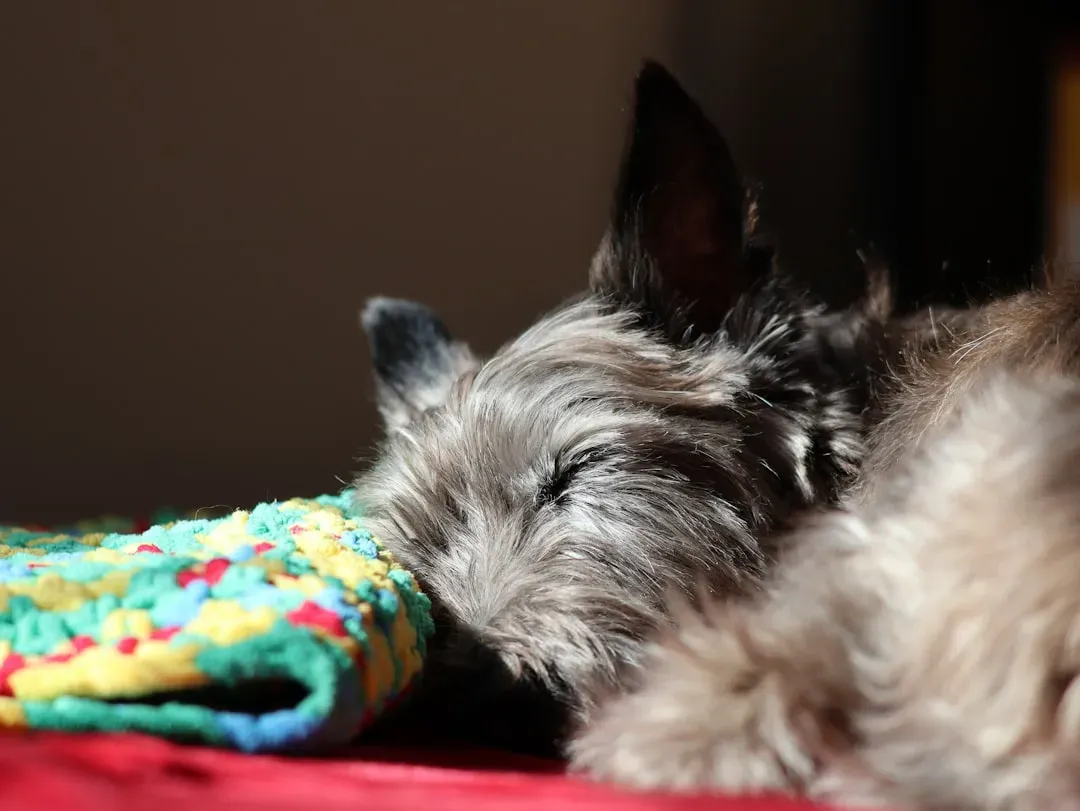
A discarded shirt or old blanket can trigger intense sniffing sessions that last several minutes. The dog may press its nose into the fabric and then look around as if expecting someone to appear. These reactions show how scent memory stays vivid even when visual cues are absent.
Some dogs carry the item to their bed or favorite resting spot afterward. They treat it with unusual care, avoiding chewing or rough play. The attachment to that single smell can persist for years.
Changes Around Similar Looking Strangers
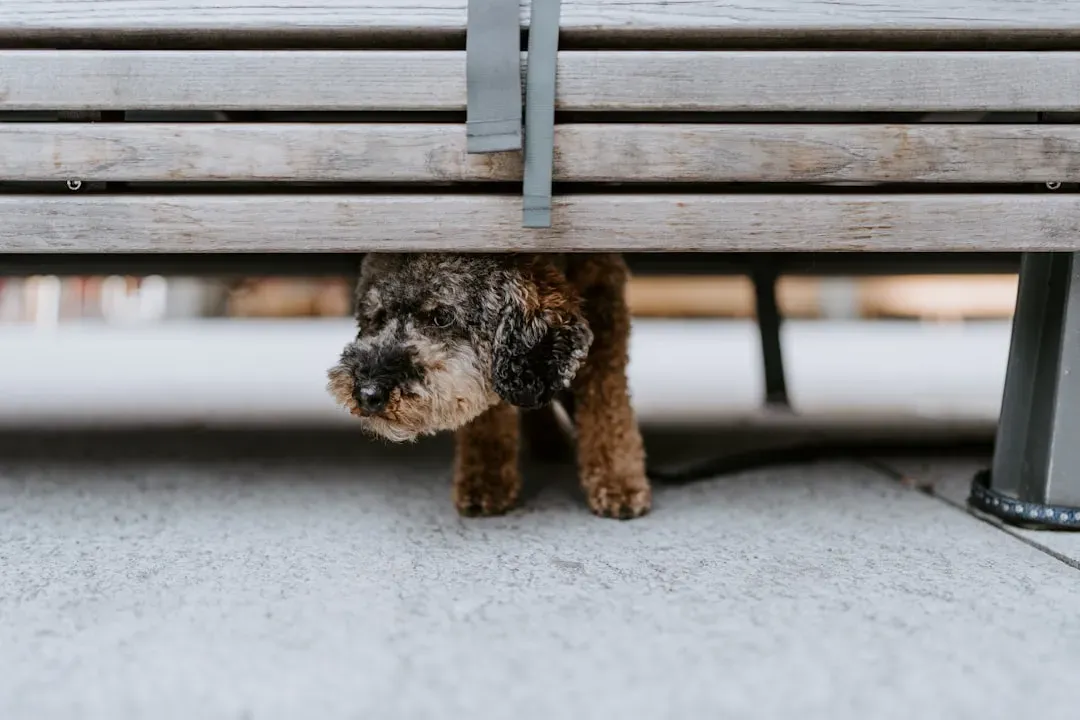
When a new person enters with comparable height, voice tone, or gait, the dog may freeze or approach with unusual caution. The initial excitement quickly shifts to disappointment once closer inspection reveals the difference. This pattern repeats across multiple encounters.
Owners report the dog sometimes follows the stranger for a short distance before losing interest. The brief hope followed by clear letdown suggests the animal is comparing the newcomer to a stored memory. Such moments occur more often than most people expect.
Altered Sleep Patterns and Dreams
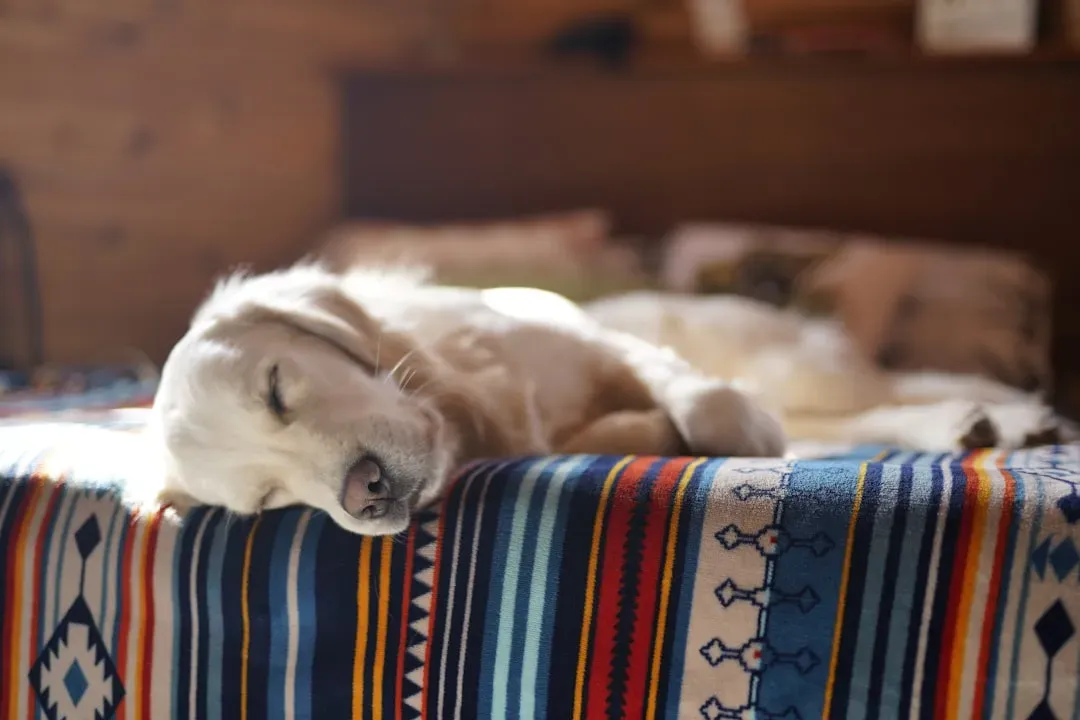
Dogs sometimes twitch or make soft sounds during sleep that match behaviors they showed with the missing person. The movements appear purposeful rather than random, as if replaying past interactions. These episodes can happen weeks or months apart.
Owners who track sleep notice the dog wakes more alert after these dreams and scans the room. The quick search for a familiar face that is no longer there points to an active memory at work. Over time the frequency may decrease, but occasional nights still bring the old patterns back.
Protective Behavior Toward Personal Items
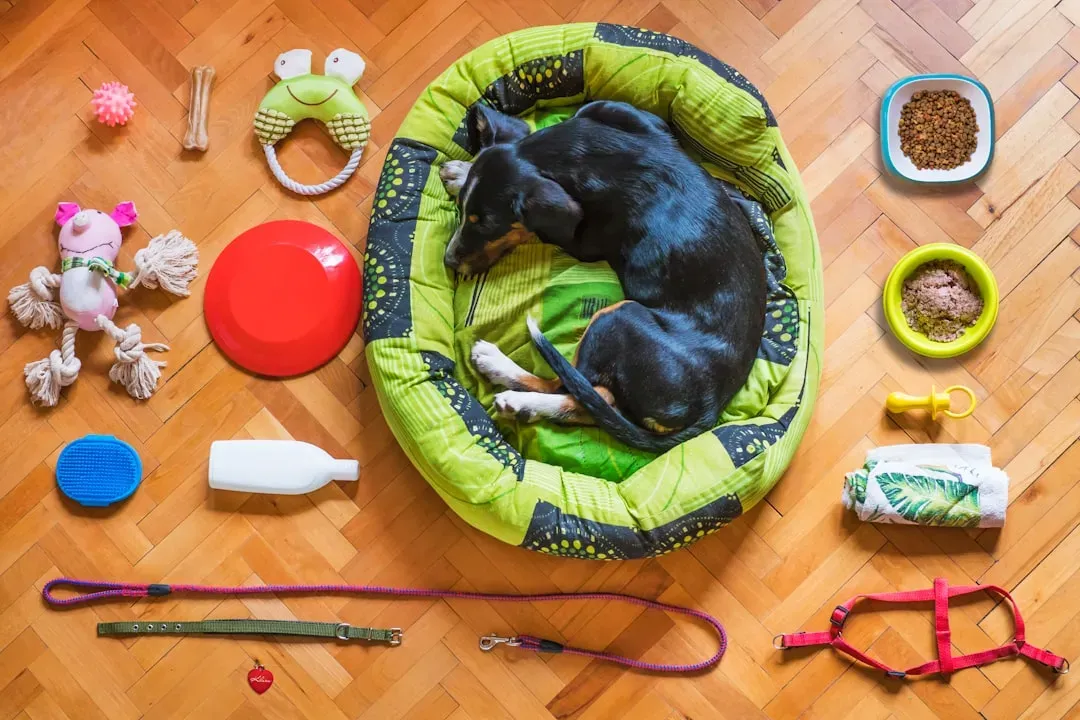
A favorite mug, pair of shoes, or even a worn collar can become guarded objects. The dog may lie beside them or gently move them to safer locations within the house. Rough handling by others sometimes draws a low growl or quick intervention.
This protectiveness extends beyond simple toy guarding. The items seem to carry emotional weight rather than play value. Owners learn to leave these objects undisturbed because removing them often leads to restless pacing.
Heightened Response to Old Routines
Feeding times, evening walks, or weekend car rides that once involved the missing person can still spark anticipation. The dog may wait by the leash hook or sit by the car door at the usual hour. When the routine proceeds without the expected companion, energy levels drop noticeably.
Some dogs refuse treats or toys during these moments until the familiar sequence ends. The contrast between initial readiness and later withdrawal highlights how the memory of shared activities lingers. Routine itself becomes a trigger that refuses to fade.
Unusual Vocalizations at Certain Triggers

A particular song, television commercial, or even the sound of a distant engine can prompt soft whines or short barks. The vocalization stops once the sound ends, suggesting a direct link rather than general anxiety. Owners who keep notes often trace the trigger back to something the absent person did regularly.
These sounds differ from attention seeking barks. They carry a quieter, almost questioning quality. The pattern tends to appear in the same setting each time, reinforcing the connection to a specific memory.
Preference for Certain Locations in the Home

Dogs sometimes claim a chair, corner of the couch, or patch of floor that belonged to the missing person. They settle there even when more comfortable spots are available. Attempts to redirect them often meet quiet resistance.
The chosen spot may receive extra attention during grooming or toy placement. The dog treats the area as a small shrine rather than just another resting place. This spatial loyalty can last well beyond the initial adjustment period after the person left.
Selective Attention to Photos or Videos
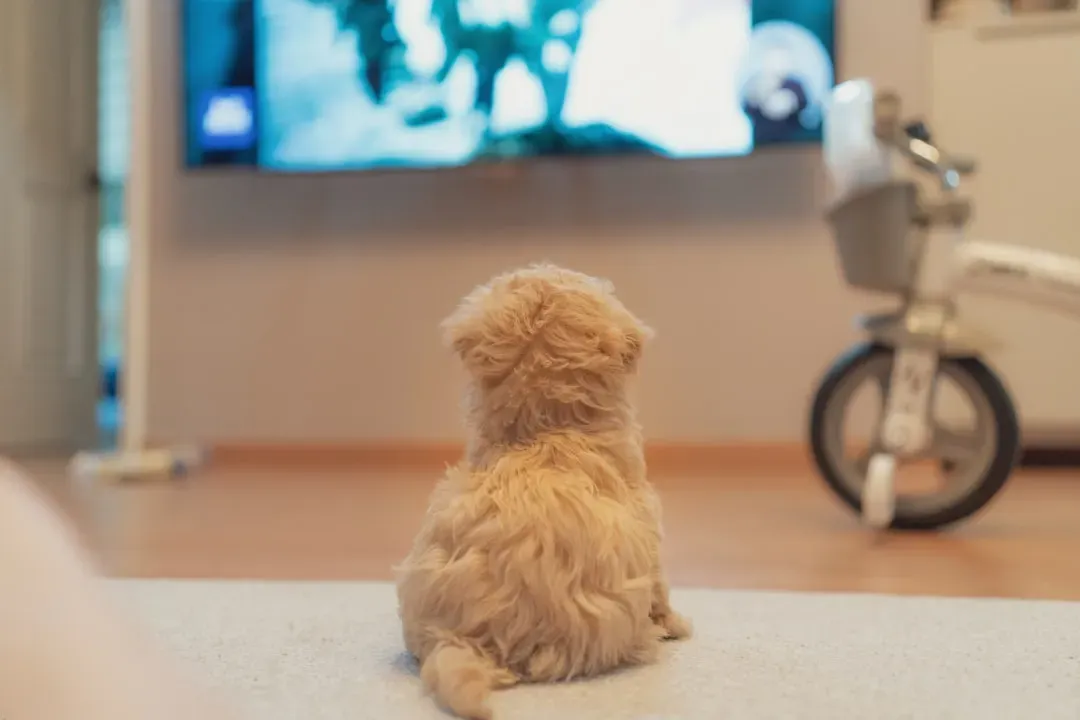
When a phone or tablet displays an image or clip of the absent person, some dogs pause and focus intently. They may tilt their head or move closer to the screen before losing interest. The reaction is brief yet consistent across different devices.
Owners who test this response find it does not occur with random images of other people. The selective focus suggests recognition rather than simple curiosity about moving pictures. Over months the intensity may lessen, but the initial pause remains noticeable.
Lingering Sadness During Holidays or Anniversaries

Certain dates that once involved the person can bring a noticeable drop in energy or appetite. The dog may spend more time alone or show less enthusiasm for usual activities. The shift often lasts only a day or two yet repeats on the same calendar markers.
Owners who compare behavior across years see the pattern hold steady. The sadness appears tied to memory rather than current events. It serves as a quiet reminder that time does not erase every attachment.
Gradual Reattachment to New People Remains Cautious

Even when a new caregiver provides consistent love and routine, the dog may keep a small emotional distance. Trust builds slowly, and full relaxation around the replacement person can take longer than expected. Small setbacks, such as a change in schedule, sometimes reopen the earlier reserve.
This cautious approach differs from dogs who never experienced abandonment. The animal seems to weigh new bonds against the memory of the one that ended abruptly. Over time genuine affection develops, yet a trace of wariness often stays present.
Dogs teach us that loyalty runs deeper than daily presence. Their quiet reminders of someone gone show how much room they once made in their lives. Choosing to honor that capacity for memory may be the most lasting way to respect the bond they still carry.


