
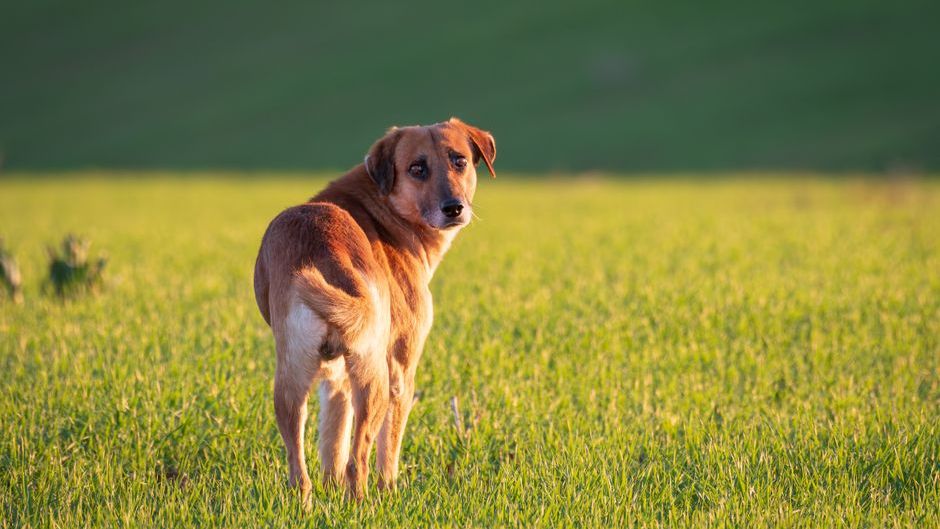
You have probably seen it countless times. Your dog pauses mid stride, turns its head, and meets your eyes for a second before continuing on. It feels like a simple check in, yet the behavior runs deeper than most owners realize.
That glance carries layers of communication, instinct, and relationship that go far beyond confirming your presence on the path.
The Glance as Shared Experience
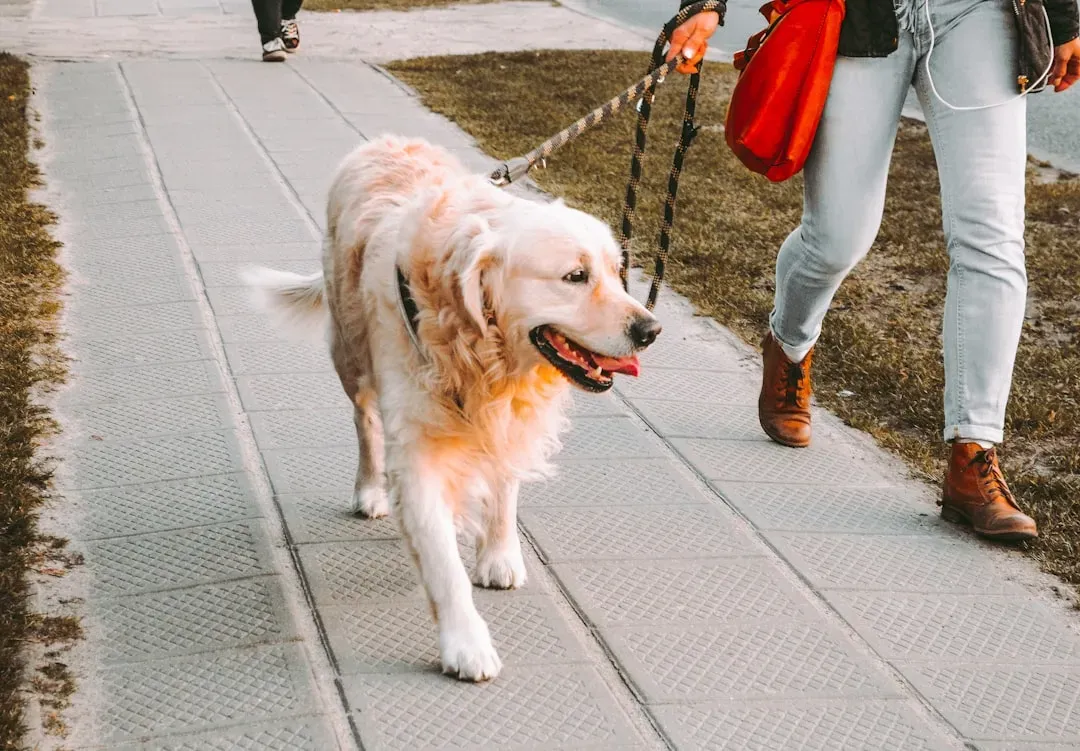
Dogs often look back because they treat the walk as a joint activity rather than a solo outing. They want to align their pace and direction with yours in real time. This small action keeps the two of you moving as a unit through changing surroundings.
Over repeated walks the habit strengthens because it reinforces a sense of togetherness. The dog learns that these quick checks help maintain the rhythm you both enjoy. It becomes a quiet way of saying the adventure belongs to both of you.
Reading Subtle Cues From You
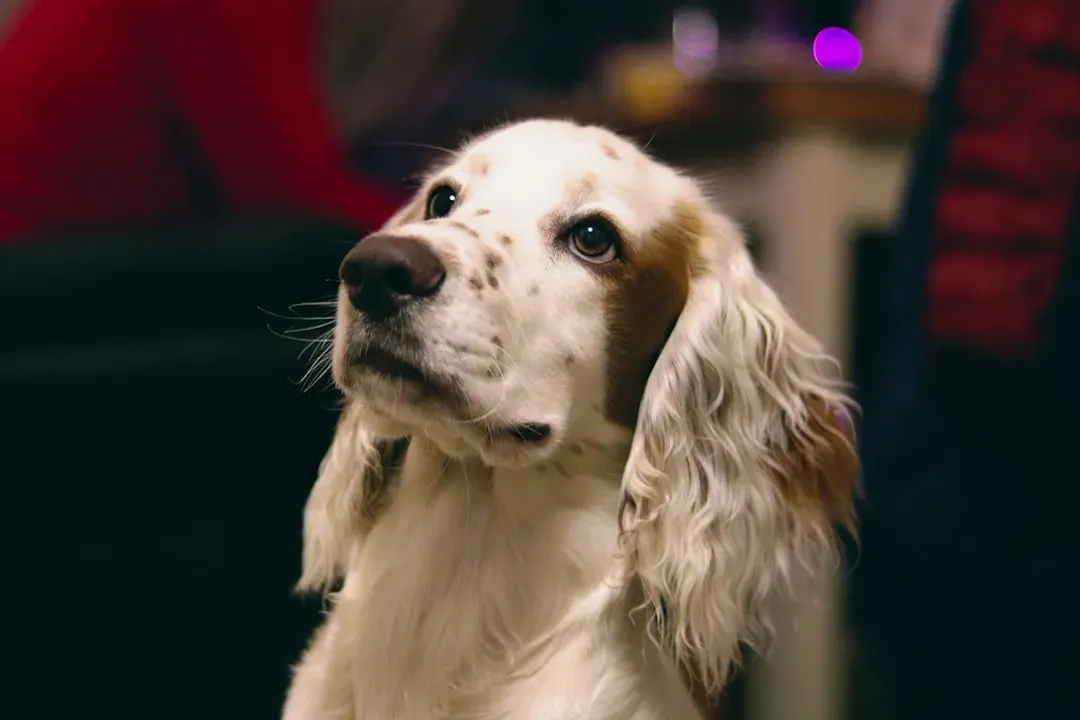
Many dogs glance backward to pick up on small shifts in your posture or speed. A slight slowing of your step or a change in breathing can signal that you need a moment or that something ahead interests you. The look allows the dog to adjust before you even speak.
This sensitivity comes from years of living closely with humans. Dogs notice details we overlook, and the backward glance turns those observations into immediate action. It shows how attuned they stay to our unspoken signals throughout the day.
Roots in Pack Coordination
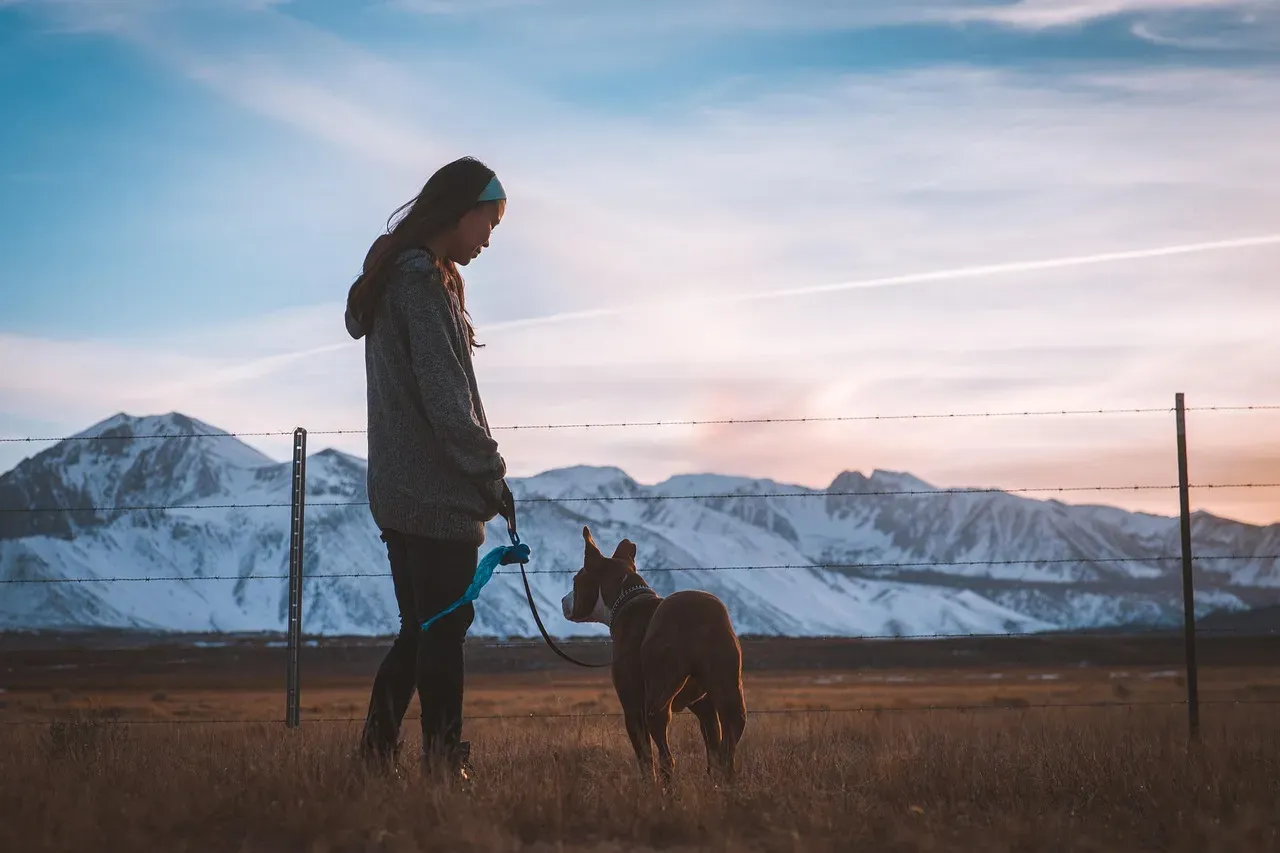
Wild canids coordinate movement by watching one another during travel. Domestic dogs carry forward a version of that behavior even on a city sidewalk. The look back helps them stay oriented within the small pack formed by you and them.
Instead of scanning for danger alone, the dog includes you in its awareness. The glance keeps everyone accounted for without breaking stride. It is an old pattern updated for life on a leash.
How Daily Routines Reinforce the Habit
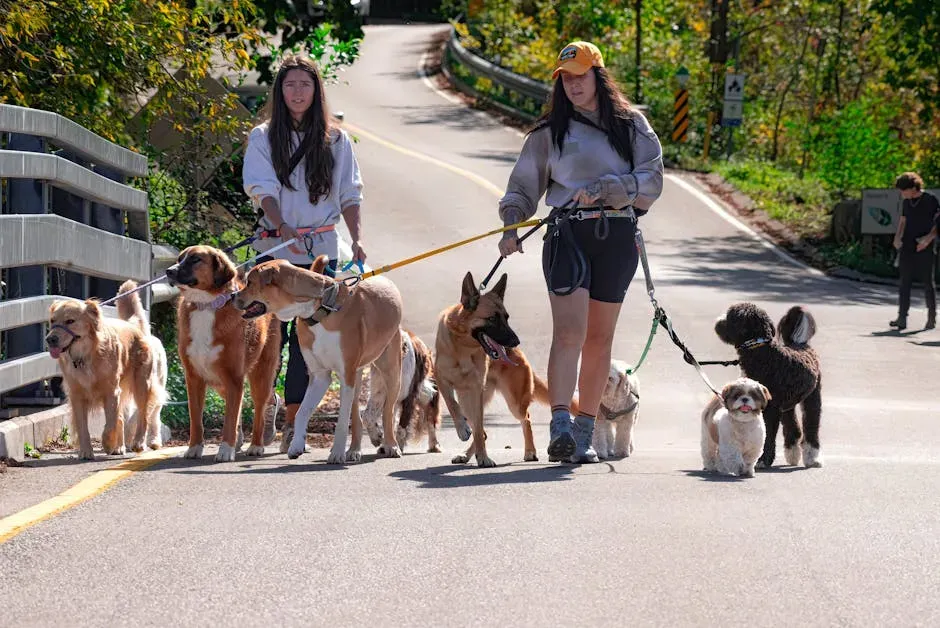
Regular walks create predictable moments when the dog expects feedback from you. A treat, a word of encouragement, or simply continued forward motion can all arrive after that glance. The behavior gets rewarded naturally through the flow of the outing.
Over time the pattern settles into muscle memory for both sides. You may not notice you are responding, yet the dog registers every small confirmation. The routine turns a simple head turn into a reliable thread running through each day.
When the Look Signals Curiosity or Caution
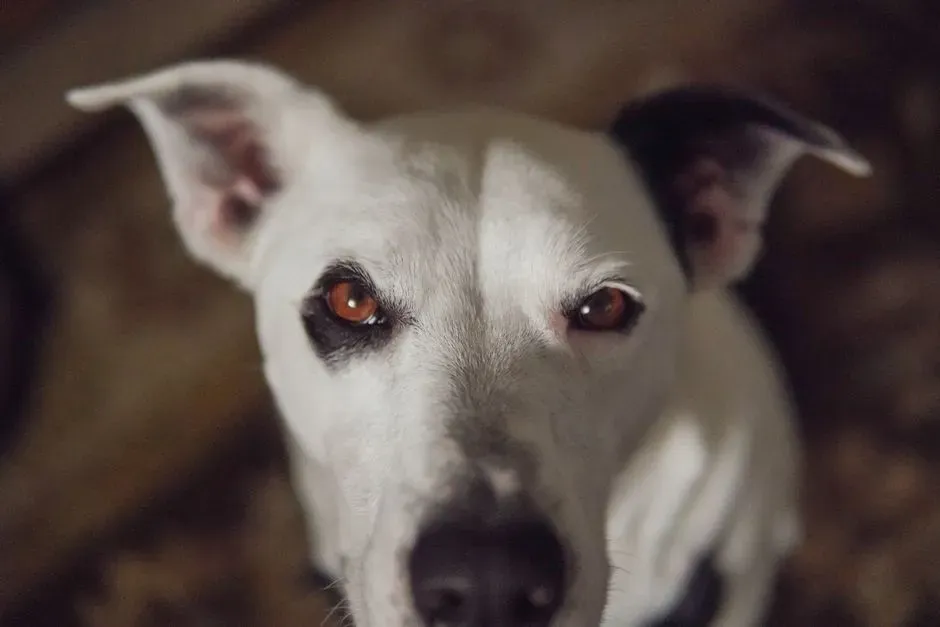
Sometimes the glance appears because something new has caught the dog’s attention just ahead. It checks whether you have noticed the same sound or smell before deciding how to proceed. The look invites you into the discovery rather than acting alone.
In other moments the glance reflects mild uncertainty about the route or an approaching stranger. The dog gathers reassurance from your calm presence before moving forward. These brief pauses help the animal feel steadier in an unpredictable world.
The Influence of Breed and Individual Temperament
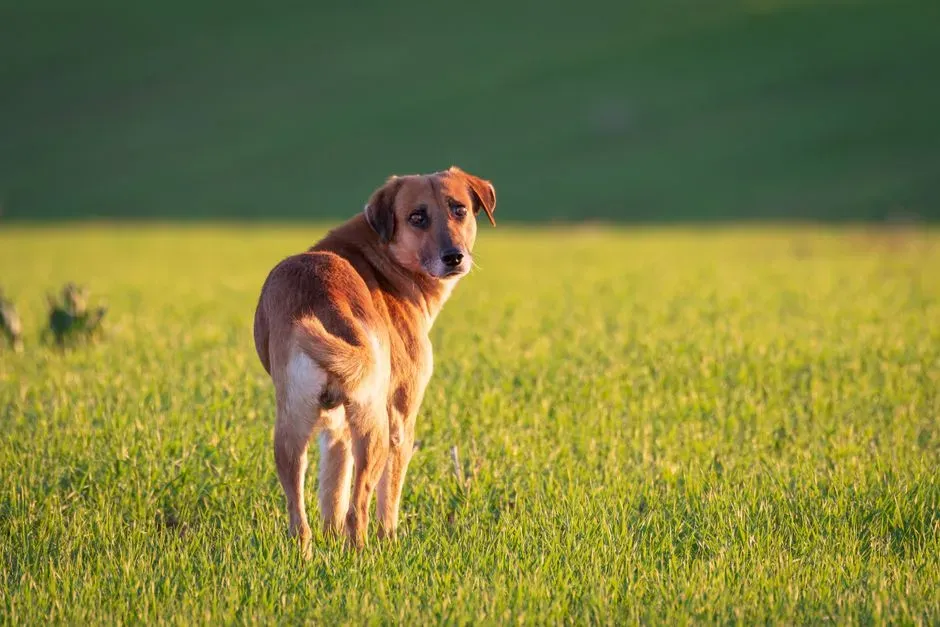
Some breeds developed stronger tendencies to monitor their humans because of the work they once performed. Herding dogs and retrievers often show this behavior more frequently than independent hunters. Individual personality also plays a role, with more attached dogs glancing back more often.
Age and past experiences shape the pattern too. A dog that once got separated may look back more frequently as a learned safety measure. Each animal brings its own history to the simple motion of turning its head.
Small Moments That Strengthen Daily Life
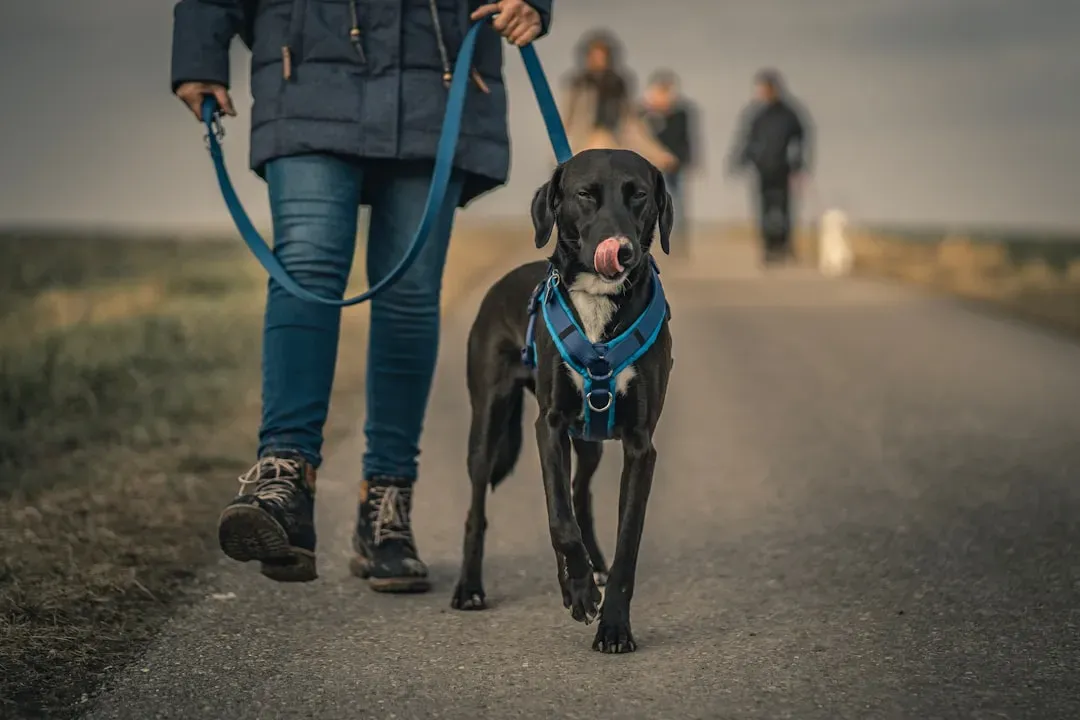
These glances add up across weeks and months into a quiet language between you and your dog. They mark trust built through ordinary routines rather than dramatic events. Paying attention to them can make walks feel more connected without any extra effort.
Owners who respond with a soft word or a gentle tug on the leash often notice the behavior becomes even more relaxed over time. The exchange stays light yet meaningful in the middle of busy days.
Ultimately these backward looks remind us that dogs experience the world with us rather than simply beside us. The habit invites us to slow down and notice the small exchanges that make the ordinary walk feel like a shared story worth continuing.


