
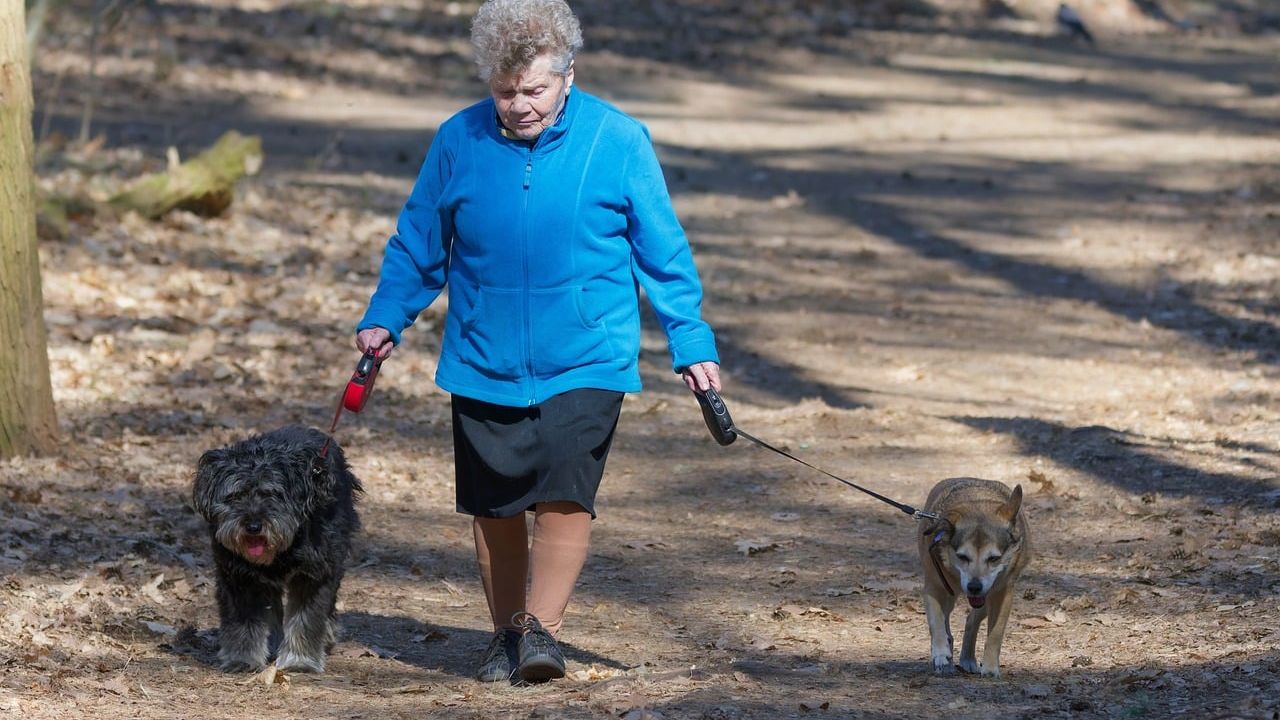
Plenty of dogs reach their later years looking a bit slower, a bit stiffer, yet some seem to keep their spark well past the average. The difference often comes down to quiet habits that add up over time rather than any single dramatic change.
Owners who manage this extra stretch of healthy years tend to notice small shifts early and adjust without fanfare. Their approach feels less like a checklist and more like an ongoing conversation with the dog in front of them.
They Book Vet Visits More Often Than the Calendar Suggests
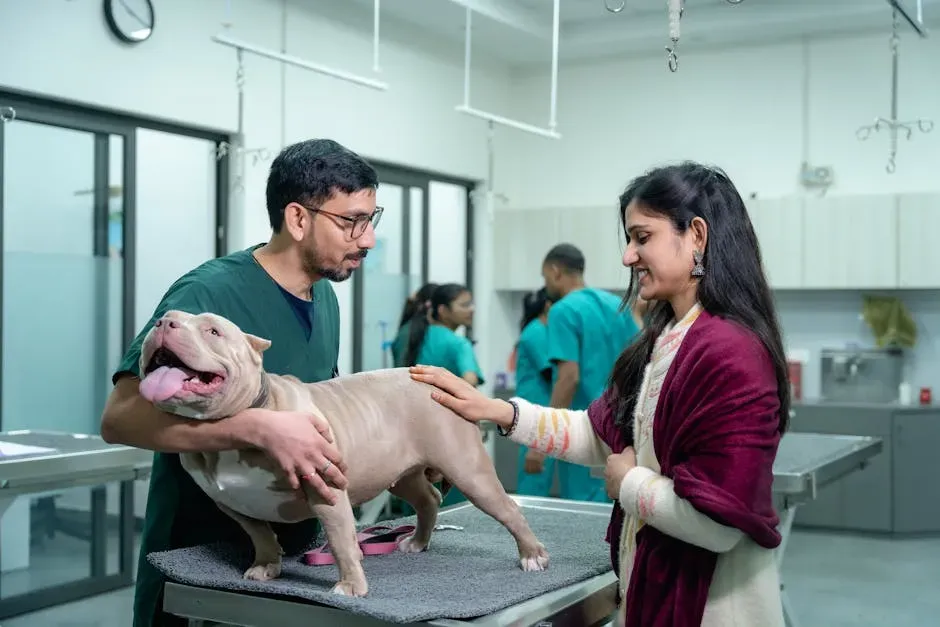
Twice a year checkups become the baseline once a dog crosses into senior territory. These owners catch small shifts in bloodwork or mobility before they turn into bigger problems that shorten life.
They also keep a running list of questions between appointments instead of waiting for an emergency. That steady rhythm lets the veterinarian spot patterns that might otherwise slip by unnoticed.
They Switch to Food Formulated for Aging Joints and Organs

Senior formulas usually carry controlled calories along with added glucosamine or omega fatty acids. Owners who make the switch notice steadier energy and fewer digestive complaints within weeks.
They read labels carefully and avoid simply buying whatever is on sale. The right balance supports kidney and heart function without overloading an older metabolism.
They Trade Long Walks for Shorter, More Frequent Outings
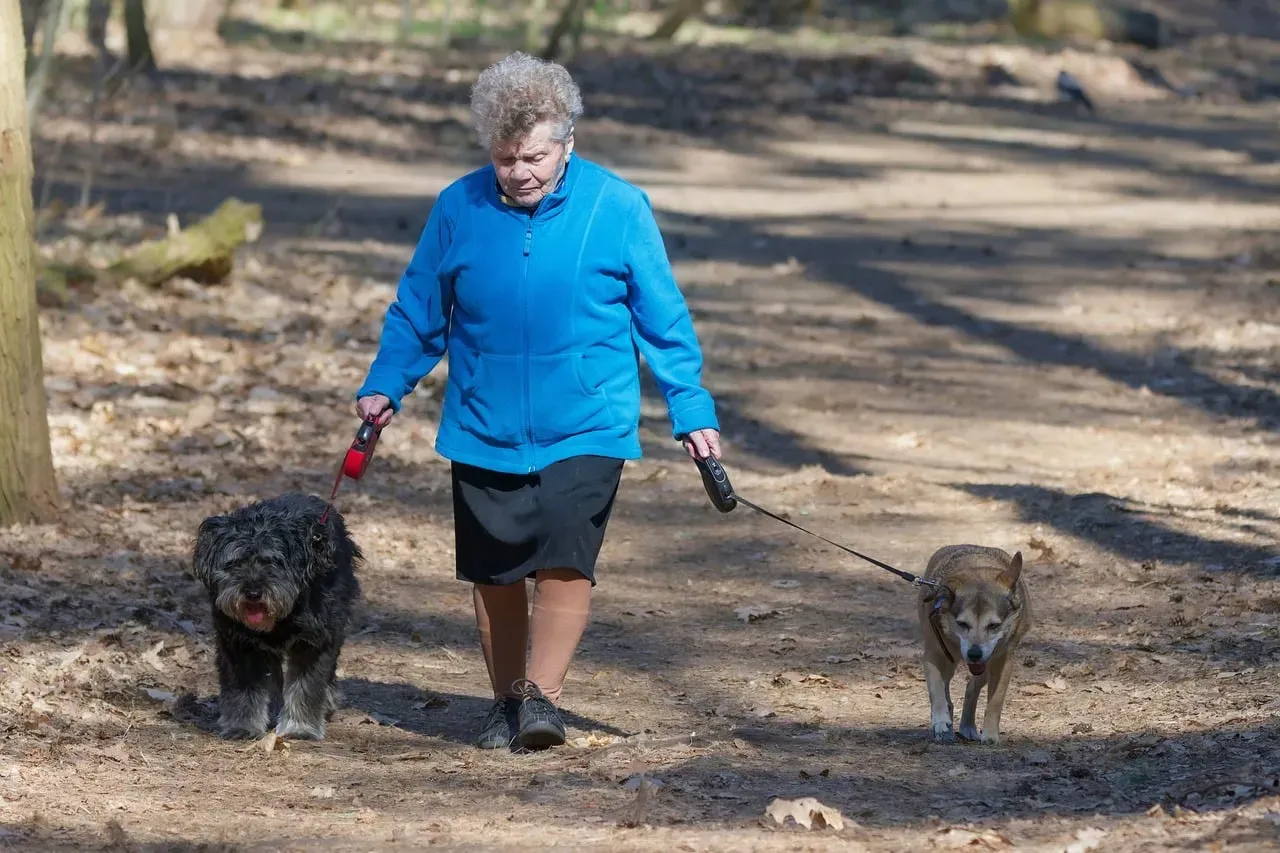
Instead of one exhausting trek, they break activity into several gentle sessions each day. This keeps muscles warm and circulation moving without stressing arthritic joints.
They watch for signs of fatigue and turn back early when needed. The result is consistent movement that preserves strength rather than wearing it down.
They Treat Dental Care Like a Daily Non Negotiable
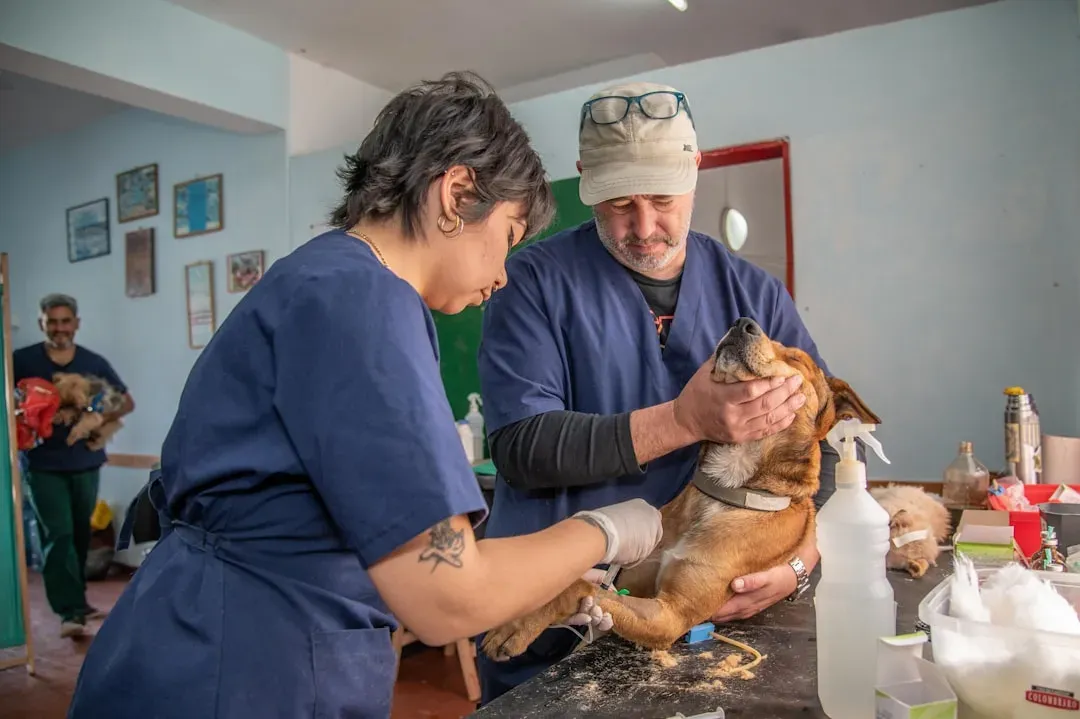
Brushing or using dental wipes becomes part of the evening routine. Owners who stay consistent see fewer infections that can spread to the heart or kidneys over time.
They also schedule professional cleanings when the veterinarian recommends them. Clean teeth reduce overall inflammation and help a senior dog feel more comfortable eating.
They Add Joint Supplements Without Waiting for Limping to Appear

Glucosamine, chondroitin, and fish oil enter the bowl well before stiffness shows up. Many owners report smoother movement and easier rising from naps after a few months of steady use.
They choose products backed by some research and stick with the same brand for reliable dosing. Prevention here often delays the need for stronger pain medications later.
They Keep Weight in a Narrow Healthy Range
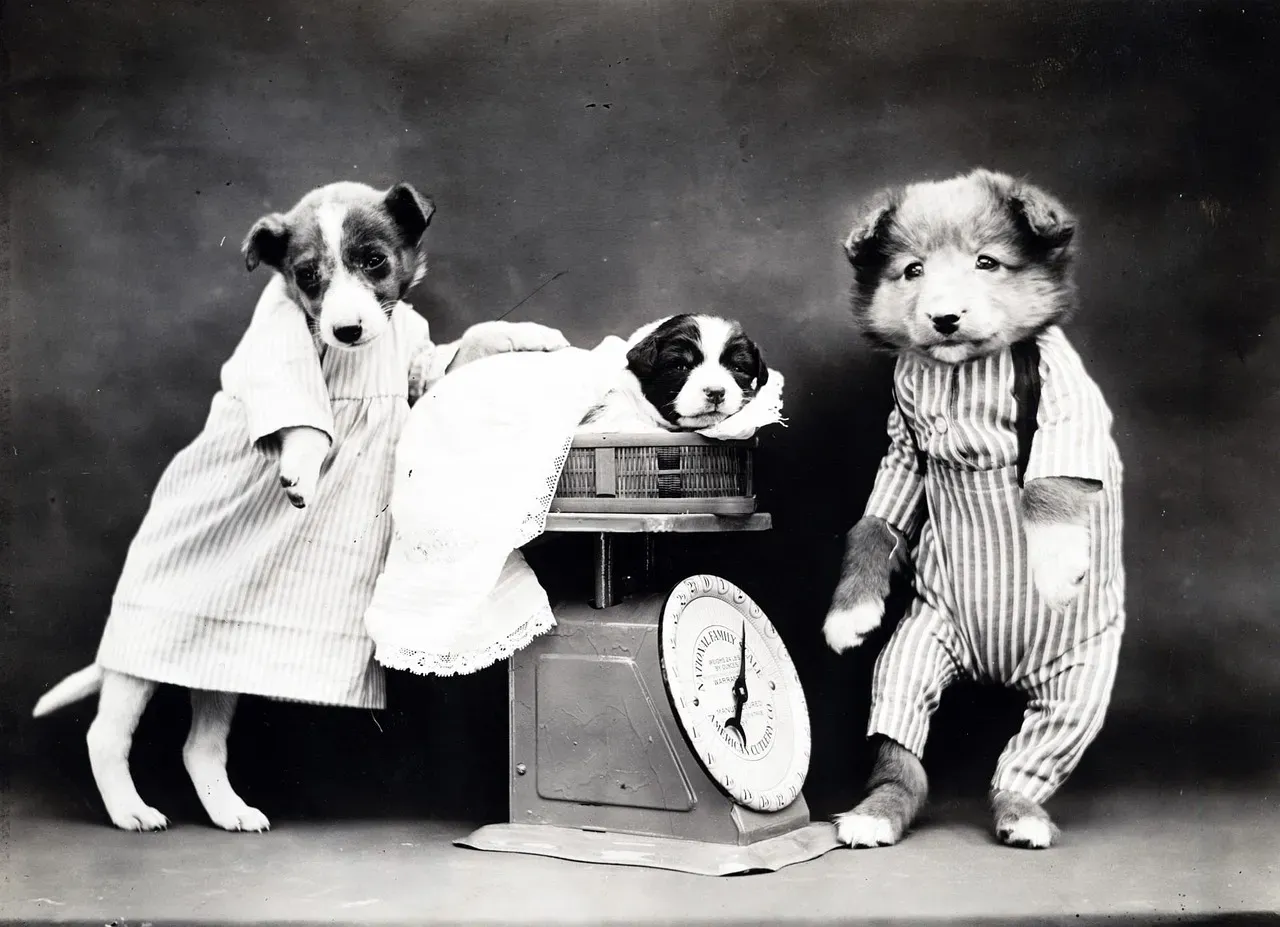
Extra pounds place extra strain on hips and the heart, so these owners weigh their dogs regularly at home. They adjust portions quickly when the scale creeps upward even slightly.
Treats stay modest and are often replaced with carrot slices or green beans. The discipline pays off in longer mobility and fewer breathing issues during warm weather.
They Offer Puzzle Toys and Short Training Sessions
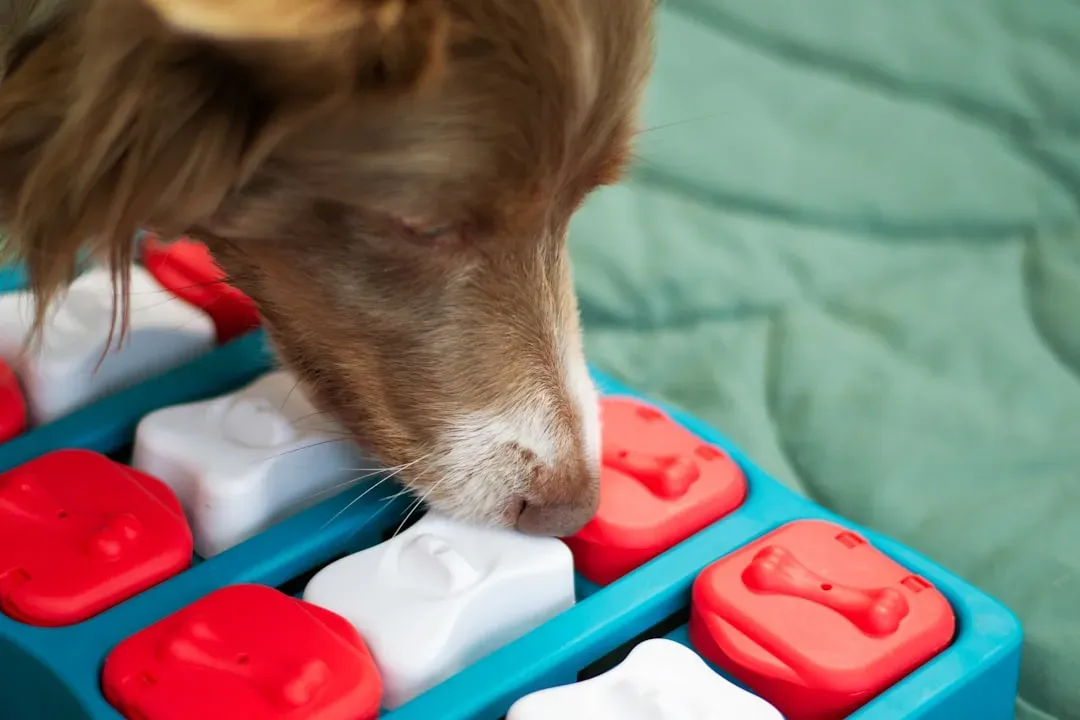
Mental engagement stays part of the week even when physical play slows down. Simple food puzzles or scent games keep the brain active and reduce signs of confusion.
They keep sessions brief so the dog stays interested rather than frustrated. The mental workout supports overall alertness and can ease anxiety that sometimes accompanies aging.
They Create Multiple Comfortable Resting Spots Around the House
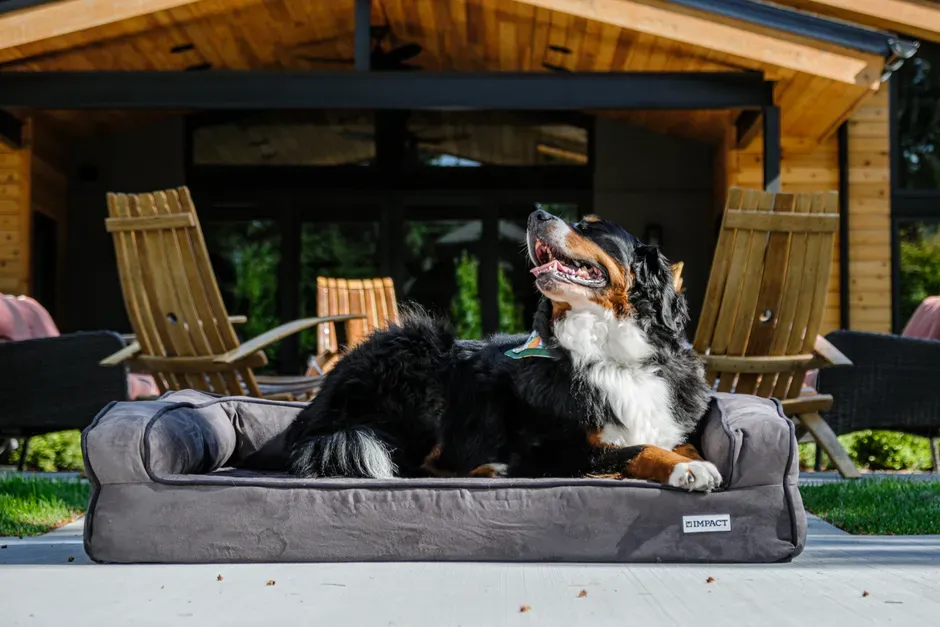
Orthopedic beds appear in several rooms so the dog never has to climb stairs or jump onto furniture. Ramps and nonslip rugs appear in the same thoughtful way.
These owners notice which surfaces their dog prefers and replicate that comfort everywhere. Easy access to favorite spots reduces stress and helps preserve independence.
They Track Subtle Changes in Appetite or Bathroom Habits
A slight drop in food interest or one extra accident gets written down instead of dismissed. Early notes help the veterinarian connect dots during the next visit.
They also photograph lumps or gait changes on their phones for quick sharing. That level of observation turns small worries into manageable adjustments before they grow.
They Keep Daily Routines Predictable and Calm
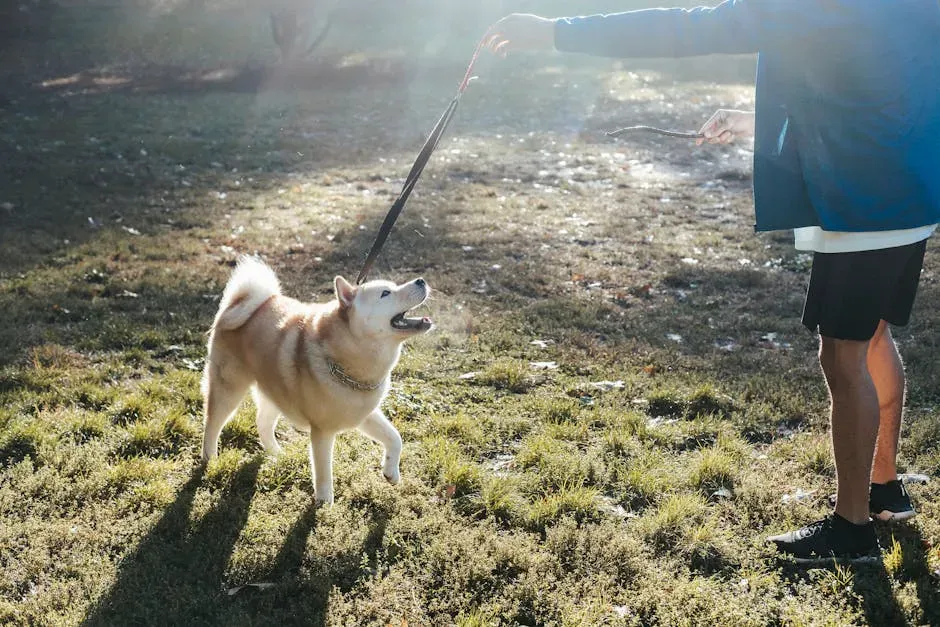
Feeding times, walk routes, and bedtime stay roughly the same from one day to the next. Predictability lowers stress hormones that can wear on an older immune system.
They introduce any new people or environments slowly and with plenty of familiar cues nearby. The steady rhythm gives the dog confidence and often translates into better sleep and appetite.
Conclusion
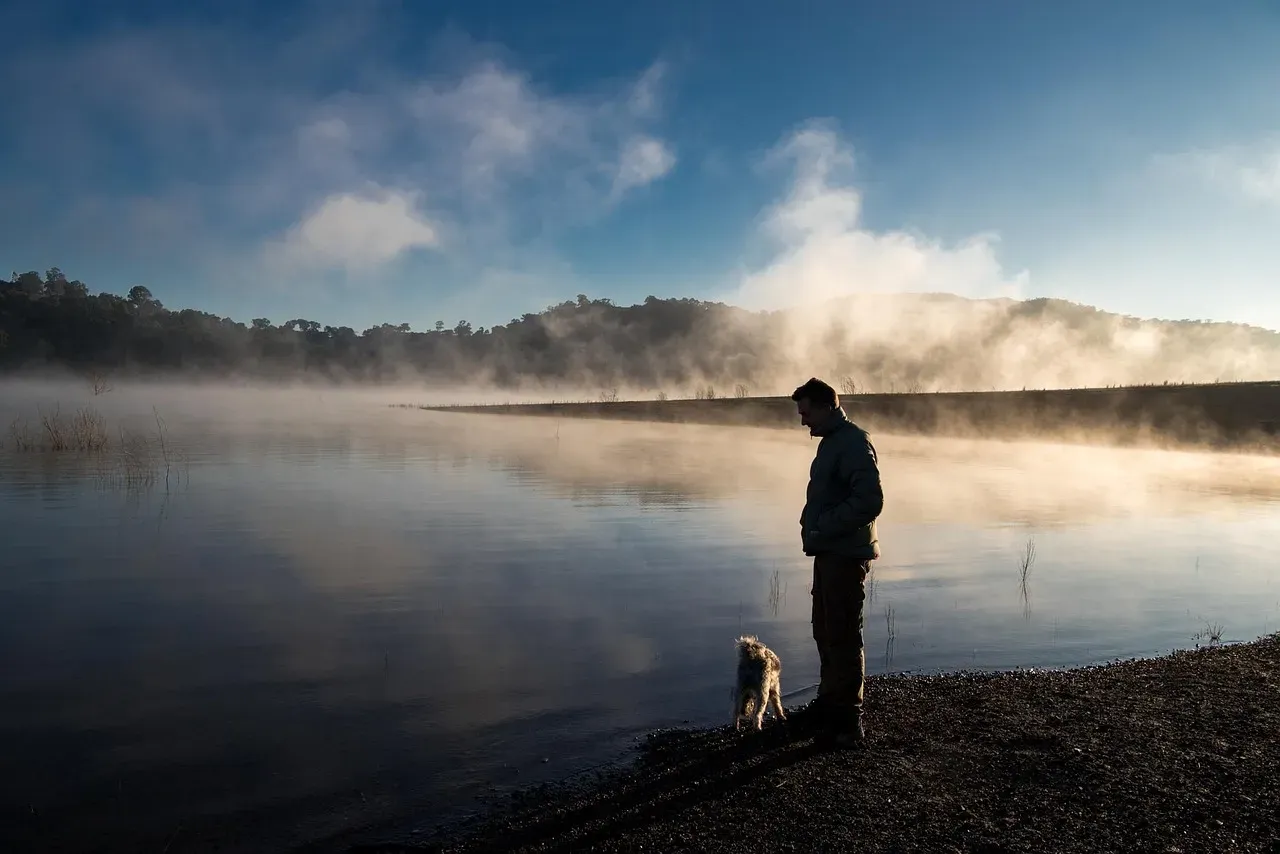
These habits do not require expensive gadgets or dramatic lifestyle overhauls. They ask instead for steady attention and a willingness to adapt as the years pass.
Owners who follow through often describe the extra time as ordinary days that simply add up. In the end the real gift is more ordinary mornings together rather than any single heroic rescue.


