
People often talk about the special connection they share with their dogs, but recent research has started to show just how physical that link can become. A study from 2024 found that dogs and their owners experience matching patterns in heart rate variability during calm interactions, pointing to a shared emotional state that goes beyond simple affection.
This kind of synchronization appears more pronounced in certain breeds known for their cooperative nature and sensitivity to human cues. The following nine stand out for the depth of attachment they form, often mirroring their person’s rhythms in ways that feel almost instinctive.
Labrador Retriever
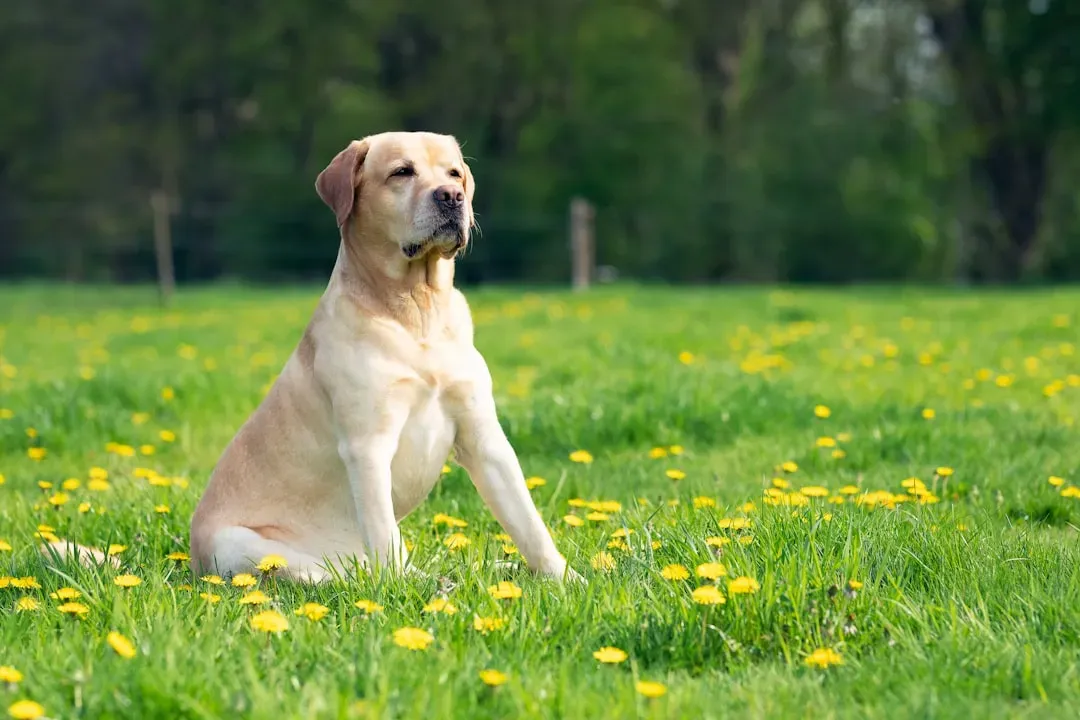
Labrador Retrievers have long been favorites for families and service work alike because of their steady, people focused temperament. They tend to stay close during everyday routines, whether that means following someone from room to room or settling nearby during quiet moments. Their cooperative heritage makes them especially attuned to subtle shifts in mood or energy.
Owners frequently notice how these dogs seem to settle into the same relaxed pace during downtime. The 2024 research highlighted cooperative breeds like retrievers for showing clear heart rate variability alignment with their people. That connection often translates into a calm presence that helps both sides feel more at ease.
Golden Retriever
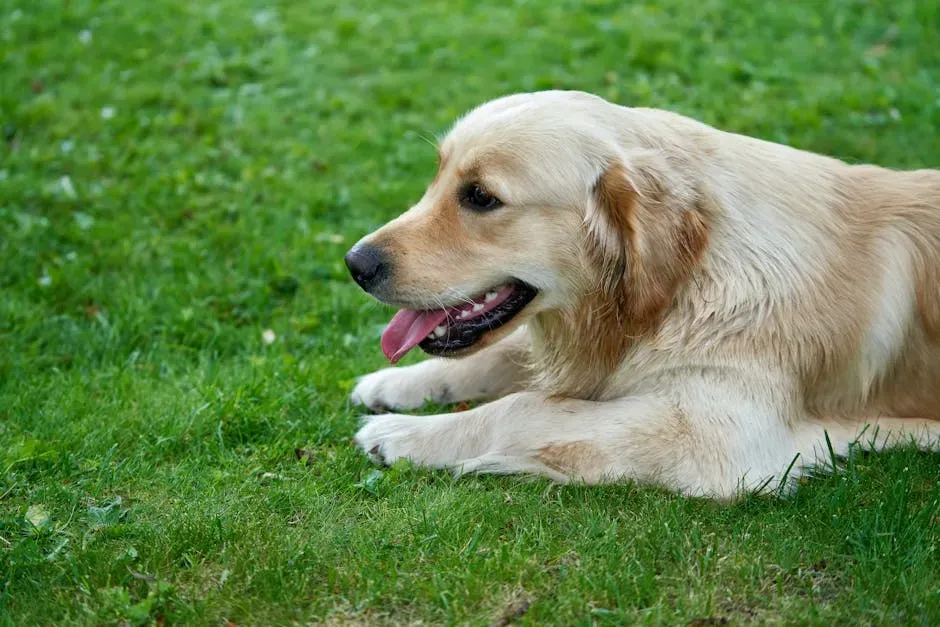
Golden Retrievers bring a gentle enthusiasm to their relationships that makes them quick to read and respond to their owners. They thrive on shared activities yet also excel at simply being present without demanding attention. Their history as working companions has shaped a breed that stays emotionally in tune over long periods.
Many families describe these dogs as extensions of the household rhythm, adjusting their own energy to match the room. Studies on dog owner interactions have noted stronger co modulation in breeds like Goldens during relaxed contact. This trait helps explain why they often become such reliable emotional anchors.
Border Collie
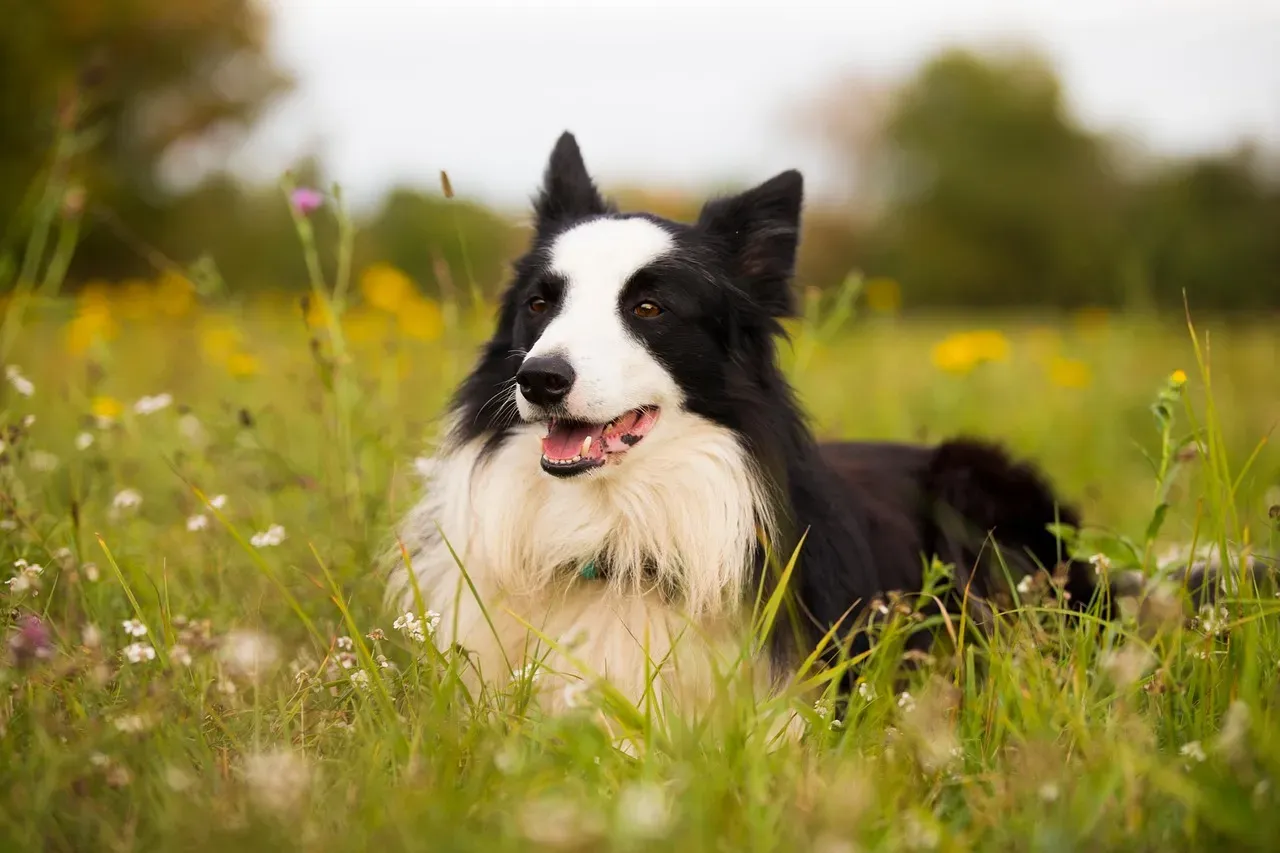
Border Collies are famous for their intelligence and drive, yet they also form remarkably focused bonds with the people who work or live with them. They watch for cues constantly and often mirror the pace of daily life around them. Their herding background rewards close attention to human signals.
In calmer settings they can shift into a more reflective mode that aligns with their owner’s state. Research into physiological syncing has included herding dogs among those showing notable heart rate variability matches. The result is a partnership that feels almost collaborative even during ordinary moments at home.
German Shepherd
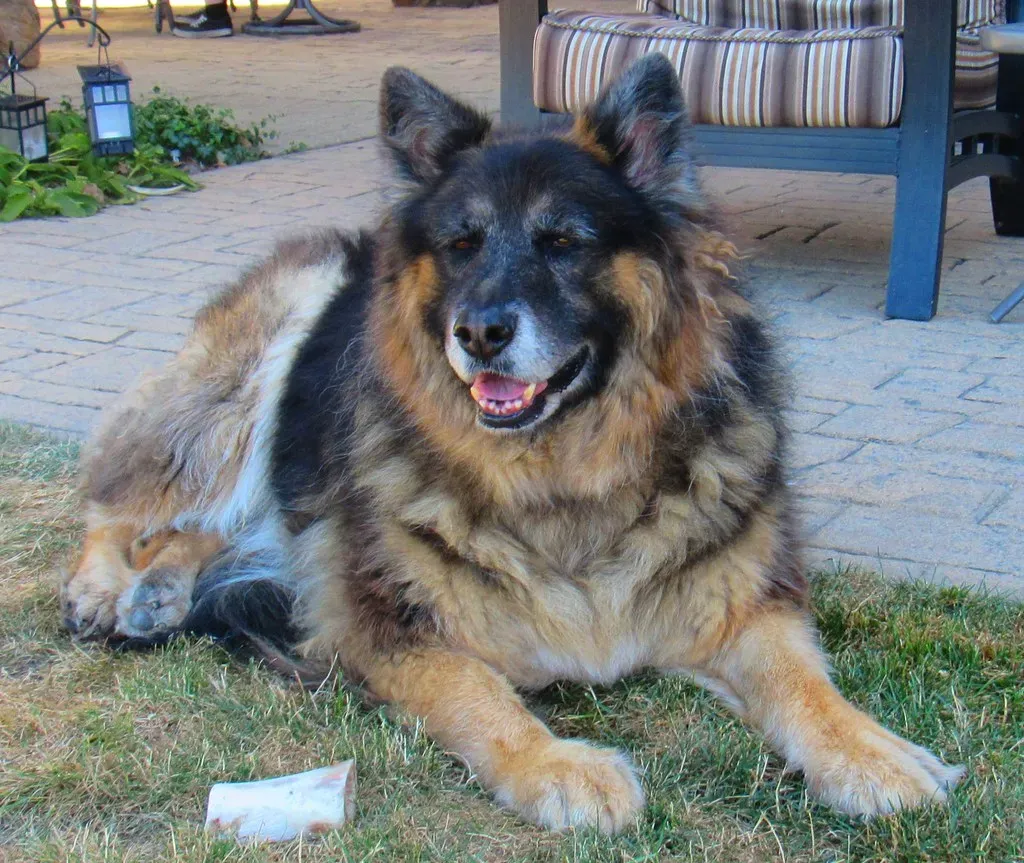
German Shepherds combine loyalty with a protective instinct that makes them deeply invested in their person’s well being. They often position themselves nearby during both active and restful times, creating a steady presence. Their working roots encourage a high level of responsiveness to human direction and emotion.
Owners report that these dogs seem to pick up on tension or calm and adjust accordingly. The evidence from recent studies on cooperative breeds supports the idea that such dogs can share physiological patterns with their handlers. This quality turns everyday companionship into something more layered and mutual.
Australian Shepherd
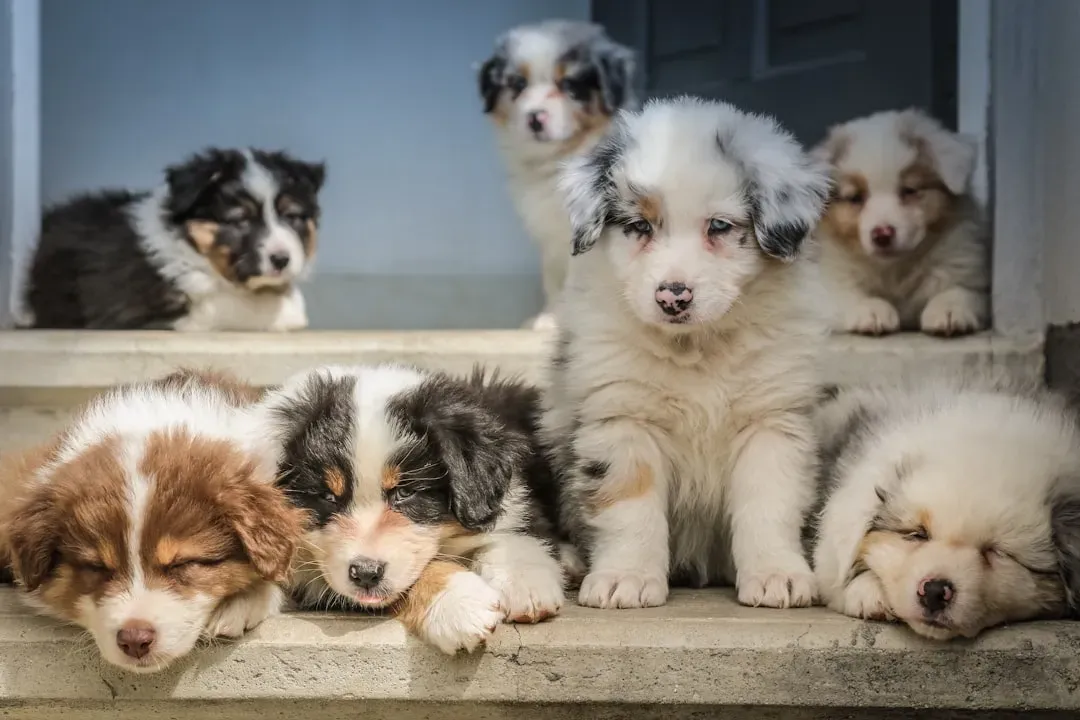
Australian Shepherds bring an energetic yet attentive style to their relationships, often staying engaged with family activities while remaining sensitive to individual needs. They form strong attachments and tend to stay physically close when possible. Their herding background gives them a natural talent for reading group dynamics.
During quieter periods they frequently settle into rhythms that echo those around them. Like other cooperative types, they have been part of observations showing heart rate variability alignment with owners. The bond often feels like a shared awareness rather than one sided devotion.
Cavalier King Charles Spaniel
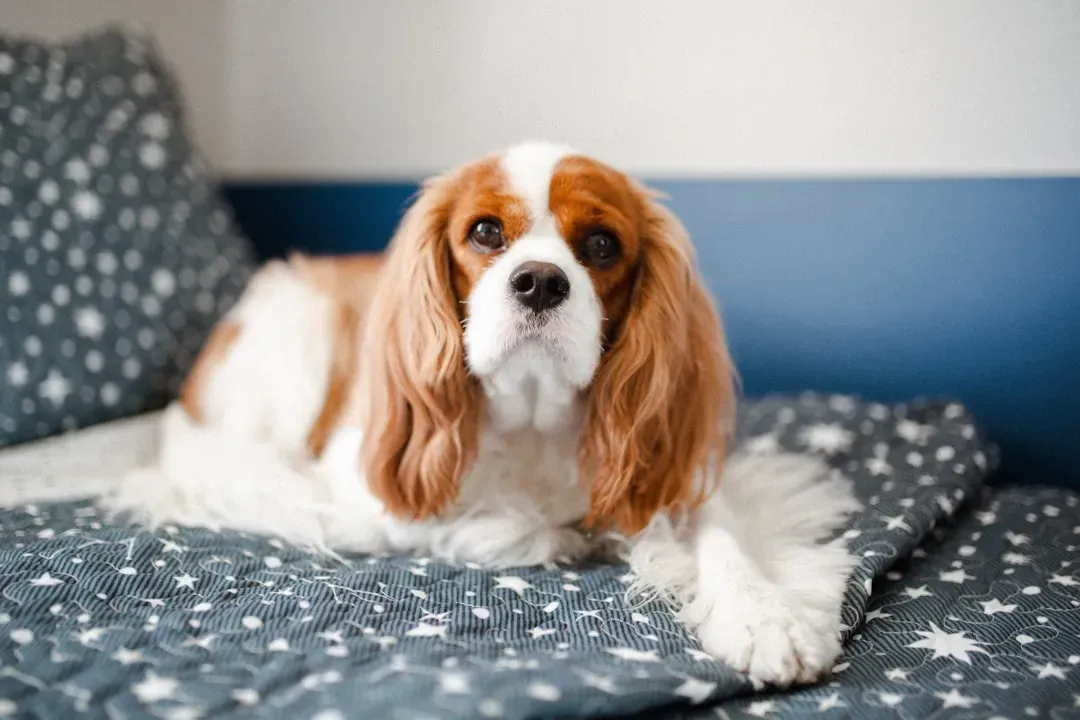
Cavalier King Charles Spaniels are small dogs with outsized affection for their people, preferring to stay within reach whenever possible. They adapt easily to household moods and often seek out lap time or nearby spots during rest. Their companion breed history emphasizes closeness over independence.
This trait makes them especially responsive during low key interactions where syncing can occur naturally. Broader findings on dog owner physiology suggest that affectionate breeds like Cavaliers participate in these emotional exchanges. The result is a compact companion that seems to share the emotional temperature of the room.
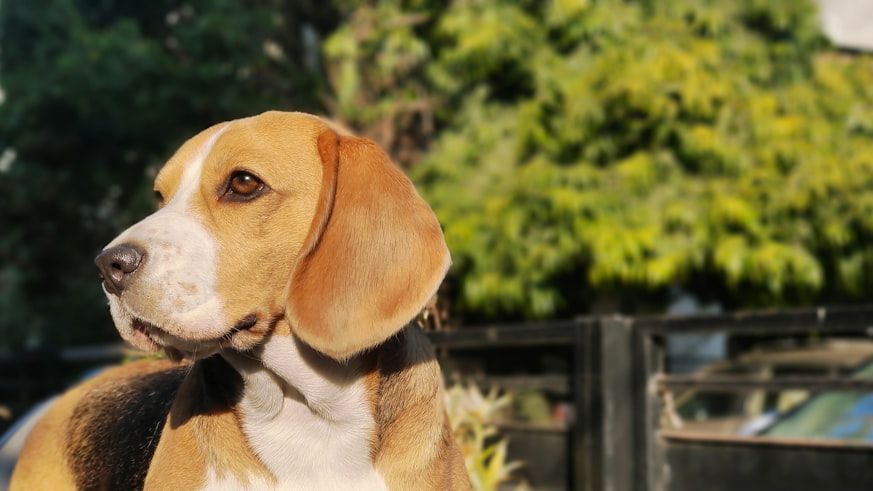
Beagle

Beagles balance their curious, scent driven side with a surprising capacity for close human attachment. They enjoy company and often adjust their activity level to match the people they live with. Their pack oriented nature translates well to family life.
Owners notice how these dogs can shift from playful exploration to quiet companionship without missing a beat. While not always highlighted in every study, cooperative tendencies in scent hounds support similar patterns of attunement. The connection adds a layer of steady presence to daily routines.
Poodle
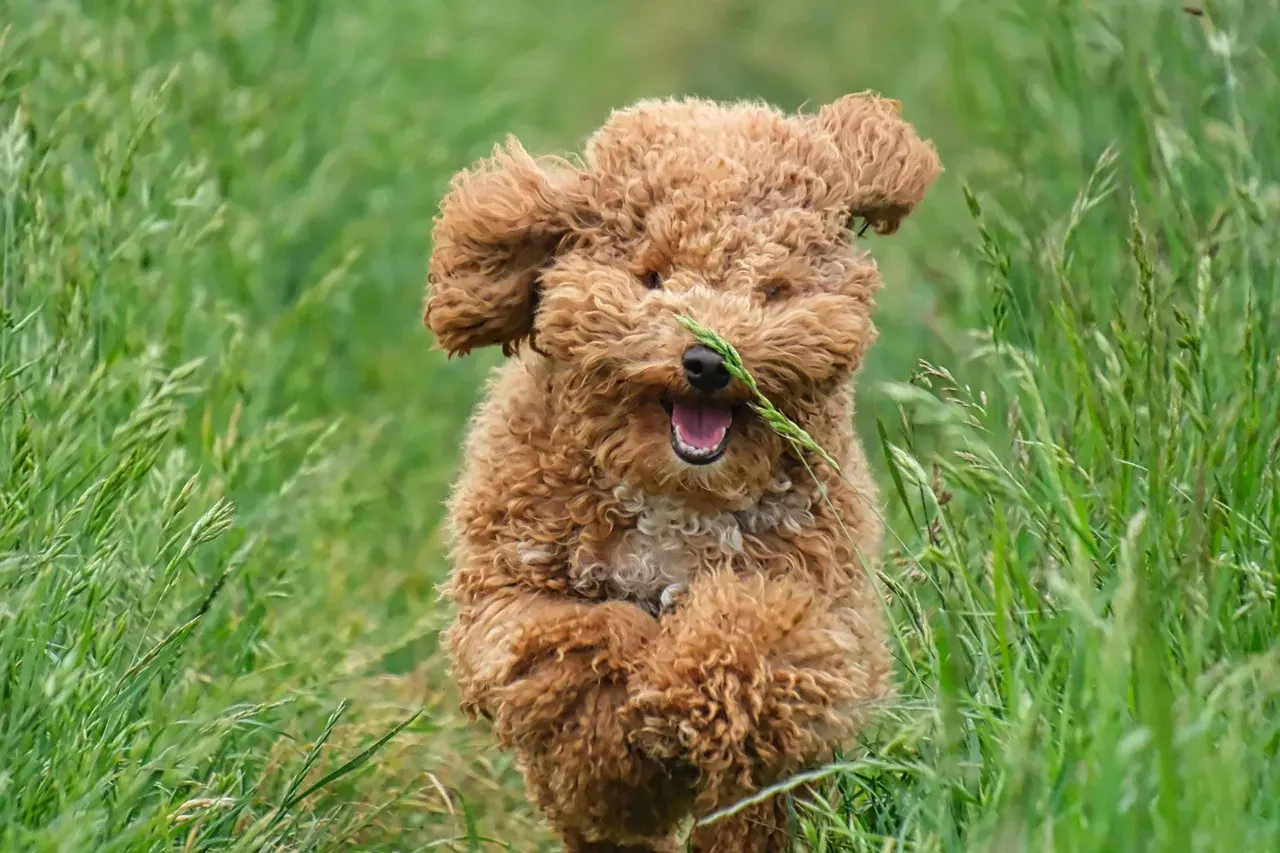
Poodles combine sharp intelligence with a people pleasing streak that makes them quick to form deep attachments. They respond well to training and often mirror the energy or calm of their household. Their versatility across sizes has kept them popular as close companions.
Many owners describe a sense of mutual awareness that develops over time, especially during relaxed moments together. Research on heart rate variability in cooperative breeds provides context for why such dogs might align physiologically with their people. The bond tends to feel both playful and profoundly steady.
Shetland Sheepdog
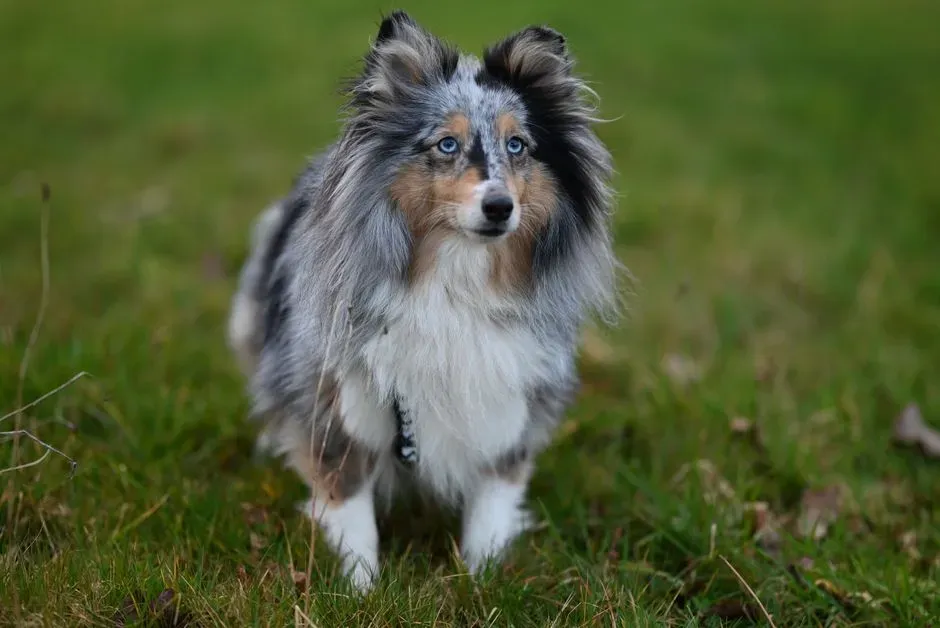
Shetland Sheepdogs bring a watchful, loyal quality to their relationships, often staying near their chosen person throughout the day. They excel at reading subtle signals and adjusting their behavior accordingly. Their herding lineage encourages close coordination with humans.
This attentiveness supports the kind of calm co regulation noted in studies of similar breeds. Owners frequently experience a quiet harmony during downtime that reflects the shared emotional state. The result is a compact dog that feels like a true partner in both activity and rest.
Why These Bonds Matter
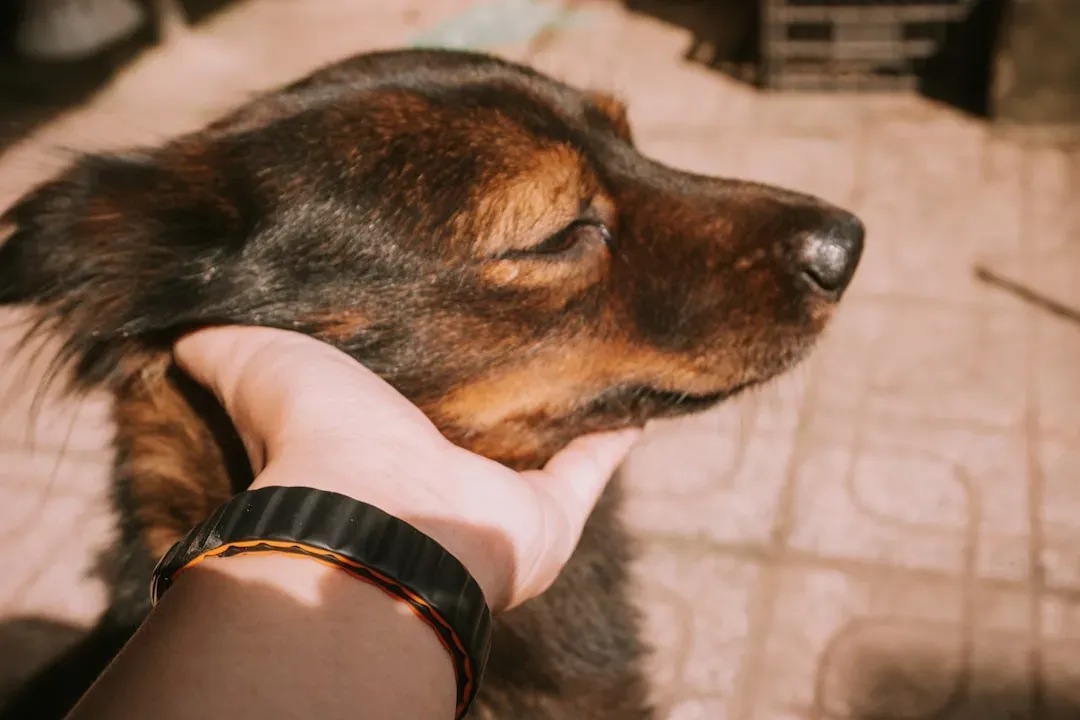
The idea of heartbeats aligning captures something real about how certain dogs and people influence each other at a physiological level. While the 2024 findings focused on heart rate variability rather than exact beat for beat matching, the evidence points to meaningful emotional co modulation in cooperative breeds. These connections can support lower stress for both sides during everyday life.
Choosing a breed known for this depth of attachment can shape the daily experience of companionship in noticeable ways. The science continues to explore these links, yet the lived reality for many owners already feels profound. In the end, the best partnerships grow from consistent presence and mutual responsiveness rather than any single dramatic trait.


