
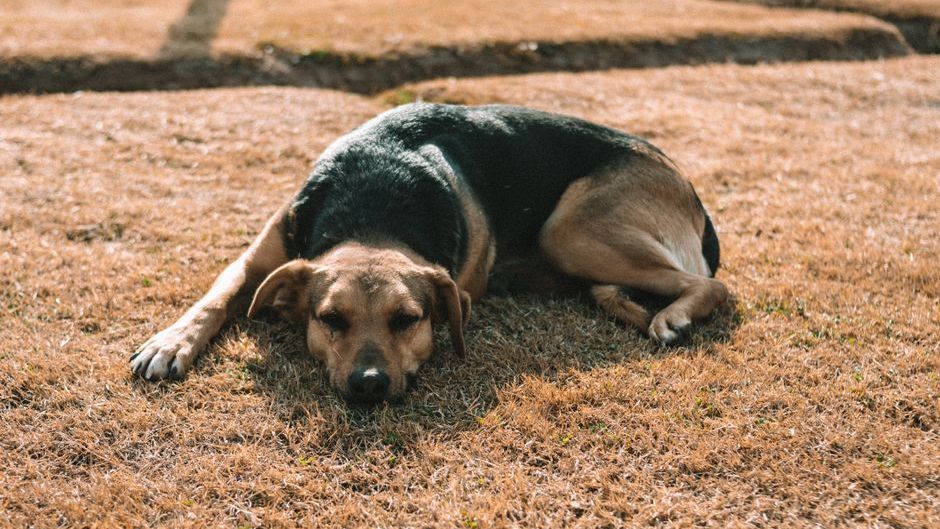
Unexplained Weight Changes
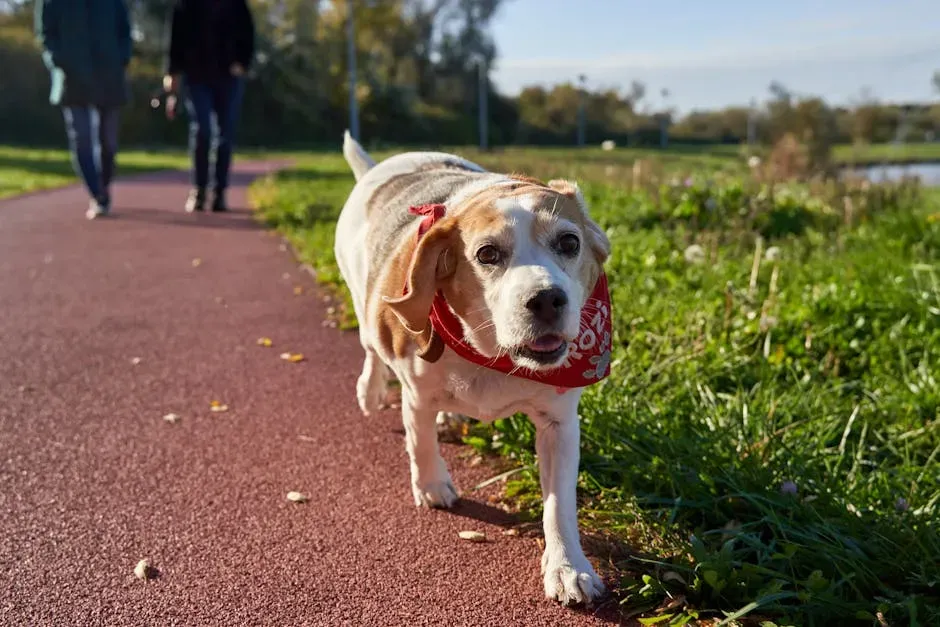
Weight that drops or climbs without any obvious reason often shows up before other symptoms. A senior dog might eat the same amount yet lose muscle tone, or hold extra pounds that strain joints already working harder. Regular weigh ins at home help spot the trend before it becomes dramatic.
Vets see this pattern frequently in dogs over eight or nine years old. It can tie into thyroid shifts, dental pain that makes chewing less appealing, or even early organ changes. Catching it means adjusting meals or running simple tests rather than waiting for visible weakness.
Noticeable Drop in Energy Levels
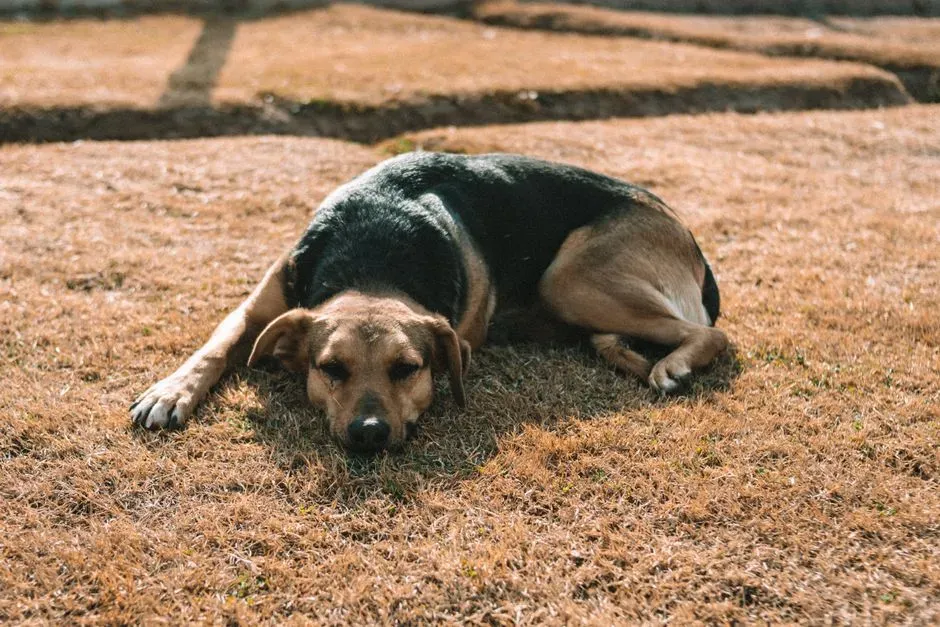
Older dogs naturally slow down, yet a sudden lack of interest in walks or favorite toys stands out from normal aging. They might linger by the door instead of bounding ahead or choose the couch over chasing a ball in the yard. These quiet withdrawals deserve a closer look.
Heart conditions, arthritis, or anemia can all reduce stamina without dramatic outward signs at first. A short exam often reveals whether rest alone will help or if medication and gentle exercise plans make sense. Many owners report their dogs regain some spark once the underlying issue receives attention.
Stiffness or Trouble Getting Around
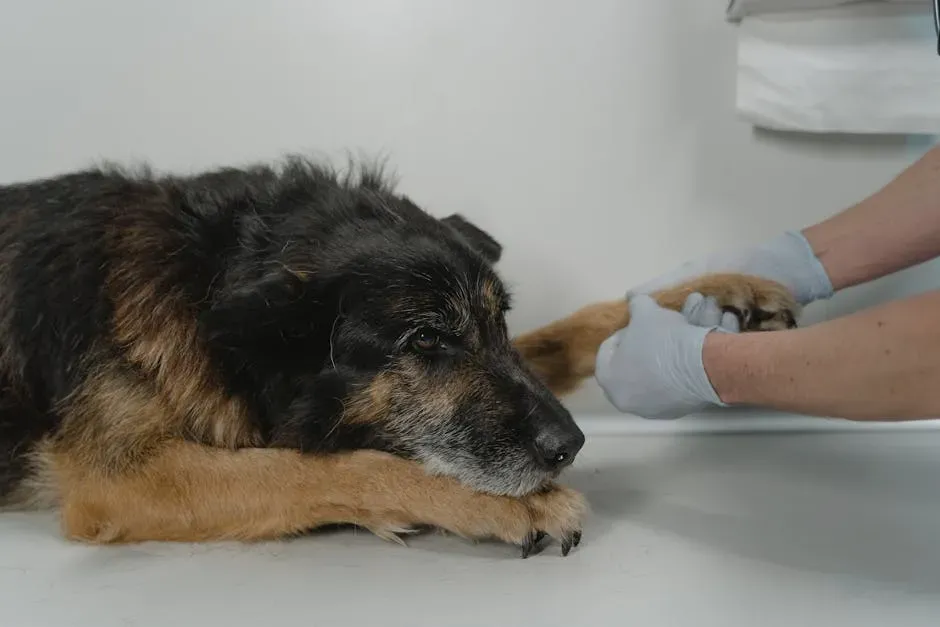
Limping that comes and goes or hesitation on stairs can signal joint wear that has progressed further than expected. Dogs may pause before jumping onto furniture or take longer to rise after naps. Watching how they move on different surfaces gives useful clues.
Cartilage breakdown and arthritis become more common with age, yet early support like ramps or joint supplements can ease discomfort. Some dogs also hide pain well until it affects daily routines. A vet visit confirms whether pain relief or further imaging fits the situation.
Changes in Bathroom Habits

Accidents indoors or straining during elimination often appear gradually. A dog that once held it through the night might need more frequent outings, or urine color and volume can shift noticeably. These patterns matter because they affect both comfort and household life.
Kidney function, urinary tract irritation, or prostate concerns in males can drive the changes. Simple urine tests frequently identify treatable causes before dehydration or infection sets in. Adjusting water access or diet sometimes brings quick improvement alongside any needed medication.
Persistent Coughing or Breathing Shifts

A cough that lingers after exercise or appears at night can reflect heart or lung changes common in senior years. Owners sometimes mistake it for a minor throat tickle until it interrupts sleep or play. Noting when it happens helps narrow possibilities.
Collapsed trachea, heart enlargement, or chronic bronchitis show up more often after middle age. Early detection allows for cough suppressants or heart support that keep daily life steadier. Many dogs continue enjoying walks and naps comfortably once the right plan is in place.
Cloudy Eyes or Vision Hesitation
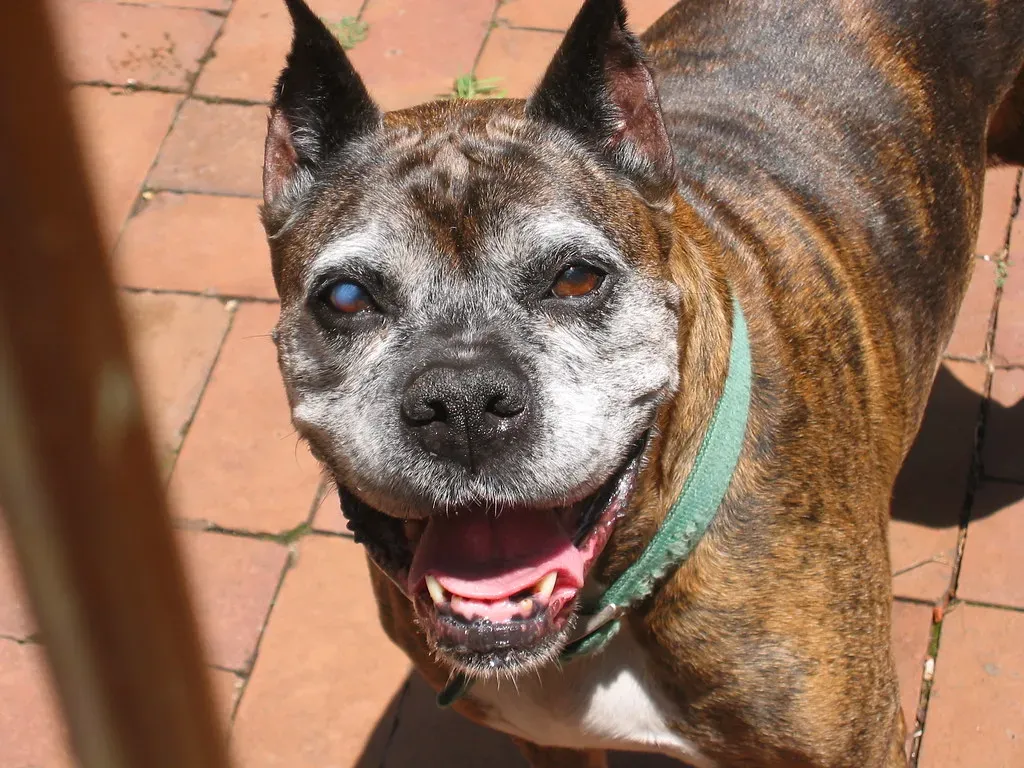
A bluish haze over the lens or bumping into familiar furniture can indicate cataracts or other age related eye shifts. Dogs may pause at thresholds or seem startled by sudden movements they once tracked easily. These visual clues build over months rather than days.
Regular eye checks catch issues while options like drops or surgery remain viable for some breeds. Even without full restoration, adjustments such as night lights or consistent furniture placement reduce confusion. Owners often notice calmer behavior once the dog feels secure again.
New Lumps, Bumps, or Coat Changes
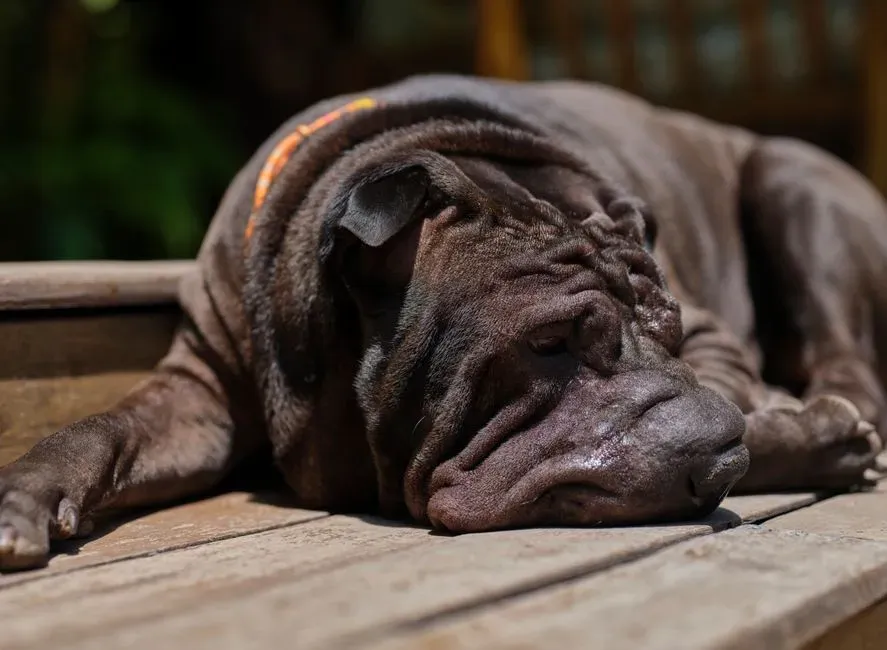
Small growths under the skin or patches of thinning fur can appear without warning in older dogs. Running hands over the body during grooming sessions reveals them early. Coat texture that turns dull or greasy also signals possible internal shifts.
Many lumps prove benign, yet others require biopsy to rule out concerns. Skin allergies or hormone changes contribute to coat problems that respond well to targeted care. Prompt checks keep minor issues from growing into larger ones.
Confusion or Altered Behavior
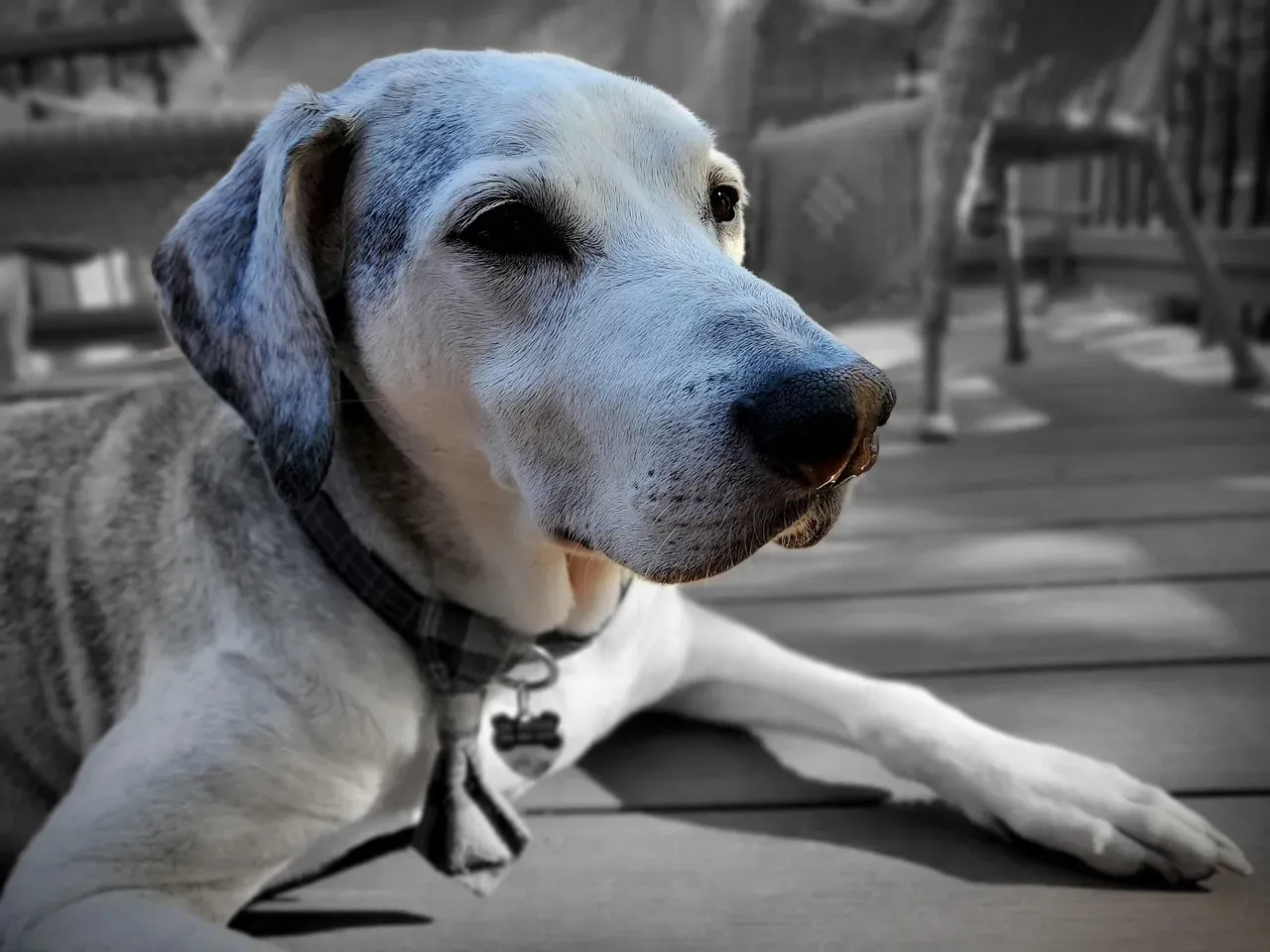
Staring at walls, pacing at odd hours, or forgetting house rules can reflect cognitive changes rather than simple stubbornness. A once reliable dog might seem lost in the backyard or react differently to familiar people. These moments often worry owners most.
Brain aging, pain, or medication side effects sometimes play a role. Enrichment activities, consistent routines, and vet guided supplements help many dogs stay engaged longer. Recognizing the pattern early supports both the pet and the household adjusting together.
Caring for a senior dog means accepting that their needs evolve, yet staying observant turns those changes into manageable steps rather than surprises. The bond deepens when owners meet each new phase with practical attention instead of worry alone.


