

1. Tail Carried Low or Tucked for Longer Periods
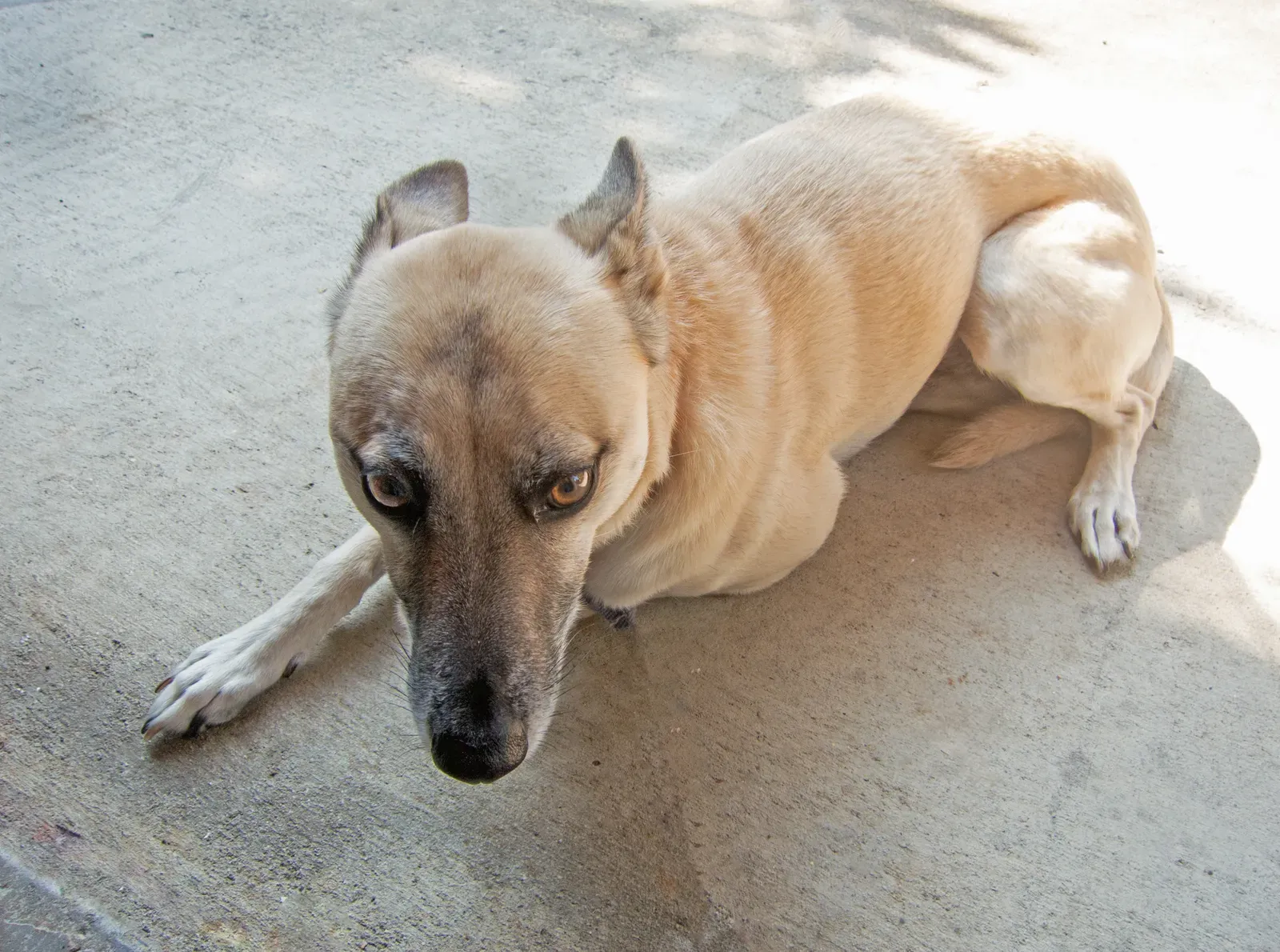
A relaxed tail swings freely or rests in a neutral position most of the time. When it stays low or curls under the body during ordinary moments at home, that posture often signals unease. The change tends to show up more around the owner than with other family members or visitors.
Over days or weeks the tucked position can become the default even during calm activities like resting on the couch. This shift usually points to a growing sense that something in the relationship feels unpredictable or tense. Watching for consistency across several situations helps separate it from a one time reaction to a loud noise.
2. Reduced Initiation of Physical Contact

Most dogs lean in for pets or rest a paw on a leg when they seek connection. A noticeable drop in these small approaches can indicate the dog no longer expects comfort from that source. The pattern often appears first during quiet evenings when the household settles down.
Instead of moving closer, the dog may simply stay in place or shift slightly away when a hand reaches out. This withdrawal builds gradually and rarely involves outright fear. It reflects a quiet reassessment of whether closeness still feels safe and rewarding.
3. More Frequent Lip Licking or Yawning in Calm Settings
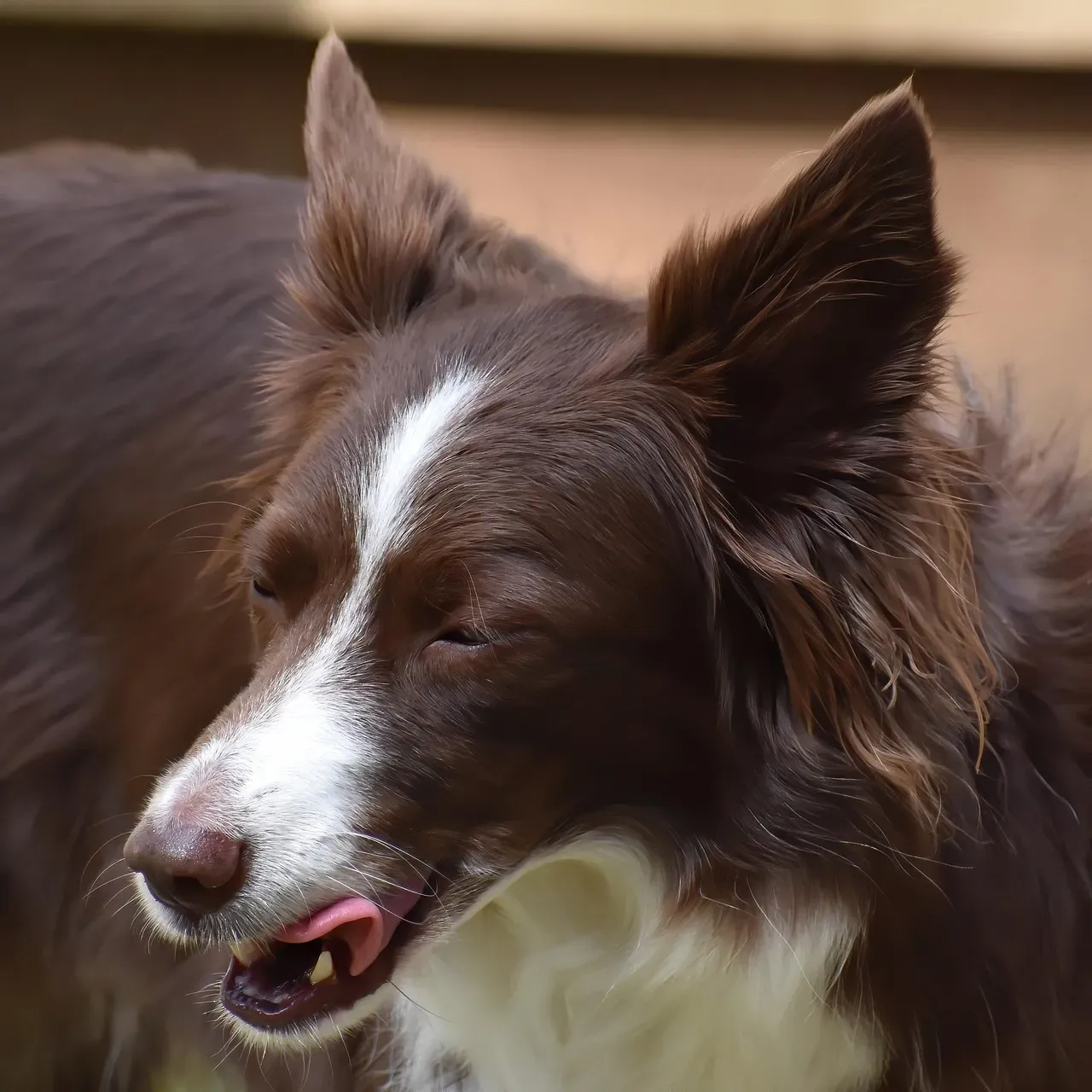
These small mouth movements serve as stress signals when they occur outside of obvious triggers like hunger or tiredness. A dog might lick its lips repeatedly while watching the owner move around the room. The action looks casual yet repeats in contexts that used to feel neutral.
Yawning follows a similar pattern, appearing during relaxed moments rather than after exercise. Both behaviors increase when the relationship carries underlying tension the dog cannot resolve. Tracking how often they happen during ordinary interactions reveals the underlying discomfort.
4. Choosing to Rest in Separate Spaces
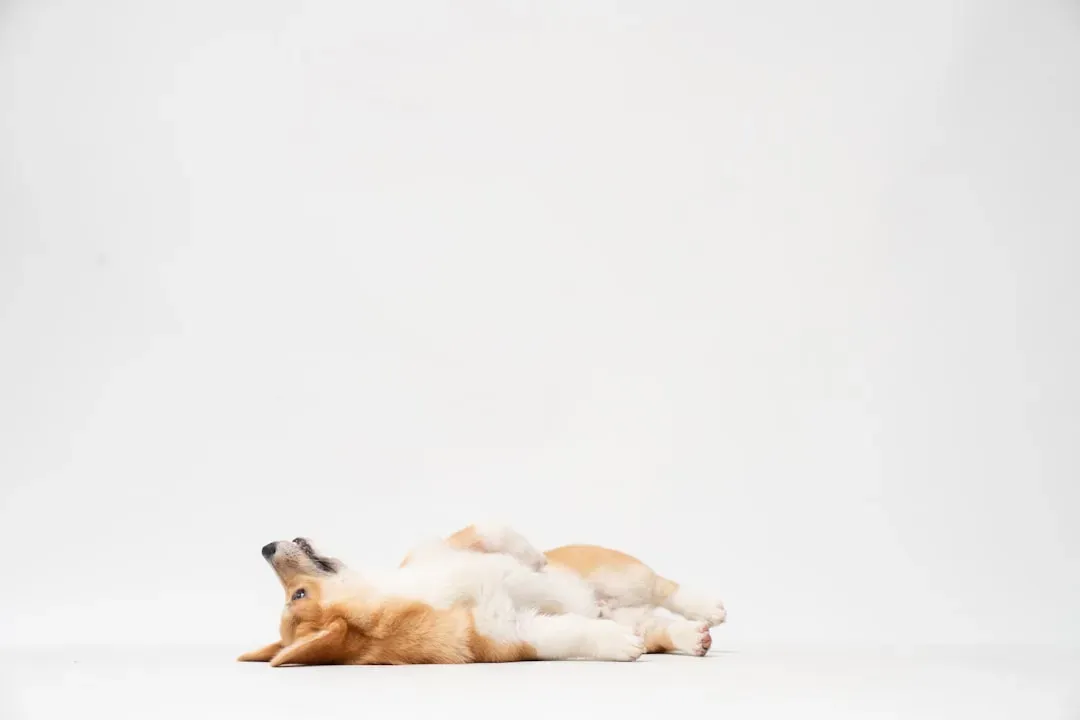
Dogs that once followed their person from room to room may begin selecting distant spots for naps. The choice happens without any scolding or change in household layout. It simply becomes the new habit over successive days.
This distance creates a buffer that reduces direct interaction. The dog still responds to calls but returns to the separate area afterward. The pattern suggests the shared spaces no longer provide the same sense of security they once did.
5. Slower Response to Everyday Invitations
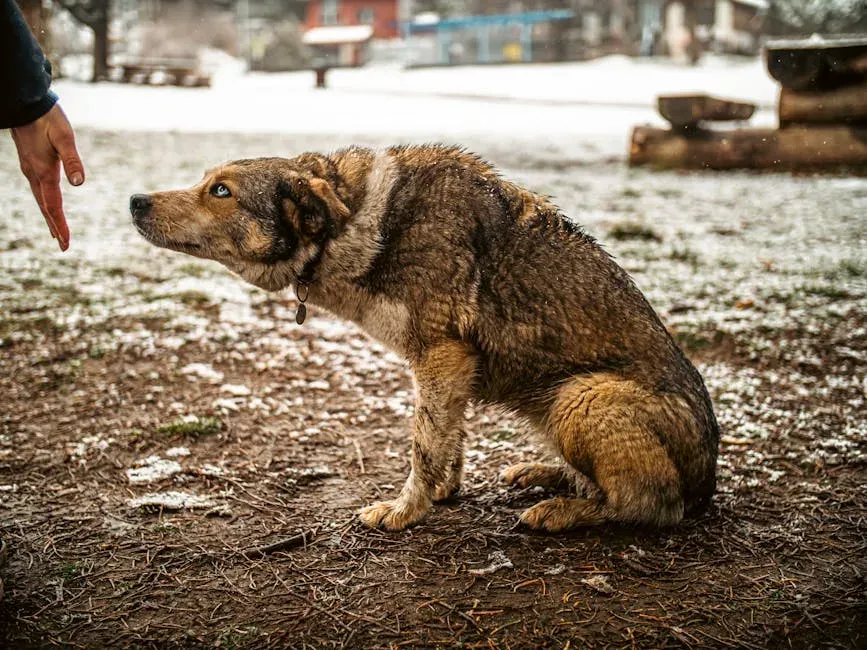
Calls to come for a treat or a quick game used to bring an immediate reaction. When the dog pauses longer or needs a second prompt, the delay often reflects lowered motivation rather than hearing issues. The hesitation shows up consistently across several types of requests.
Over time the slower pace becomes noticeable during routine moments like heading outside or moving to another room. The dog still participates but without the earlier spark. This measured response points to a relationship that feels less engaging than before.
6. Changes in Eating Pace or Location Preferences
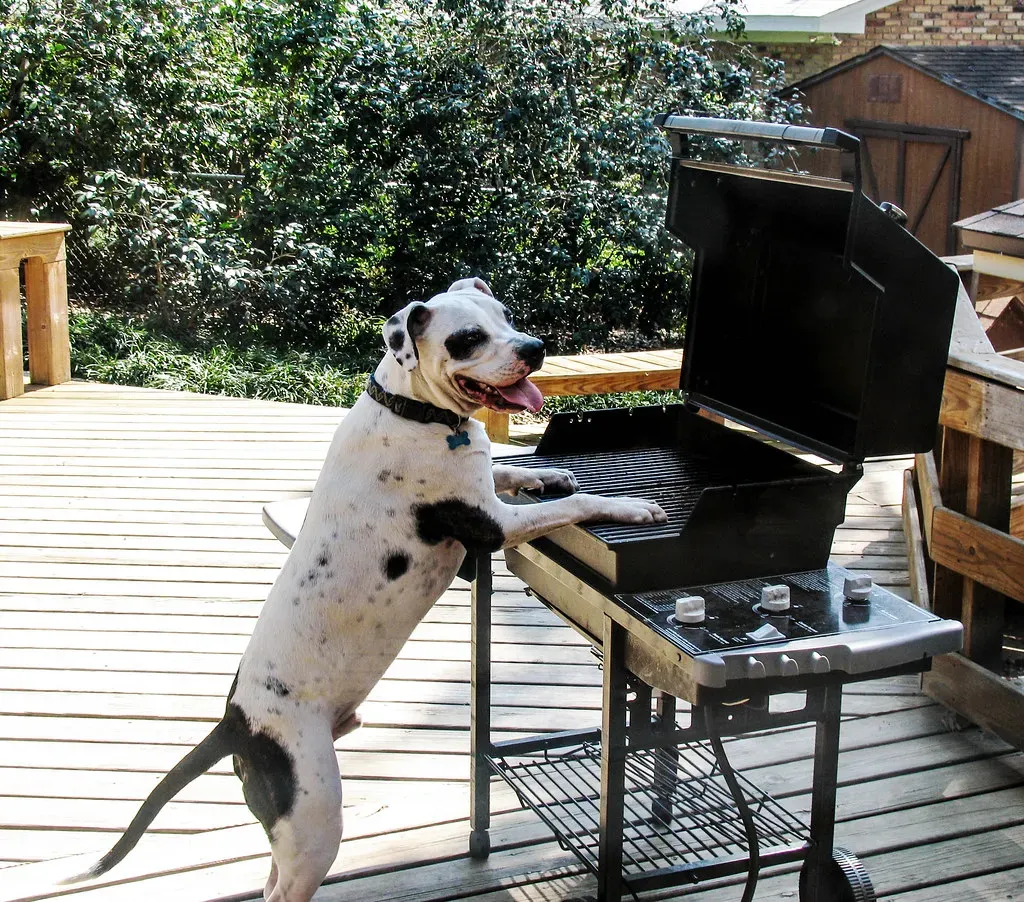
Meals that once disappeared quickly may stretch out or get interrupted by pauses to look around. Some dogs begin carrying food to a different spot before finishing. These adjustments happen without any change in the food itself or the feeding schedule.
The shift often coincides with times when the owner is nearby or moving through the same area. Eating becomes a more guarded activity rather than a relaxed one. The new habits reflect a need for extra space during vulnerable moments like mealtime.
7. Increased Self Grooming or Scratching Without Medical Cause
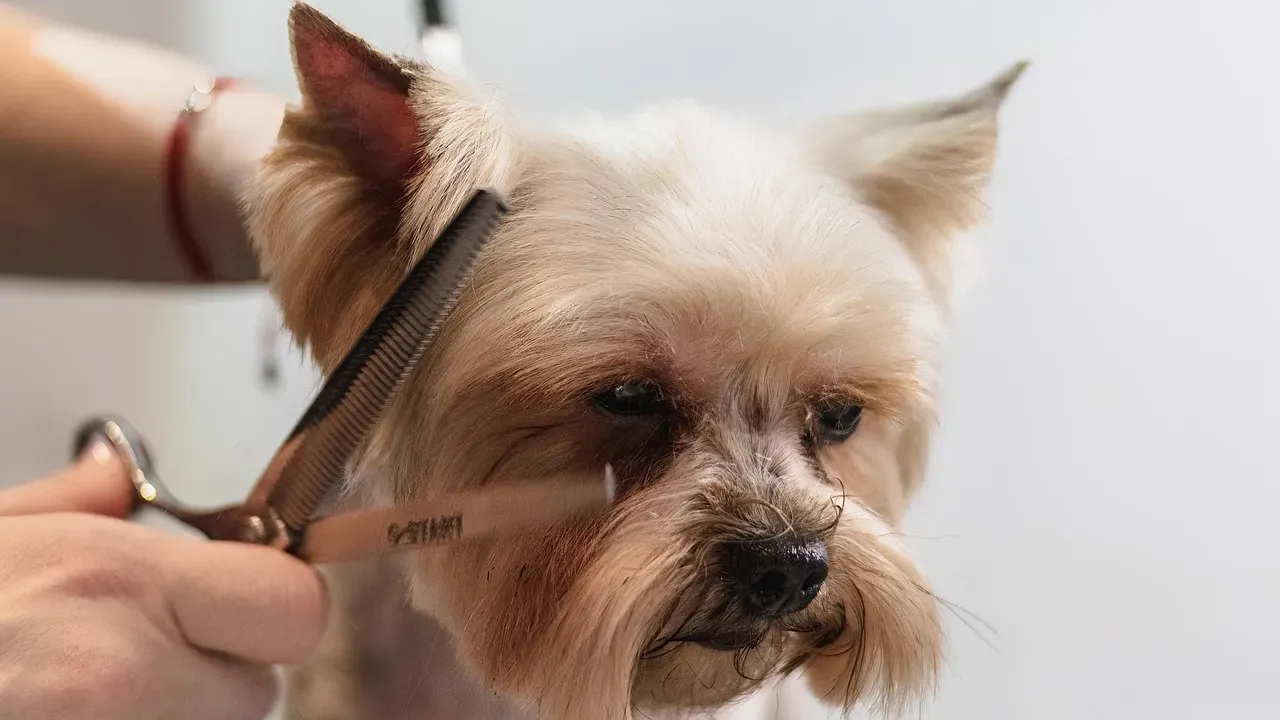
Extra licking of paws or flanks can appear when stress levels rise even if skin and coat stay healthy. The behavior fills quiet moments and provides a temporary outlet. It tends to occur more when the dog is alone with the owner rather than during group activities.
The grooming sessions last longer than before and sometimes interrupt rest. No external irritant explains the increase. The pattern serves as a quiet coping mechanism tied to the emotional climate of the relationship.
8. Ears Held Back During Routine Interactions
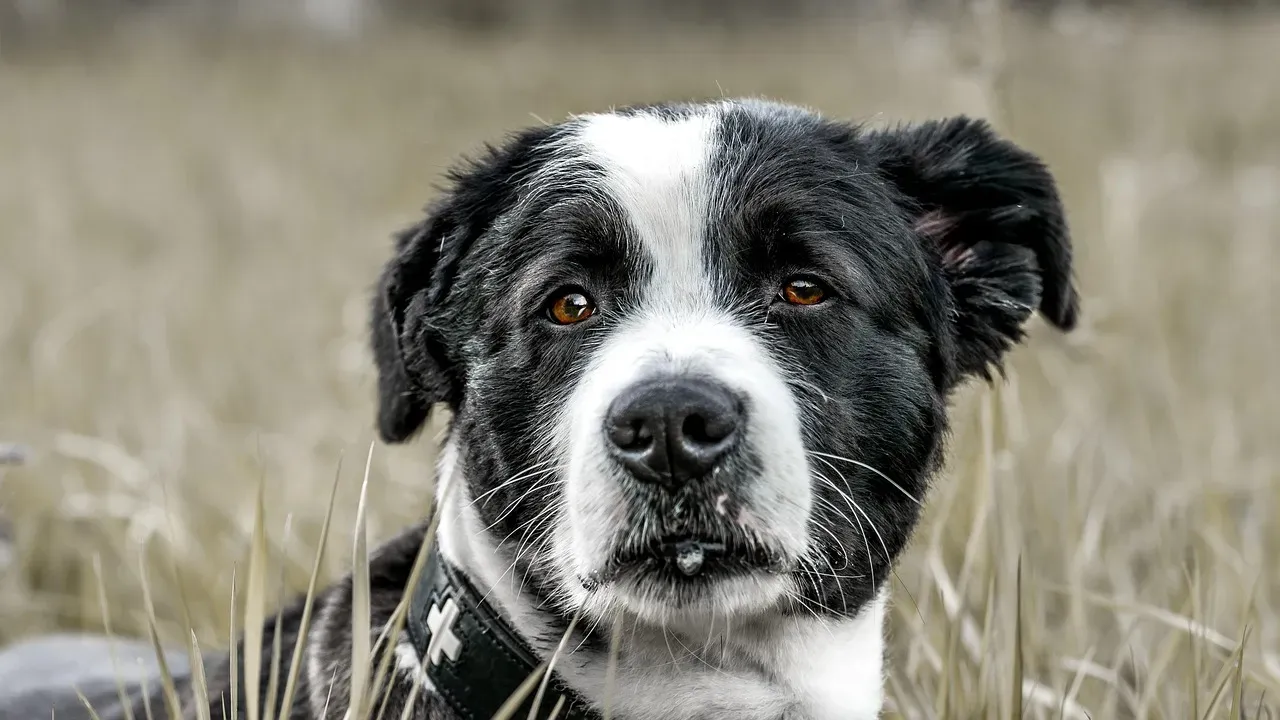
Ears that normally sit forward or relaxed may flatten slightly when the owner approaches or speaks. The position returns to normal once the person moves away. This subtle shift repeats across different times of day without any obvious threat present.
The change feels minor yet consistent enough to notice during ordinary exchanges like greeting at the door. It signals a mild protective response rather than outright fear. Over repeated observations the pattern links directly to the presence of that specific person.
9. Less Enthusiasm for Shared Activities That Used to Be Favorites
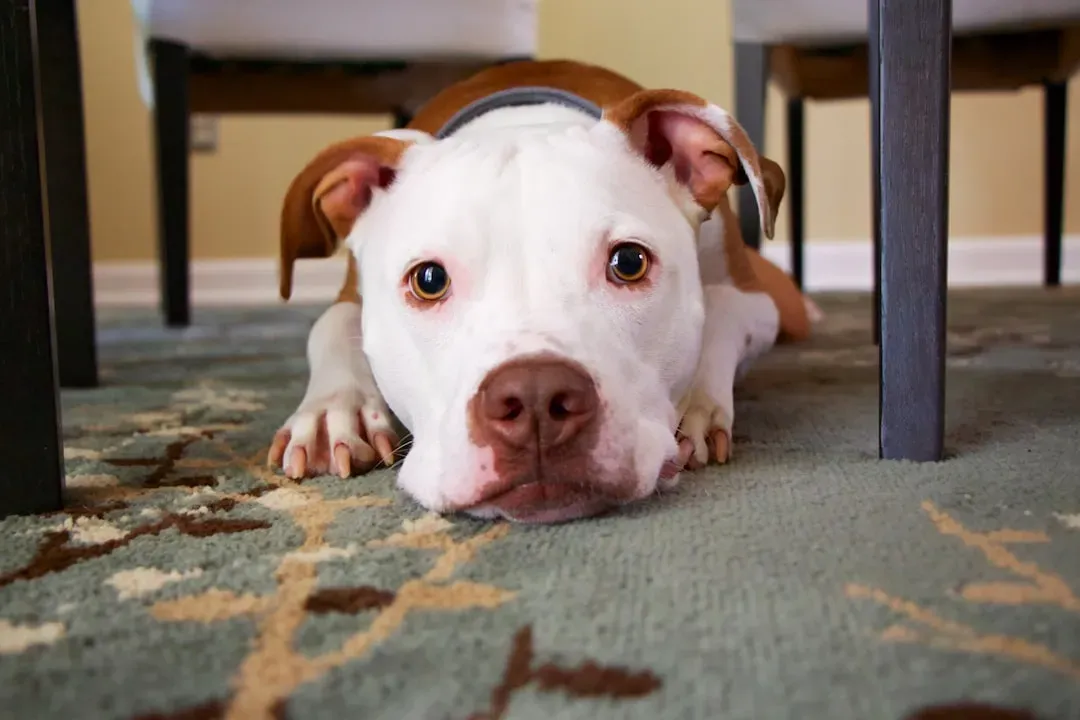
Walks or play sessions that once prompted quick readiness now receive a slower or more measured start. The dog still joins in but without the earlier bounce or focus. The difference shows most clearly when comparing current behavior to earlier months.
Interest returns somewhat when other people or dogs are involved, which highlights the contrast. The reduced spark during one on one time points to a relationship that no longer feels as rewarding. Small adjustments in daily routines can often restore some of that earlier energy.
Paying Attention Changes Everything
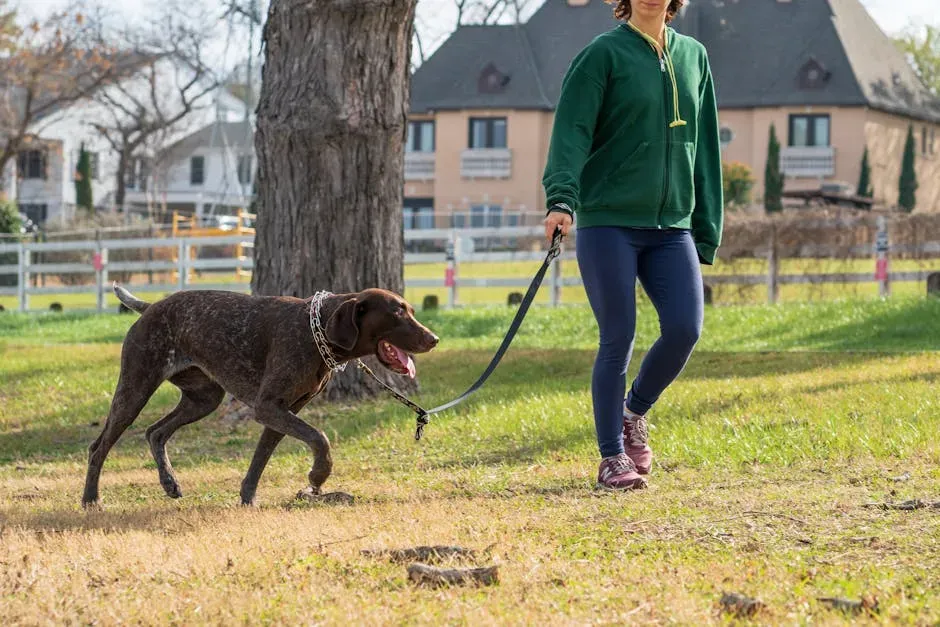
These quiet signals rarely appear all at once. They build over time and often improve when daily interactions become more predictable and positive. Small consistent efforts like steady routines and respectful space usually make a noticeable difference within weeks.
Dogs rarely hold grudges. They respond to the present moment and the tone of the relationship right now. Noticing the silent cues early gives any owner a real chance to reconnect before the distance grows wider.


