
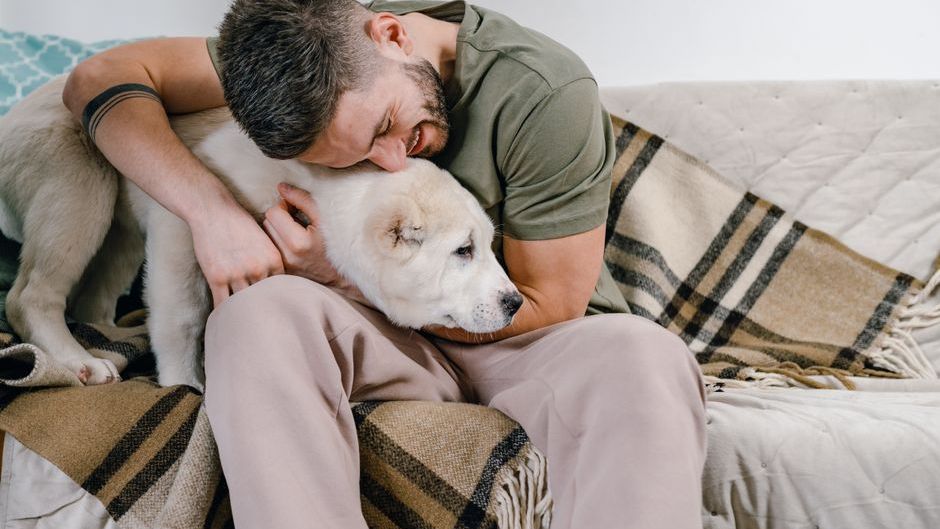
The Classic Guilty Look
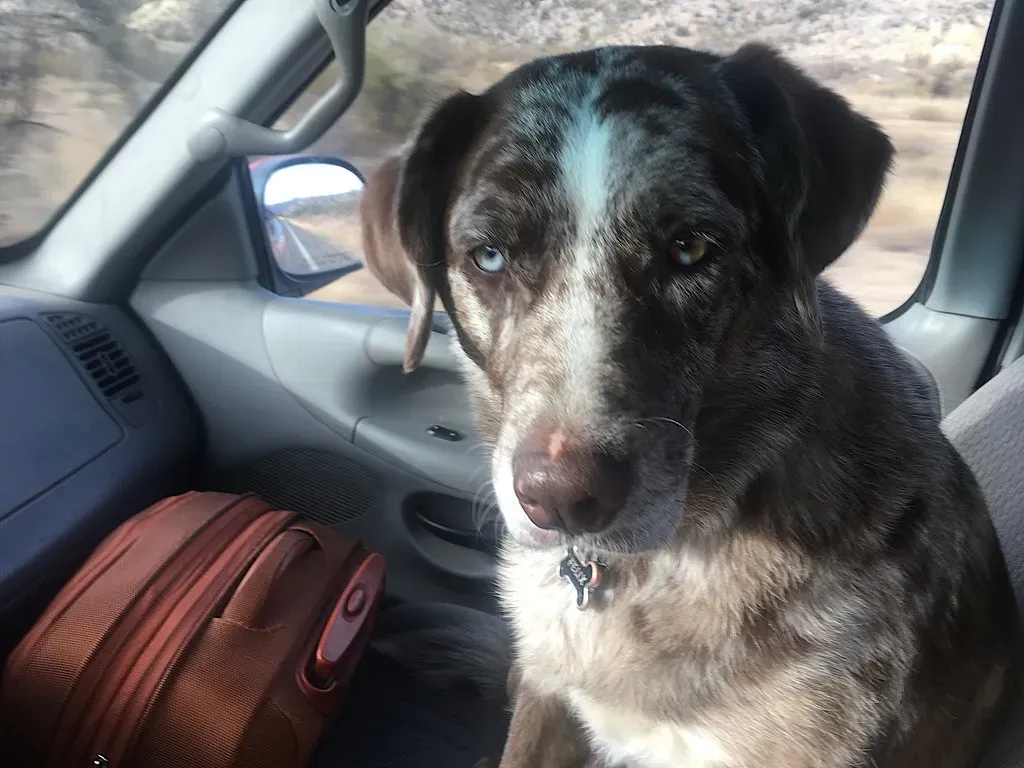
Dogs often lower their heads and pull their ears back the moment an owner discovers a mess. Their tails tuck tightly between their legs while they glance sideways instead of meeting the gaze directly. This posture shows up reliably after an incident, even when the dog was alone during the event.
Owners report that the expression intensifies if the person raises their voice or moves quickly toward the scene. The dog seems to read the change in tone and body language as a clear sign of displeasure. Over time these reactions become predictable enough that many people start to view them as an admission of sorts.
Avoiding Eye Contact After Trouble
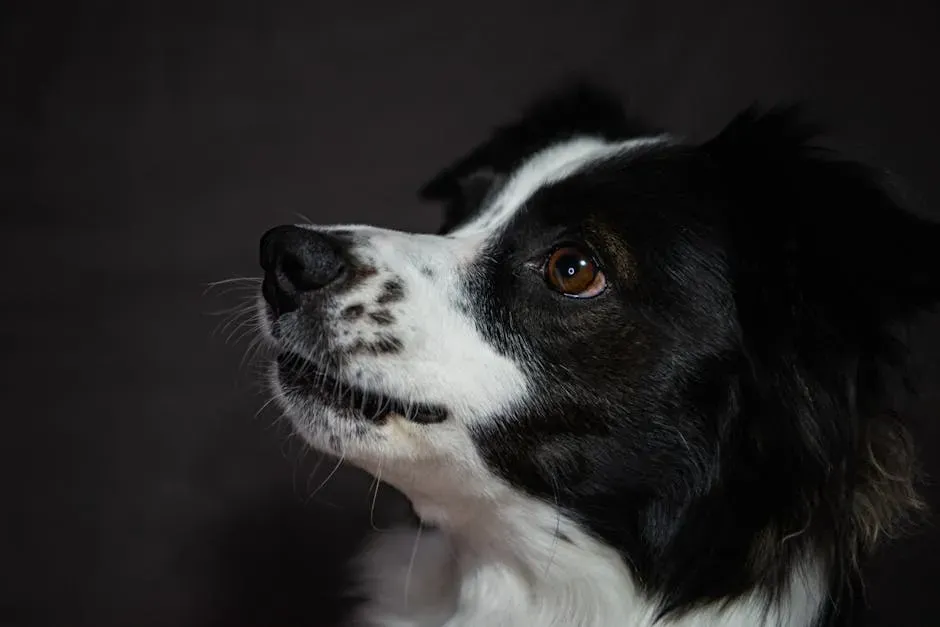
When something has been knocked over or chewed, a dog may suddenly find the floor or a nearby wall far more interesting than their owner. They keep their head turned or their eyes lowered until the tension eases. This shift happens quickly once the person enters the room and surveys the damage.
The avoidance does not appear in the same way during calm moments or when nothing is amiss. It suggests the dog links the owner’s attention to the recent event. Many notice the behavior fades only after the person speaks in a softer voice or offers reassurance.
Slinking Away or Hiding
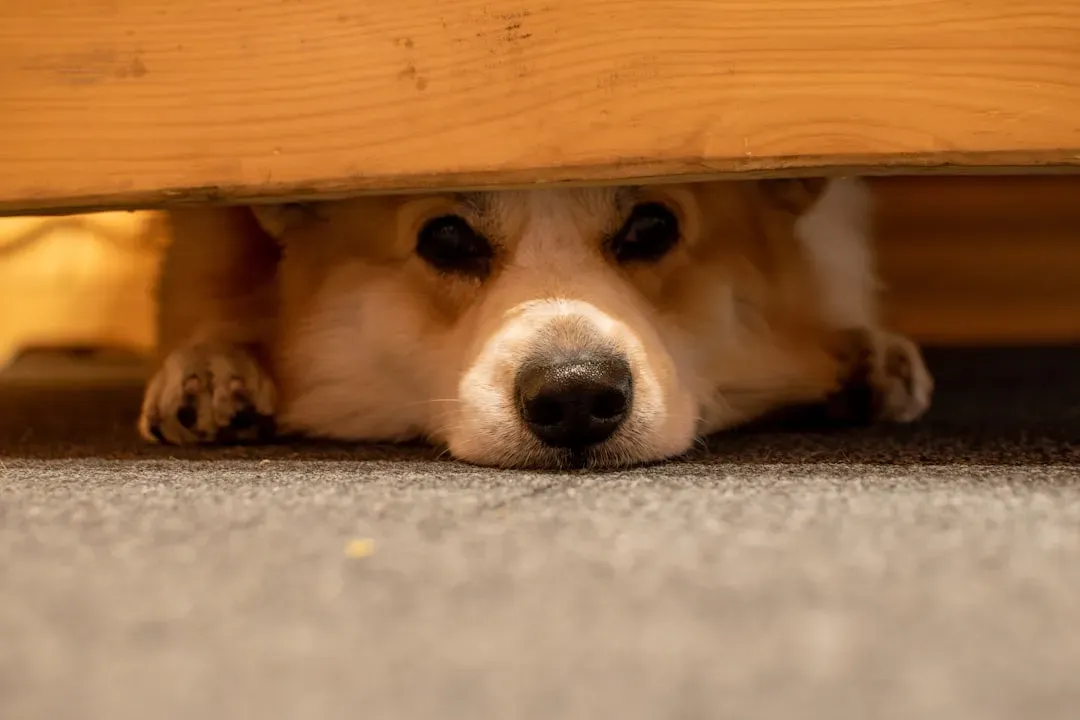
Some dogs retreat to another room or behind furniture the second they hear the front door open following a mishap. They stay out of sight until the owner calls them or the atmosphere lightens. The choice of hiding spot often stays consistent across different incidents.
This withdrawal stands out because the same dog will greet the owner enthusiastically on ordinary days. The contrast points to an awareness that something has changed in the household mood. Owners frequently describe the pattern as the dog trying to stay out of the line of immediate attention.
Bringing Toys as a Peace Offering
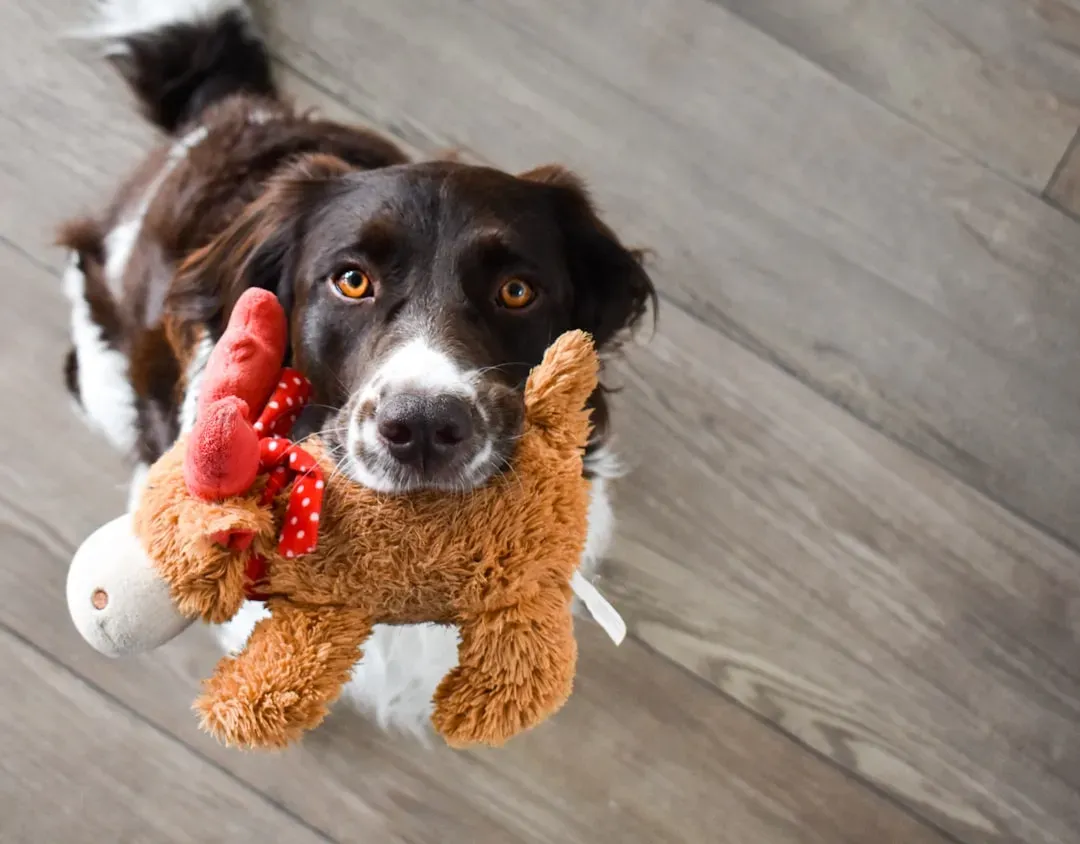
A dog might trot over with a favorite ball or stuffed animal right after an owner discovers a problem. They drop the item at the person’s feet and then back up a step or two. The gesture appears even when the toy has nothing to do with the actual incident.
The timing feels deliberate, arriving most often when the owner’s posture or voice signals frustration. Over repeated events the behavior becomes a familiar routine that owners recognize as an attempt to shift the mood. It rarely shows up when everything in the house is running smoothly.
Submissive Whining or Rolling Over
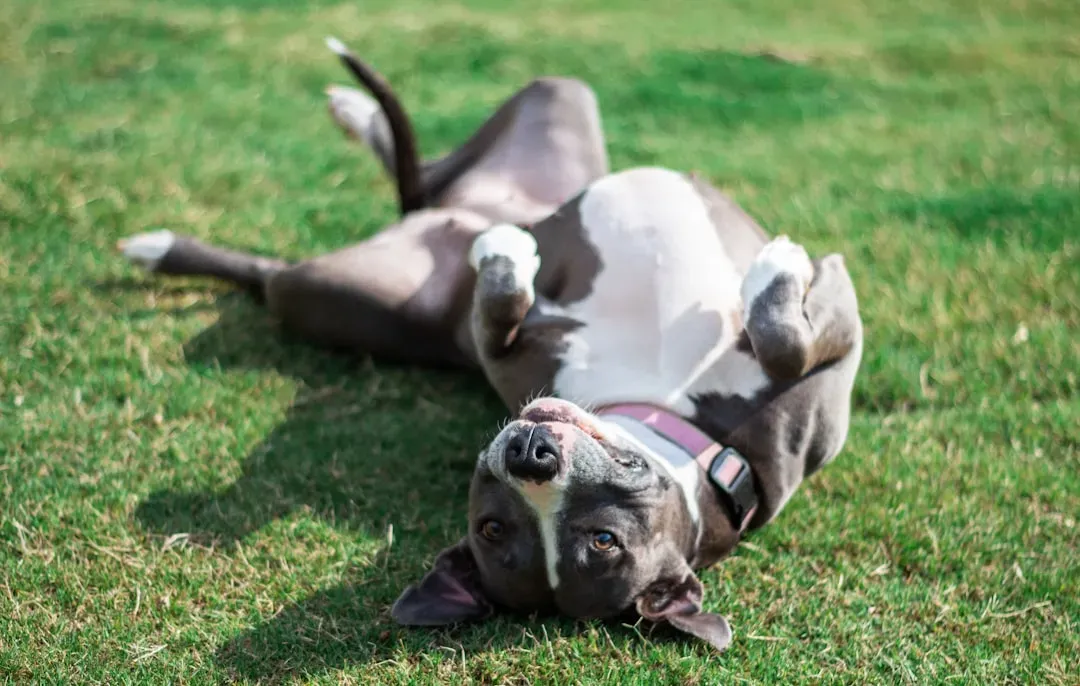
Low whining paired with a belly-up position often follows the discovery of something broken or eaten. The dog stays in that posture until the owner reaches down or speaks calmly. The sound and movement seem tied directly to the moment of confrontation.
These displays differ from the excited whining that happens during play or mealtime. They surface mainly when the owner’s attention focuses on the recent damage. Many people find the combination of sound and posture hard to interpret as anything other than a response to perceived disapproval.
Staying Close and Checking In
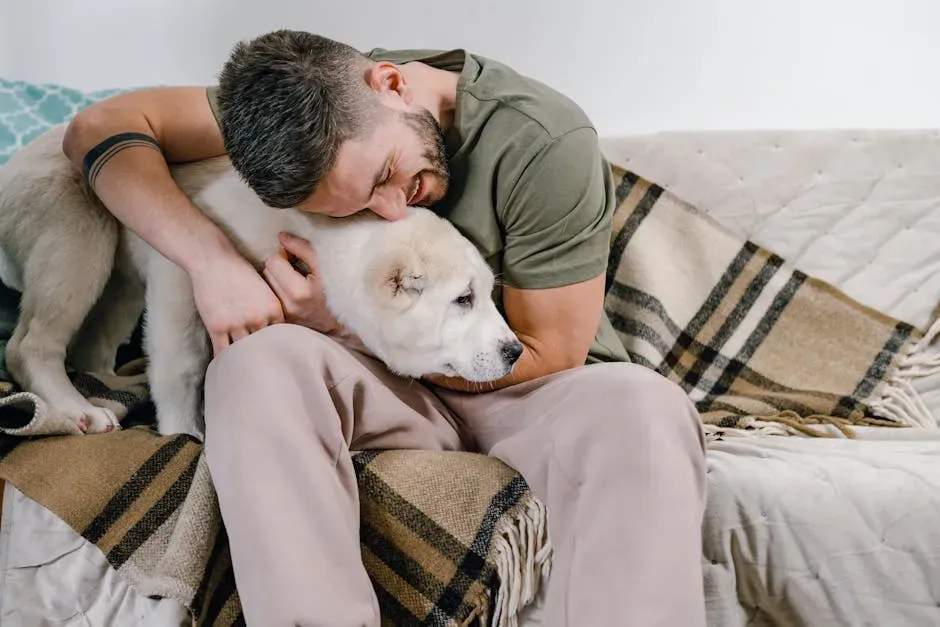
After an incident some dogs follow their owner from room to room instead of wandering off. They pause often to look back or nudge a hand for attention. The extra proximity lasts longer than usual until the person settles into a normal routine again.
The pattern repeats across different types of mishaps, from spilled food to damaged shoes. It stands in contrast to the independent roaming the same dog shows on uneventful days. Owners come to read the closeness as the dog monitoring how the situation is unfolding.
Changes in Appetite or Energy
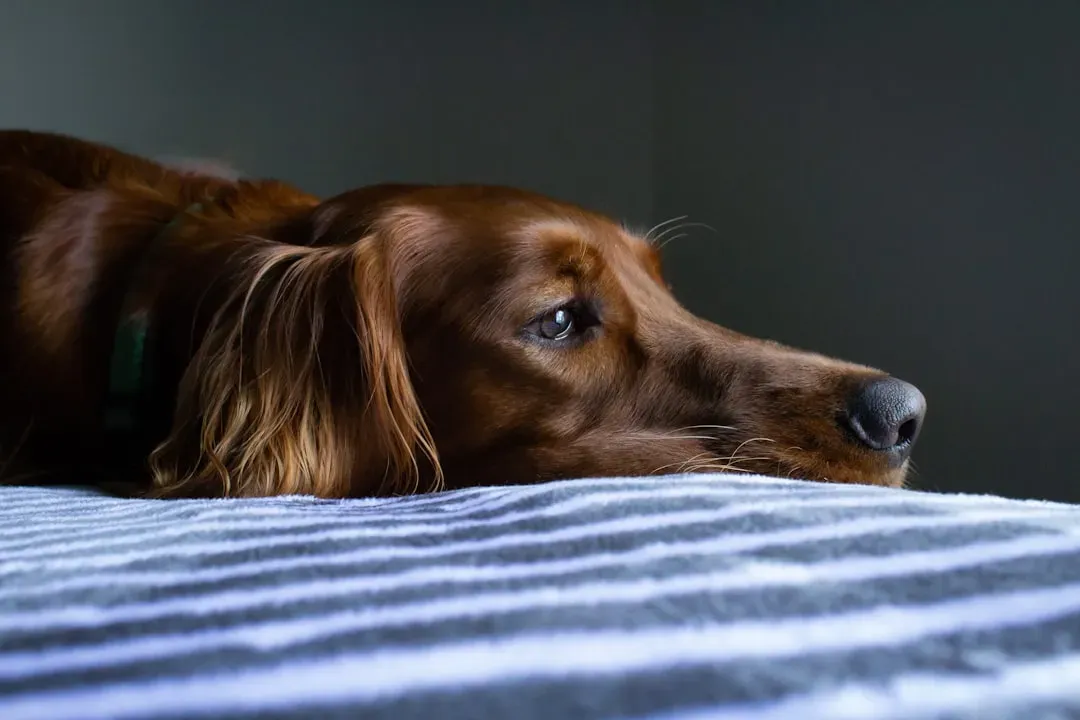
A normally food-motivated dog may turn away from a treat or meal shortly after an owner reacts to a problem. Their usual bounce around the house gives way to slower movements and less interest in toys. These shifts tend to last until the household returns to its regular rhythm.
The change does not occur every single time something minor happens, yet it appears consistently after stronger reactions from the person. Owners notice the dog seems to pick up on lingering tension in the air. The temporary dip in enthusiasm adds another layer to the overall picture of awareness.
The bond between people and dogs rests on these small, repeated exchanges more than on dramatic moments. Watching how a dog responds when things go wrong offers a window into how deeply they track human emotions. Over years together those signals become part of the shared language that makes the relationship feel mutual.


