
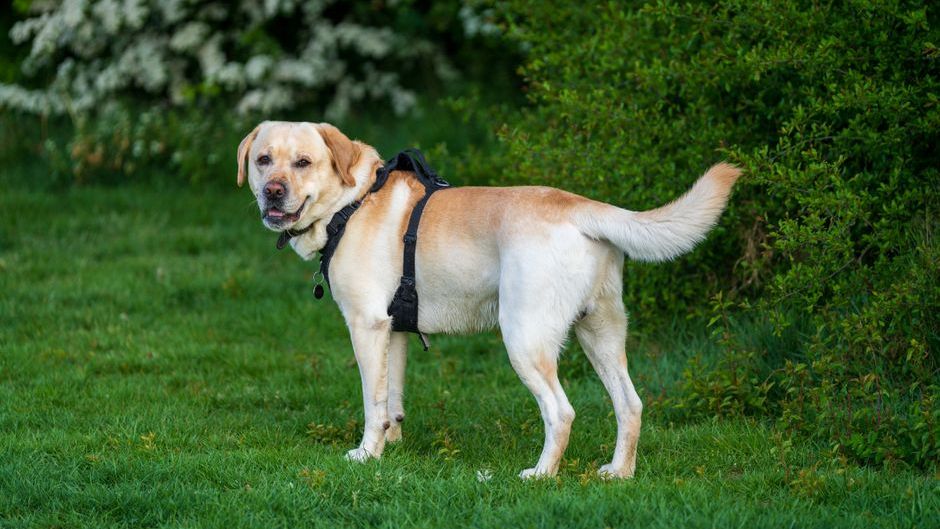
Most people spot a wagging tail and assume their dog feels nothing but pure joy. Yet animal behavior research shows the speed of that wag carries its own set of messages, separate from the obvious excitement everyone expects.
The difference between a quick swing and a measured one turns out to be more than random motion. It reflects shifts in how a dog reads the moment and decides what comes next.
Understanding the Language of the Tail

Dogs have used their tails as communication tools for thousands of years. The movement itself serves as a visible signal that other dogs and humans can read in real time.
Speed adds another layer to this system. A rapid wag often lines up with stronger feelings, while a slower one tends to mark moments of pause or evaluation. Owners who notice these patterns start to see their dogs in a fuller way.
Fast Wags and Heightened Arousal
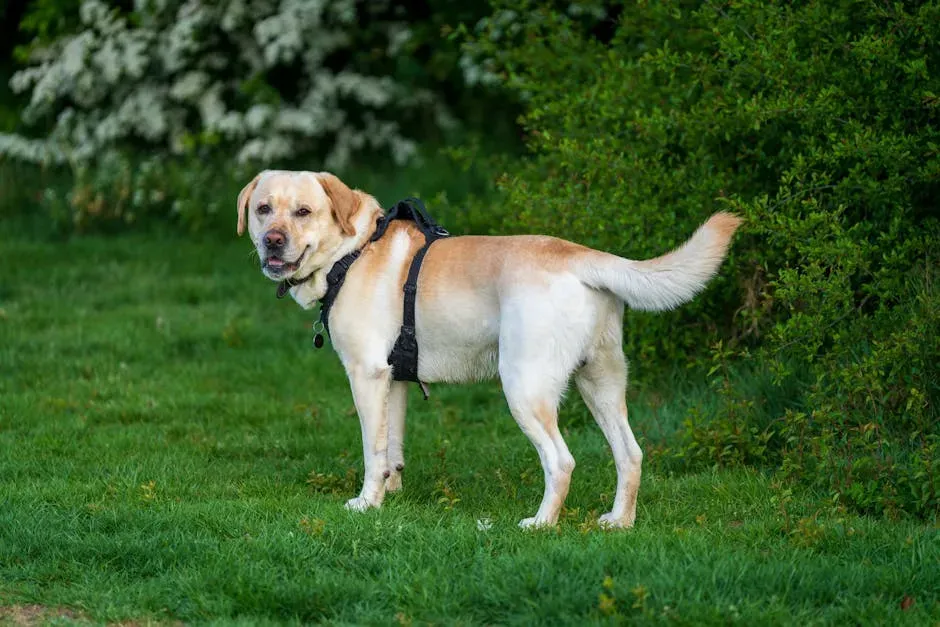
When a tail moves quickly, the dog usually experiences elevated energy. That energy can stem from play, greeting a familiar person, or even tension in a new setting.
Research from veterinary sources notes that faster movement pairs with higher overall arousal. The same quick pace appears in both positive and negative situations, so context from the rest of the body becomes essential. A stiff posture or raised hackles can shift the meaning even when the wag stays rapid.
Slow Wags as Signals of Caution
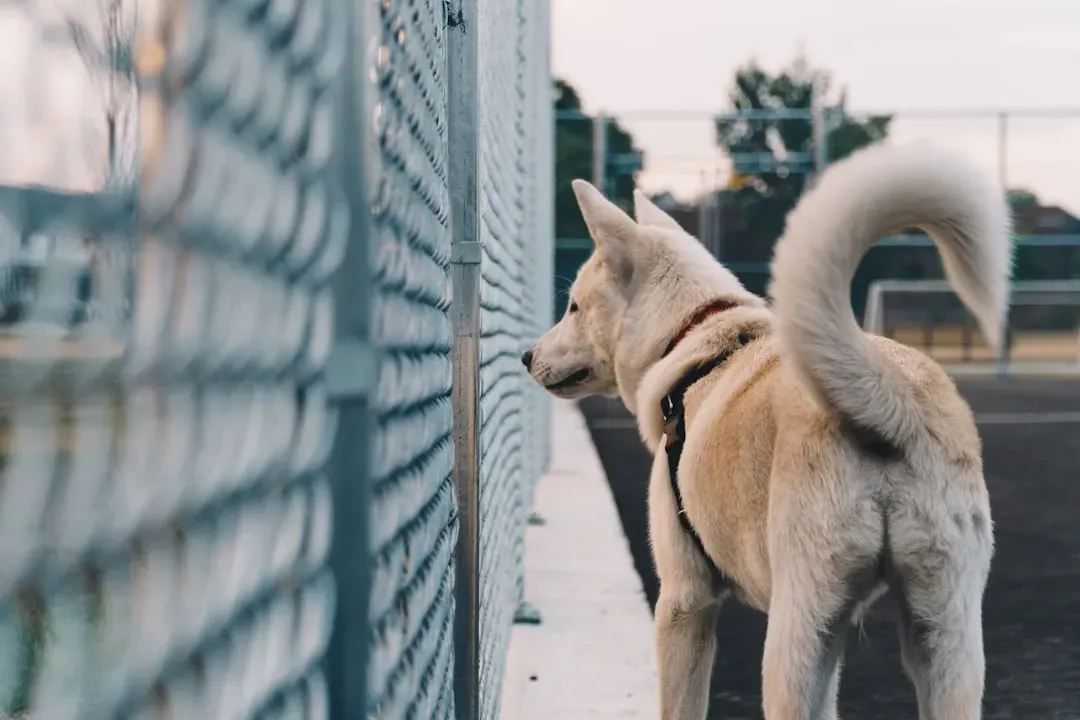
A slower tail movement often appears when a dog feels tentative about what might happen next. The pace drops as the animal gathers more information before committing to a stronger response.
Veterinary behavior descriptions link this measured motion to a kind of neutral or slightly lowered position. It functions almost like a gentle flag that says the dog is still deciding. Approaching too quickly in these moments can interrupt the process and create unnecessary stress.
The Role of Tail Position Alongside Speed
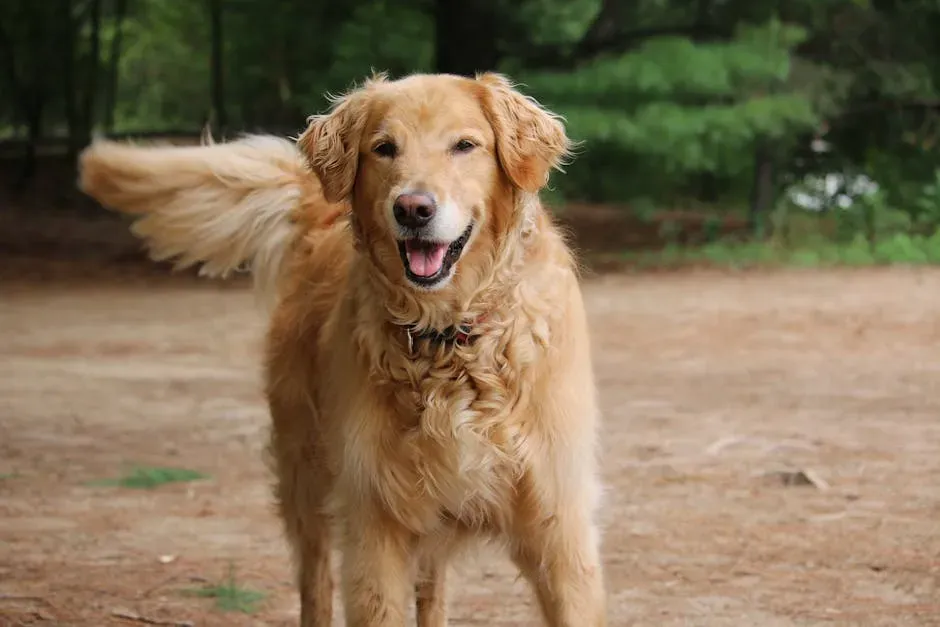
Speed rarely works alone. A fast wag held high tends to read as confident excitement, while the same speed kept low can point toward nervousness or submission.
Slower wags follow similar rules. When the tail stays near neutral or drops a bit, the message leans toward uncertainty rather than outright fear. Watching both elements together gives a clearer picture than speed by itself ever could.
What Research Reveals About These Differences
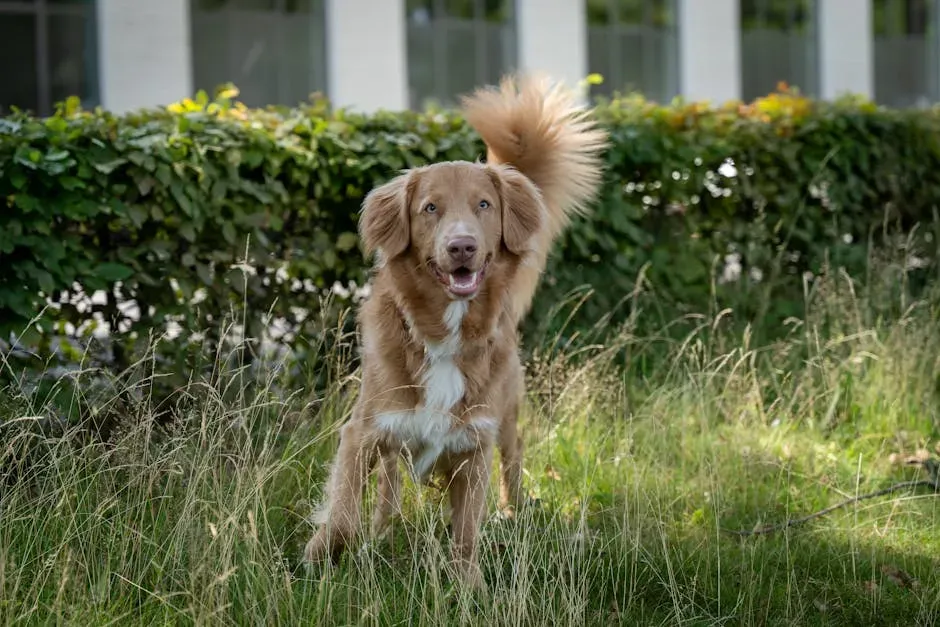
Reviews of canine studies, including a 2024 summary in Biology Letters, emphasize that tail wagging involves multiple variables at once. Speed, direction, height, and even which part of the tail moves all contribute to the signal.
Scientists have measured heart rate links and emotional states tied to different wag patterns. The data supports the everyday observation that not every wag carries the same weight. More work continues on how dogs themselves interpret these variations in other dogs.
Observing Your Own Dog in Daily Life
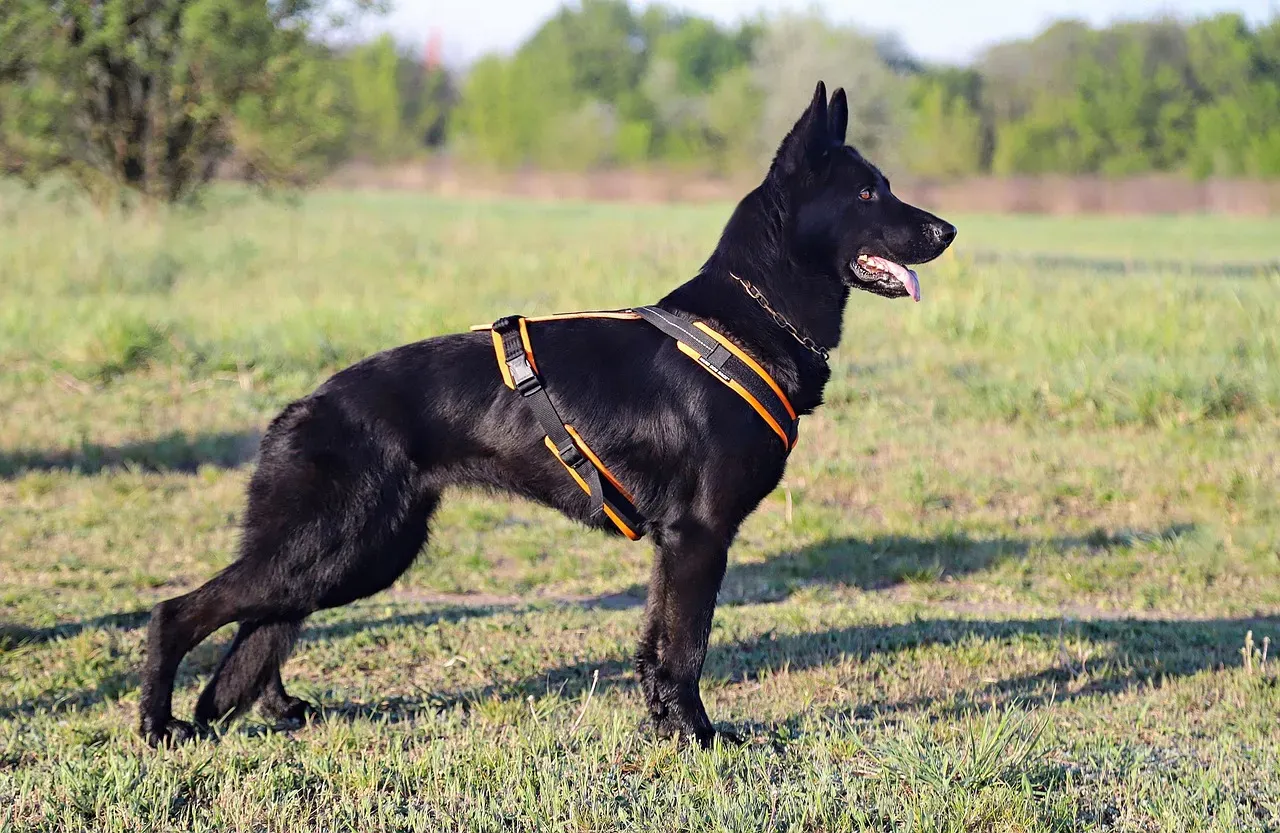
Start by noting what happens right before and after a particular wag. Does the speed change when a visitor arrives or when another dog appears on the walk?
Keep track over several days without forcing any reaction. Patterns emerge naturally once the habit of watching forms. Many owners find they adjust their own timing once they recognize when their dog needs a moment to settle.
The Value of Paying Attention to Subtle Cues
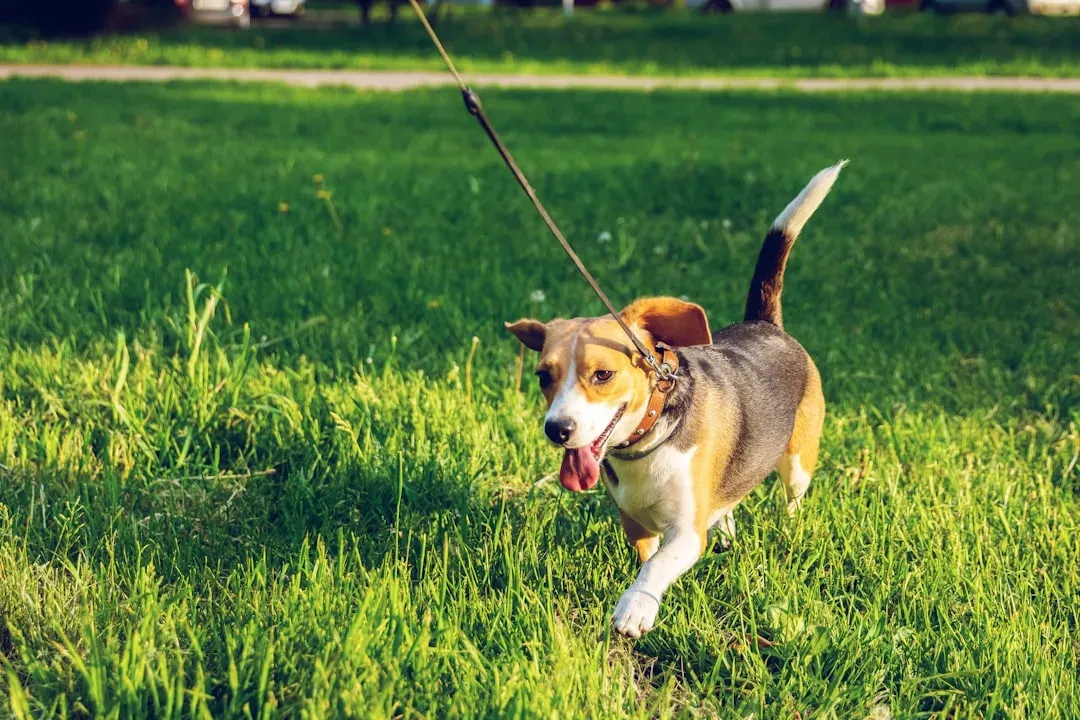
Recognizing the difference between slow and fast wags improves everyday interactions. It reduces misunderstandings that can lead to tension on either side of the leash.
Dogs already work hard to make themselves understood. Meeting them halfway by noticing these details strengthens the quiet trust that builds over time. In the end, small observations like these turn routine moments into clearer conversations between species.


