
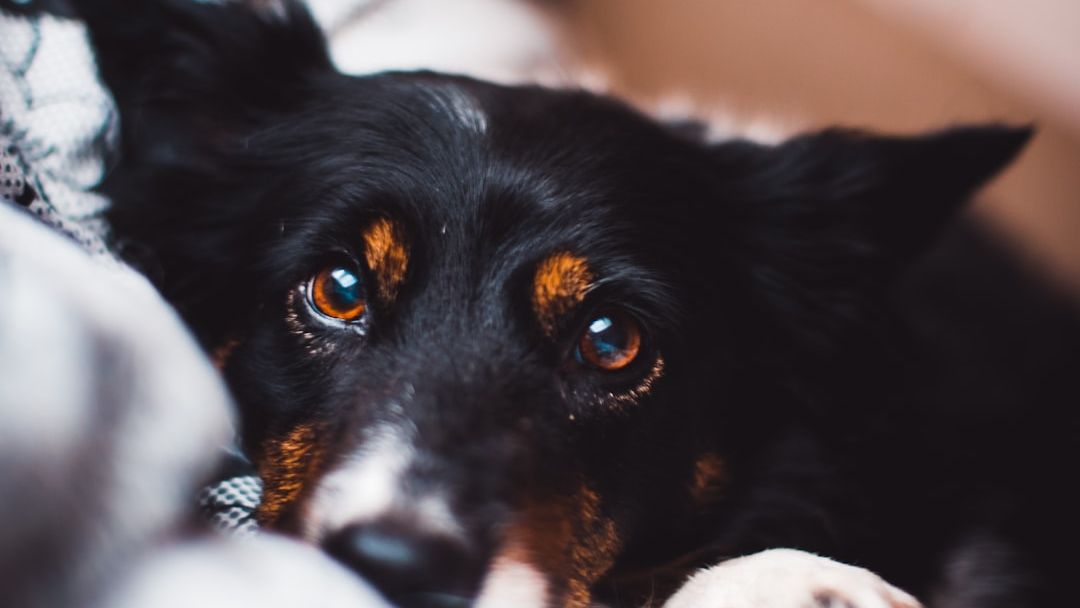
Many pet owners describe a moment that stays with them long after their dog has passed. Their companion, often weak and fading, turns and holds their eyes with an intensity that feels deliberate. That look raises questions about what dogs understand in their last hours and how they turn to the people closest to them.
Canine psychology offers one clear interpretation. When a dying dog locks eyes with you, the behavior reflects a search for the familiar security of their pack leader. This instinct points to deep rooted needs for reassurance, comfort, and a sense of safety even as the body winds down.
Decoding Canine Body Language in Stressful Times
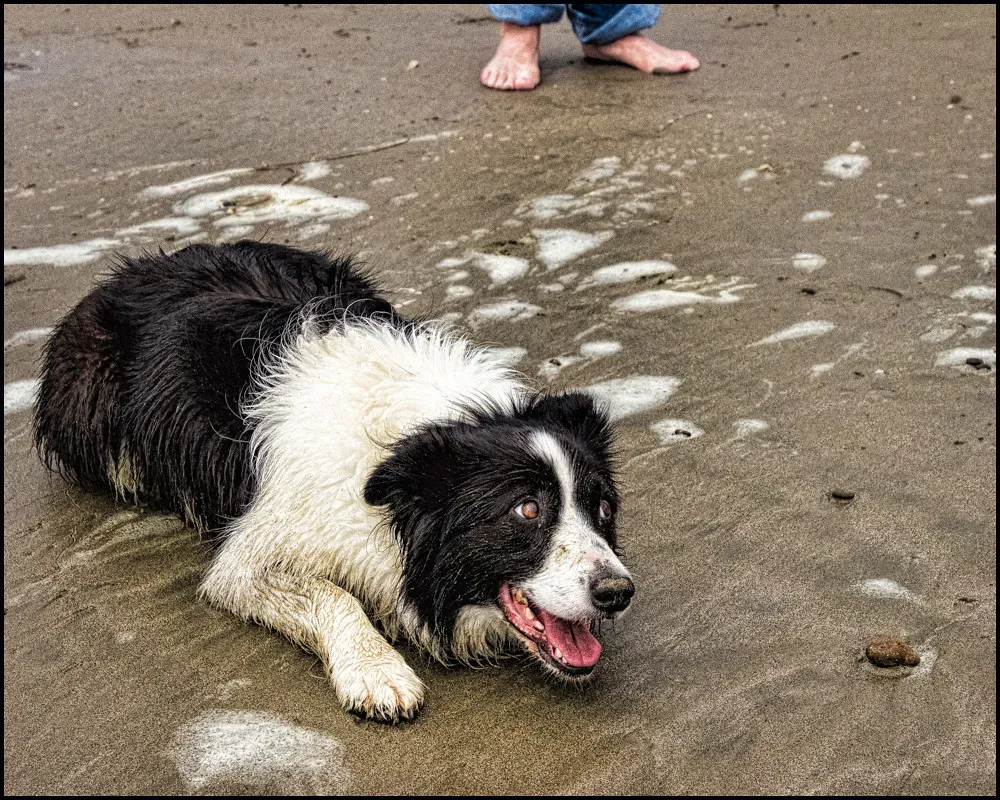
Dogs communicate far more through subtle signals than most people realize at first glance. Prolonged eye contact often serves as a request for connection rather than a challenge, especially when the animal feels vulnerable. Owners who notice this shift in their pet’s final days frequently report a sense of mutual recognition that goes beyond ordinary interaction.
Body posture changes accompany the gaze in many cases. A dog may relax its ears or lean slightly toward the person it trusts most. These small adjustments reveal an effort to stay anchored to the social structure that has defined its life.
The Pack Leader Concept in Modern Dog Human Relationships
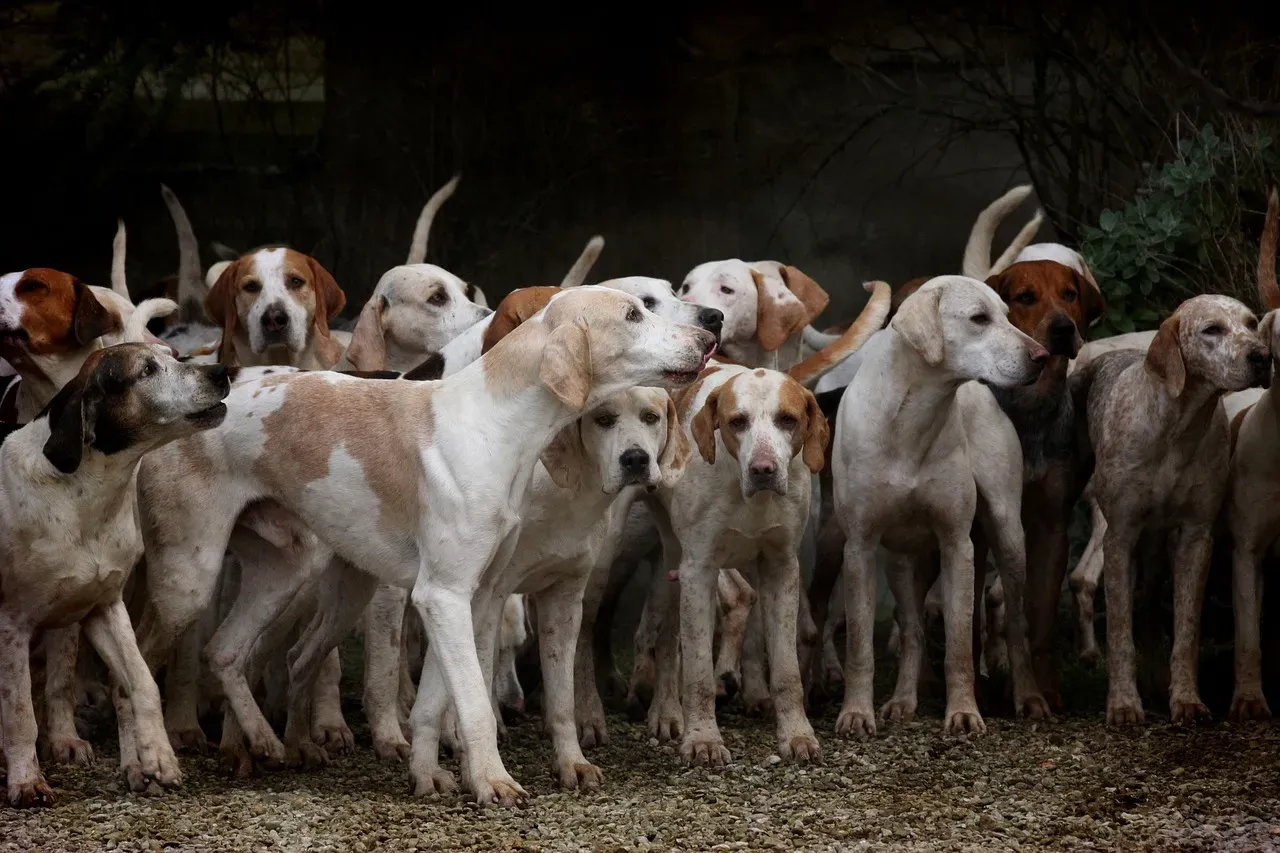
Domestic dogs still carry instincts shaped by their wild ancestors, where group cohesion depended on clear leadership. In a home setting the primary caregiver often fills that role through daily routines like feeding, walking, and protection. A dying dog may revert to this framework when facing uncertainty.
Research into canine social behavior shows that dogs look to consistent figures for cues during moments of stress. The final gaze can represent an extension of that lifelong pattern. It underscores how the human becomes the steady point in an otherwise changing world.
Physiological Changes Dogs Experience Near Death
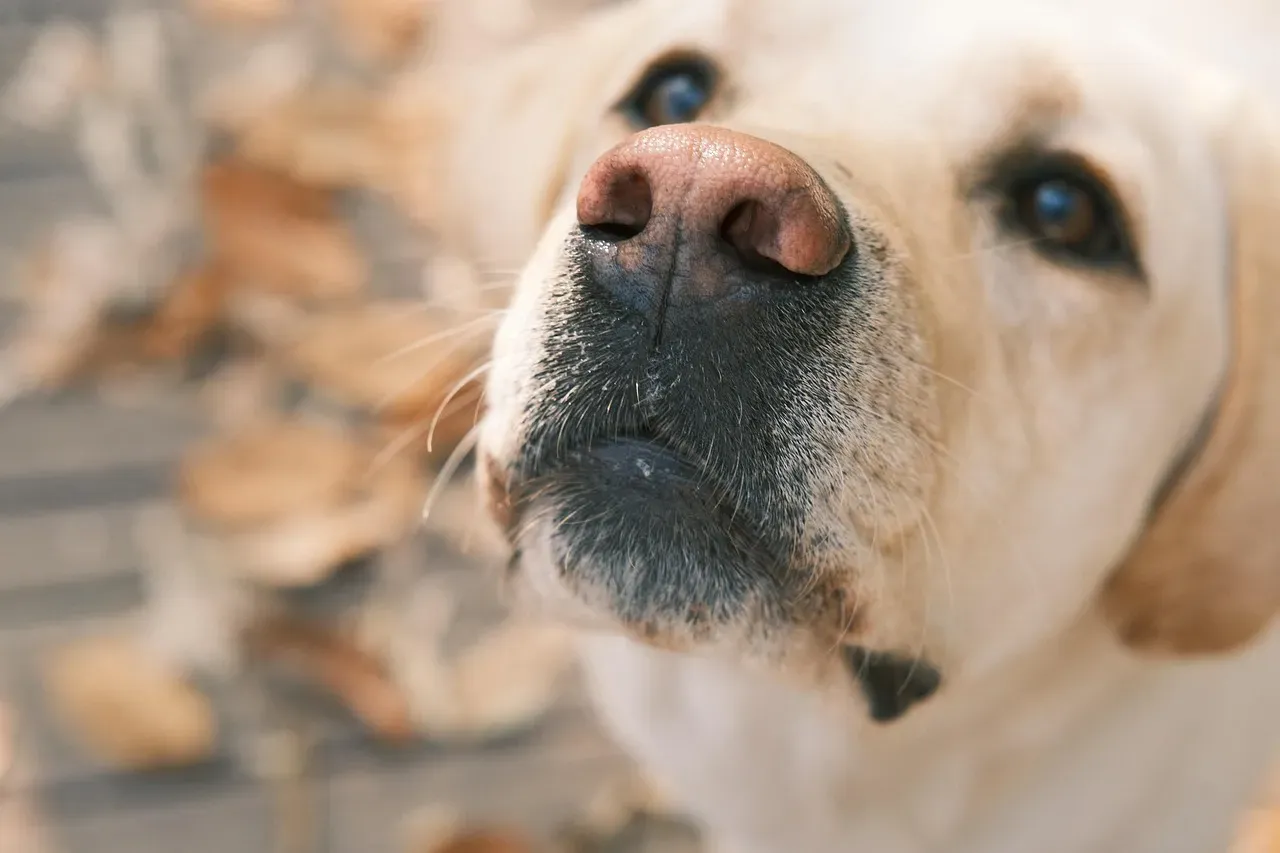
As a dog’s body slows, its senses and energy levels shift in noticeable ways. Weakness can make movement difficult, so the animal relies more on visual and emotional cues from its surroundings. Eye contact becomes one of the few remaining ways to seek connection.
Comfort comes from familiar voices and scents as much as from physical presence. Many dogs appear calmer when their trusted person stays close during these hours. This response aligns with the broader need for security that persists even when other functions decline.
Why Eye Contact Holds Special Significance for Dogs
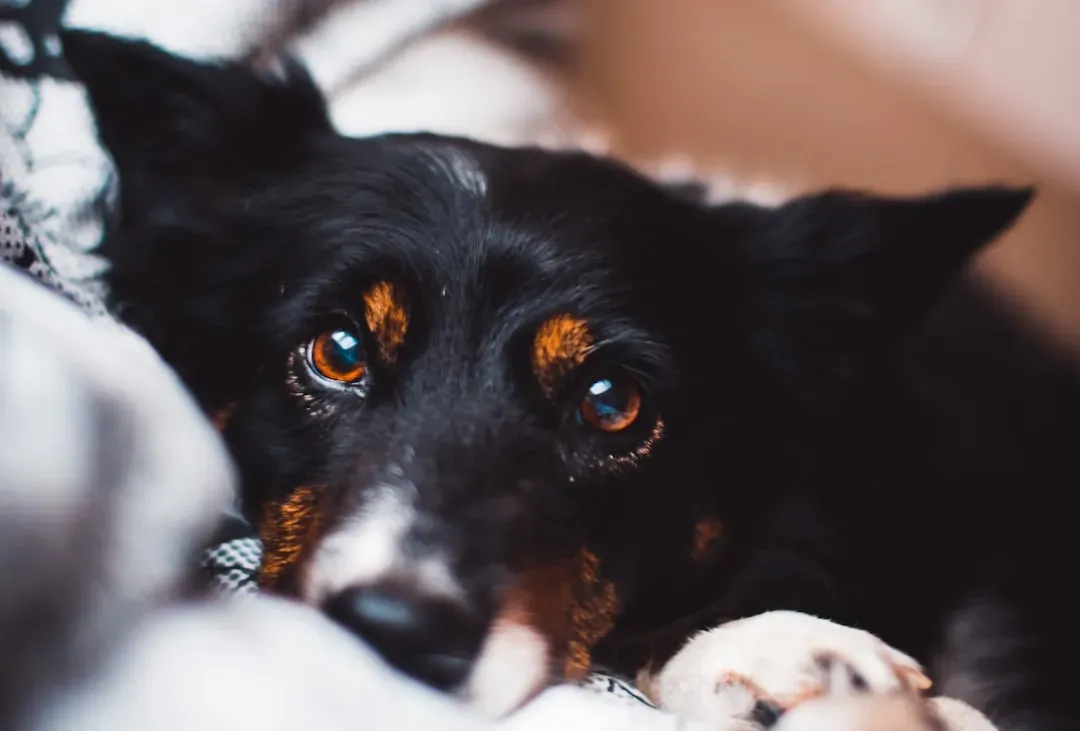
Eye contact in dogs carries layered meanings depending on context and relationship. In positive bonds it often signals trust and affection rather than confrontation. A dying dog may use this tool to bridge the gap between its fading awareness and the steady presence of its person.
Studies of canine cognition highlight how dogs read human faces with remarkable accuracy. They pick up on expressions of calm or concern and respond accordingly. The locked gaze in the final stage may therefore serve as both a request and an acknowledgment of that shared understanding.
Providing Reassurance During a Pet’s Final Hours
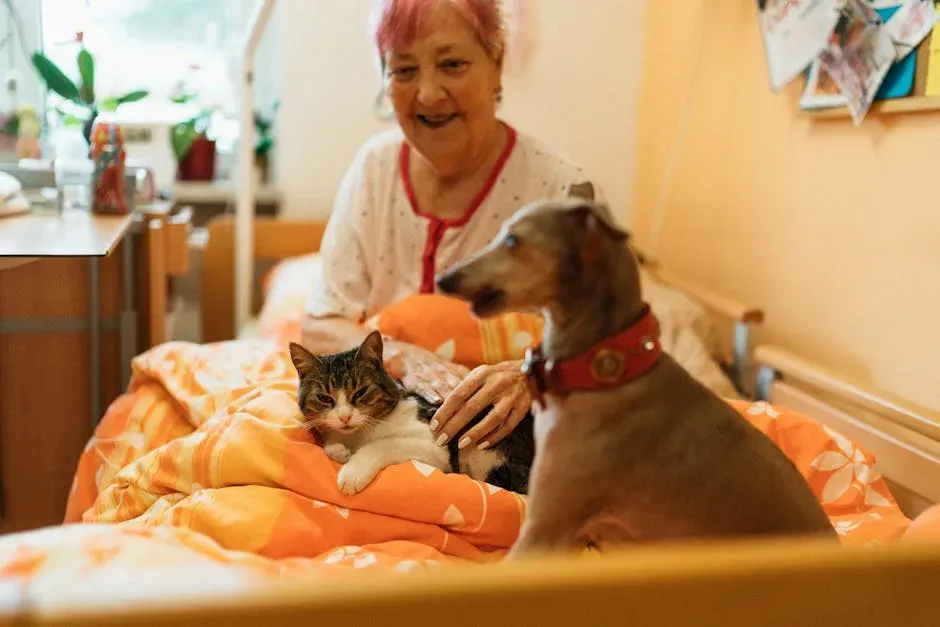
Simple actions can make a meaningful difference when a dog reaches this point. Speaking softly, maintaining gentle touch, or simply remaining in the same room helps reinforce the sense of safety the animal seeks. These gestures echo the leadership role the dog has relied on throughout its life.
Consistency matters more than elaborate efforts. A calm demeanor from the owner often translates into visible relaxation for the dog. Owners who stay present report feeling they honored the bond in its most essential form.
Embracing the Bond That Lasts Beyond Goodbye

The final gaze reminds us that dogs experience their world through relationships rather than isolation. Recognizing this instinct invites owners to meet the moment with the same steadiness their pet has always expected. It transforms a painful passage into one last act of mutual care.
In the end the look carries weight because it reflects a lifetime of trust built in ordinary days. That connection does not vanish with the last breath. It lingers as a quiet affirmation of the role each person played in their dog’s story.


