
The Instinct to Seek Solitude

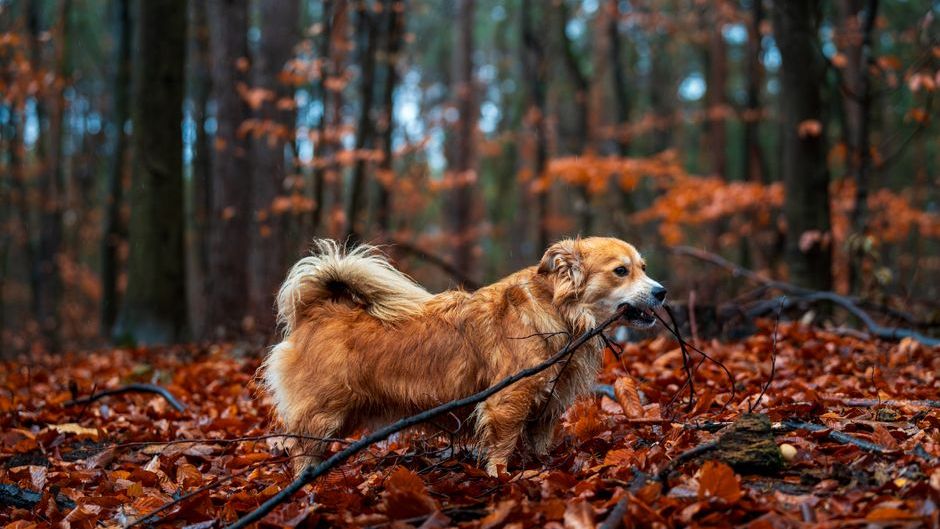
Dogs carry an ancient drive to protect the pack by removing themselves when they sense weakness. In their final days this instinct can lead them to slip away to corners of the house or yard that feel safe and hidden. Owners sometimes interpret the move as simple tiredness rather than a deliberate choice shaped by thousands of years of evolution.
The shift happens gradually at first, with the dog choosing a spot away from daily foot traffic. Over time the preference becomes more pronounced as energy fades. What looks like a peaceful nap in another room may actually mark the beginning of a final withdrawal that few people catch in time.
Subtle Changes in Daily Routines
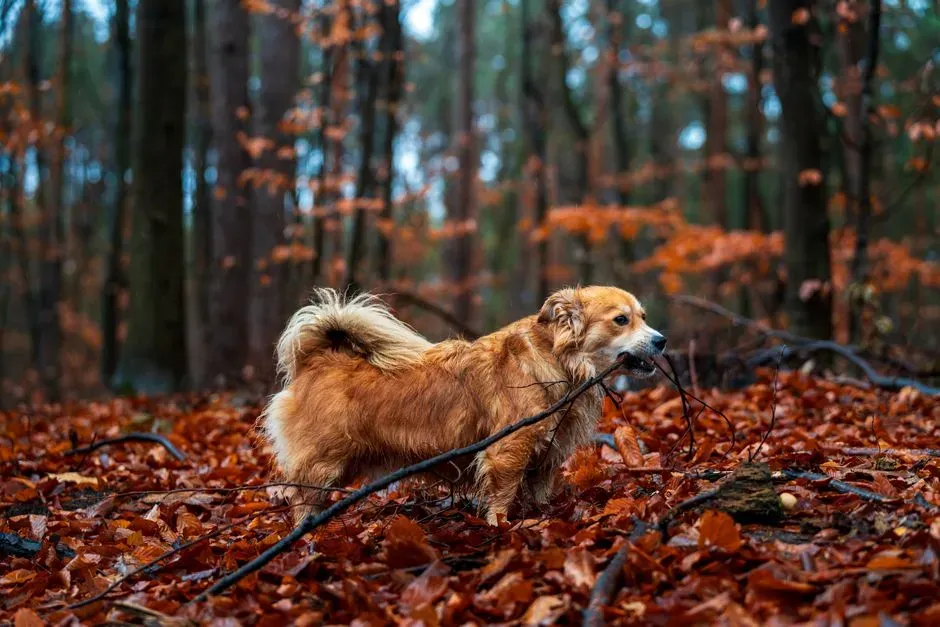
Appetite often drops first, yet many owners chalk it up to a picky phase or a minor stomach upset. The dog may still wander over at mealtime out of habit but then turn away after a few bites. These small refusals add up without raising immediate alarm bells.
Sleep patterns also drift, with longer stretches of rest interrupted by restless pacing at odd hours. A once energetic morning walker might now linger by the door instead of bounding ahead. Each adjustment feels minor on its own, which is exactly why the larger picture stays hidden until later.
Reduced Eye Contact and Greeting Rituals
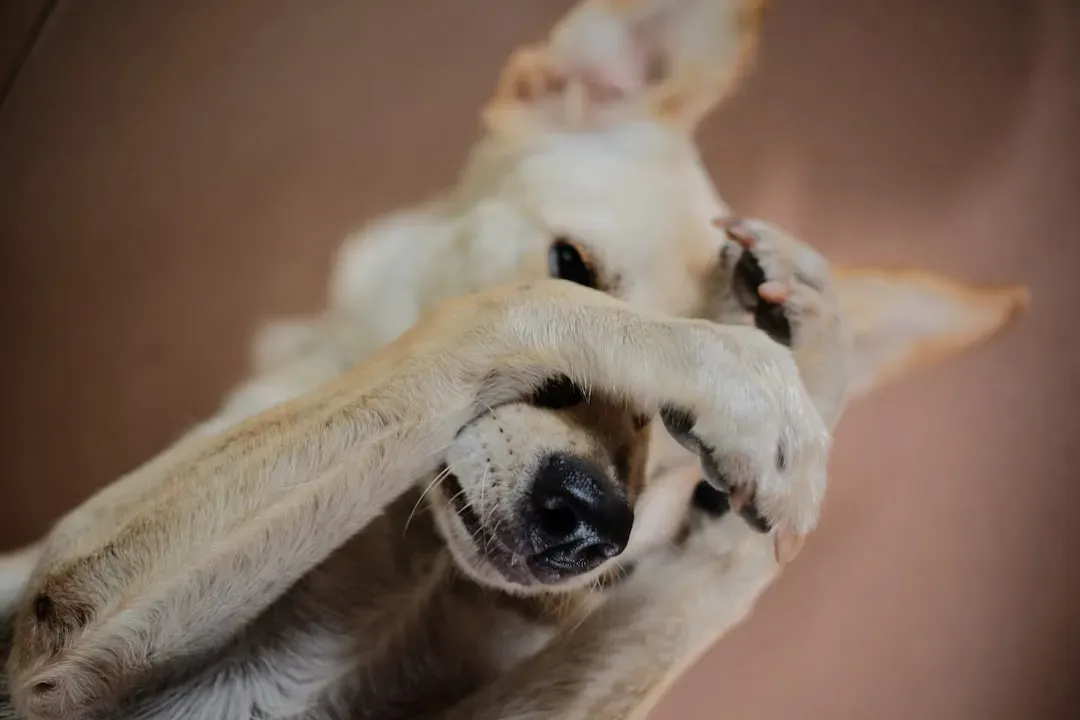
Most dogs greet their people with direct looks and tail wags that signal connection. In the closing stage that direct gaze can soften or disappear altogether as the animal conserves what little strength remains. The absence registers as nothing more than a quiet mood rather than a meaningful signal.
Owners may notice fewer excited circles at the door or shorter head nudges for attention. The change feels gradual enough to dismiss as age related mellowing. Only in hindsight does the missing ritual stand out as part of a deeper retreat.
Preference for Familiar Scents Over Interaction
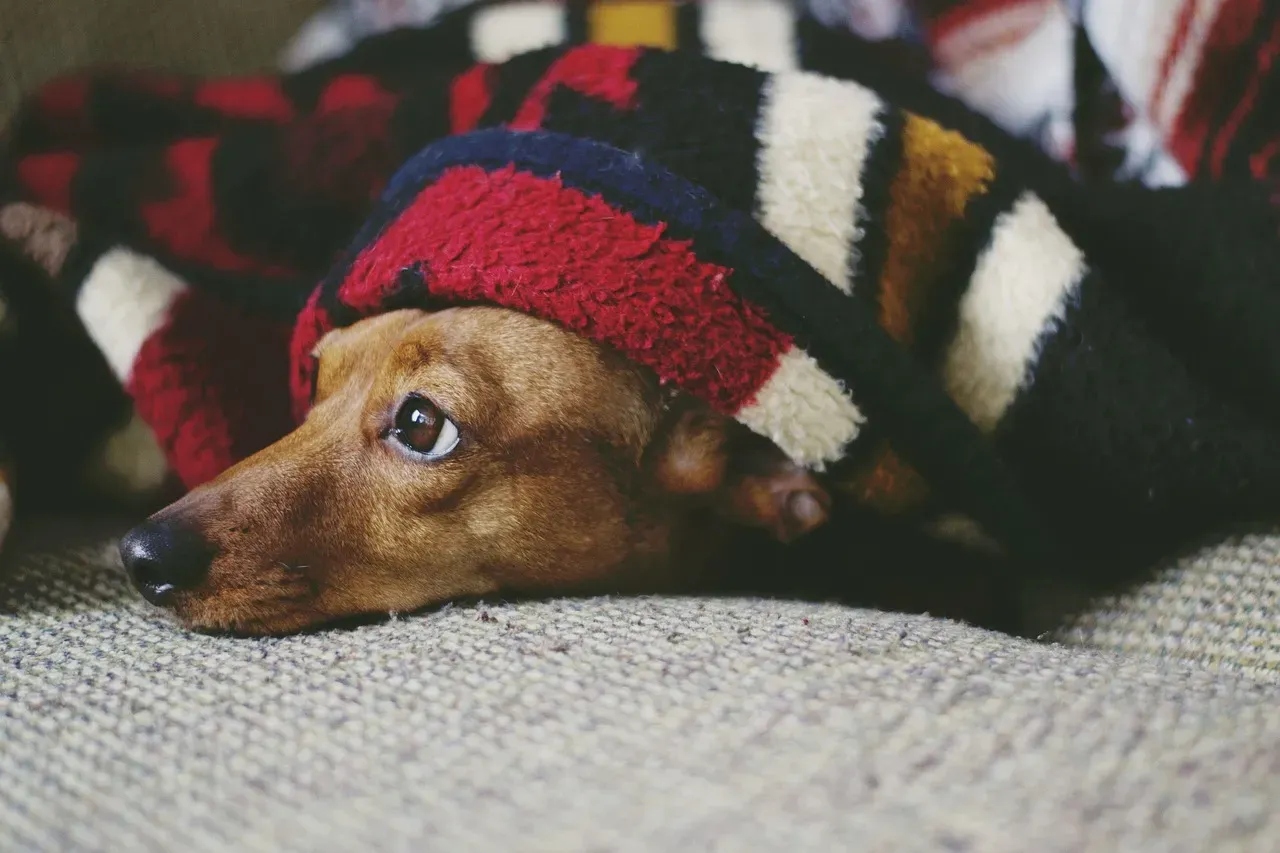
Some dogs begin to linger near worn blankets or favorite resting spots that carry the scent of the household. They may sniff these items repeatedly while showing less interest in being petted or talked to. The behavior reflects a need for comfort drawn from memory rather than current engagement.
This focus on objects instead of people can appear as simple contentment with surroundings. In reality it often marks a turning inward that precedes the final hours. Families frequently recall these moments only after the fact, wishing they had read the cue differently.
Physical Posture and Movement Shifts
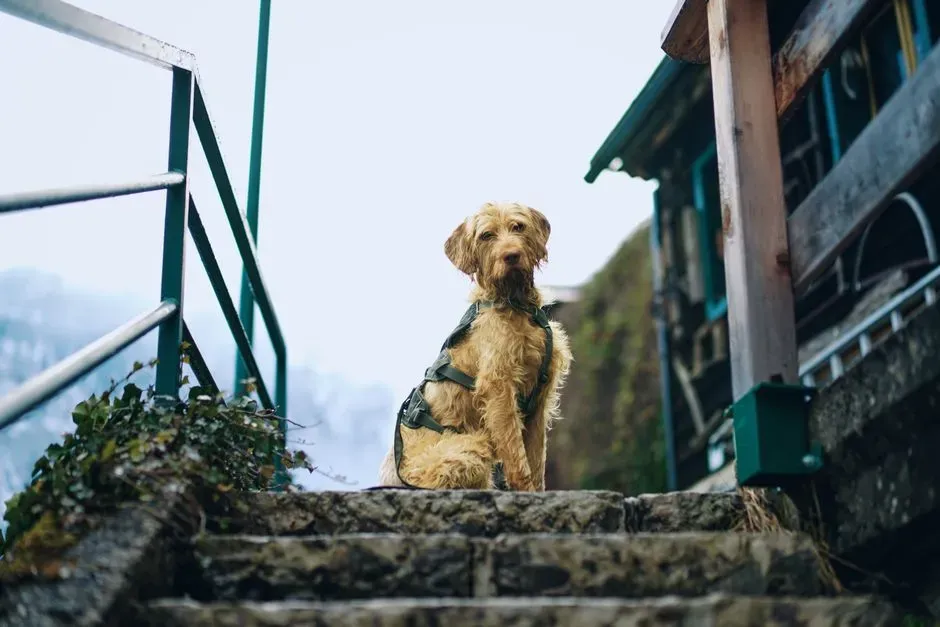
Posture can tighten or hunch slightly as discomfort grows, yet the dog still tries to move normally around the home. Stairs that once posed no problem may now require extra pauses or careful steps. These adjustments stay small enough that busy households overlook them amid everyday noise.
Breathing may slow during rest periods without obvious wheezing or distress. The overall picture looks like a senior dog taking it easy rather than a body preparing to shut down. Only when mobility drops sharply does the earlier pattern become clear.
Why These Signals Stay Hidden
Daily life moves quickly, and small behavioral drifts blend into the background of work schedules and family demands. Dogs are masters at masking discomfort, a trait that once helped them survive in the wild. That same ability now keeps owners from noticing the full weight of what is happening.
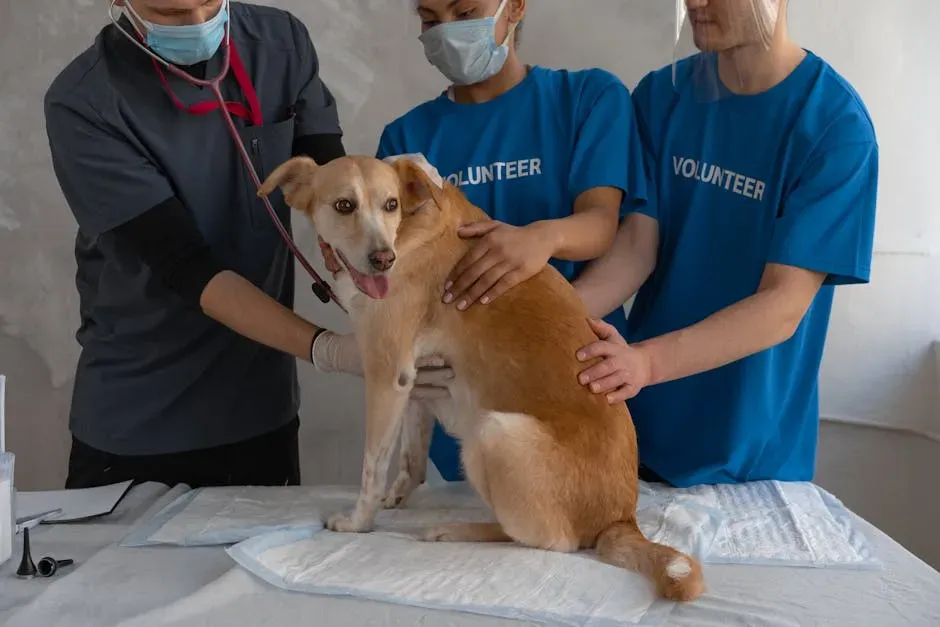
Veterinary guidance often emphasizes watching for clusters of changes rather than single events. Without that framework, each quiet shift registers as isolated and therefore less urgent. The result is a delayed realization that arrives only when options have narrowed.
Creating Space for a Gentler Goodbye
Paying closer attention to these patterns allows families to adjust routines sooner, whether that means more floor time in the dog’s chosen spot or a final trip to a favorite park. Veterinary teams can offer comfort measures that ease the physical side while owners focus on presence. The goal becomes supporting the dog where it feels safest rather than coaxing it back to old habits.
Every dog writes its own ending, yet the instinct toward solitude appears across many stories shared by owners. Noticing it does not erase the sadness, but it can replace regret with a sense of having met the animal on its own terms. In the end that quiet recognition may be the most honest gift left to give.


