
The Comfort of Familiar Routines
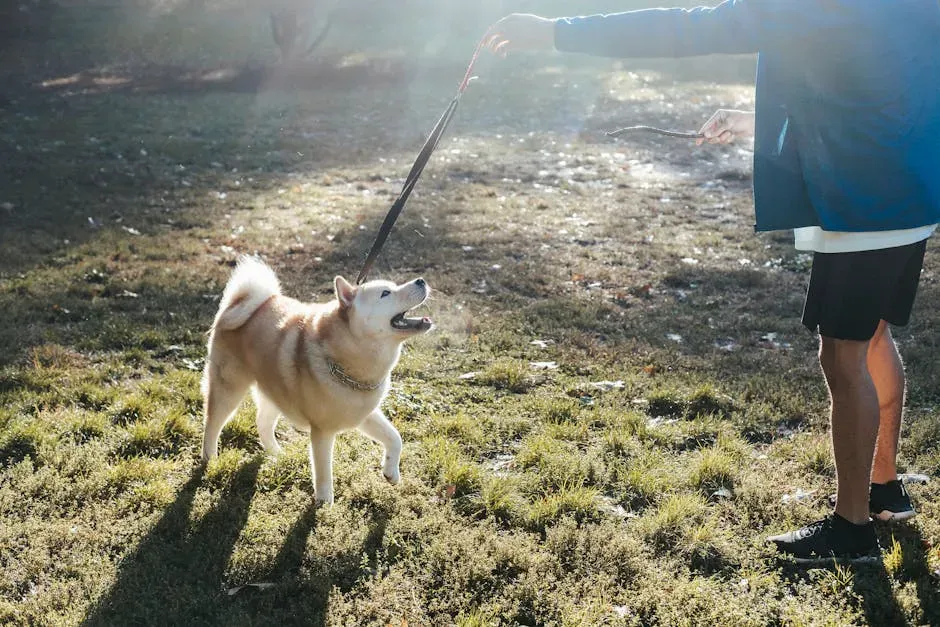
Dogs thrive on the steady rhythm of daily life. They learn when meals arrive, when walks happen, and when their person typically walks through the door. Any shift in that pattern registers as something worth noticing.
Over time these expectations become part of how they organize their day. A late arrival disrupts the sequence they have come to count on. The result is a subtle sense that something in their world has moved out of place.
How Dogs Experience the Passage of Time
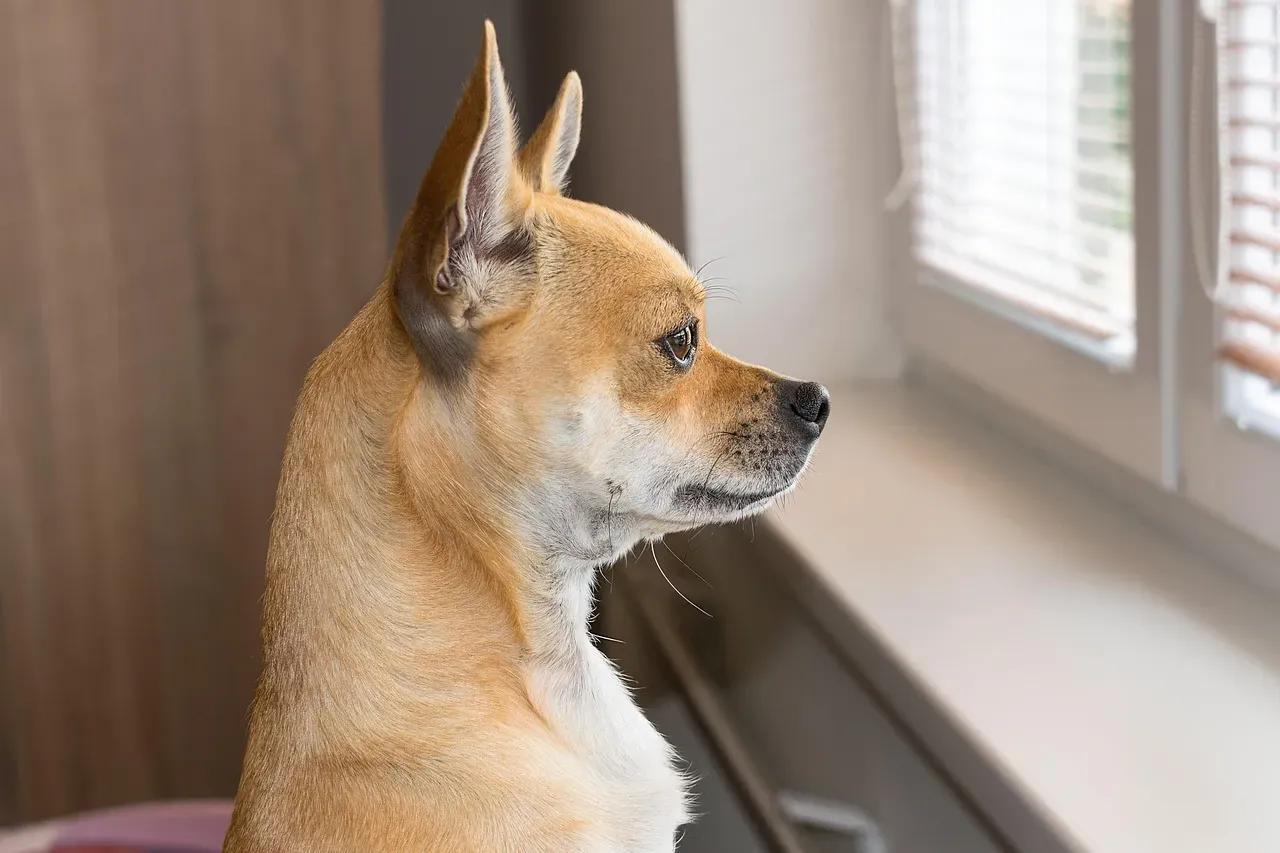
Research into canine cognition shows dogs possess an internal sense of duration. They can distinguish between short and long absences even without clocks or calendars. This ability helps them anticipate events but also leaves room for uncertainty when schedules stretch.
Longer waits can feel open ended. Without clear signals that the delay will end soon, the waiting stretches into something less comfortable. The mind stays alert rather than settling into rest.
Signs That Worry Has Taken Hold
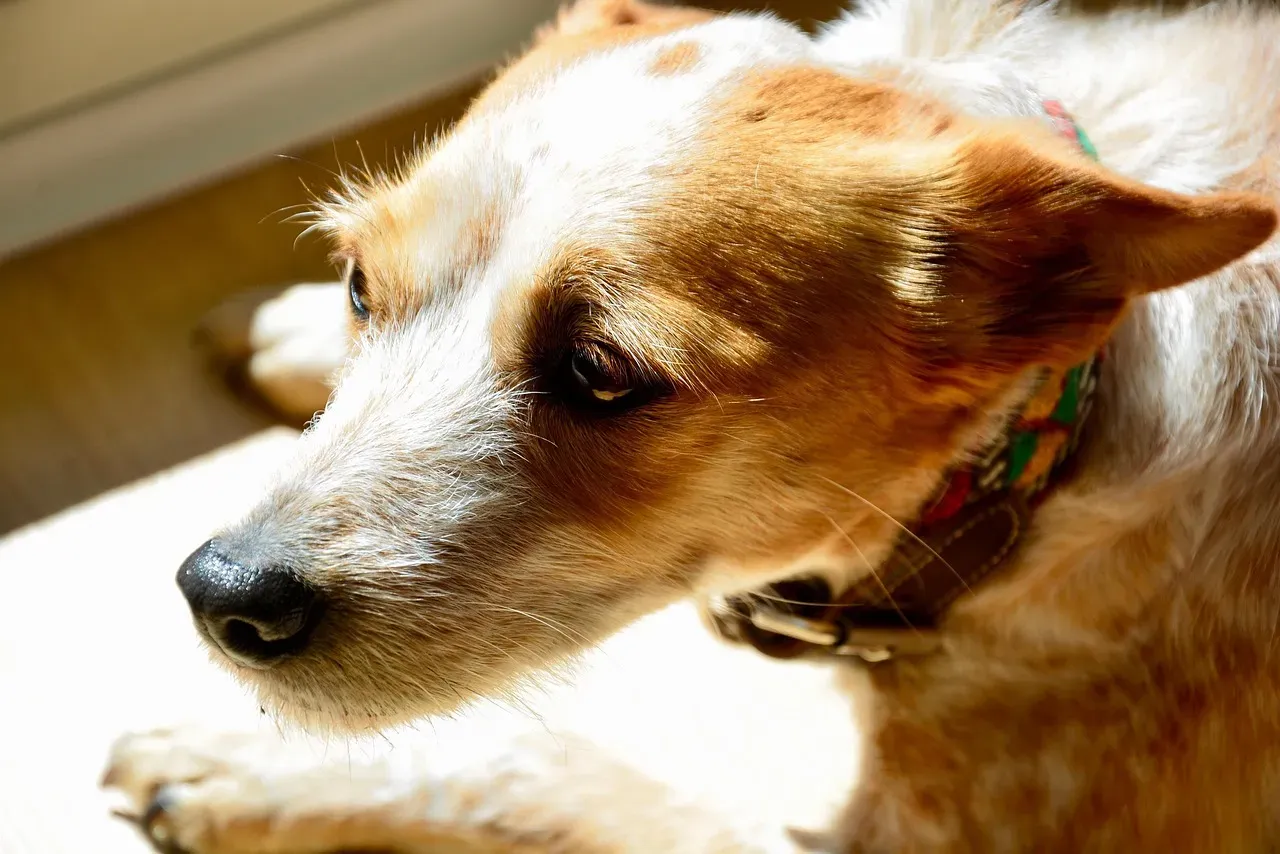
Many dogs show their concern through small changes in behavior. Pacing near the door, checking windows, or resting in spots that offer a view of the entrance are common. These actions reflect an ongoing effort to track when the missing person might return.
Some dogs become quieter than usual or lose interest in toys and food. Others may chew or vocalize more than normal. Each response points to the same underlying state of heightened attention during the wait.
The Emotional Side of Reunion
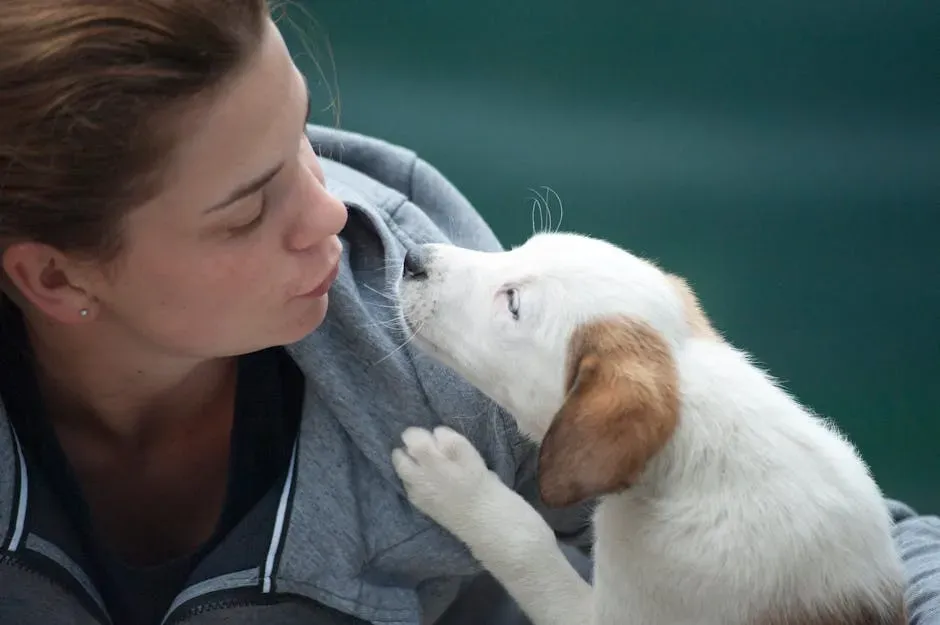
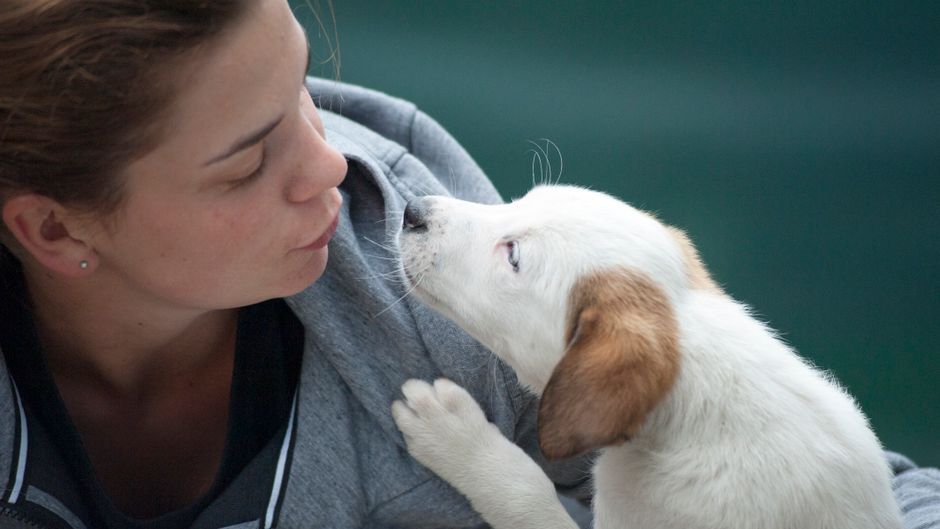
When the door finally opens the greeting often carries extra intensity. The dog may lean in closer or stay near for longer than on ordinary days. This surge of contact serves as a way to confirm the person is truly back and safe.
Yet the relief does not erase the earlier stretch of uncertainty. The strong reaction reveals how much the absence mattered. It also shows the depth of the bond that makes the timing feel significant in the first place.
What Attachment Looks Like in Daily Life
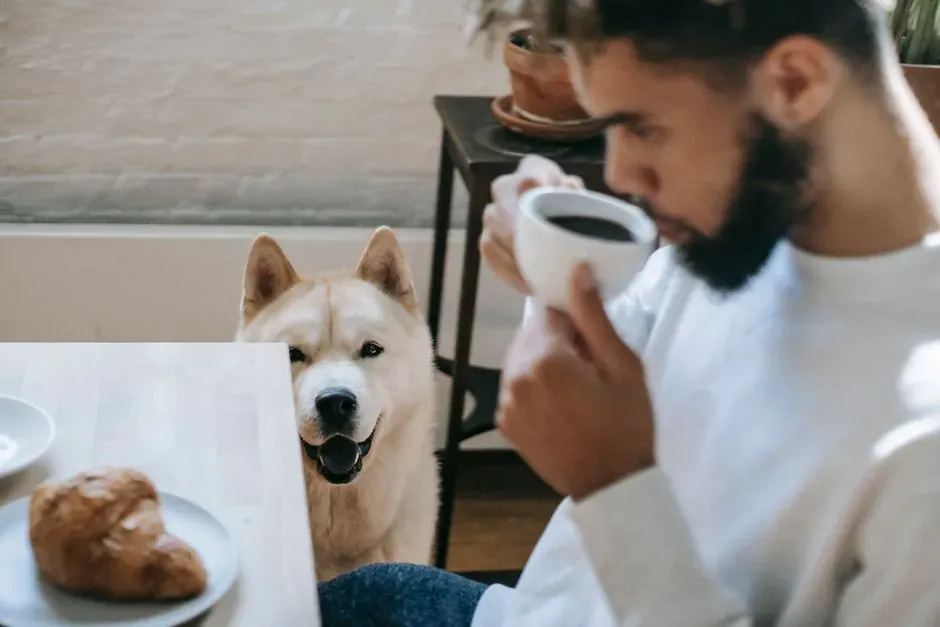
Dogs form close ties that resemble the secure base patterns seen in other social species. They look to their person for cues about safety and for shared activities that structure the day. When those connections are interrupted the effect registers emotionally as well as practically.
Secure dogs still notice changes but recover more quickly once the routine resumes. Less secure dogs may carry the tension longer. Either way the relationship itself shapes how a late arrival lands.
Small Adjustments That Make a Difference
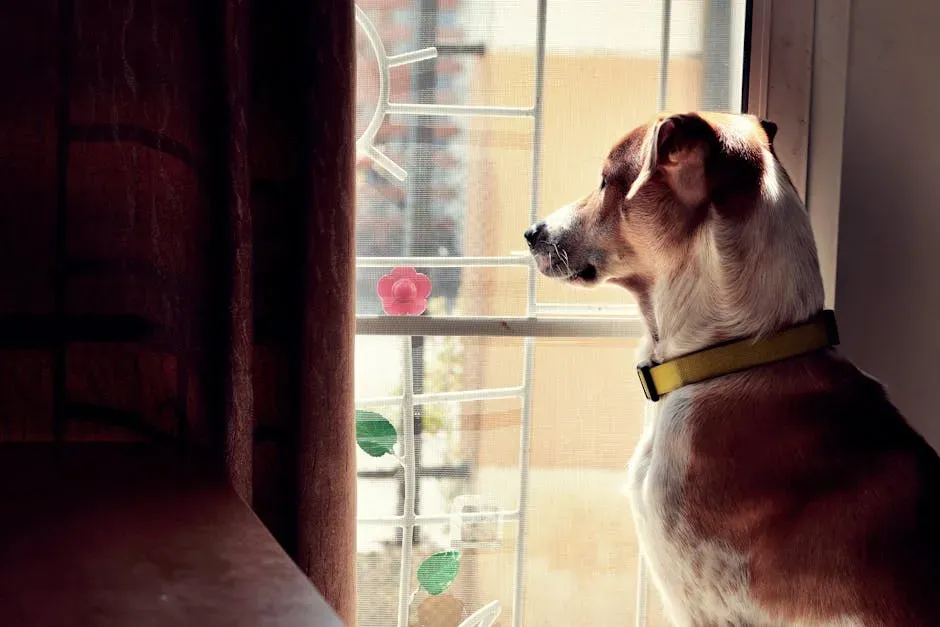
Leaving a worn item of clothing or a familiar blanket can provide a steady scent reminder. Puzzle toys filled before departure turn waiting time into a gentle activity. Both approaches give the dog something predictable to engage with while the hours pass.
Consistent departure and return signals also help. A short phrase or specific action before leaving creates a clear start to the waiting period. Over repeated days these cues reduce the open ended feeling that fuels unease.
Why the Bond Makes Timing Matter
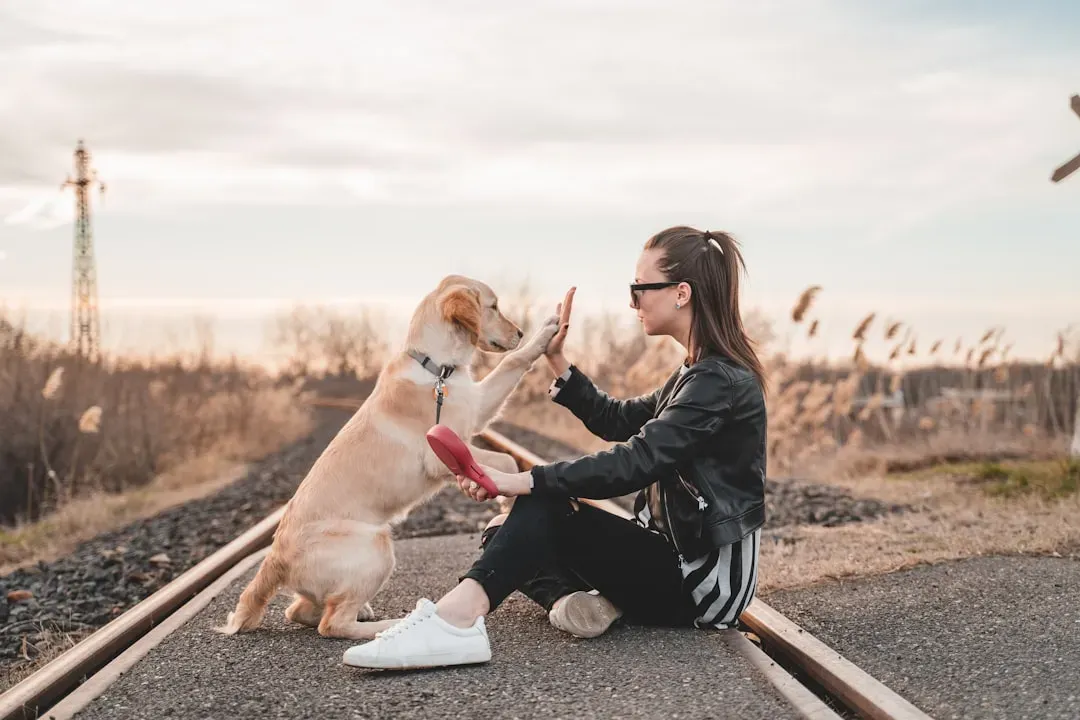
The connection between dog and person is built on shared time and mutual attention. When that time stretches unexpectedly the dog experiences the gap as a break in the usual flow. The quiet disappointment that follows is simply the other side of a strong attachment.
Recognizing this does not require assigning human thoughts to a dog. It only requires noticing the patterns they already show. Paying attention to those patterns turns an ordinary late evening into an opportunity to strengthen the daily rhythm they count on.
In the end the small effort to keep routines steady or ease the wait speaks directly to the trust your dog places in you every day. That trust is what turns a simple delay into something that truly registers.


