
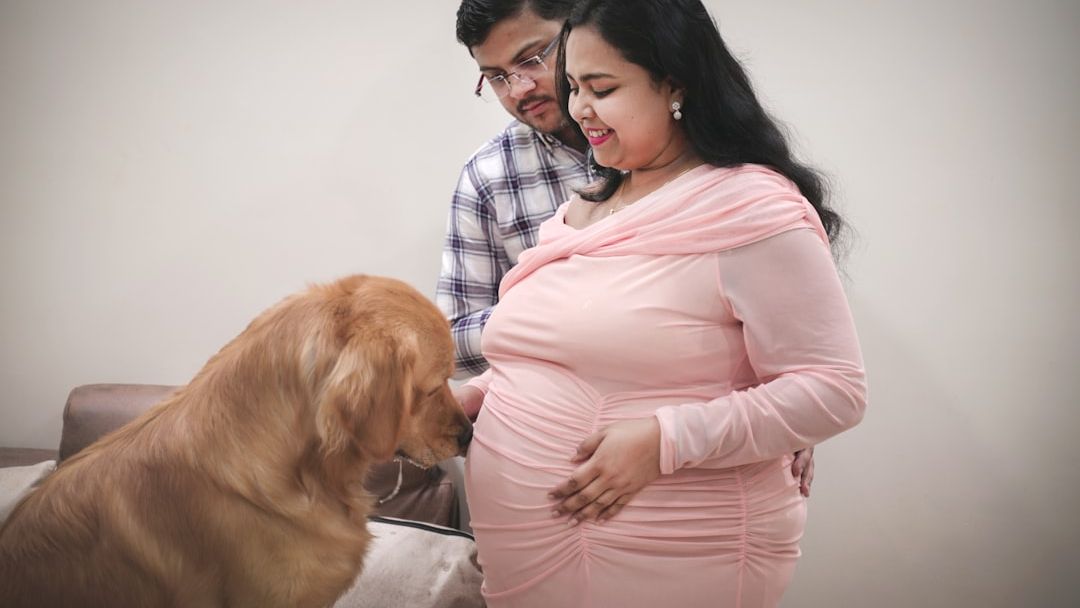
Pregnancy brings plenty of changes to a household, and dogs often pick up on shifts long before anyone else does. Their keen senses pick up on subtle hormonal differences and routine adjustments that humans might overlook at first. Many owners notice their pets behaving in new ways as the due date approaches, sparking curiosity about just how attuned these animals really are.
They Spend More Time Sniffing Your Belly
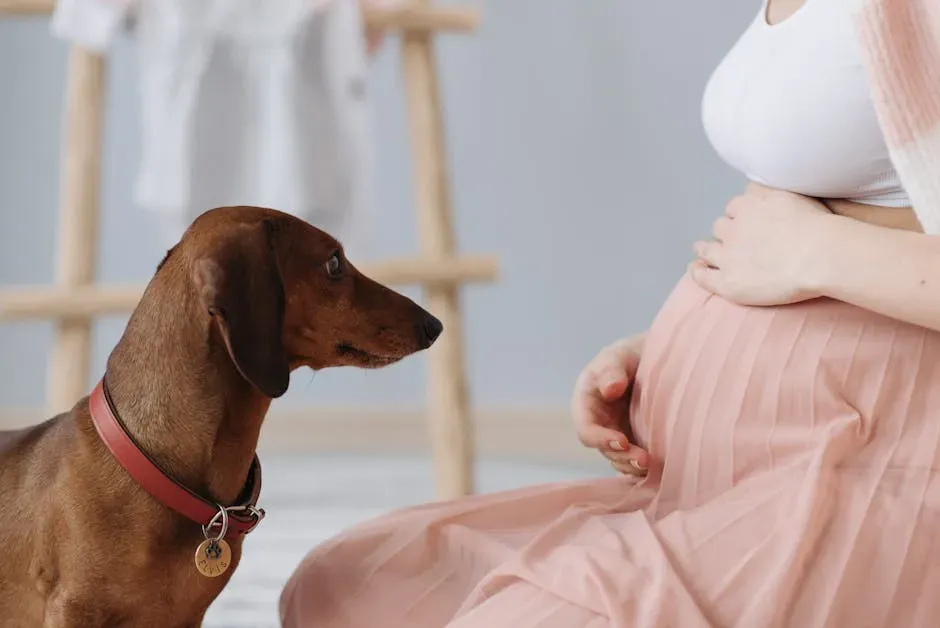
Dogs rely heavily on their sense of smell, and pregnancy hormones create noticeable changes in body chemistry. Your dog might linger near your midsection, taking deeper breaths or pressing their nose gently against the area. This behavior often starts early and becomes more frequent as the months pass.
Owners report that the sniffing comes with a calm focus rather than playful energy. It can happen during quiet moments on the couch or even while you are standing in the kitchen. The pattern tends to repeat daily once it begins.
They Follow You From Room to Room
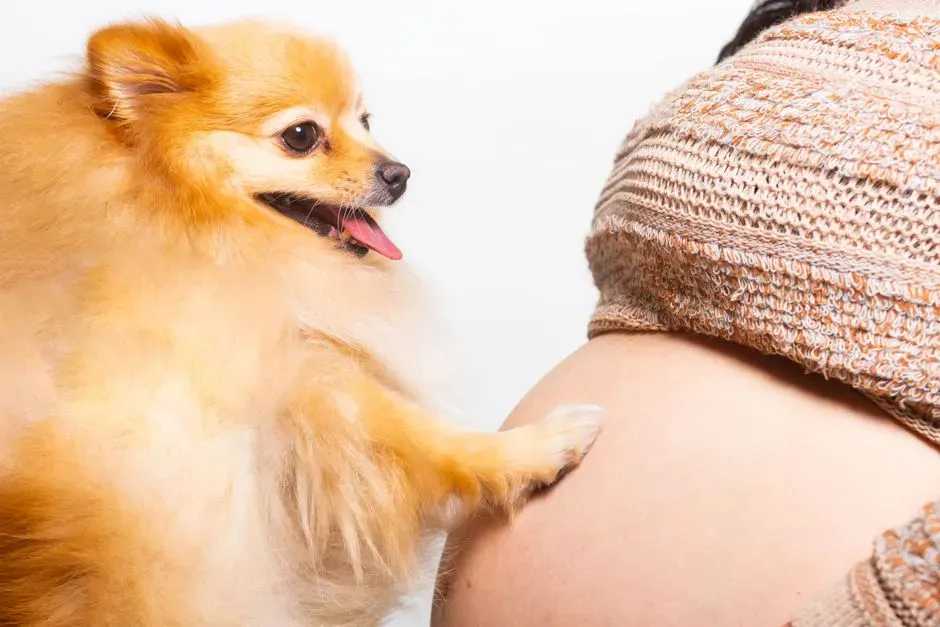
Clinginess often increases as your dog senses something different in the air. They trail behind you during everyday tasks like folding laundry or preparing meals. This shadowing feels protective rather than demanding attention.
The habit shows up even during short trips to the bathroom or backyard. Some dogs pause at doorways to check that you are still nearby. It reflects a growing awareness of your changing needs.
They Become More Protective of Your Space
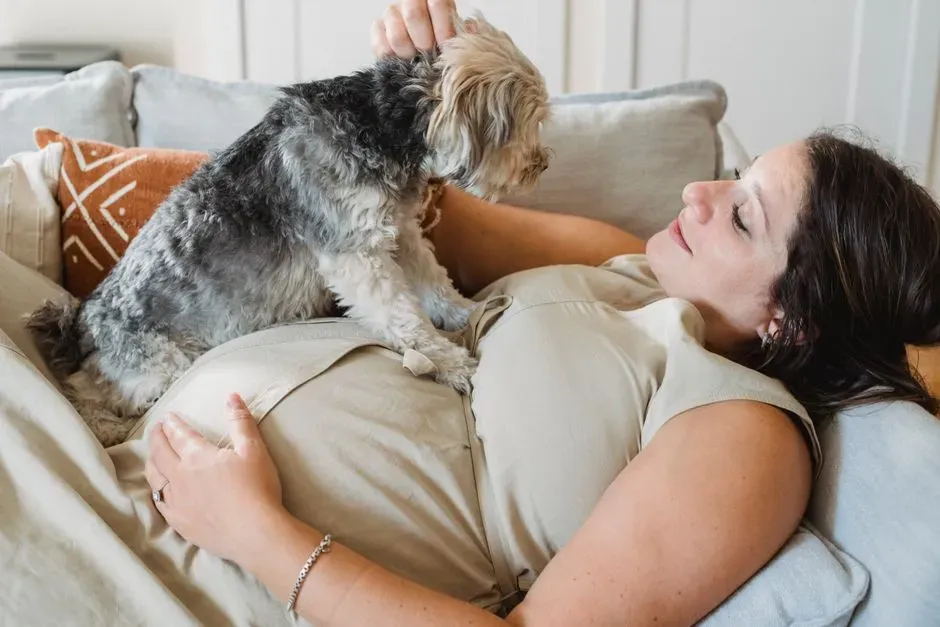
Many dogs start positioning themselves between you and visitors or other pets. They may stand alert near the door or watch family members more closely than before. This shift happens without any training or prompting.
The protectiveness shows in small ways, such as staying close during walks or resting nearer to your side of the bed. It rarely involves aggression but instead a steady presence. The behavior builds gradually over weeks.
Their Sleep Patterns Shift Noticeably

Restless nights or longer naps during the day can signal that your dog detects upcoming changes. They might wake more easily at small sounds or choose new sleeping spots closer to you. These adjustments often align with your own changing comfort levels.
Some dogs begin sleeping in the nursery area once it is set up, even before the baby arrives. Others stretch out in hallways to monitor movement through the house. The new rhythm feels tied to the household transition.
They React to Baby Items With Curiosity
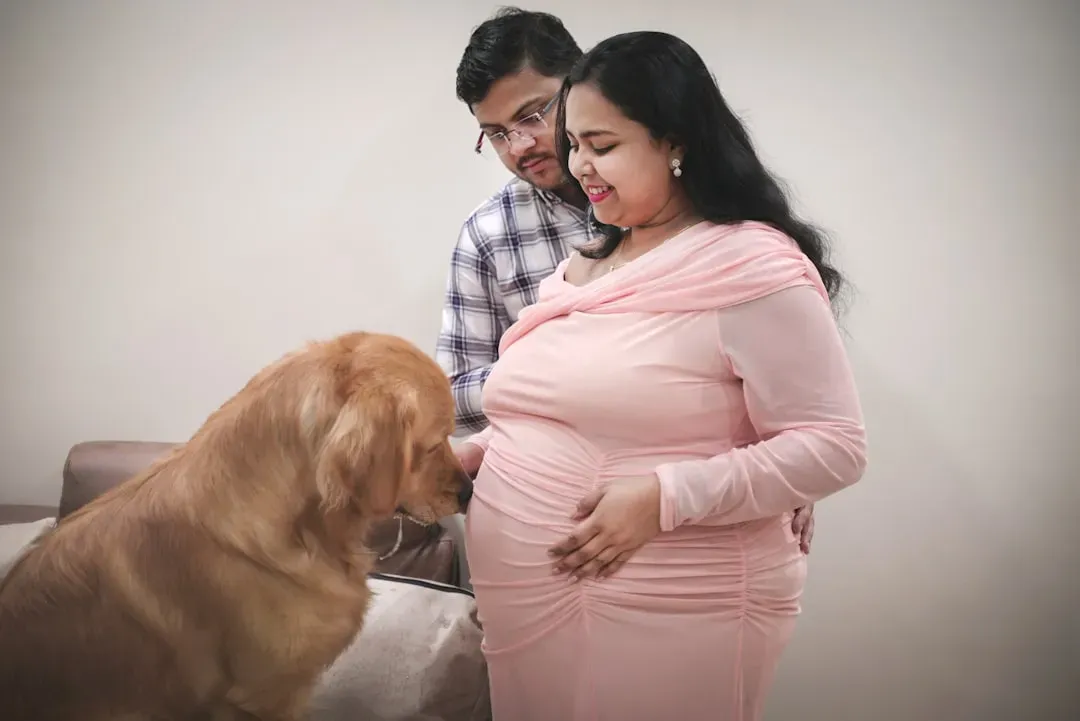
New cribs, clothes, and toys can draw focused attention from your dog. They may sniff these objects repeatedly or watch them from across the room. The interest appears without any direct encouragement from family members.
Reactions range from gentle investigation to quiet observation during setup. Dogs sometimes return to the same items daily for another check. This pattern emerges once preparations begin in earnest.
They Show Extra Affection Through Licking or Nuzzling
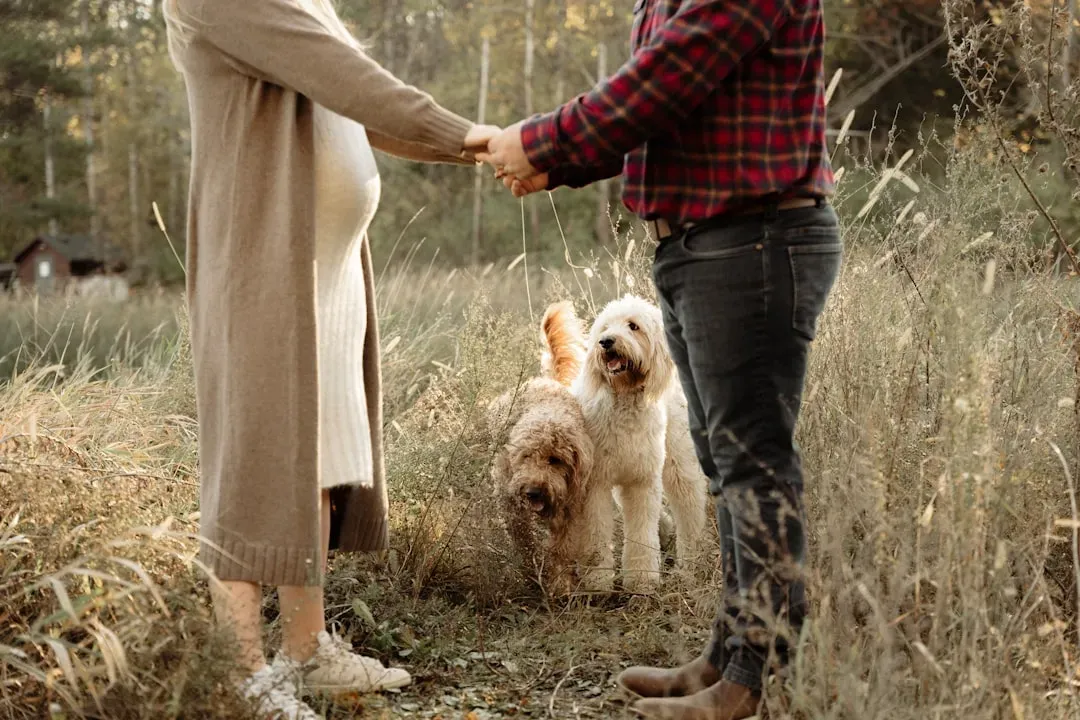
Gentle licks on hands or face often increase as pregnancy advances. Your dog might nuzzle against your legs more during quiet evenings. These gestures feel soothing rather than demanding playtime.
The affection tends to occur at predictable times, such as after meals or before bed. It provides a steady connection amid other household shifts. Many owners notice the timing coincides with their own fatigue.
They Alert to Small Changes in Routine

Dogs thrive on consistency, so they notice when meal times or walk schedules adjust slightly. They may bark softly or pace when something feels off. This sensitivity helps them stay in tune with the household flow.
Alerts can appear as early warnings before bigger disruptions occur. Your dog might position themselves near the door earlier than usual. The responses stay mild but consistent over time.
They Display Gentle Behavior Around Children or Small Sounds

Exposure to baby cries on videos or visits from young relatives can prompt calmer reactions. Your dog might tilt their head or settle nearby instead of showing excitement. This measured response often develops without correction.
The gentleness extends to slower movements when near delicate items. It reflects an emerging awareness of smaller, more vulnerable presences. The shift feels instinctive rather than taught.
They Experience Occasional Restlessness or Pacing
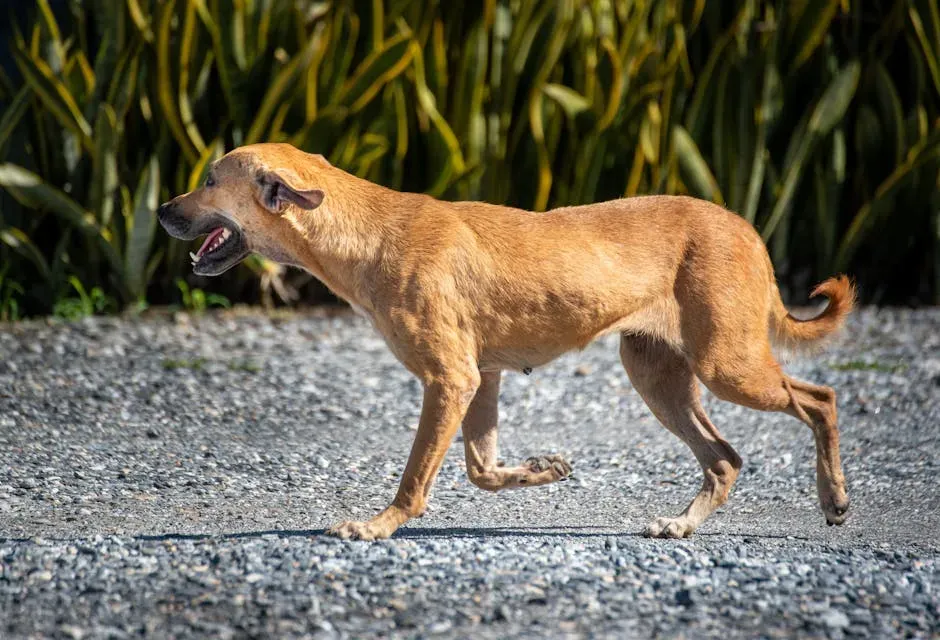
Short bursts of pacing can occur when your dog senses upcoming activity. They might circle a room or check windows more often than usual. These moments pass quickly but repeat at intervals.
Restlessness sometimes links to your own energy levels or preparations. Your dog settles once the immediate task ends. The pattern stays mild and tied to household rhythms.
They Form New Bonds With Baby Gear or Spaces
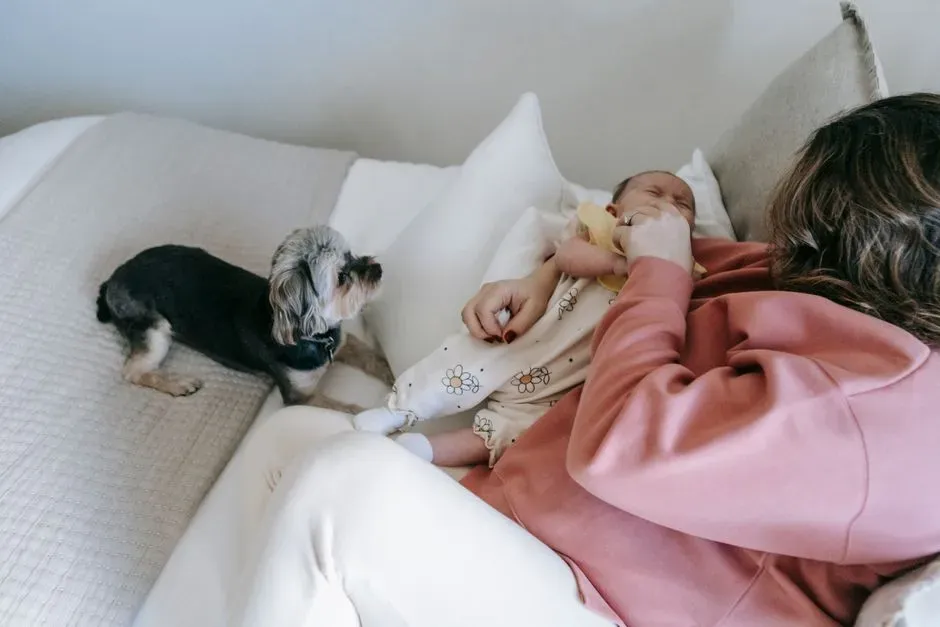
Once the nursery takes shape, some dogs claim a spot nearby for regular visits. They may rest beside folded blankets or watch the room from the hallway. This attachment grows steadily without prompting.
The connection shows in repeated returns to the same area throughout the day. It suggests preparation for the new family member. The behavior adds a layer of quiet anticipation to daily life.
Conclusion
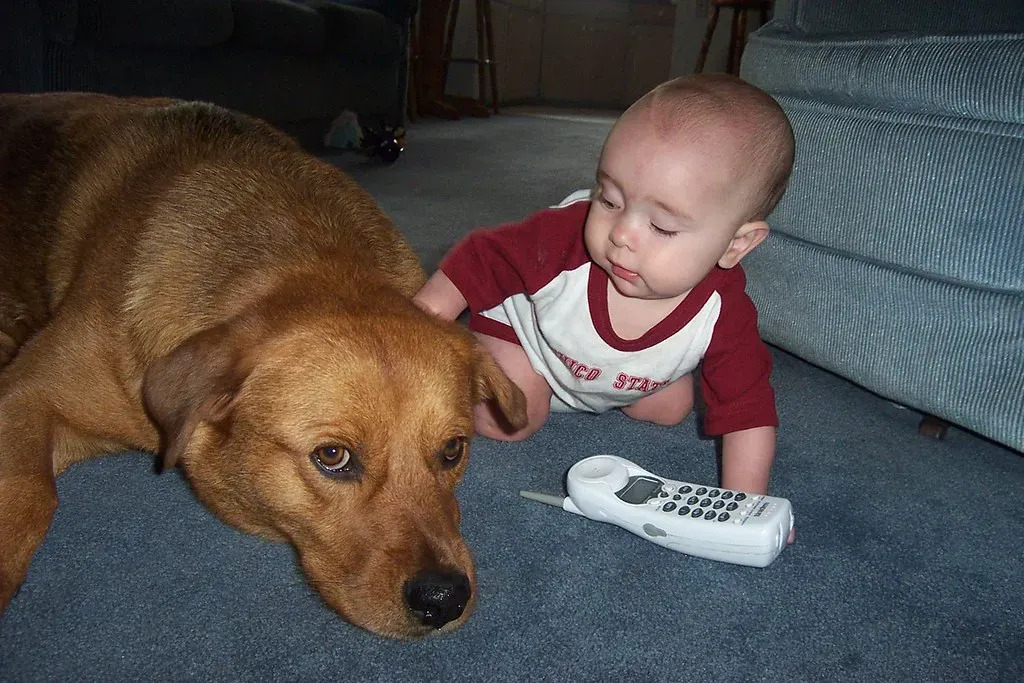
These behaviors highlight the deep connection many dogs form with their families during major life events. Paying attention to small shifts can strengthen that bond and ease the transition for everyone involved. Trusting your dog’s instincts often leads to smoother adjustments once the baby arrives. In the end, their quiet awareness reminds us how much they already understand about the changes ahead.


