
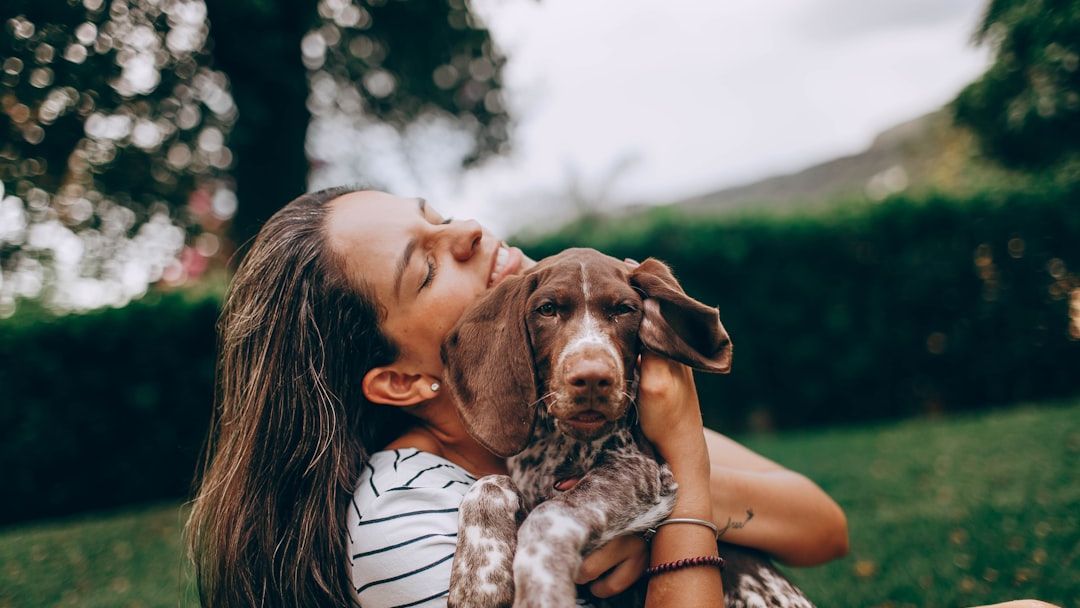
Early Socialization: The Foundation of Attachment
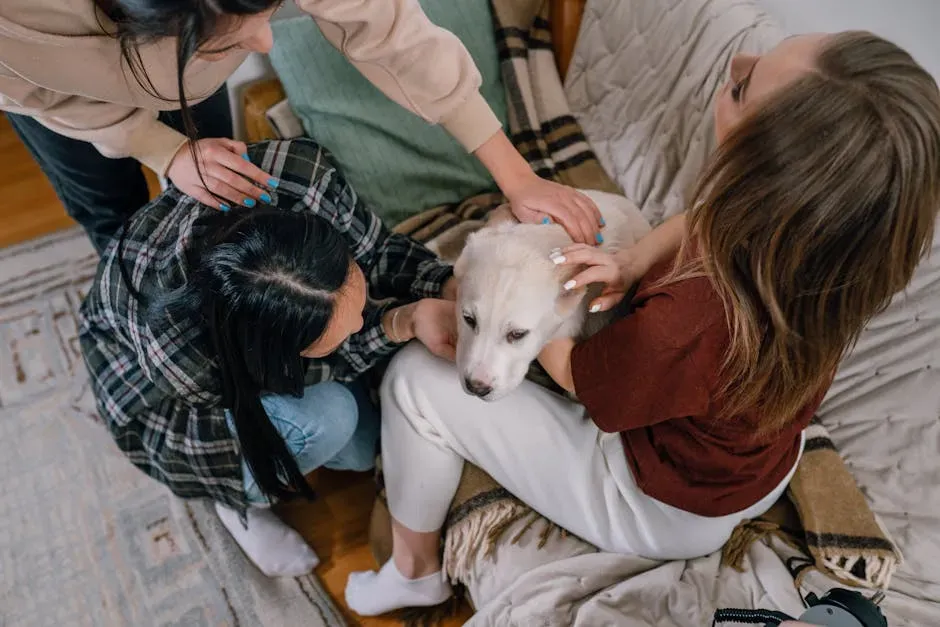
Imagine a puppy’s world as a blank canvas, with each interaction painting strokes of trust and affection. During the critical socialization period, typically from 3 to 16 weeks of age, puppies are exceptionally receptive to forming bonds. The individuals who engage with them consistently during this time often become their primary attachment figures. This early imprinting lays the groundwork for a lifelong preference, as the puppy associates safety and comfort with that person.
Conversely, a lack of diverse social experiences during this formative stage can lead to a dog becoming overly attached to a single individual. Without exposure to various people and environments, the dog may develop a narrow comfort zone, clinging to the one person who represents familiarity and security.
Consistency and Care: Building Trust Through Routine
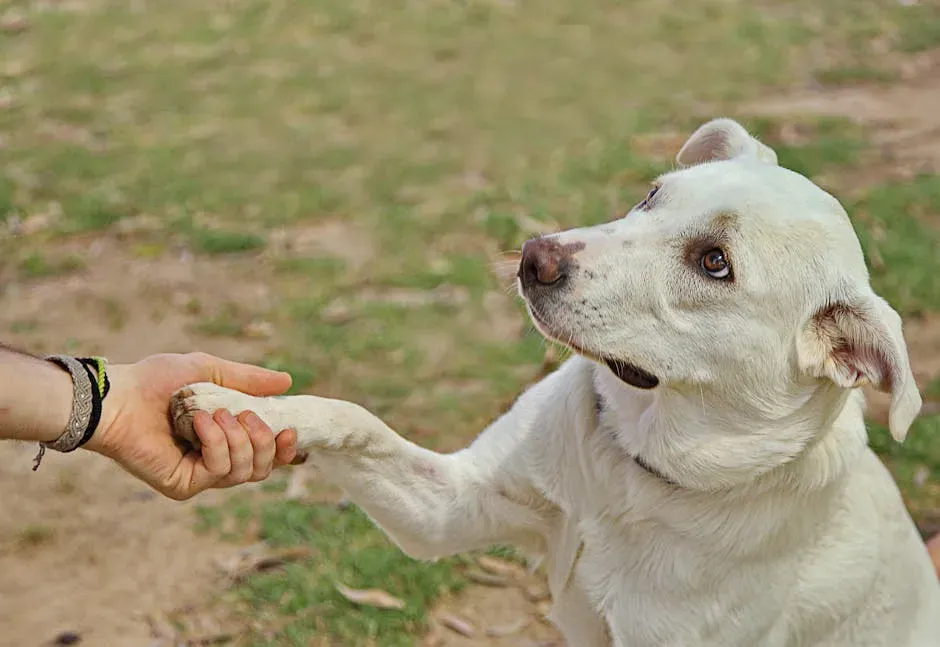
Dogs thrive on predictability. The person who consistently feeds, walks, and plays with the dog becomes a pillar of reliability in their life. This regularity fosters a deep sense of trust, as the dog learns to anticipate and depend on this individual’s actions. Over time, this dependable care cements a strong bond, making the dog more inclined to favor that person.
Moreover, the quality of interactions plays a significant role. Engaging in positive reinforcement training, offering treats, and providing affectionate touch all contribute to strengthening the connection. The dog begins to associate this person with positive experiences, further solidifying their preference.
Personality Compatibility: When Temperaments Align
Just like humans, dogs have unique personalities. Some are energetic and playful, while others are calm and reserved. A dog is naturally drawn to a person whose temperament complements their own. For instance, an active dog may bond more closely with someone who enjoys outdoor adventures, while a more relaxed dog might prefer the company of a calm and gentle individual.
This compatibility extends to communication styles as well. Dogs are adept at reading human body language and vocal tones. A person who communicates in a way that the dog finds reassuring and understandable is more likely to become their chosen companion.
Positive Associations: The Power of Rewarding Experiences
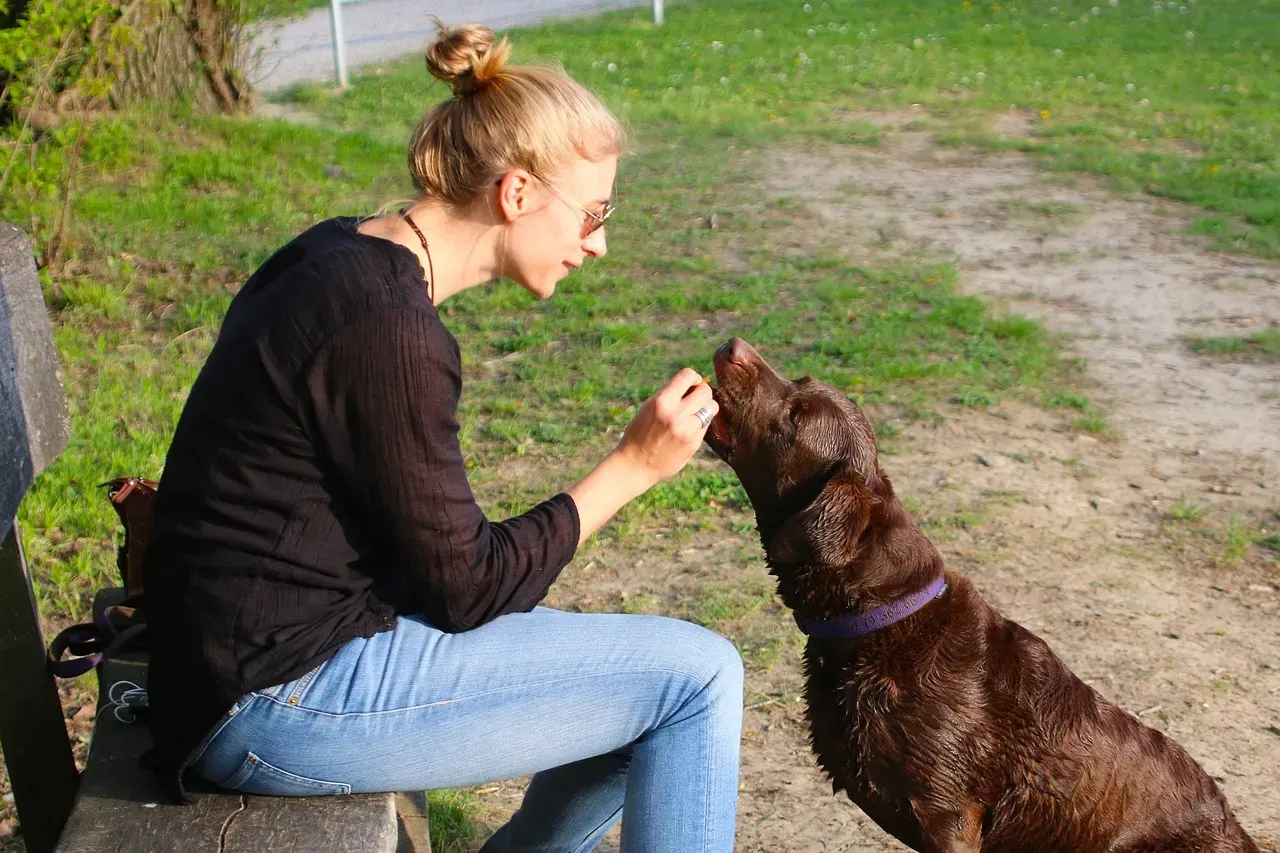
Dogs are creatures of association. They remember who provides them with food, who plays their favorite games, and who offers comfort during stressful times. These positive experiences create strong associations, leading the dog to seek out and prefer the company of the person linked to these rewards.
For example, if one person is responsible for feeding the dog its favorite meals or taking it on exciting walks, the dog will naturally gravitate towards them. This association between the person and pleasurable activities reinforces the bond, making the dog more likely to choose them over others.
Breed Tendencies: Genetic Influences on Attachment
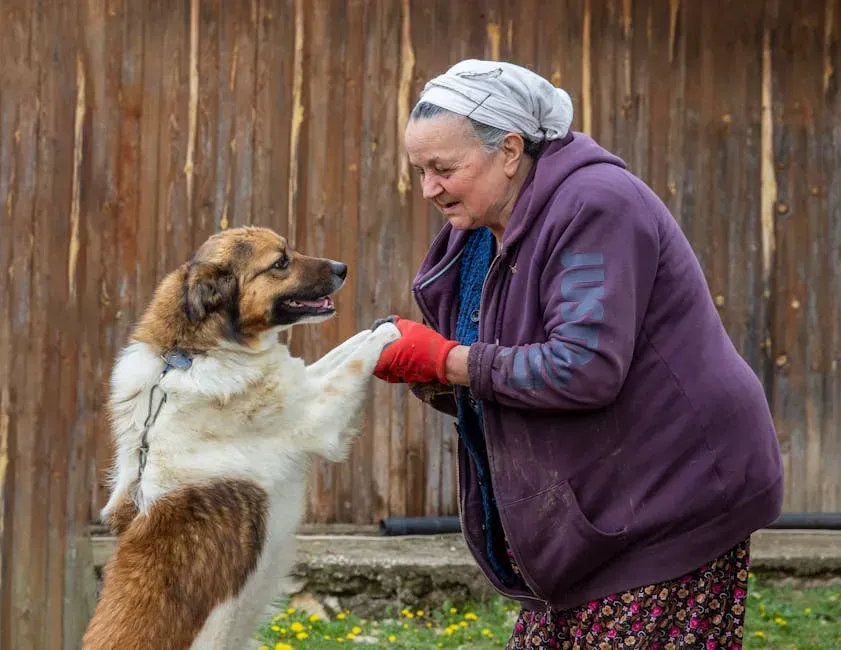
Genetics can also play a role in a dog’s propensity to bond with a single person. Certain breeds are known for their loyalty and tendency to form strong attachments to one individual. Breeds like German Shepherds, Akitas, and Doberman Pinschers often exhibit this behavior, as they have been historically bred for roles that require a close partnership with a handler.
Understanding a dog’s breed tendencies can provide insight into their bonding behaviors. While individual personalities vary, recognizing these genetic predispositions can help in fostering a healthy and balanced relationship with the dog.
Emotional Support: Seeking Comfort in a Trusted Companion

Dogs, like humans, seek comfort and security in times of stress or uncertainty. They often turn to the person they trust the most for reassurance. This behavior is a testament to the deep emotional bond that can develop between a dog and their chosen person.
In situations like thunderstorms, visits to the vet, or unfamiliar environments, a dog may cling to their preferred individual, seeking solace in their presence. This reliance not only highlights the strength of their attachment but also underscores the importance of being a consistent source of comfort for the dog.
Conclusion: Nurturing a Balanced Bond
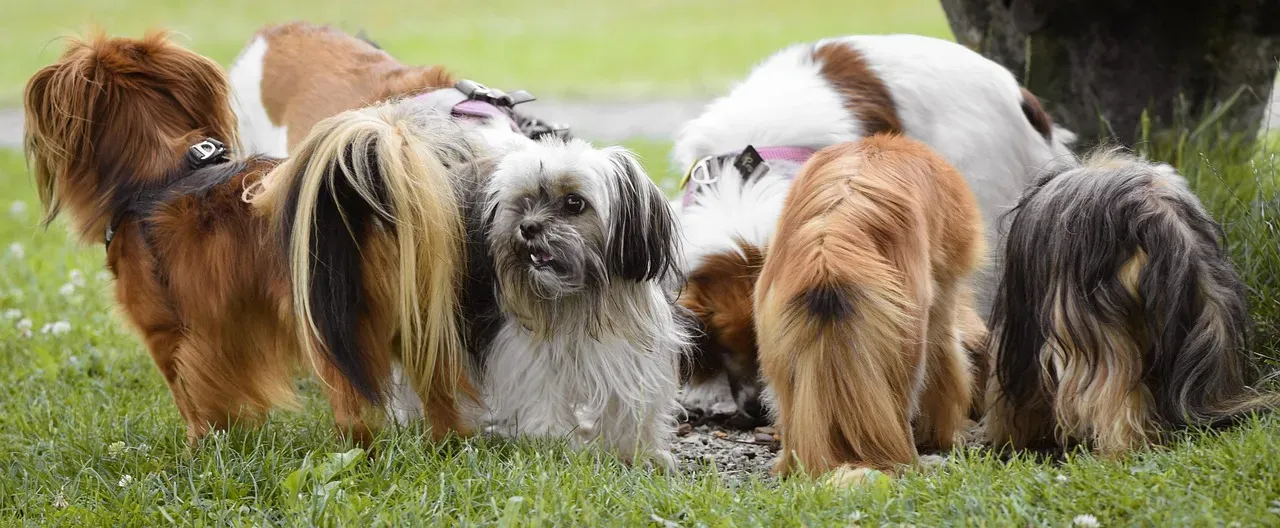
While it’s heartwarming to be the apple of your dog’s eye, it’s essential to encourage socialization with multiple people to prevent over-dependence. A well-rounded dog should feel comfortable and secure with various individuals, reducing anxiety when their favorite person isn’t around. By understanding the psychological factors that influence a dog’s attachment, owners can foster healthy relationships that benefit both the dog and the broader social circle.
So, have you noticed your dog favoring one person in your household? What steps can you take to ensure they feel equally comfortable with others?


