
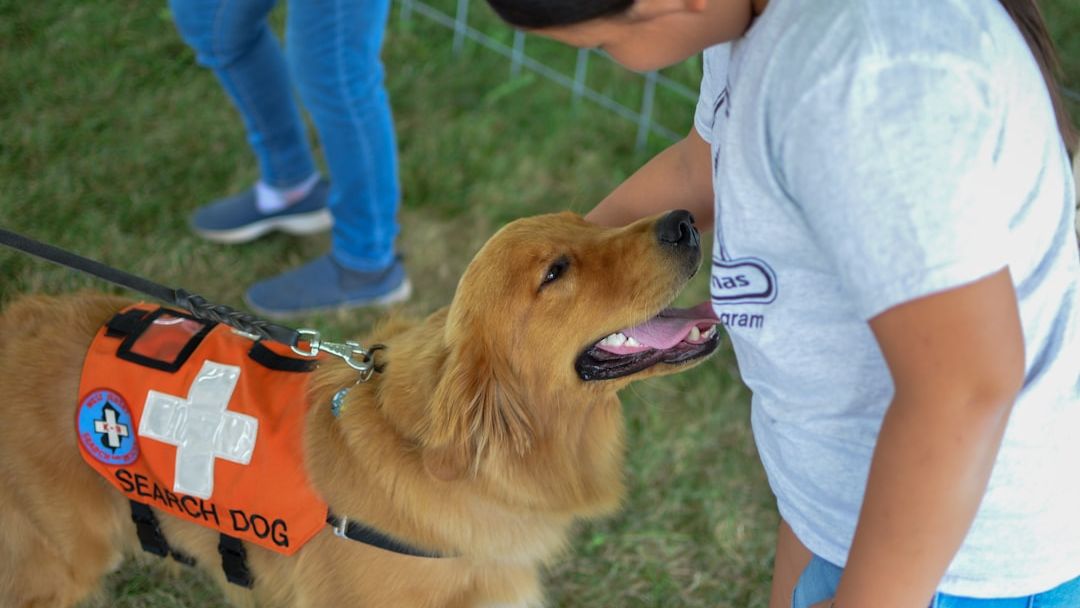
Imagine offering your dog their favorite treat, only to have them turn away with disinterest. While this might seem like a quirky behavior, animal behaviorists suggest it could be a sign that your canine companion has detected subtle chemical changes in your body – changes you might not even be aware of yet.
The Extraordinary Olfactory Abilities of Dogs

Dogs possess an olfactory system that is nothing short of remarkable. With up to 300 million scent receptors – compared to a human’s mere 5 million – they can detect odors at concentrations as low as one part per trillion. This means they can perceive scents and chemical changes that are entirely imperceptible to us.
This heightened sense of smell allows dogs to pick up on volatile organic compounds (VOCs) emitted by the human body. These compounds can change due to various physiological processes, including illness, stress, or hormonal fluctuations. When your body undergoes such changes, your dog may notice and react accordingly.
How Dogs Detect Chemical Changes in Humans
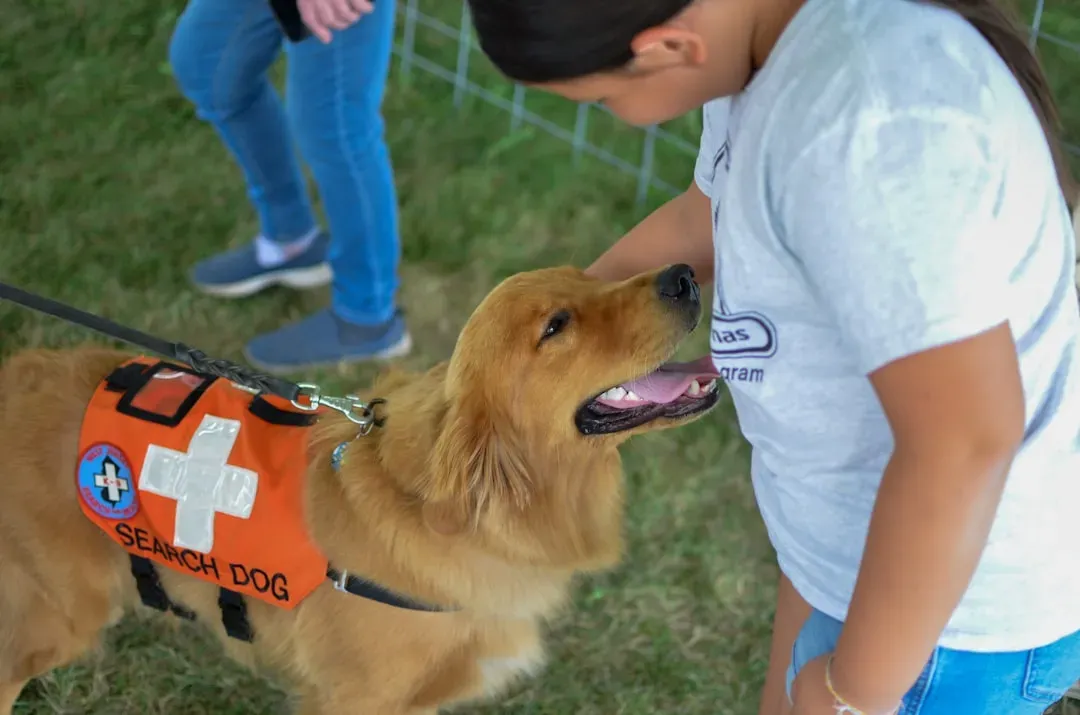
When the human body experiences changes – be it due to stress, illness, or hormonal shifts – it releases specific VOCs through sweat, breath, and other bodily fluids. Dogs, with their acute olfactory senses, can detect these minute changes. For instance, during periods of stress, the body releases cortisol, a hormone that dogs can smell, leading them to sense when you’re anxious or upset.
Similarly, certain illnesses cause the body to emit distinct odors. Dogs have been trained to detect various diseases, including cancer and diabetes, by recognizing these unique scent profiles. Their ability to sense these changes often occurs before humans are even aware of any symptoms.
Behavioral Indicators: When Dogs Sense Something’s Amiss

When dogs detect a chemical change in their human companions, they often exhibit noticeable behavioral changes. They might become more attentive, following you around the house, or display protective behaviors, such as positioning themselves between you and others. Some dogs may become clingier, seeking constant physical contact, while others might show signs of anxiety or restlessness.
In some cases, dogs might lose interest in their favorite activities or treats. This sudden disinterest can be perplexing but may be their way of signaling that they’ve noticed something unusual about your health or emotional state.
Real-Life Instances of Dogs Detecting Health Issues
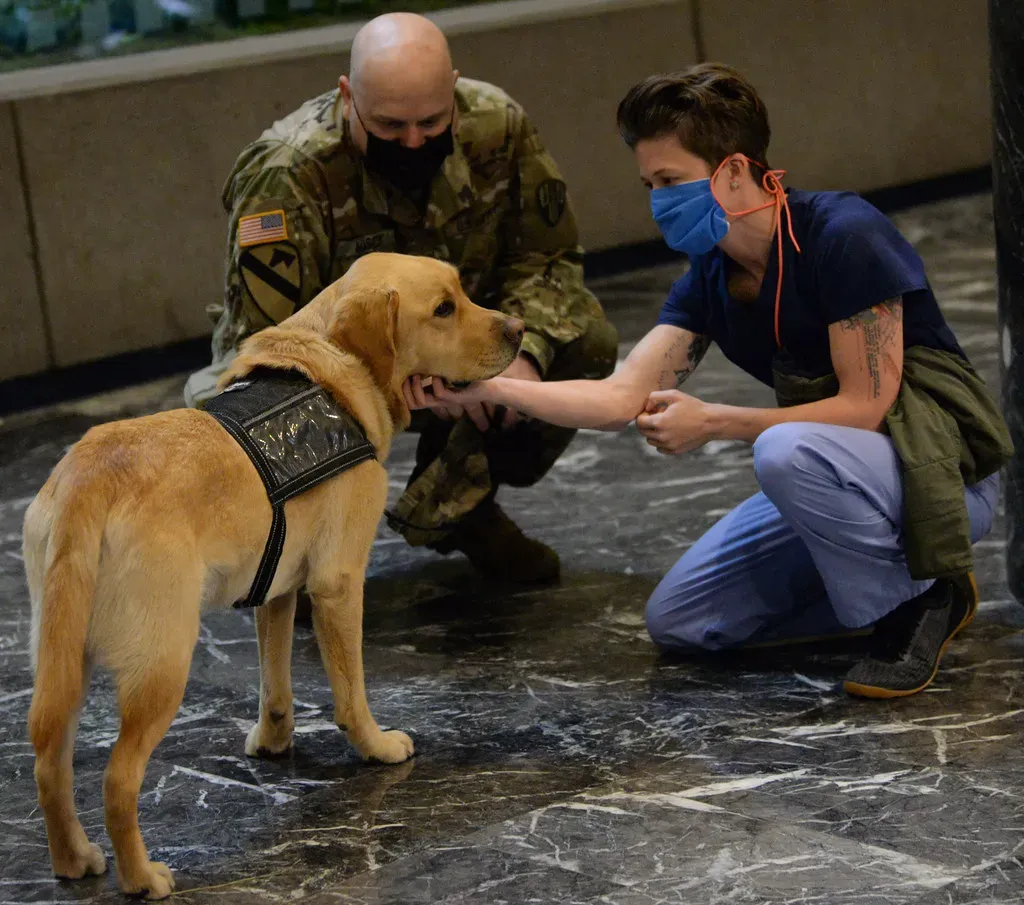
There are numerous accounts of dogs alerting their owners to health issues. For example, some dogs have persistently sniffed or pawed at a specific area on their owner’s body, leading to the discovery of cancerous tumors. Others have alerted diabetic owners to dangerous drops in blood sugar levels, even before the individuals themselves were aware of the change.
These real-life instances highlight the incredible sensitivity dogs have to changes in human physiology. Their reactions, whether it’s a sudden disinterest in treats or increased attentiveness, can serve as early warning signs of underlying health issues.
The Science Behind Canine Detection of Human Illness
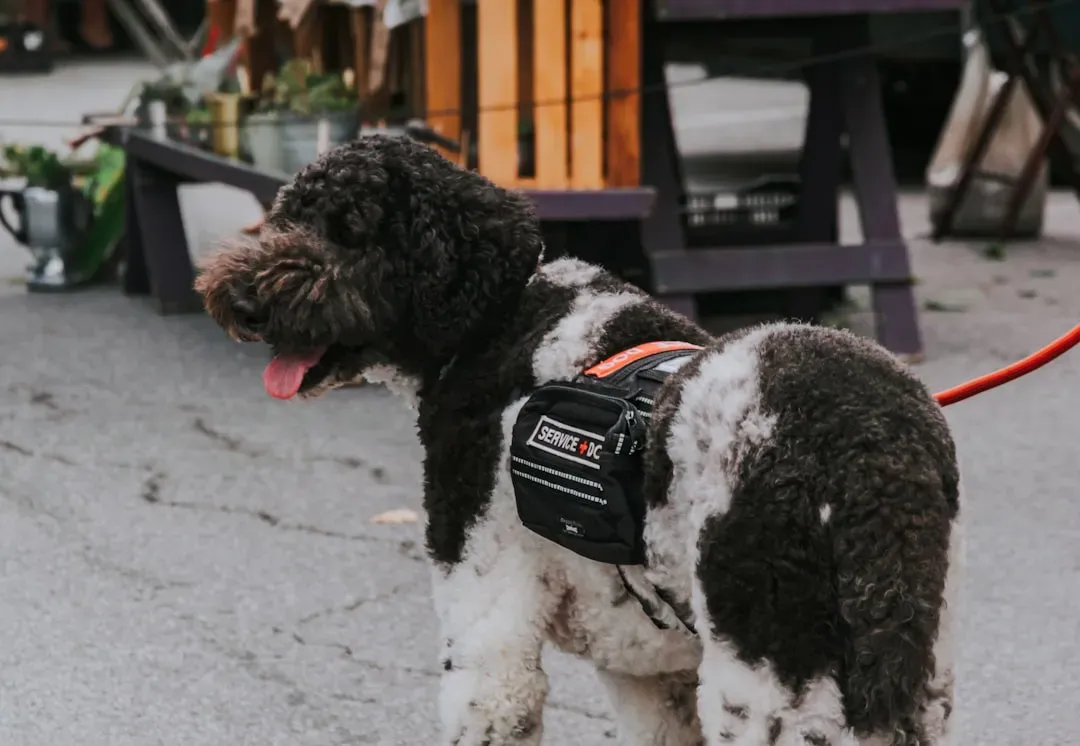
Scientific studies have delved into the mechanisms behind dogs’ ability to detect human illnesses. Research has shown that dogs can be trained to identify specific VOCs associated with various diseases. For instance, in controlled settings, dogs have successfully identified samples from individuals with certain types of cancer, often with high accuracy rates.
These findings have led to the development of programs where dogs are trained to assist in medical diagnostics. Their natural abilities, combined with structured training, make them valuable allies in early disease detection and monitoring.
Training Dogs to Recognize and Respond to Health Changes

While many dogs naturally pick up on changes in their owners, specialized training can enhance this ability. Service dogs, for example, undergo rigorous training to detect specific health issues, such as seizures or diabetic episodes. They learn to recognize the associated scents and respond in ways that alert their owners or others to the impending issue.
For pet owners interested in harnessing their dog’s natural detection abilities, working with professional trainers can provide guidance on reinforcing and interpreting these behaviors. This collaboration can lead to a deeper bond and a proactive approach to health monitoring.
When to Consult a Professional: Understanding Your Dog’s Signals
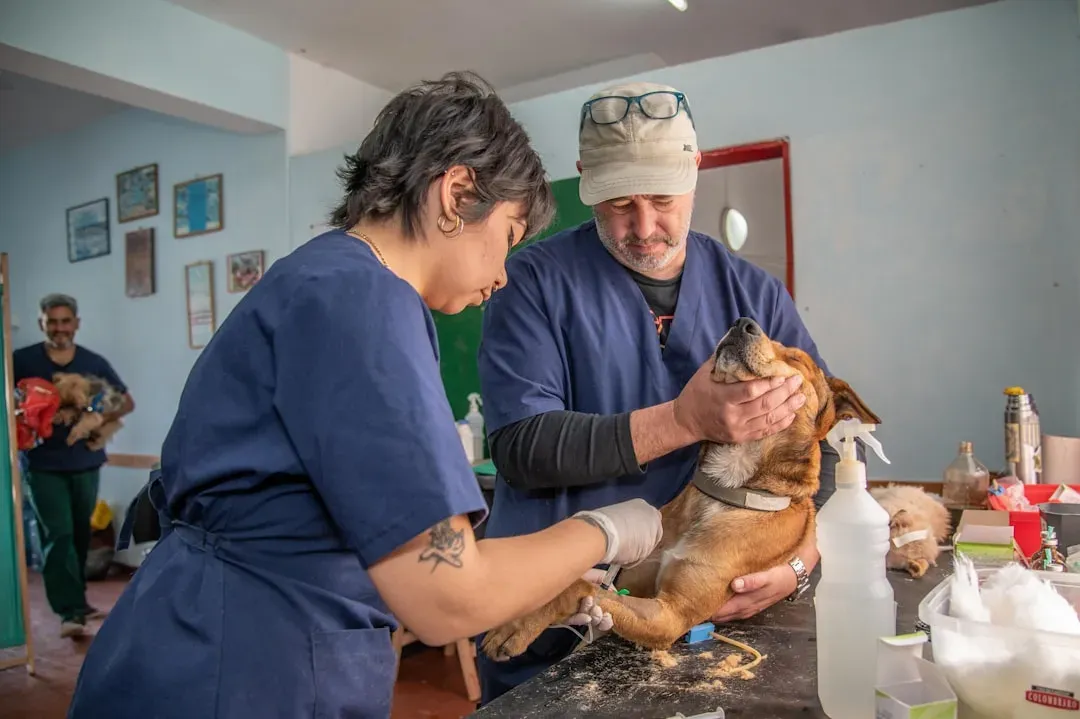
If your dog exhibits sudden behavioral changes, such as losing interest in their favorite treats or becoming unusually attentive, it’s essential to pay attention. While these behaviors can stem from various factors, they might also indicate that your dog has detected a change in your health.
Consulting with a veterinarian or a professional animal behaviorist can help interpret these signals. Additionally, scheduling a check-up with your healthcare provider can ensure that any potential health issues are addressed promptly. Your dog’s behavior might be the nudge you need to prioritize your well-being.
Conclusion

Our canine companions are more than just loyal friends; they are intuitive beings attuned to our physical and emotional states. Their reactions to subtle changes in our bodies, such as a sudden disinterest in treats, can serve as early indicators of health issues we might not yet be aware of. By paying attention to these signals and seeking professional guidance when necessary, we can foster a deeper connection with our dogs and take proactive steps toward our health. So, the next time your dog behaves unusually, consider it a prompt to check in with yourself – after all, they might be sensing something you haven’t noticed yet.


