
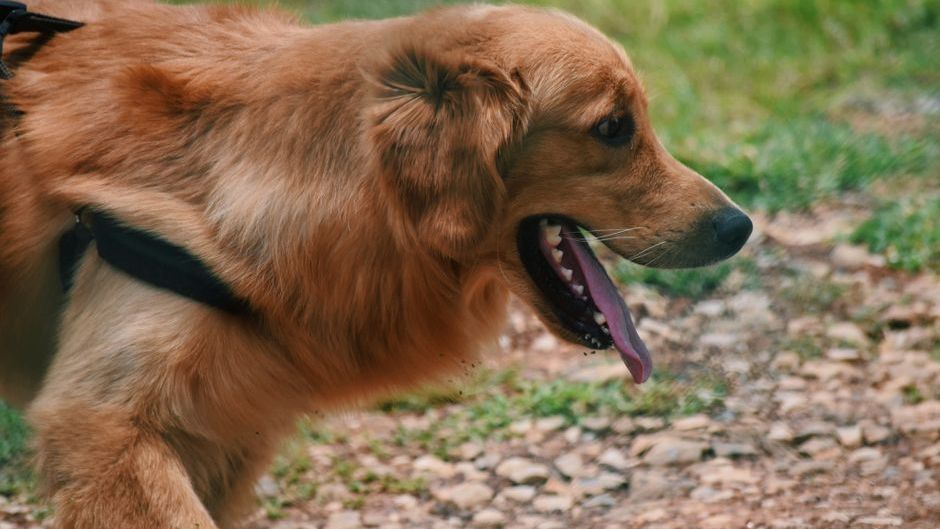
Imagine your beloved dog lounging peacefully, when suddenly, you notice a subtle shift in their breathing. It’s easy to dismiss, but these quiet changes can be harbingers of serious health issues. Recognizing these signs early can be the difference between a quick recovery and a life-threatening situation. Let’s delve into seven silent breathing changes that demand immediate veterinary attention.
1. Rapid Breathing at Rest
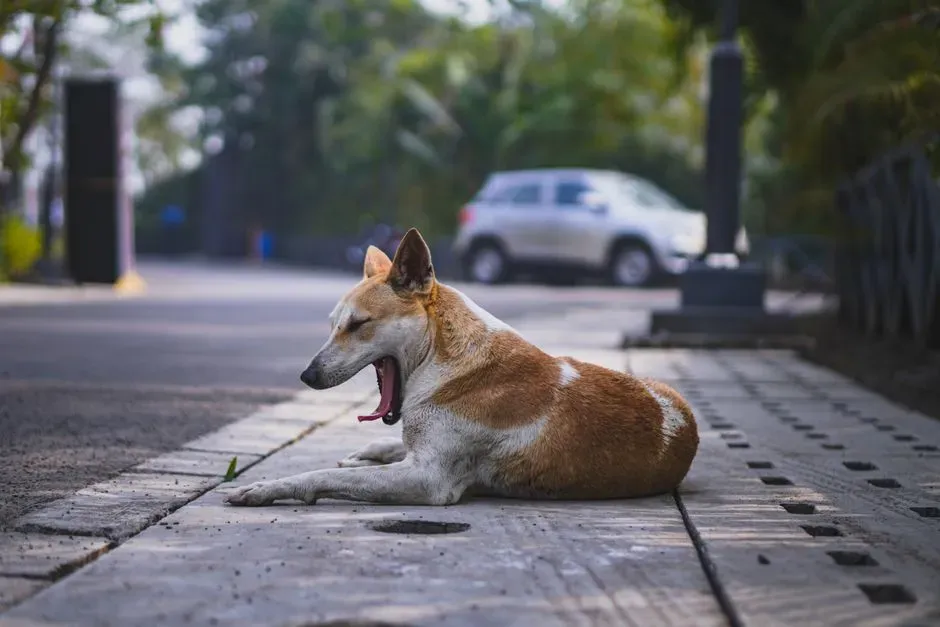
When your dog is at rest, their breathing should be calm and steady. If you observe them taking quick, shallow breaths without any apparent reason, it’s a red flag. This rapid breathing, known as tachypnea, can indicate underlying issues such as heart disease, lung problems, or even pain. It’s essential to monitor their breathing rate and seek veterinary care promptly.
In some cases, rapid breathing might be accompanied by other symptoms like lethargy or loss of appetite. These additional signs can provide clues to the underlying cause. Remember, dogs are adept at hiding discomfort, so even subtle changes warrant attention.
2. Labored Breathing

Labored breathing, or dyspnea, is characterized by visible effort during inhalation or exhalation. You might notice your dog’s chest and abdomen moving more than usual, or they may extend their neck and stand with elbows pointed outward to ease breathing. Such signs can point to serious conditions like congestive heart failure, pneumonia, or airway obstructions.
It’s crucial not to wait if you observe these symptoms. Immediate veterinary intervention can prevent the situation from escalating. Keep your dog calm and avoid any stressors that might exacerbate their breathing difficulties during transport to the clinic.
3. Open-Mouth Breathing in a Resting Dog
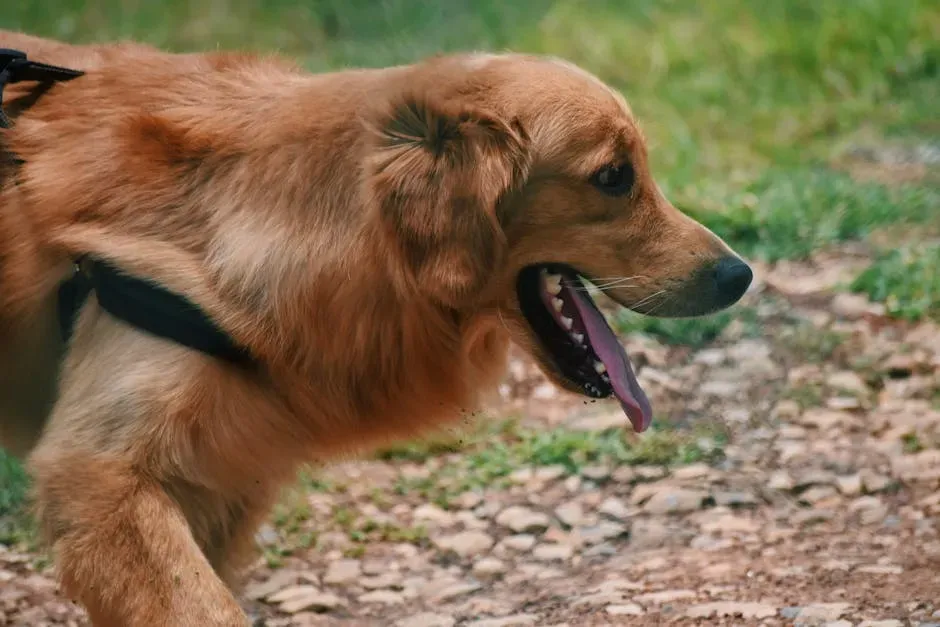
While dogs often pant to cool down, open-mouth breathing when they’re at rest and in a cool environment is abnormal. This behavior can signal respiratory distress, heatstroke, or even poisoning. Unlike panting, which is typically relaxed, open-mouth breathing due to distress is often accompanied by other signs like drooling or a glazed expression.
If your dog exhibits this behavior without an obvious cause, it’s imperative to seek emergency veterinary care. Time is of the essence, especially if heatstroke or toxin ingestion is suspected.
4. Noisy Breathing
Unusual sounds during breathing, such as wheezing, whistling, or snorting, can indicate obstructions or narrowing in the airways. Conditions like laryngeal paralysis, tracheal collapse, or the presence of a foreign object can lead to these noises. Brachycephalic breeds, like Bulldogs and Pugs, are particularly prone to noisy breathing due to their anatomical structure.
Even if your dog seems otherwise normal, these sounds shouldn’t be ignored. They can quickly progress to more severe respiratory distress. A veterinarian can assess the cause and recommend appropriate treatment to alleviate the obstruction.
5. Blue or Pale Gums
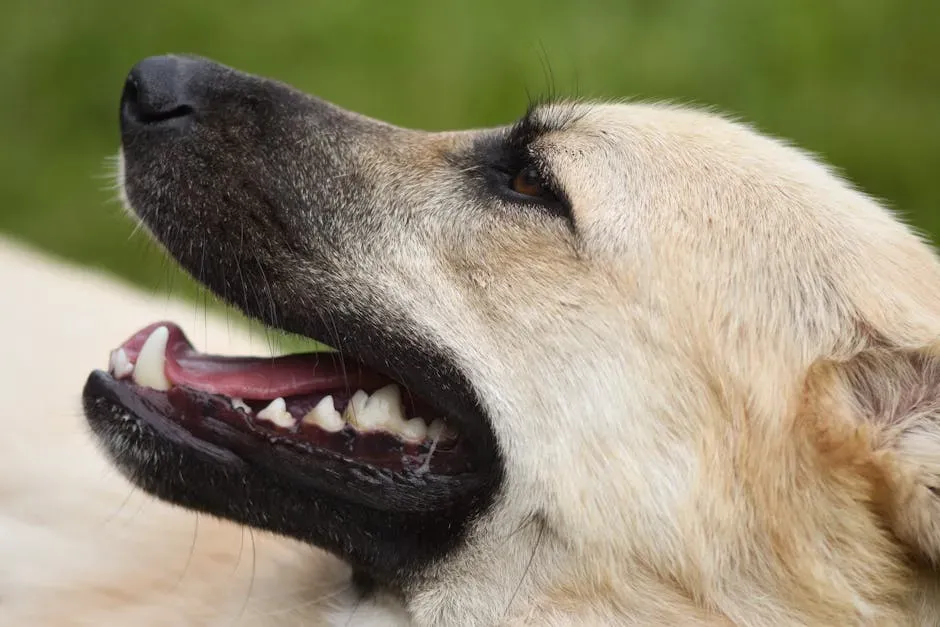
Healthy dog gums are typically pink. A sudden change to blue, gray, or pale hues indicates a lack of oxygen, a condition known as cyanosis. This is a critical emergency sign that your dog’s tissues aren’t receiving adequate oxygen, possibly due to severe respiratory or cardiovascular issues.
Upon noticing this change, it’s vital to get your dog to an emergency veterinary facility immediately. Delaying care can result in irreversible damage or even be fatal. Keep your dog as calm as possible during transport to minimize oxygen demand.
6. Coughing with Breathing Changes
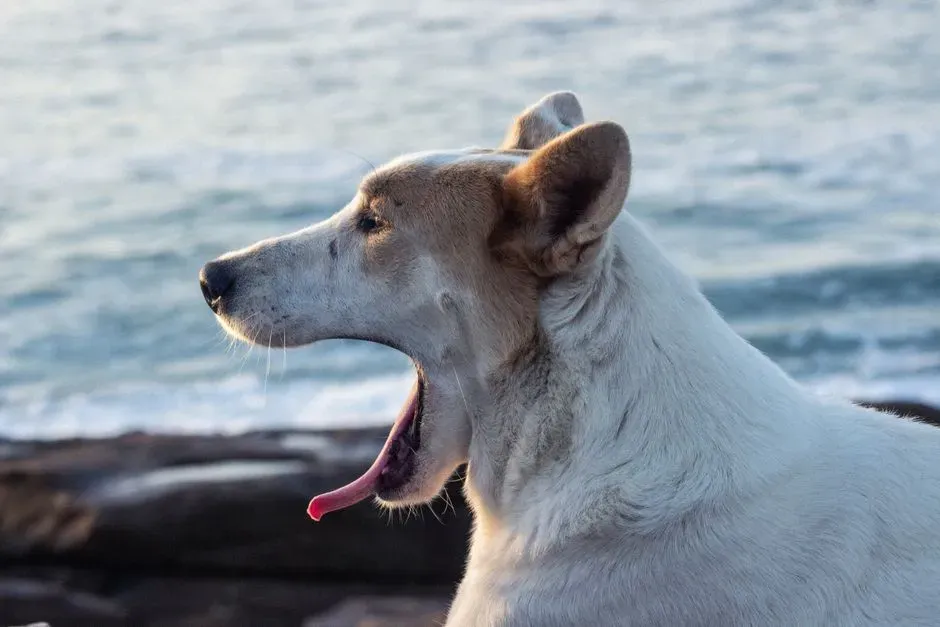
Occasional coughing might not be alarming, but persistent coughing accompanied by changes in breathing patterns is concerning. This combination can suggest conditions like bronchitis, heart disease, or infections such as pneumonia. The cough might be dry or produce mucus, and breathing may become more labored over time.
Monitoring the frequency and nature of the cough, along with any breathing difficulties, is essential. Early veterinary intervention can lead to a more favorable prognosis and prevent complications.
7. Unusual Posture While Breathing

Dogs in respiratory distress often adopt specific postures to ease breathing. You might notice your dog standing with their front legs spread wide, neck extended, and head lowered. This stance, known as orthopnea, indicates significant difficulty in breathing and is commonly seen in conditions like pleural effusion or severe lung disease.
Recognizing this posture as a distress signal is crucial. Immediate veterinary evaluation is necessary to determine the cause and initiate appropriate treatment. Avoid delaying care, as the underlying condition can deteriorate rapidly.
In conclusion, our dogs rely on us to notice when something’s amiss. These silent changes in breathing patterns are their way of signaling distress. By staying vigilant and acting swiftly, we can ensure our furry companions receive the care they need when they need it most. After all, isn’t their well-being worth our utmost attention?


