

When a beloved pet passes away, the void left behind is palpable – not just for humans, but for their canine companions as well. Recent studies have illuminated that dogs experience grief remarkably similar to humans, exhibiting behavioral and emotional changes that mirror our own mourning processes.
Recognizing Grief in Dogs

Observant pet owners often notice subtle yet significant shifts in their dog’s behavior following the loss of a fellow pet. These changes can manifest as decreased appetite, increased lethargy, or a diminished interest in play. Such behaviors are not mere coincidences; they are indicative of a dog’s grieving process.
For instance, a dog that once eagerly awaited mealtime may now approach their bowl with noticeable hesitation or even refuse to eat altogether. Similarly, a previously playful pup might become withdrawn, spending more time resting or isolating themselves from family activities.
Neurological Parallels Between Canine and Human Grief
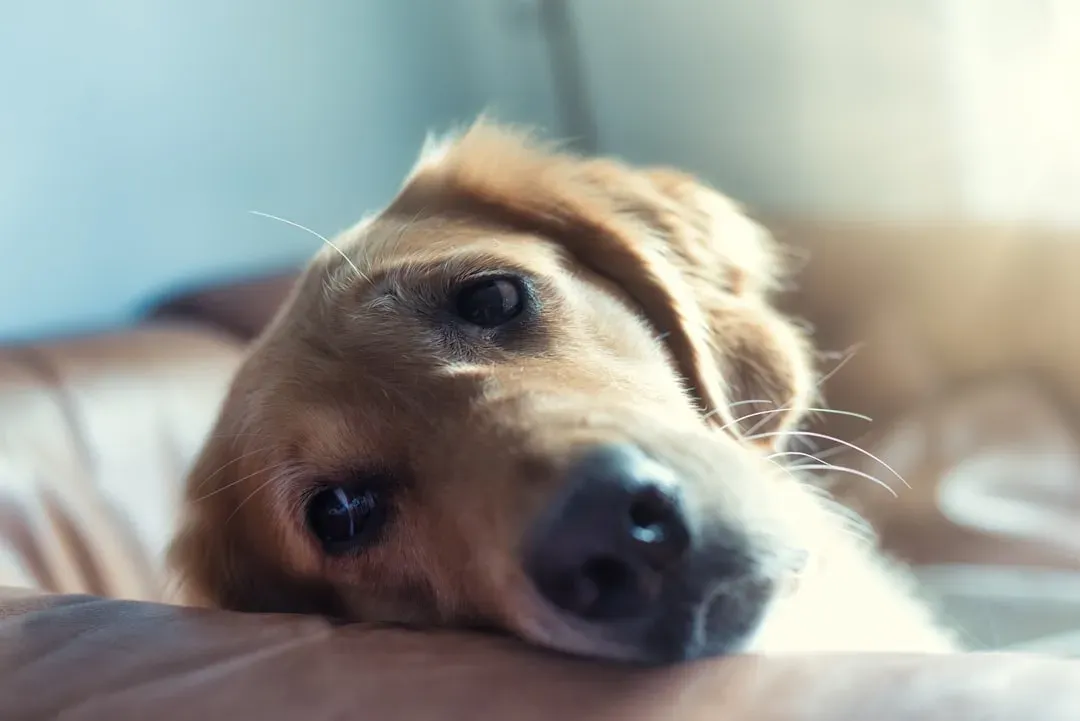
Scientific research has delved into the neurological underpinnings of grief, revealing striking similarities between humans and dogs. Both species exhibit changes in brain chemistry and activity patterns associated with mourning. These findings suggest that the emotional depth of a dog’s grief is more profound than previously understood.
Studies have shown that the same areas of the brain activated during human grief are similarly engaged in dogs experiencing loss. This neurological overlap underscores the shared emotional experiences between humans and their canine companions.
Behavioral Changes Indicative of Mourning

Beyond the more apparent signs of grief, dogs may display a range of behaviors that signal their mourning. Increased vocalizations, such as whining or howling, can be expressions of distress. Some dogs might become more clingy, seeking constant reassurance from their human caregivers.
Conversely, others may exhibit avoidance behaviors, distancing themselves from family members or retreating to secluded areas of the home. These behavioral shifts are a dog’s way of coping with the absence of their companion and should be met with patience and understanding.
The Impact of Human Emotions on Canine Grief
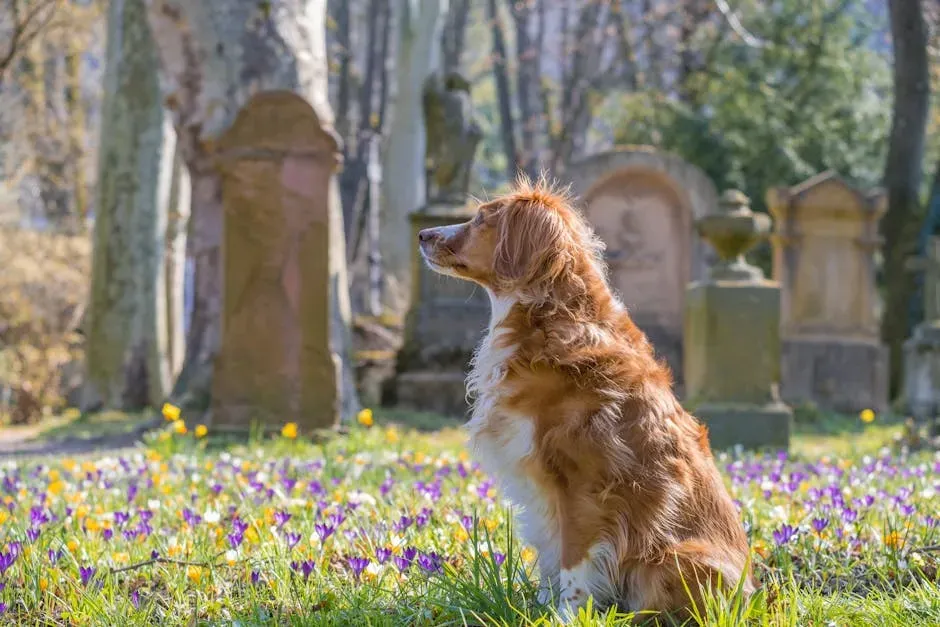
Dogs are incredibly attuned to the emotions of their human counterparts. When an owner is grieving, a dog can pick up on these emotional cues, which can, in turn, influence their own grieving process. This emotional mirroring can intensify a dog’s sense of loss and confusion.
It’s essential for pet owners to be mindful of their own emotional states and strive to maintain a sense of normalcy for their surviving pets. Providing a stable environment can help mitigate the compounded effects of shared grief.
Supporting a Grieving Dog

Helping a dog navigate through grief involves a combination of maintaining routines and offering additional comfort. Keeping feeding times, walks, and play sessions consistent provides a sense of security. Introducing new toys or engaging in novel activities can also serve as positive distractions.
Offering extra affection, such as gentle petting or spending quality time together, can reassure a grieving dog. However, it’s crucial to allow them space when needed, as forcing interaction can be counterproductive.
When to Seek Professional Help
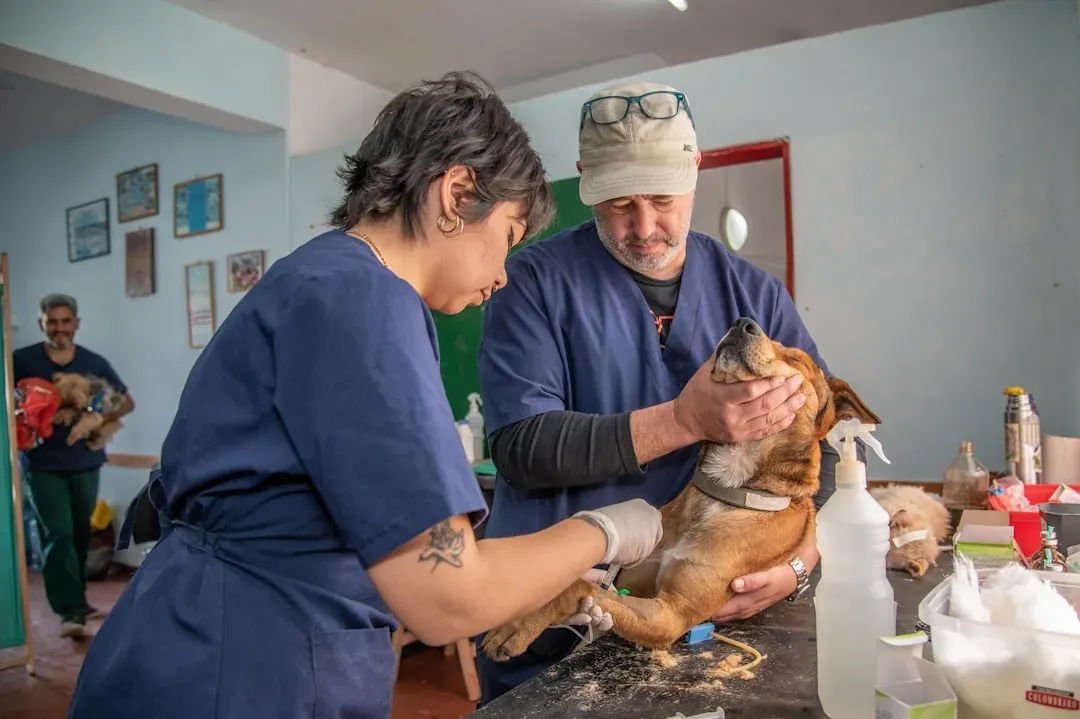
While many dogs gradually adjust to the loss of a companion, some may struggle more profoundly. If a dog exhibits prolonged signs of depression, such as persistent refusal to eat, extreme lethargy, or destructive behaviors, it may be time to consult a veterinarian or a professional animal behaviorist.
These experts can provide tailored strategies or interventions to support a dog’s emotional well-being, ensuring they receive the care necessary to navigate their grief.
Conclusion

The depth of a dog’s grief underscores the profound bonds they form with their companions, both human and animal. Recognizing and respecting this emotional capacity is crucial. As we acknowledge their mourning, we are reminded of the shared emotional landscapes between species. How can we, as caregivers, better support our canine friends through their times of loss?


