
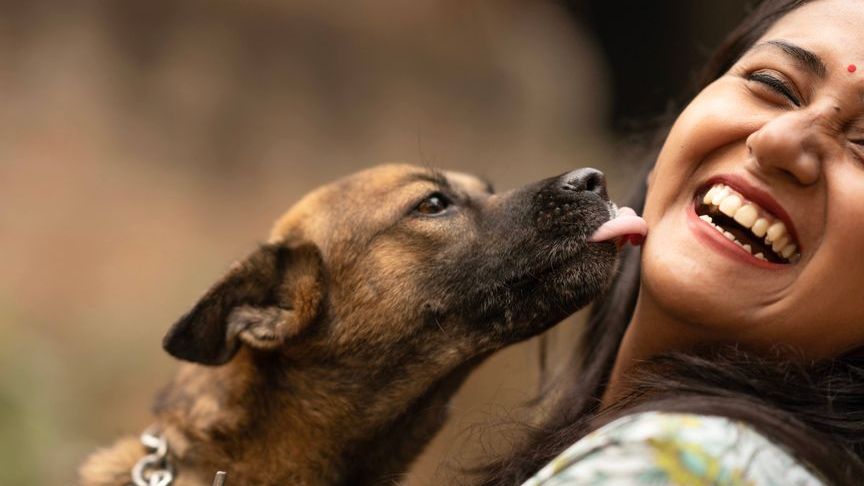
Imagine a moment of pure affection: your dog eagerly licks your face, and you feel an overwhelming sense of connection. While many interpret this as a simple display of canine love, recent behavioral studies suggest a deeper, more complex interplay between our past experiences and our present interactions with our furry companions.
The Deep-Rooted Bond Between Humans and Dogs

Dogs have been our loyal companions for thousands of years, evolving alongside us and becoming attuned to our emotions and behaviors. This deep-seated bond is not just about companionship; it’s a complex relationship influenced by various psychological factors. Studies have shown that the human-dog relationship mirrors the attachment bonds seen between human infants and their caregivers, highlighting the profound emotional connections we share with our pets.
Furthermore, the presence of infantile features in dogs, such as large eyes and playful behaviors, triggers nurturing responses in humans. This phenomenon, known as the “baby schema,” explains why we find certain animals irresistibly cute and feel compelled to care for them. It’s a testament to the intricate ways our evolutionary paths have intertwined.
Decoding the Canine Lick: More Than Just a Kiss

When a dog licks your face, it’s easy to interpret it as a sign of affection. However, this behavior is multifaceted. In the wild, wolf pups lick their mother’s mouth to stimulate regurgitation of food, a survival mechanism. Domesticated dogs have retained this behavior, and it has evolved into various forms of communication, including seeking attention, expressing submission, or even tasting remnants of food on human skin.
Interestingly, dogs also use licking as a response to emotional stimuli. Research indicates that dogs are more likely to lick their mouths when exposed to negative human facial expressions, suggesting that they are sensitive to our emotions and may use licking as a coping mechanism or a way to appease perceived tension.
Childhood Love Deprivation and Adult Attachment Styles
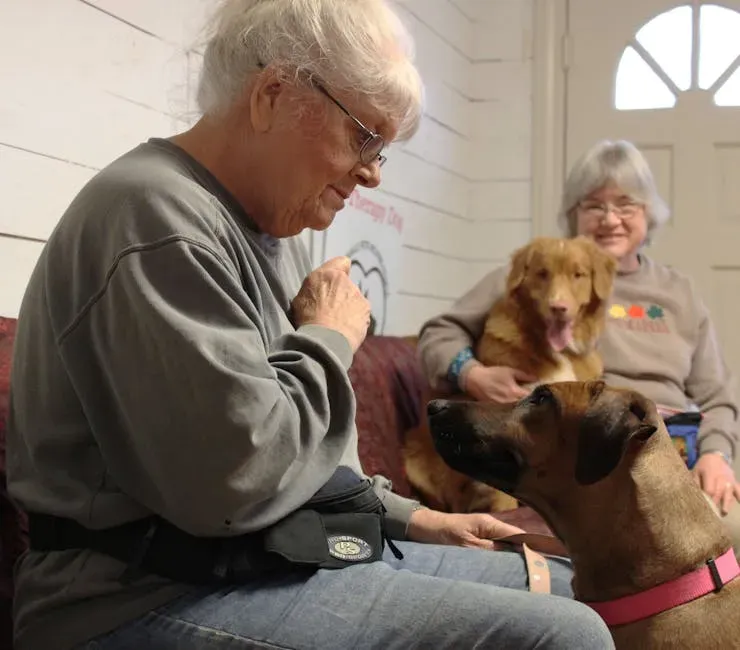
Our early experiences with caregivers shape our attachment styles, influencing how we form relationships throughout our lives. Individuals who experienced love deprivation or inconsistent affection in childhood often develop anxious or avoidant attachment patterns. These patterns can manifest in adulthood as a heightened need for reassurance or difficulty trusting others.
Such early experiences don’t just affect human relationships; they extend to how we interact with animals. For some, the unconditional love and non-judgmental companionship offered by dogs provide a safe space to express affection and receive it in return, fulfilling unmet emotional needs from childhood.
Seeking Unconditional Affection in Canine Companions
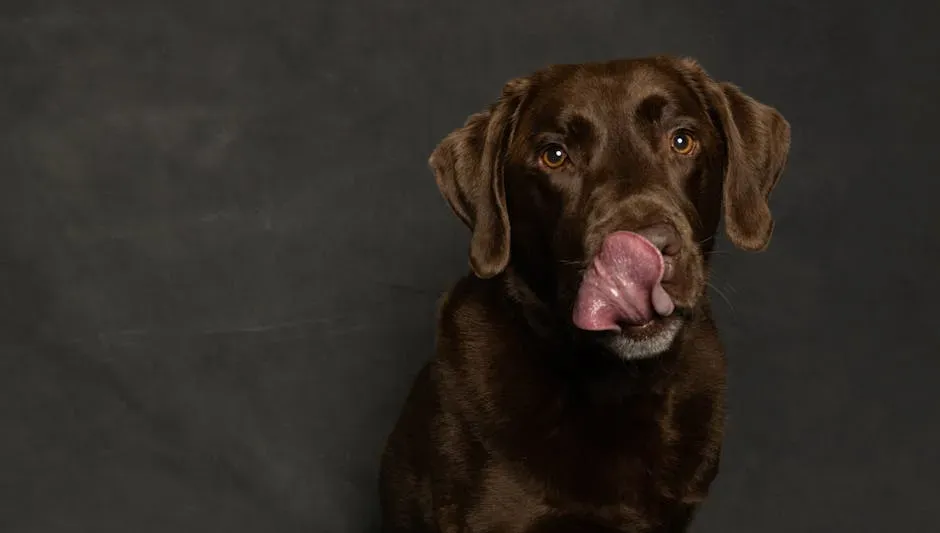
For those who felt emotionally neglected in their formative years, dogs can become a source of unwavering love and acceptance. The act of allowing a dog to lick one’s face might be more than just tolerating a quirky behavior; it could be a subconscious way of seeking and accepting affection without fear of rejection.
This behavior can be particularly comforting for individuals with anxious attachment styles, as it offers a consistent and predictable form of affection. The physical sensation of a dog’s lick, combined with the emotional warmth it conveys, can serve as a therapeutic experience, filling emotional voids left from childhood.
The Psychological Comfort of Canine Affection

Engaging in close physical interactions with dogs, such as allowing face licking, can trigger the release of oxytocin, often referred to as the “love hormone.” This neurochemical plays a crucial role in bonding and can promote feelings of trust and relaxation.
For individuals with histories of emotional deprivation, these interactions can provide a sense of security and belonging. The predictable and non-threatening nature of a dog’s affection offers a unique form of emotional support, helping to mitigate feelings of loneliness and anxiety.
Balancing Affection with Boundaries
While the affection from dogs can be therapeutic, it’s essential to maintain healthy boundaries. Allowing a dog to lick one’s face carries potential health risks, as canine saliva can transmit bacteria. It’s crucial to balance the emotional benefits with physical well-being.
Establishing alternative ways to bond, such as petting, playing, or training sessions, can provide similar emotional fulfillment without compromising health. Recognizing the underlying reasons for seeking such close interactions can also lead to more mindful and intentional bonding experiences.
Reflecting on Our Emotional Needs Through Pet Interactions
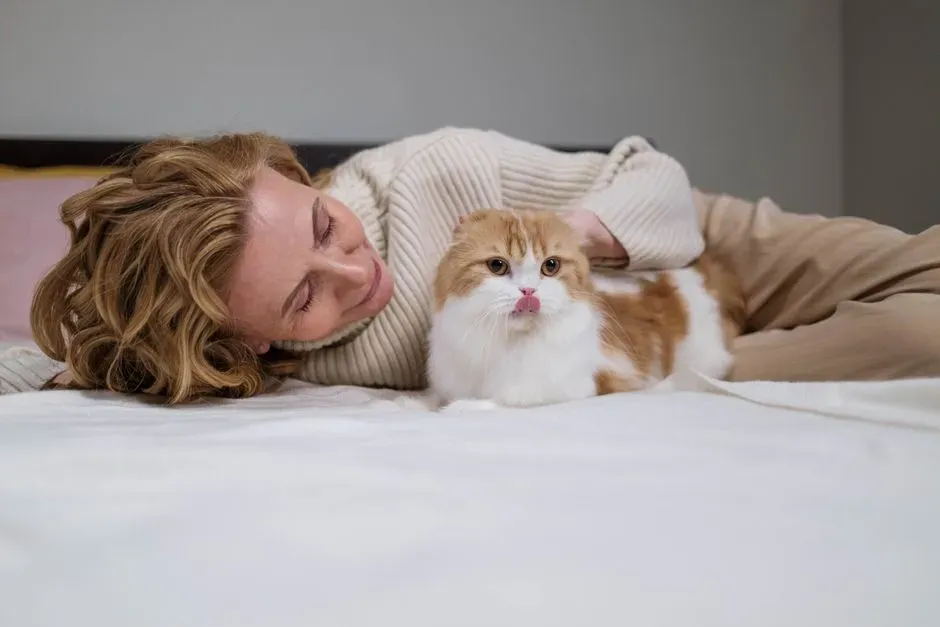
Our relationships with our pets often mirror our internal emotional landscapes. By examining behaviors like allowing dogs to lick our faces, we can gain insights into our attachment styles and unmet emotional needs. This self-awareness can be a stepping stone toward personal growth and healing.
Understanding the motivations behind our interactions with pets can also enhance the quality of these relationships, ensuring they are mutually beneficial and grounded in healthy dynamics.
Conclusion: Embracing the Healing Power of Human-Canine Bonds

Our connections with dogs are profound and multifaceted, often reflecting deeper psychological patterns rooted in our past experiences. While allowing a dog to lick one’s face might seem like a simple act of affection, it can signify a complex interplay of seeking comfort, expressing love, and fulfilling unmet emotional needs.
By acknowledging and understanding these dynamics, we can foster healthier relationships with our canine companions and, in turn, embark on a journey of self-discovery and emotional healing. After all, isn’t it remarkable how our four-legged friends can help us uncover and address the deepest corners of our hearts?


