
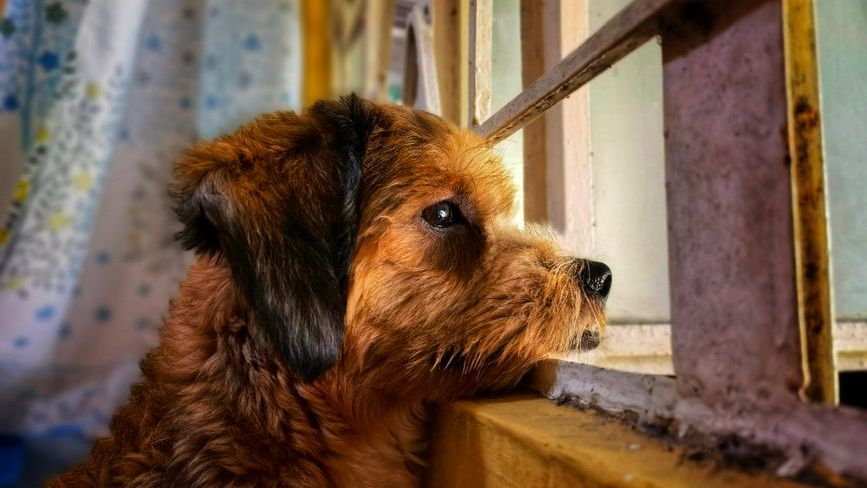
Imagine the scene: you’ve just adopted a charming, mature dog, eager to provide them with a loving forever home. Yet, every time you step out, even for a moment, their eyes fill with anxiety, and they seem unable to settle. Why is it that dogs adopted after the age of three often struggle to find peace when their owners leave the room?
Understanding the Roots of Separation Anxiety in Older Adopted Dogs
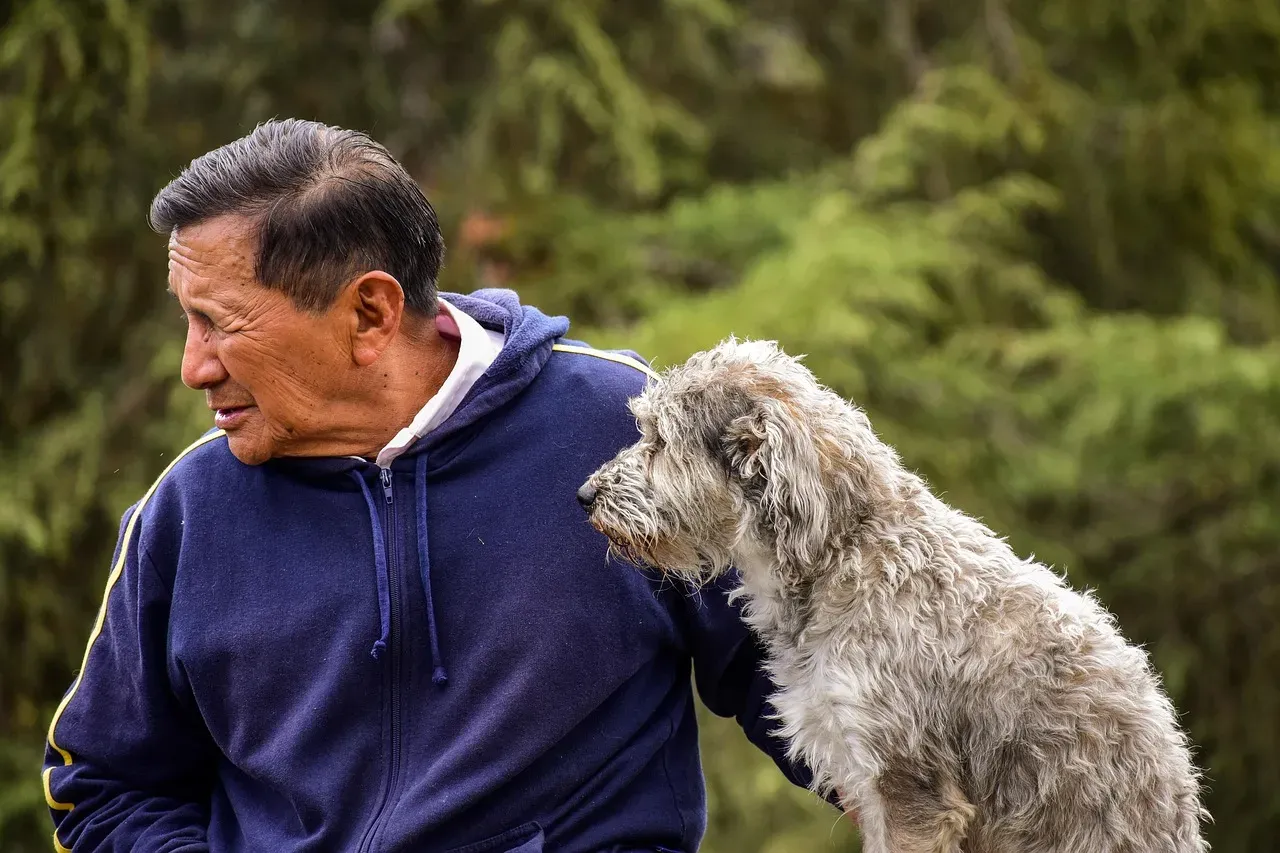
Separation anxiety isn’t just a puppy problem; it’s a profound issue that can affect dogs of all ages. For those adopted later in life, the trauma of previous abandonments or unstable environments can leave deep emotional scars. These experiences often manifest as an intense fear of being left alone, making it challenging for them to trust that their new owner will return.
Moreover, older dogs may have had limited exposure to positive socialization experiences during their formative years. This lack of early socialization can result in heightened anxiety levels, especially when faced with new situations or when separated from their caregivers.
The Impact of Past Experiences on Current Behavior
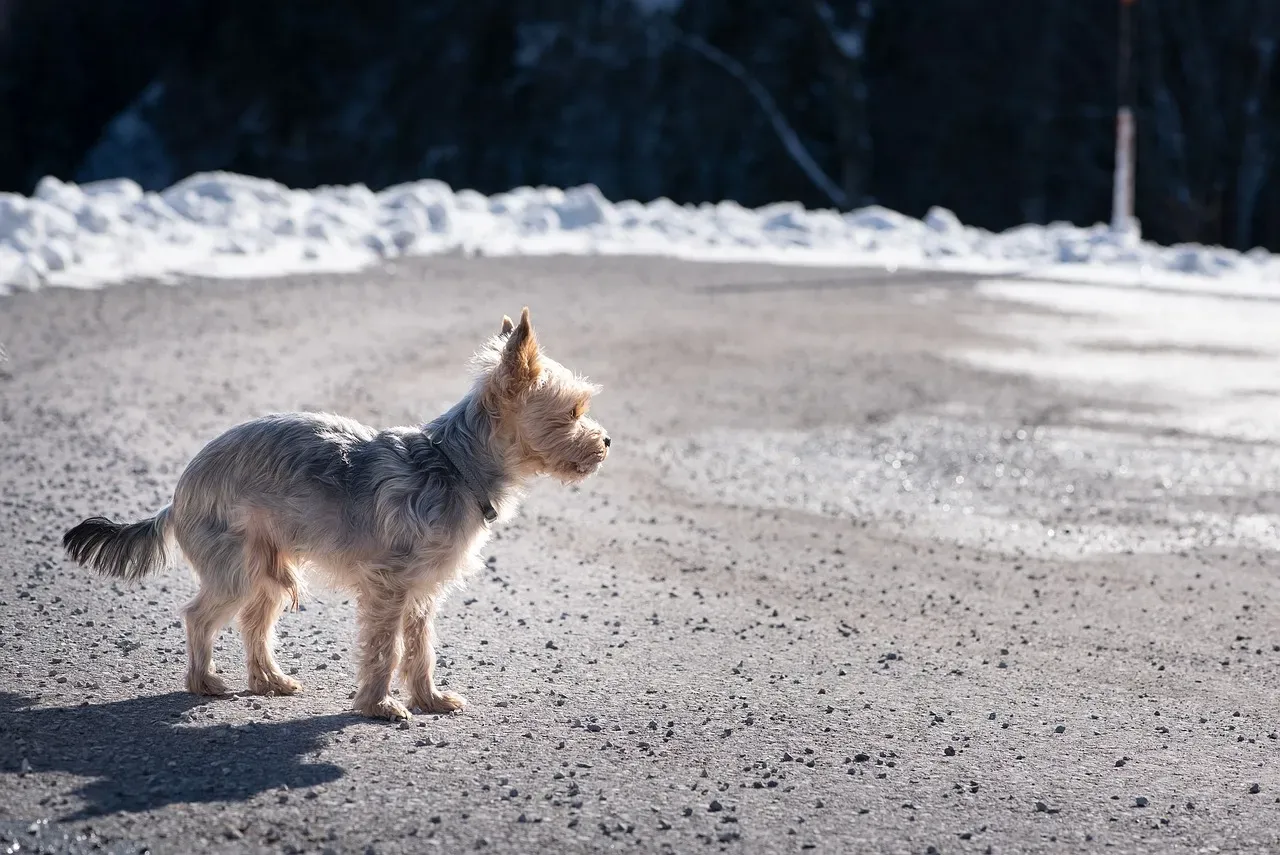
Dogs adopted after the age of three often come with a history. Whether they’ve been surrendered, rehomed multiple times, or experienced neglect, these past events shape their current behaviors. The uncertainty and inconsistency they’ve faced can lead to a persistent state of alertness, making relaxation difficult when their new owner isn’t present.
Additionally, the bond between a dog and its previous owner, if severed abruptly, can cause lasting emotional distress. This disruption can make it harder for the dog to form secure attachments in the future, leading to anxiety when left alone.
Recognizing the Signs of Separation Anxiety

It’s crucial for adopters to recognize the signs of separation anxiety to address them effectively. Common indicators include excessive barking or howling when left alone, destructive behaviors like chewing furniture or scratching at doors, and house soiling despite being house-trained. Some dogs may also exhibit pacing, drooling, or even attempts to escape when they sense their owner is about to leave.
Understanding these signs is the first step toward providing the necessary support and intervention to help the dog feel more secure in their new environment.
Strategies to Help Your Dog Feel Secure
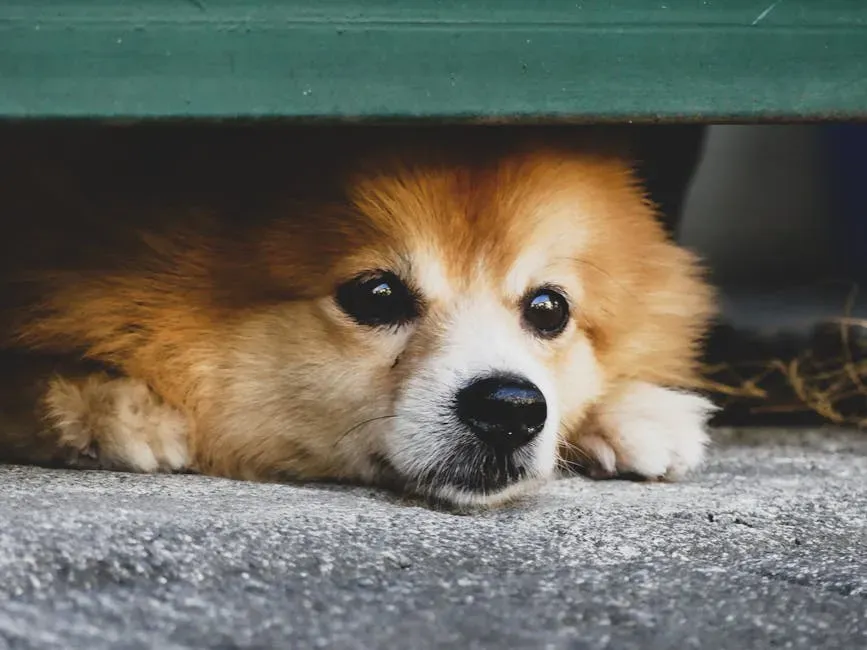
Building trust takes time, especially with dogs who have experienced upheaval. Establishing a consistent routine can provide a sense of predictability, helping to alleviate anxiety. Gradual desensitization to departures, starting with short absences and slowly increasing the duration, can also be beneficial.
Providing engaging toys or puzzles can keep the dog occupied during alone times, redirecting their focus from the owner’s absence. Additionally, creating a safe space, like a cozy corner with their favorite blanket, can offer comfort when they’re alone.
The Role of Professional Support
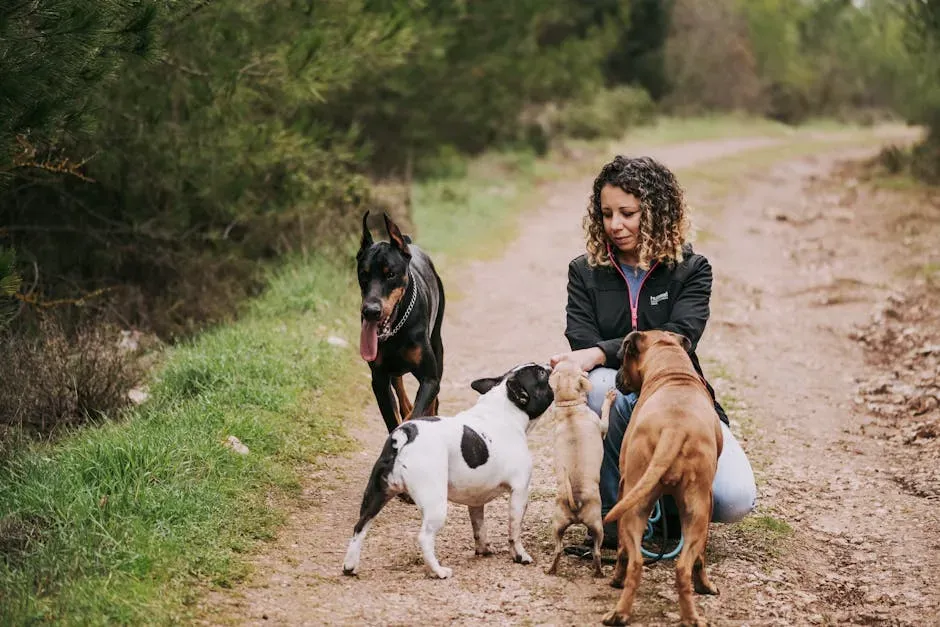
In cases where separation anxiety is severe, seeking professional help is advisable. Certified dog behaviorists or trainers can develop tailored behavior modification plans to address the specific needs of the dog. In some instances, veterinarians may recommend medications to help manage anxiety levels, especially during the initial stages of intervention.
Combining professional guidance with consistent training and patience can significantly improve the dog’s ability to cope with being alone.
Building a Strong, Trusting Relationship
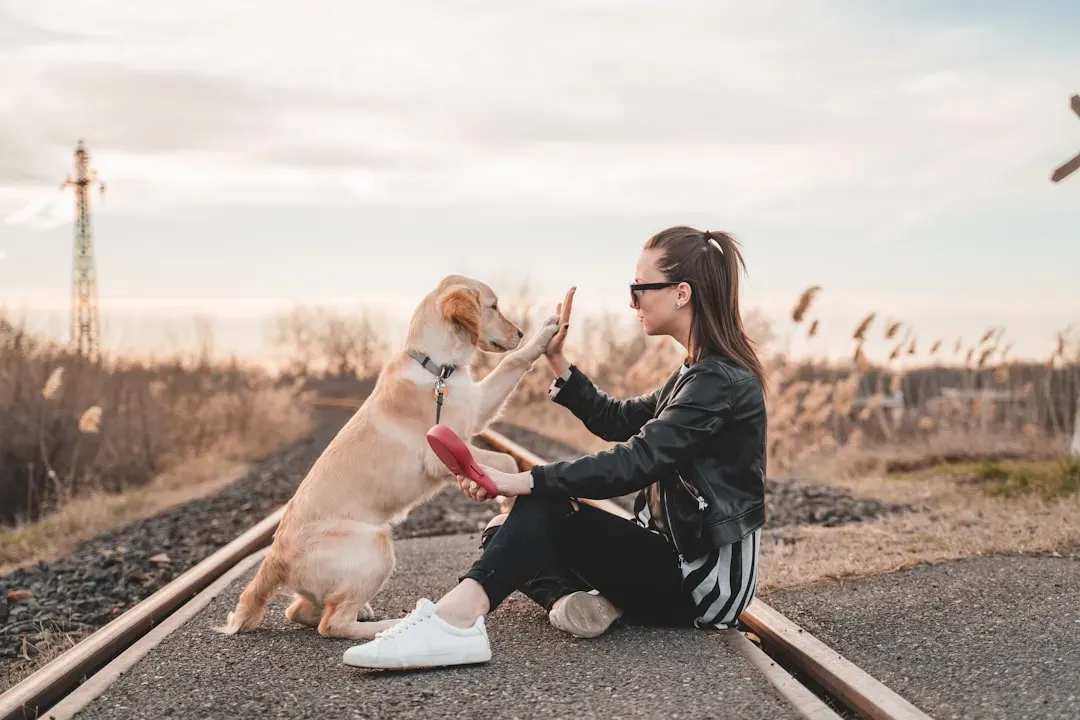
Developing a strong bond with your adopted dog is essential. Spending quality time together, engaging in activities they enjoy, and providing positive reinforcement can strengthen your relationship. This bond can serve as a foundation for building their confidence and reducing anxiety over time.
Remember, patience and understanding are key. Each dog is unique, and their journey to feeling secure will vary. Celebrating small victories and progress can make the process rewarding for both you and your canine companion.
Conclusion
Adopting a dog after the age of three comes with its challenges, particularly when it comes to separation anxiety. However, with empathy, consistency, and the right strategies, it’s possible to help your dog find peace and trust in their new home. The journey may be long, but the reward of seeing your dog relax and thrive is immeasurable. Are you ready to embark on this compassionate path to healing?


