
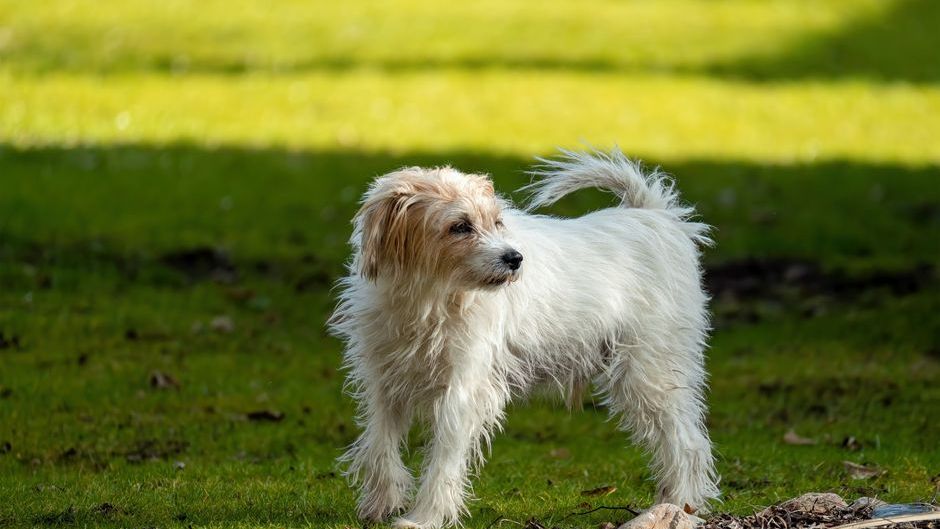
Ever noticed your dog acting strangely around certain individuals? It’s not just your imagination. Dogs possess an uncanny ability to sense things we often overlook. Their keen senses and deep bond with humans allow them to pick up on subtle cues, sometimes alerting us to potential betrayals before we even realize it. Let’s delve into the eight subtle ways your dog might be trying to warn you about someone who could eventually betray you.
Uncharacteristic Aggression or Growling
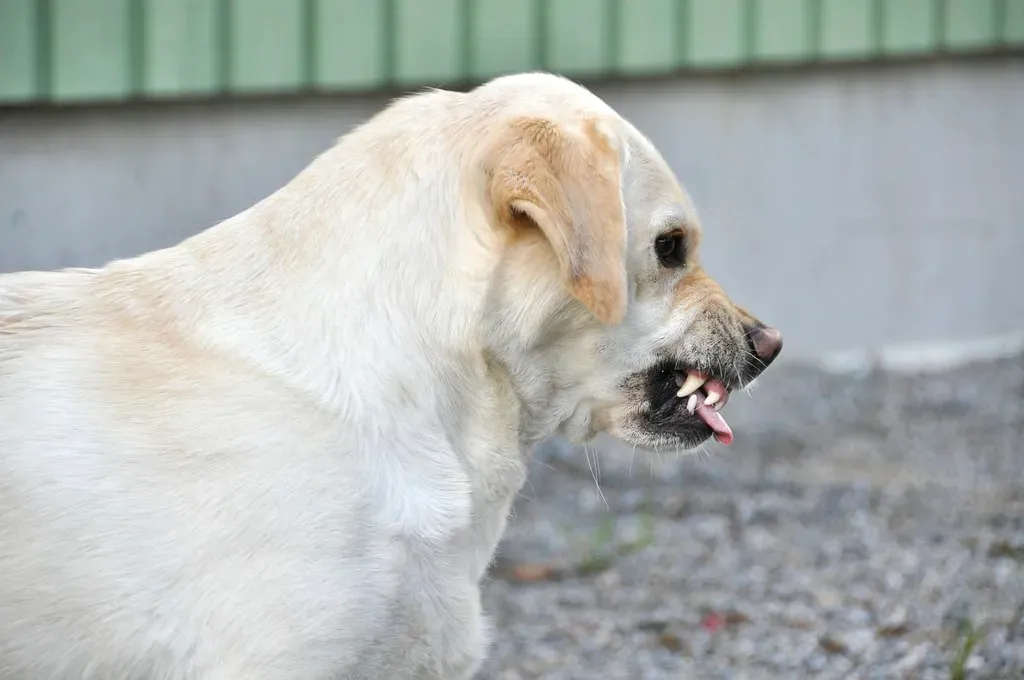
When your typically friendly dog suddenly growls or shows aggression towards someone, it’s worth paying attention. Dogs are adept at reading human body language and can detect subtle signs of dishonesty or ill intent. This behavior might be their way of signaling that something about this person doesn’t sit right with them.
Such reactions aren’t random. Studies have shown that dogs can discern between trustworthy and untrustworthy individuals. If your dog consistently reacts negatively to someone, it might be a red flag worth considering.
Avoidance or Hiding
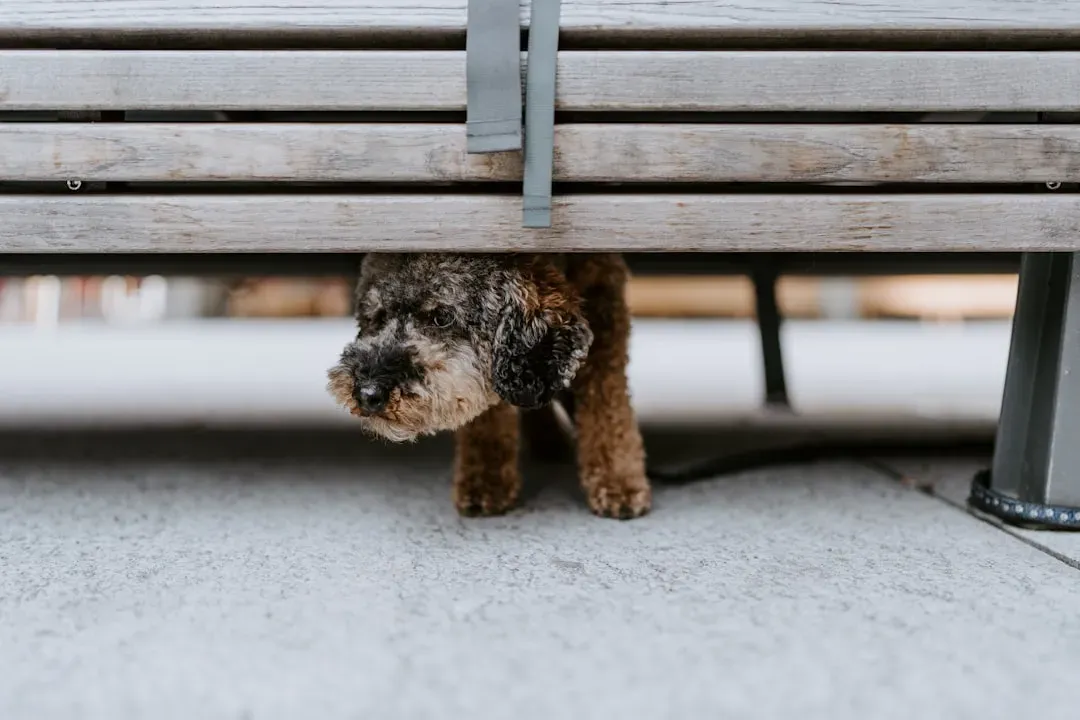
If your dog actively avoids a particular person, choosing to hide or keep their distance, it’s a sign of discomfort. Dogs often retreat from situations or individuals that make them uneasy. This avoidance can be their way of communicating that they sense something off about the person in question.
Observing your dog’s behavior around different people can provide insights into their perceptions. Consistent avoidance of a specific individual might indicate underlying issues that your dog is picking up on.
Excessive Barking or Whining
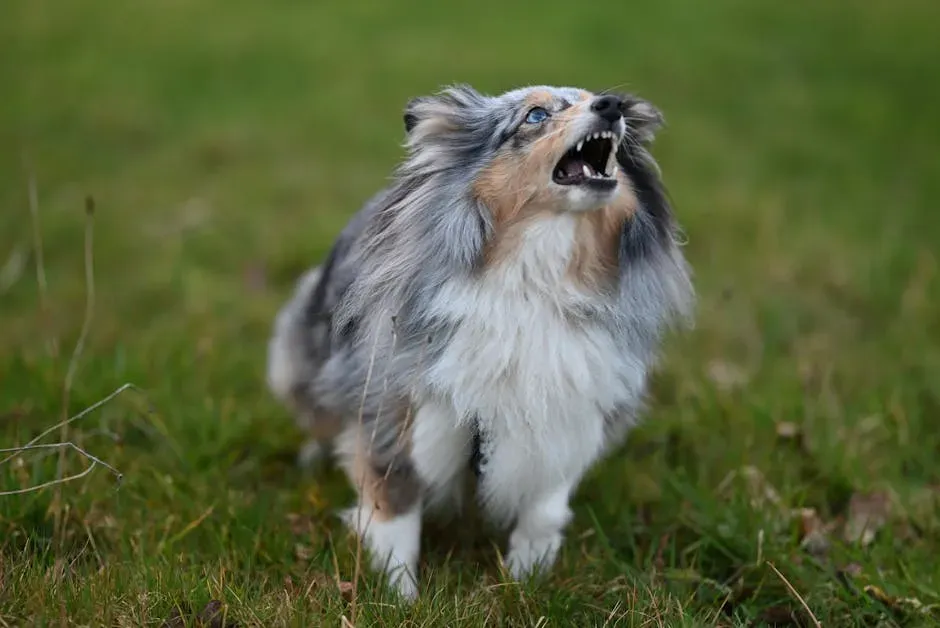
While barking is a natural form of communication for dogs, excessive barking or whining directed at a specific person can be a warning sign. This behavior often indicates anxiety or distress, suggesting that your dog perceives the individual as a potential threat.
It’s essential to consider the context. If your dog only exhibits this behavior around a particular person, it might be their way of alerting you to potential danger or deceit.
Unusual Clinginess or Protectiveness
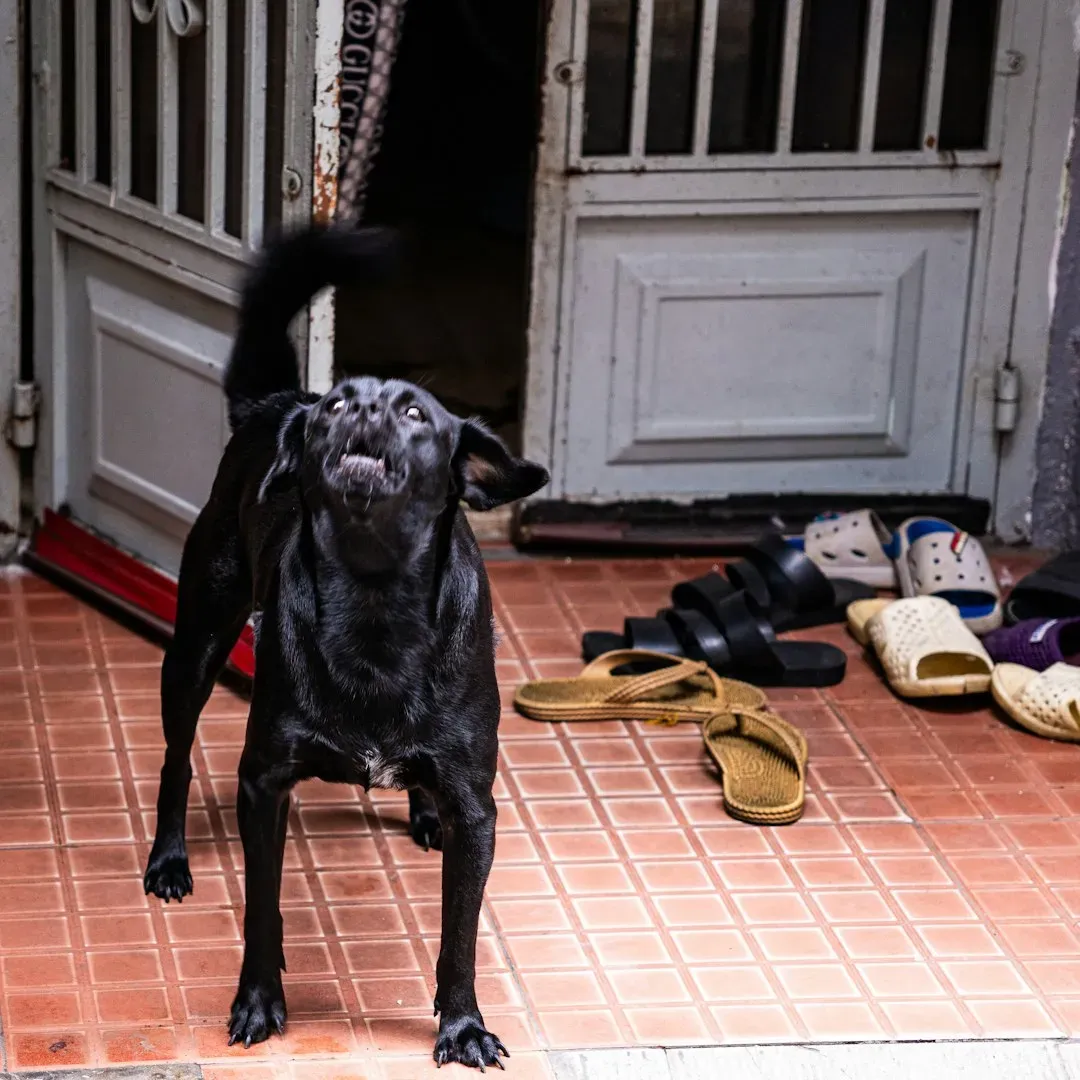
Dogs are naturally protective of their owners, but an increase in clinginess or protective behavior around certain individuals can be telling. If your dog positions themselves between you and someone else or becomes overly attentive when a specific person is present, they might be sensing something you’re not.
This heightened protectiveness can stem from their instinct to shield you from perceived threats. Trusting your dog’s instincts in such situations can be beneficial.
Changes in Eating or Sleeping Habits
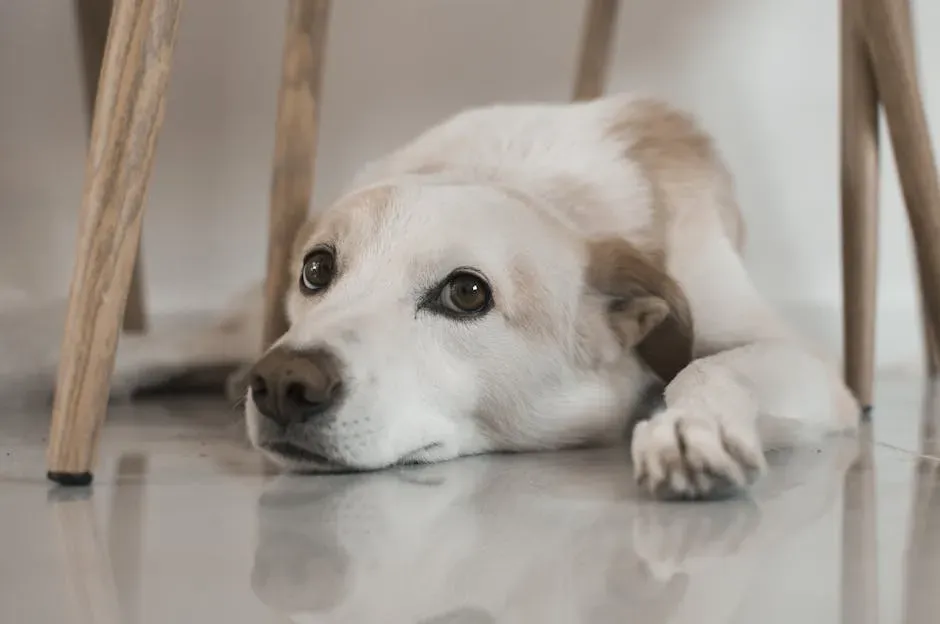
Sudden changes in your dog’s eating or sleeping patterns can indicate stress or anxiety. If these changes coincide with the presence of a particular individual, it might suggest that your dog is uneasy around them.
Monitoring these behavioral shifts can provide clues about your dog’s comfort levels. Consistent disruptions in their routine in the presence of someone might be a subtle warning sign.
Raised Hackles or Stiff Posture
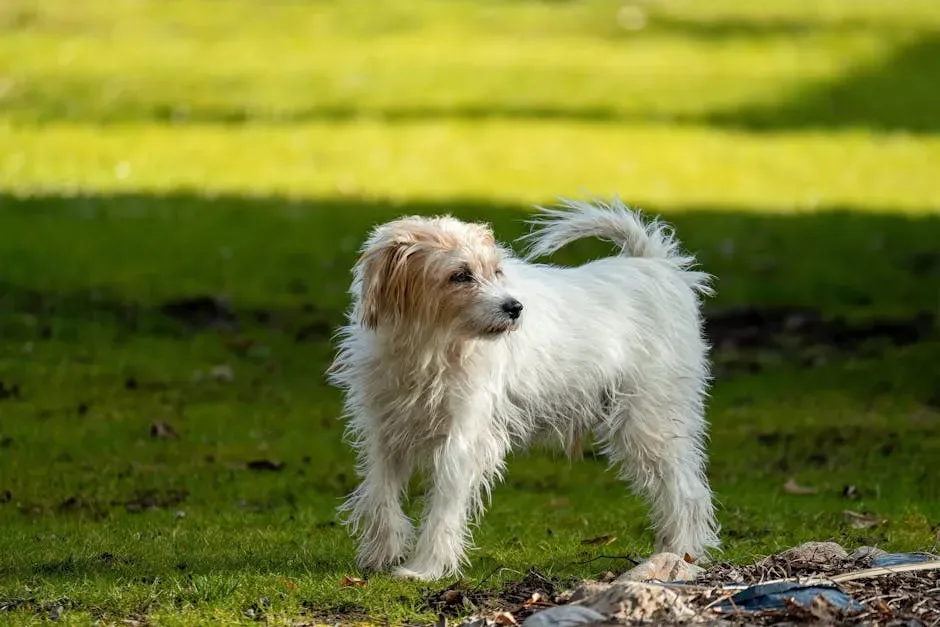
Physical signs like raised hackles (the hair along a dog’s back standing up) or a stiff, tense posture are indicators of discomfort or alertness. If your dog displays these signs around a specific person, it’s a clear signal that they feel threatened or uneasy.
These physical cues are part of a dog’s natural defense mechanism. Paying attention to when and around whom these signs occur can offer insights into potential issues.
Refusal to Take Treats or Commands
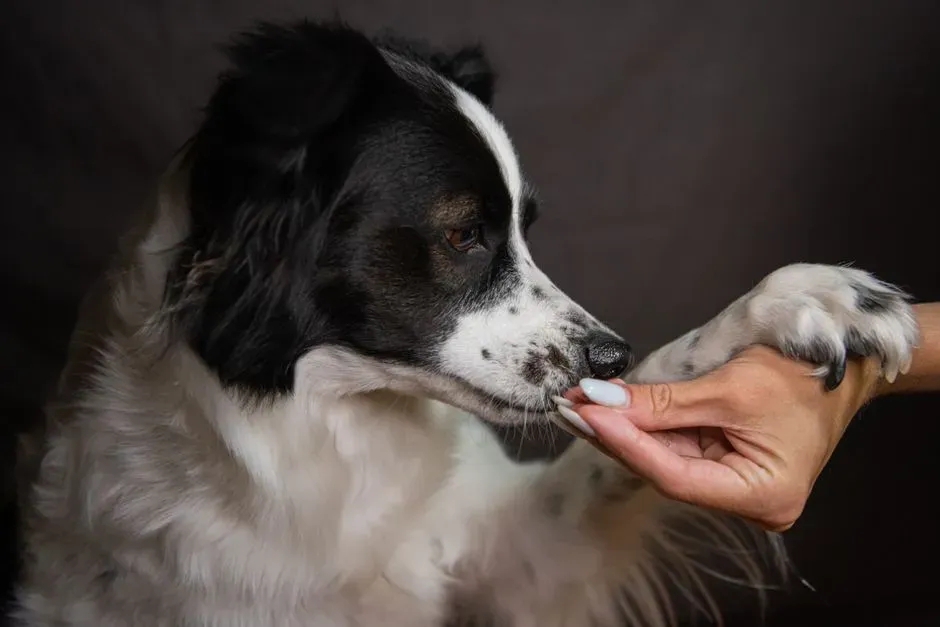
Dogs are usually eager to accept treats or follow commands, especially from familiar individuals. If your dog refuses treats or ignores commands from a particular person, it might indicate a lack of trust or comfort with them.
This behavior suggests that your dog is wary of the individual, possibly sensing something amiss. It’s a subtle yet telling sign of their perception.
Excessive Licking or Yawning
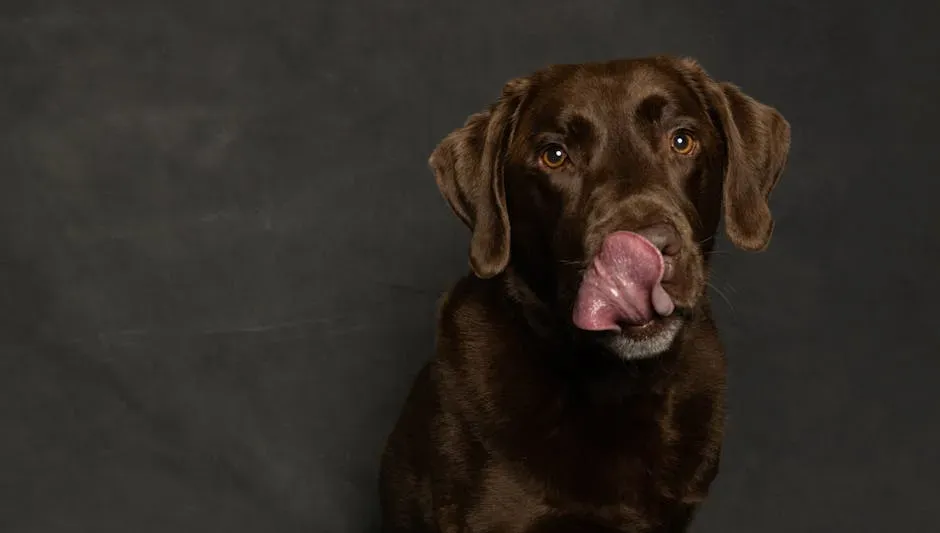
While licking and yawning are normal behaviors, excessive instances can be signs of stress or anxiety in dogs. If your dog frequently licks their lips or yawns excessively around a specific person, it might indicate discomfort.
These behaviors are often overlooked but can be subtle indicators of your dog’s emotional state. Recognizing and understanding these signs can help you gauge their feelings about the people around you.
In conclusion, our canine companions have evolved alongside us, developing an extraordinary ability to read human emotions and intentions. Their behaviors, often subtle, can serve as early warning systems, alerting us to potential betrayals or dangers. While it’s essential not to jump to conclusions based solely on your dog’s reactions, it’s equally important to trust and consider their instincts. After all, who knows you better than your loyal four-legged friend?
So, the next time your dog acts out of character around someone, will you heed their silent warning?


