
You fell in love with a photo. Maybe it was a Husky’s ice-blue eyes, a Dalmatian’s spots, or the sheer majestic power of a Cane Corso. It felt like fate. But veterinarians see the other side of that story every single week – the overwhelmed owner, the destructive dog, the heartbreaking surrender at the shelter. What looks irresistible in a picture can unravel fast in a real home with a real first-timer at the leash.
The truth is, most vets won’t call these breeds “bad dogs” – because they aren’t. They’re just built for something most beginners aren’t ready for. Some of the entries on this list will surprise you. A few will genuinely shock you. And at least one small dog near the end has humbled experienced owners who really should have known better.
14 – Belgian Malinois
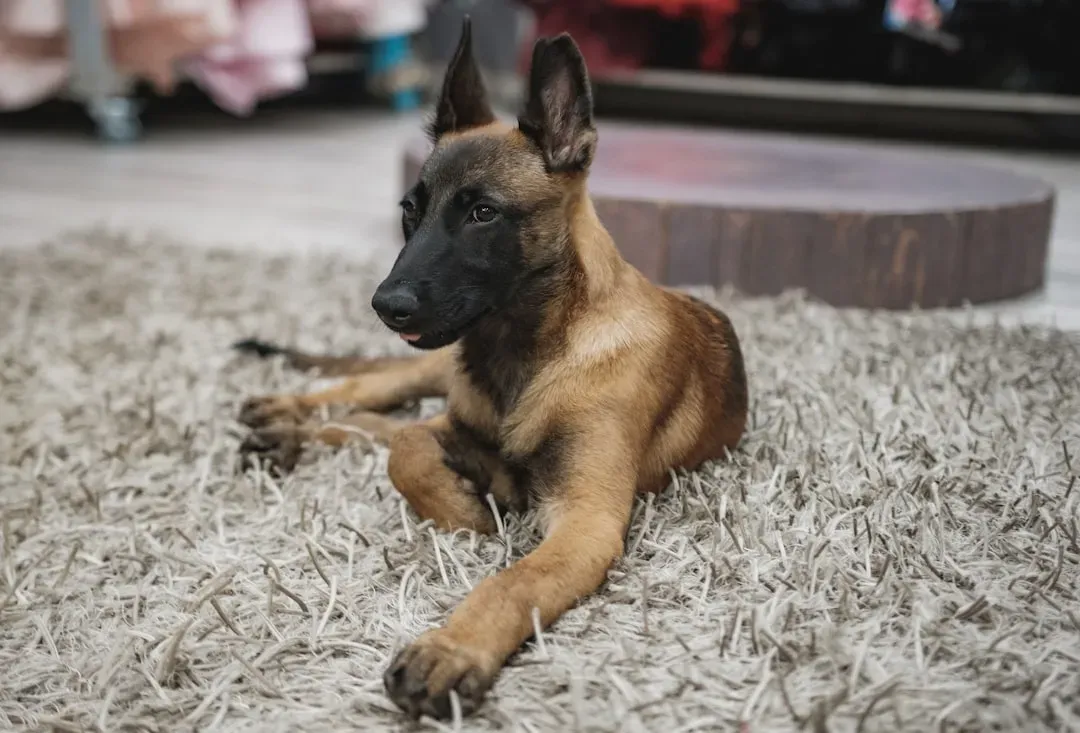
If you’ve ever watched a Malinois scale a wall, bite down on a police-issue sleeve, or clear an obstacle course at full speed, you already understand why this breed is not a casual pet. Belgian Malinois are used by military and law enforcement agencies worldwide precisely because they are relentless – driven, focused, and almost physically incapable of powering down. That’s a breathtaking quality in a working dog. In a suburban living room, it’s a slow-motion disaster.
Without a structured environment, assigned tasks, and daily high-intensity exercise, Malinois don’t just get bored – they get destructive in ways that feel almost creative. Baseboards disappear. Furniture gets dismantled. Their protective instincts, without experienced socialization, can tip toward aggression. Vets who see these dogs in first-time homes describe a consistent pattern: the owner is exhausted, the dog is frustrated, and neither one is getting what they need.
Fast Facts
- Daily exercise needed: 2 to 3 hours of vigorous physical activity – not walks, but running, agility, and structured training
- Mental stimulation is non-negotiable: Physical exercise alone won’t tire a Malinois; brain work is equally critical
- Used by: Military units, police forces, and search-and-rescue teams across the globe
- Biggest first-timer mistake: Assuming a big yard replaces a real job and structured daily routine
- Bottom line: Best suited to experienced handlers who can commit to multiple training sessions every single day
13 – Border Collie
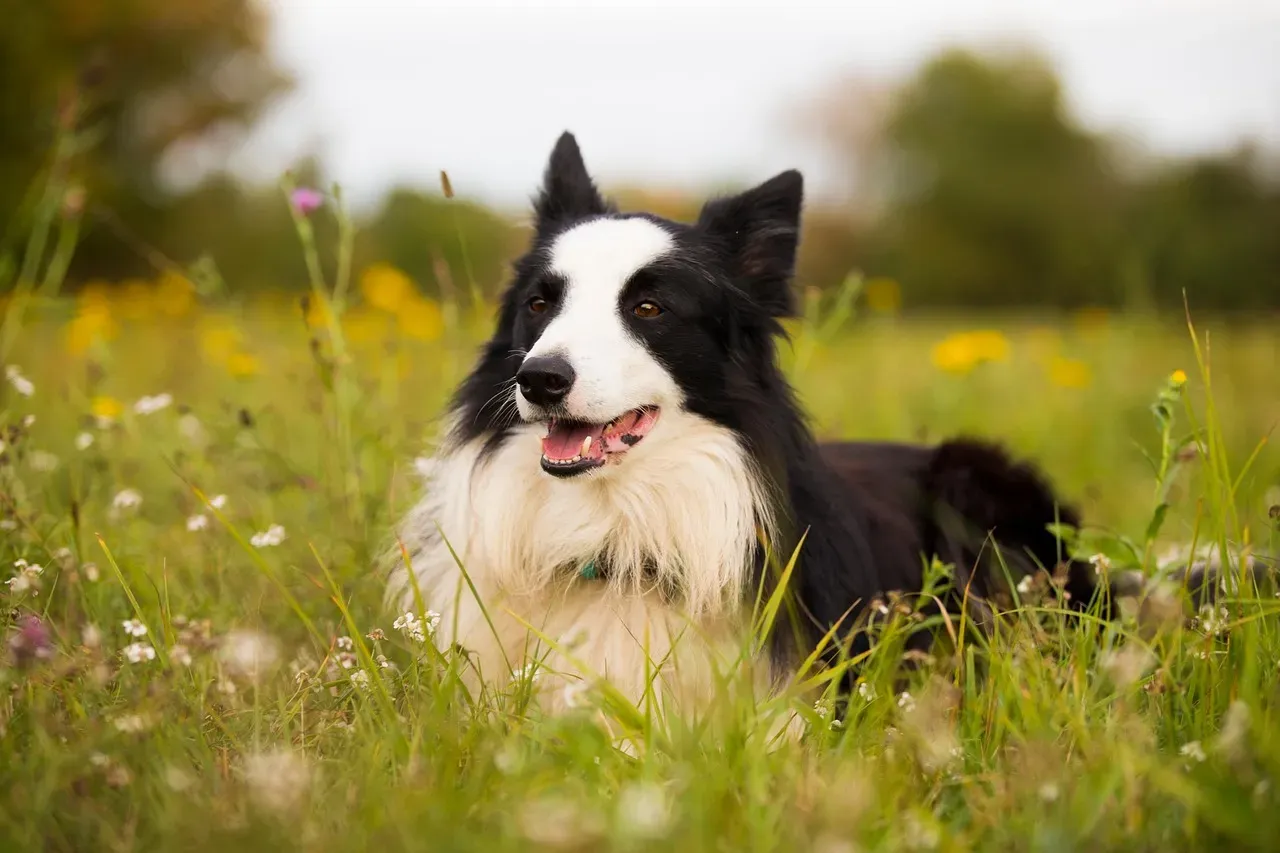
Border Collies are widely considered the most intelligent dog breed on the planet, capable of learning a new command in fewer repetitions than almost any other dog. That sounds like a dream. It is, until you realize that a bored, under-stimulated Border Collie will redirect all of that intelligence into activities you did not authorize. Herding the children. Barking at shadows. Systematically destroying anything left within reach.
These dogs were bred to work sheep on Scottish hillsides for hours without stopping. A daily walk around the block isn’t exercise to a Border Collie – it’s barely a warm-up. First-time owners often mistake their responsiveness for ease of ownership, right up until the behavioral issues start stacking up. Vets see it often enough that many now have a quiet, practiced way of redirecting the conversation when a newcomer mentions wanting one.
12 – Siberian Husky
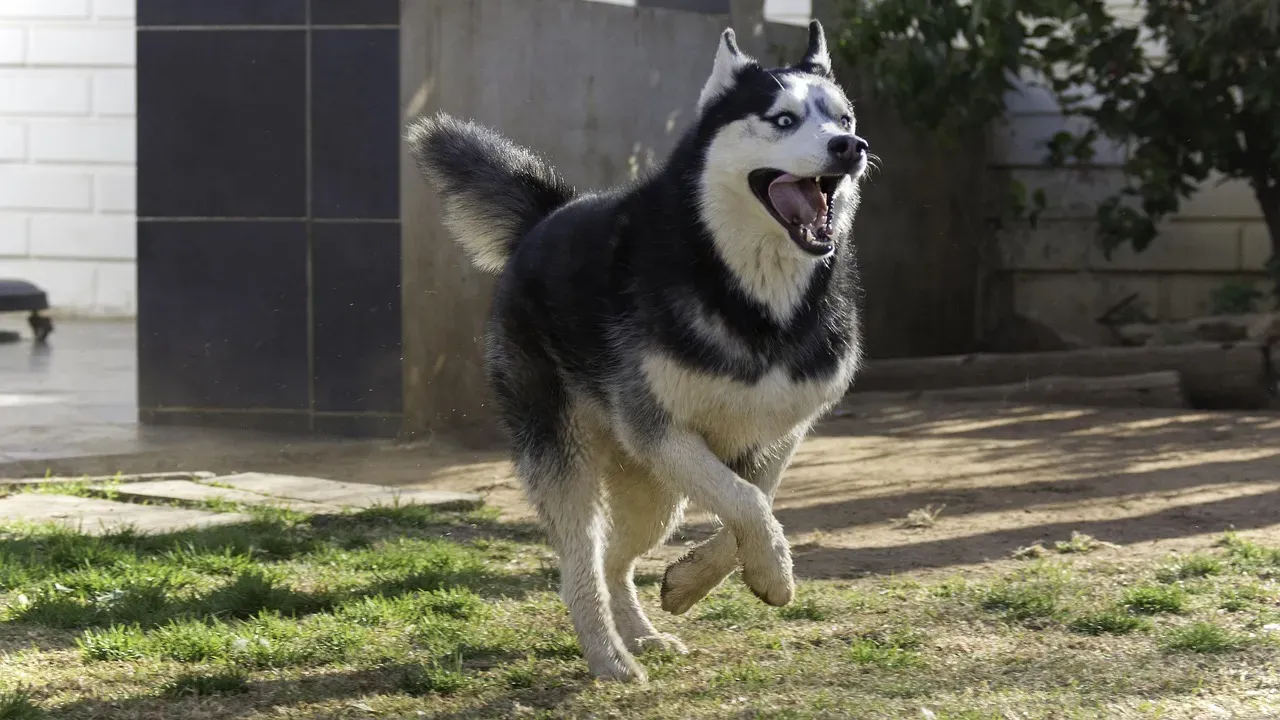
The Siberian Husky is one of the most visually stunning dogs alive, and the breed knows how to work a camera. What the photos don’t capture is the howling at 2 a.m., the escape attempts that would impress a prison warden, or the sheer physical endurance these dogs possess. Huskies were built to run – not jog, run – across frozen Siberian tundra for hours. That instinct doesn’t disappear just because they live in a fenced backyard in Phoenix.
Their independent streak makes training a genuine test of patience. Huskies aren’t stubborn out of spite; they’re just wired to make their own decisions, which was useful when navigating a blizzard without human direction. That same quality makes consistent recall almost laughably unreliable. Add in a strong prey drive, a talent for digging under fences, and a vocal range that neighbors will absolutely notice, and you have a dog that regularly surprises first-time owners with exactly how much dog they brought home.
11 – Dalmatian
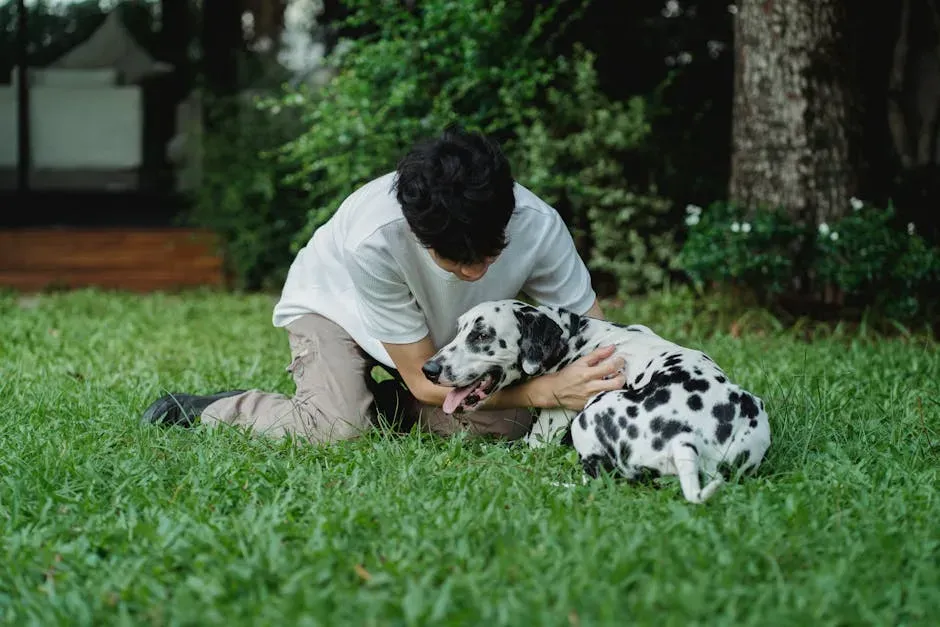
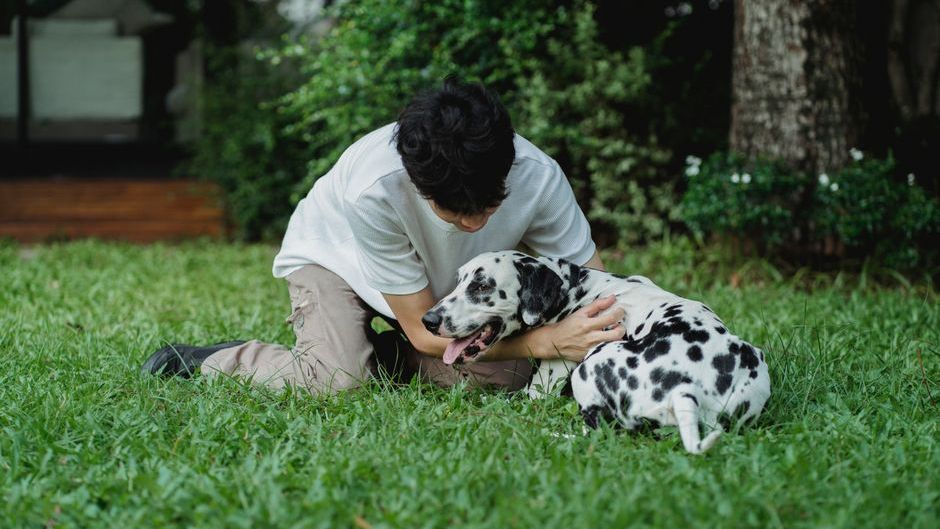
Blame the movies. Dalmatians became a cultural symbol of charm and adventure, and adoption numbers spike every time a new generation discovers the black-and-white puppies on screen. What the story never covers is the Dalmatian’s real personality: high-octane energy, a stubborn streak, and health vulnerabilities that demand attentive owners. This is a dog that was bred to run alongside horse-drawn carriages for miles. The spotted coat is lovely. The stamina underneath it is something else entirely.
Dalmatians are also statistically prone to congenital deafness – up to 30 percent are reported to be affected worldwide, with roughly 22 percent deaf in one ear and 8 percent in both – and they’re susceptible to urinary tract issues that require careful dietary management. Vets often find themselves delivering that health information to first-time owners who genuinely had no idea. The combination of medical needs, exercise demands, and a will of their own creates a profile that consistently overwhelms people who chose the breed for aesthetic reasons alone.
At a Glance
- Deafness rate: Up to 30% of Dalmatians worldwide are affected by congenital sensorineural deafness
- Both ears affected: Approximately 8% are bilaterally deaf; around 22% have unilateral hearing loss
- Root cause: The same extreme piebald gene responsible for their iconic coat also disrupts inner-ear development
- BAER testing: Ethical breeders screen all puppies between 5 and 7 weeks old – always ask for results
- Other health watch: Urate urinary stones require lifelong low-purine dietary management
10 – Chow Chow
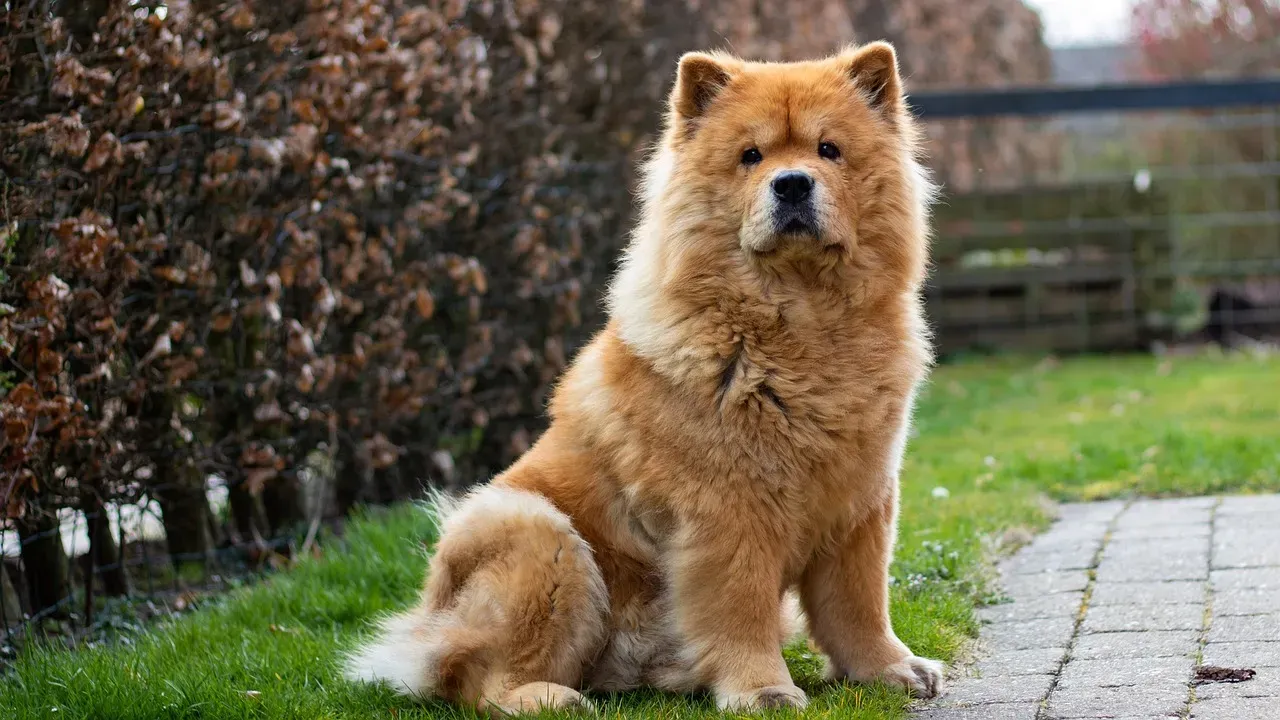
The Chow Chow looks like a living stuffed animal – a lion crossed with a teddy bear, wrapped in a coat that begs to be touched. Which is exactly the problem, because Chow Chows are famously particular about being touched. They are ancient, independent, and deeply cat-like in their emotional range. They bond intensely with one or two people and treat everyone else – including enthusiastic children who want to hug them – with cool indifference that can tip into something sharper without warning.
Early socialization is not optional with this breed; it is absolutely critical. A Chow Chow that hasn’t been carefully exposed to strangers, new environments, and unpredictable situations from puppyhood can become wary, territorial, and difficult to manage in public. Their thick double coat also requires serious grooming commitment – matting sets in fast if it’s neglected. Vets who work with this breed tend to ask a lot of probing questions before signing off on a Chow Chow for a first-time household, especially one with young kids.
9 – Cane Corso
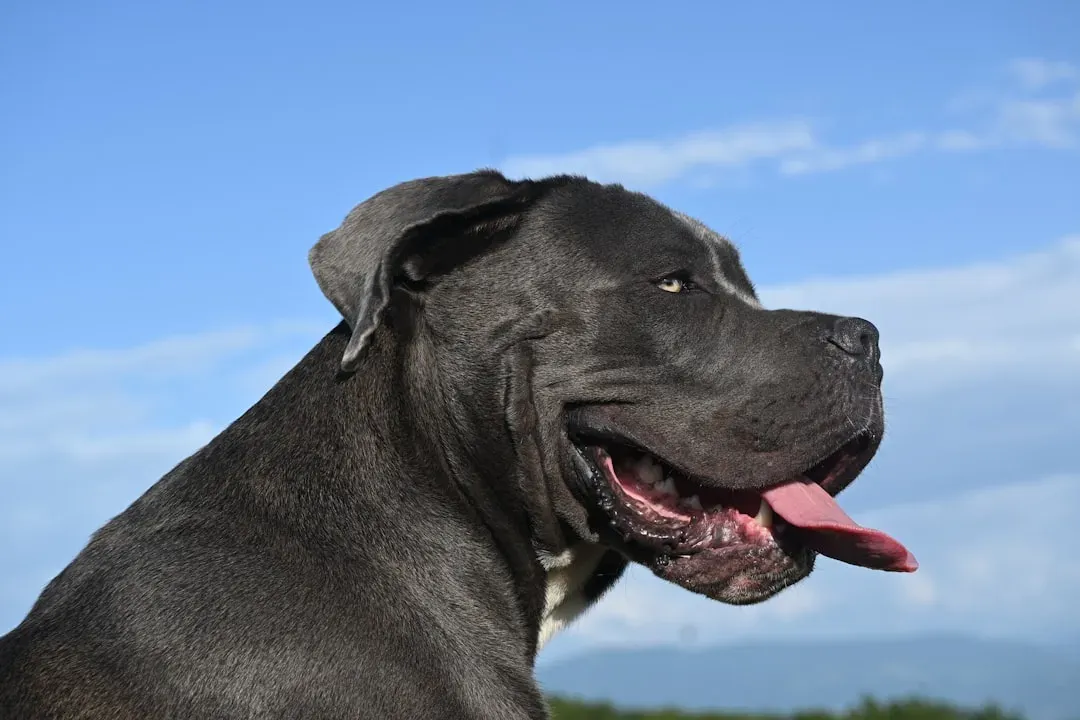
The Cane Corso is an ancient Italian breed built for one purpose: guarding. These dogs are massive, muscular, and possess a natural protective instinct that runs deep in their DNA. In the hands of an experienced owner who understands working breeds, a well-socialized Cane Corso can be a steady, devoted companion. In the hands of a first-timer who underestimated what they were taking on, the outcome is often a dog that has become territorial, reactive, and physically difficult to control.
The challenge isn’t meanness – it’s power combined with instinct and inexperienced leadership. A Cane Corso that hasn’t been properly trained will test boundaries constantly, not out of malice but because that’s what confident, dominant dogs do when no clear structure exists. At 100-plus pounds with a jaw built for the job, that test is not theoretical. Vets who specialize in large breeds are direct about this: the Cane Corso demands an owner who has already earned their stripes with other dogs.
Quick Compare: What First-Timers Expect vs. Reality
- Expected: A loyal, impressive guard dog that’s naturally well-behaved
- Reality: A dominant 100–130 lb dog that requires experienced, consistent leadership from day one
- Expected: Manageable once past the puppy stage
- Reality: The window to establish structure is short – and closing fast as they grow
- Expected: Protective instincts are a bonus feature
- Reality: Without proper socialization, those instincts become the primary problem
8 – Akita
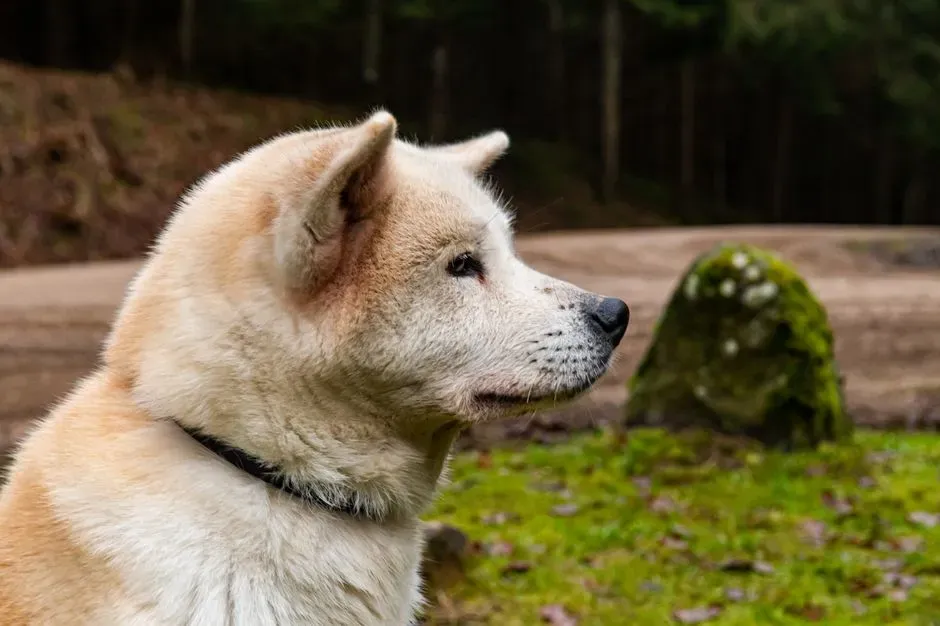
In Japan, the Akita is a symbol of loyalty, health, and good fortune – small Akita statues are given as gifts to celebrate new babies and wish the sick a speedy recovery. The breed’s legendary devotion is real and moving. But that loyalty is tightly directed, usually at one person or one family, and it comes packaged with a powerful wariness of everyone outside that inner circle. Without deliberate, early socialization, that wariness can become a serious liability.
Akitas have a dominant personality and a strong prey drive that makes coexistence with other animals genuinely unpredictable. They are not a breed that forgives sloppy leadership or inconsistent rules – they notice, and they adjust their behavior accordingly, not always in the direction you’d want. Their thick double coat demands regular grooming, and their sheer physical presence means mistakes in handling have real consequences. Vets often describe Akitas as a breed that rewards experienced owners enormously and quietly punishes inexperienced ones.
7 – Rottweiler
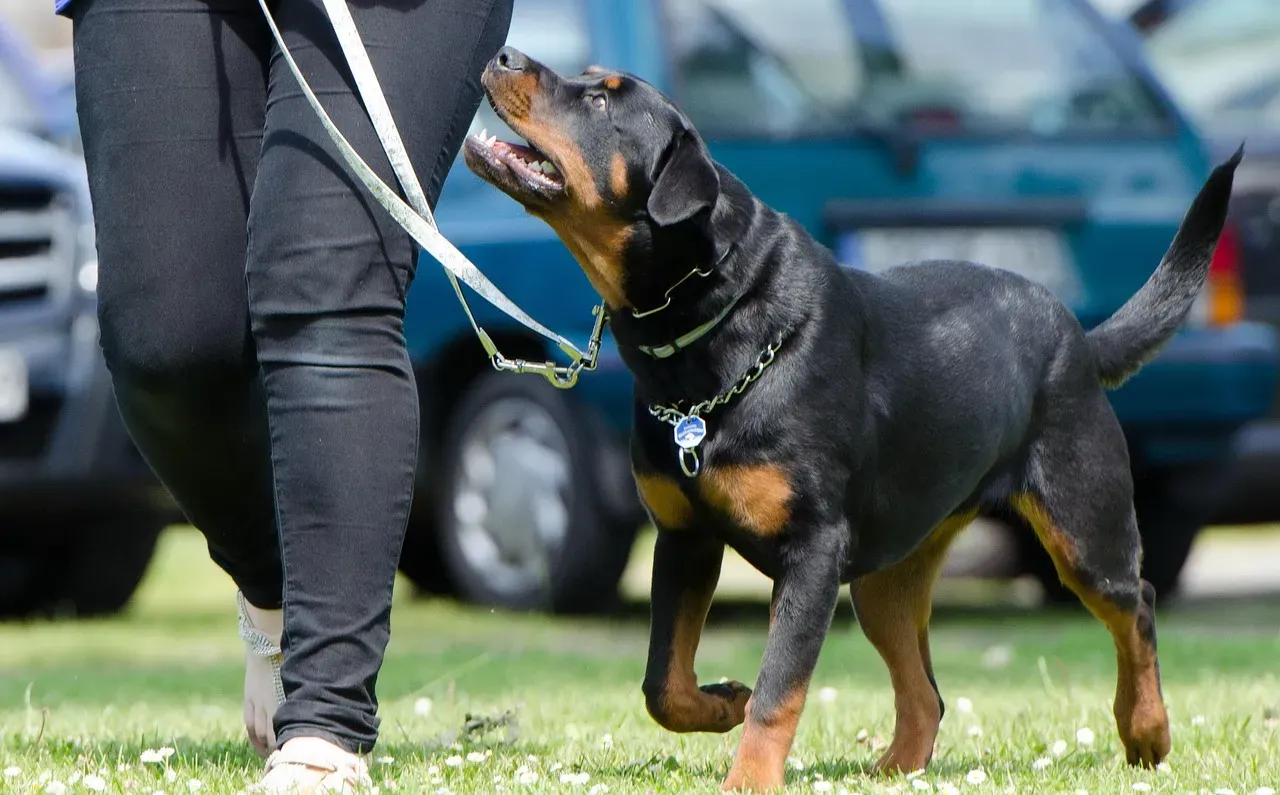
Rottweilers have unfairly carried a reputation shaped more by headlines than reality. In the right household, they are calm, confident, and deeply loyal family dogs with a steady temperament. The problem isn’t the breed’s nature – it’s what happens when a powerful, protective dog doesn’t receive the consistent training and socialization it needs from day one. A Rottweiler without structure is a Rottweiler making its own decisions about threats, territory, and hierarchy. That’s a dangerous combination in an inexperienced home.
These dogs are physically imposing in a way that matters. A Rottweiler that pulls, jumps, or reacts can easily overpower an unprepared handler, which makes every gap in training a real safety issue rather than just an inconvenience. Vets who work with the breed consistently say the same thing: Rottweilers are not difficult dogs – they’re demanding dogs. There’s a difference. But that demand requires an owner who is equally committed, consistent, and physically capable of managing them.
6 – Weimaraner
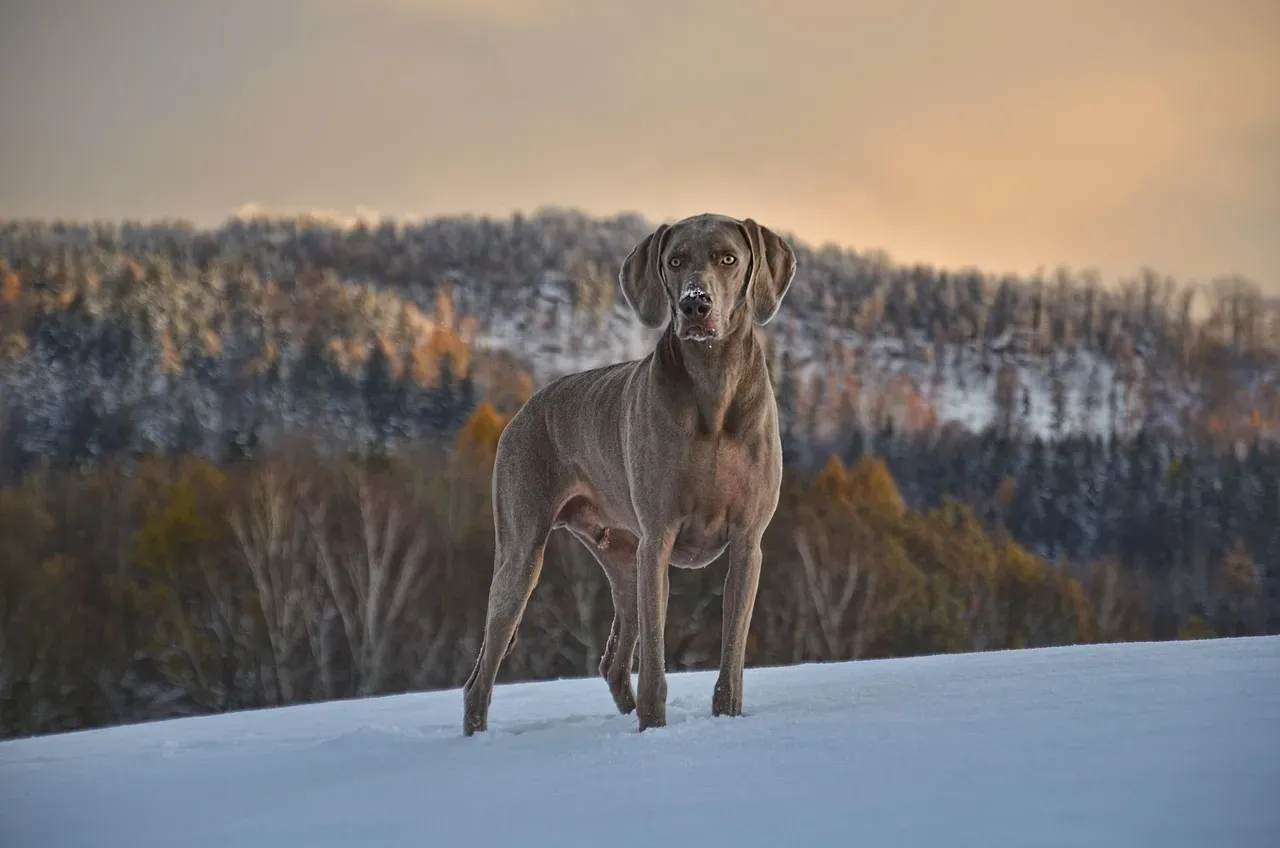
The Weimaraner earned the nickname “Gray Ghost” for its sleek silver coat and the uncanny way it seems to materialize at your side the moment you stop paying attention. That attachment is both the breed’s greatest charm and its greatest challenge. Weimaraners don’t just prefer your company – they need it. Separation anxiety in this breed isn’t a quirk; it can be severe, manifesting in destruction, incessant howling, and visible distress the moment the door closes.
Bred as hunting dogs, Weimaraners have energy reserves that feel almost unfair. They need vigorous daily exercise, not as a luxury but as a genuine behavioral necessity. Without it, anxiety and restlessness compound quickly. First-time owners who work long hours, travel frequently, or simply underestimated the daily commitment often find themselves with a dog that’s falling apart emotionally. Vets see the pattern often enough that “how long are you away from home each day” has become a standard screening question whenever a Weimaraner adoption comes up.
5 – Alaskan Malamute
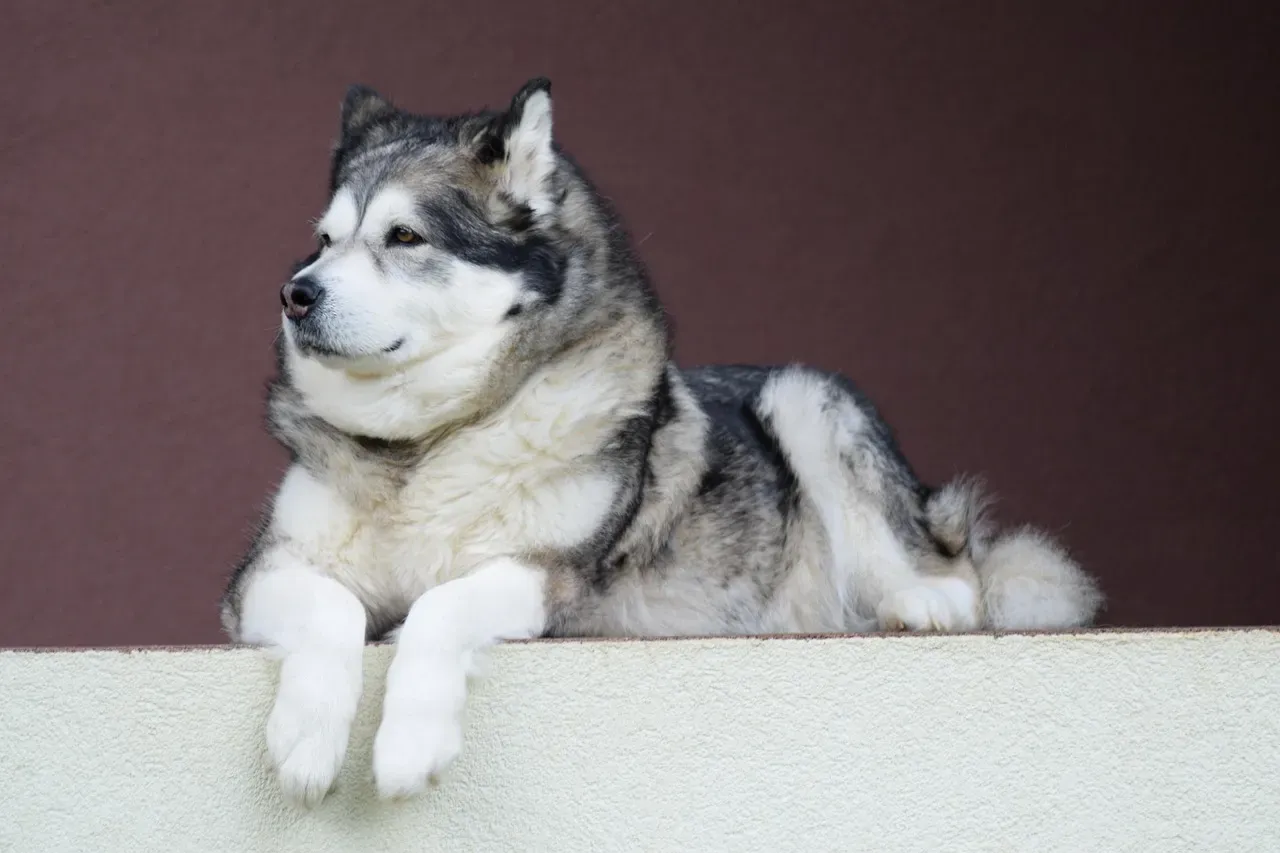
People sometimes confuse Alaskan Malamutes with Siberian Huskies and assume the ownership experience is roughly the same. It isn’t. Malamutes are larger, stronger, and if anything, more headstrong. They were bred to haul heavy freight across Arctic terrain, and that heritage left them with physical endurance and an independent decision-making streak that can make training feel like a prolonged negotiation you didn’t know you’d entered.
Their prey drive is intense enough to make small pets a genuine safety concern, and their escape artistry rivals the Husky in creativity and persistence. The coat is stunning and requires real grooming commitment – particularly during shedding season, which is an experience that has to be lived to be fully understood. Malamutes are also deeply social dogs that don’t tolerate being left alone well. Vets who discuss this breed with first-timers often spend as much time on lifestyle fit as they do on the dog itself, because the mismatch in expectations tends to be significant.
Worth Knowing
- Size reality check: Malamutes typically weigh 75–100 lbs – noticeably larger and more powerful than a Husky
- Shedding season: Heavy “blowing” of the coat happens twice yearly and is genuinely relentless – a vacuum is not enough
- Prey drive: Strong enough that small pets in the home can be at real risk without careful, supervised introductions
- Alone time: Does not tolerate long hours alone – separation anxiety and destructive behavior follow quickly
- Escape risk: Skilled diggers and climbers; standard fencing is rarely sufficient
4 – Jack Russell Terrier
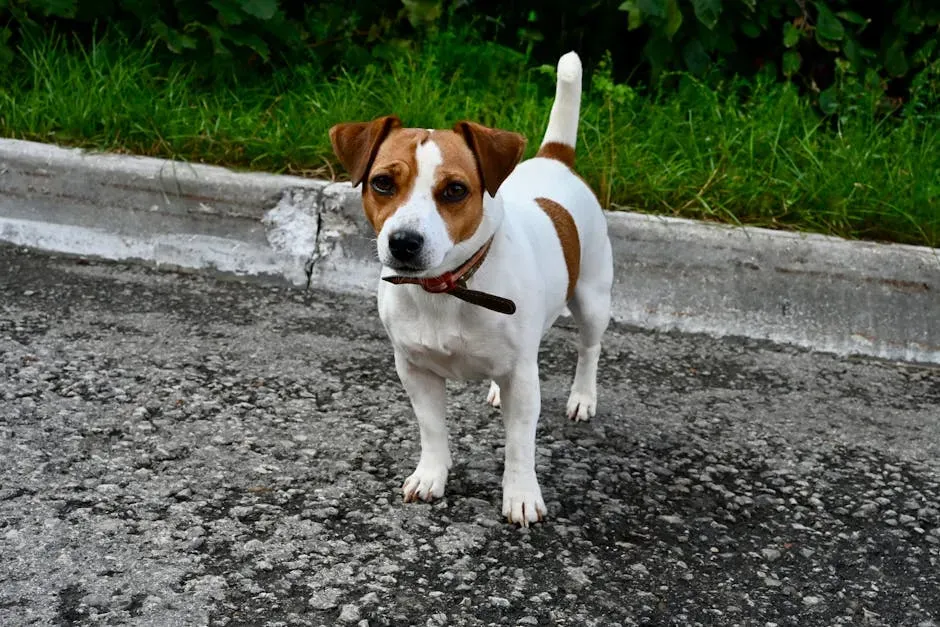
Here’s where the list surprises people. The Jack Russell Terrier is small enough to fit in a tote bag and irresistible enough to star in television commercials. First-timers often choose one specifically because they want something manageable. What they get instead is one of the most energetically demanding, mentally relentless, and stubbornly independent small dogs ever produced. The size is misleading in a way that vets find themselves correcting constantly.
Jack Russells were bred to bolt underground after foxes – a job requiring fearlessness, speed, and an absolute refusal to give up. Those traits don’t disappear in a house. They redirect. A bored Jack Russell will dig, bark, chase, and dismantle things with a focus that would be impressive if it weren’t so exhausting. Behavioral issues in under-stimulated Jack Russells are among the most common small-dog complaints vets hear. The breed needs a handler who can match that energy with firm, consistent structure – which most first-time owners simply aren’t prepared to deliver.
3 – Shar-Pei
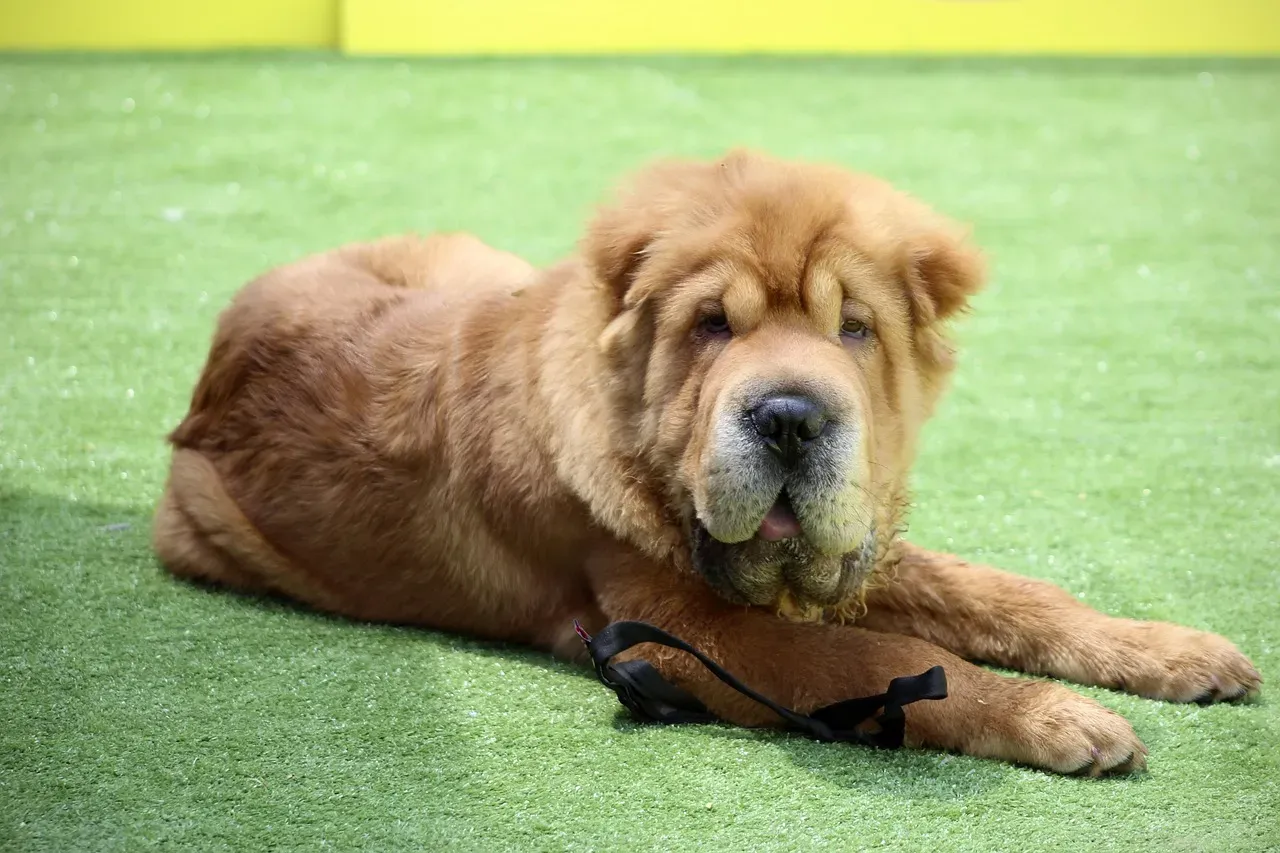
The Chinese Shar-Pei is impossible to overlook – those deep wrinkles, the hippo-shaped muzzle, the sandpaper coat that gave the breed its name. They are genuinely one of the most distinctive-looking dogs in the world, and that appearance draws first-time owners who want something unusual. What makes them unusual goes beyond the skin, though. Shar-Pei are ancient, independent thinkers with a stubborn confidence that can feel like outright defiance to anyone expecting an eager-to-please puppy.
Those iconic wrinkles also carry a medical price tag. Skin fold infections are a recurring concern that requires vigilant cleaning and veterinary attention. The breed is prone to a serious condition called Shar-Pei Fever, along with eye problems – entropion, where the eyelids roll inward – that often require surgical correction. Health management for this breed can be complex and expensive, which is information many first-time owners receive only after they’re already attached. Vets who care about the match tend to front-load that conversation.
Why It Stands Out
- Entropion: Inward-rolling eyelids are common and frequently require surgical correction – often in the first year
- Shar-Pei Fever: A breed-specific inflammatory condition causing recurring high fever and swollen hocks, requiring ongoing management
- Skin fold infections: The wrinkles need regular cleaning to prevent painful bacterial and yeast buildup between the folds
- Temperament: Ancient, cat-like independence – not naturally eager to please and not forgiving of inconsistent owners
- Vet bills: Expect above-average lifetime veterinary costs; health issues are the rule, not the exception
2 – Bullmastiff
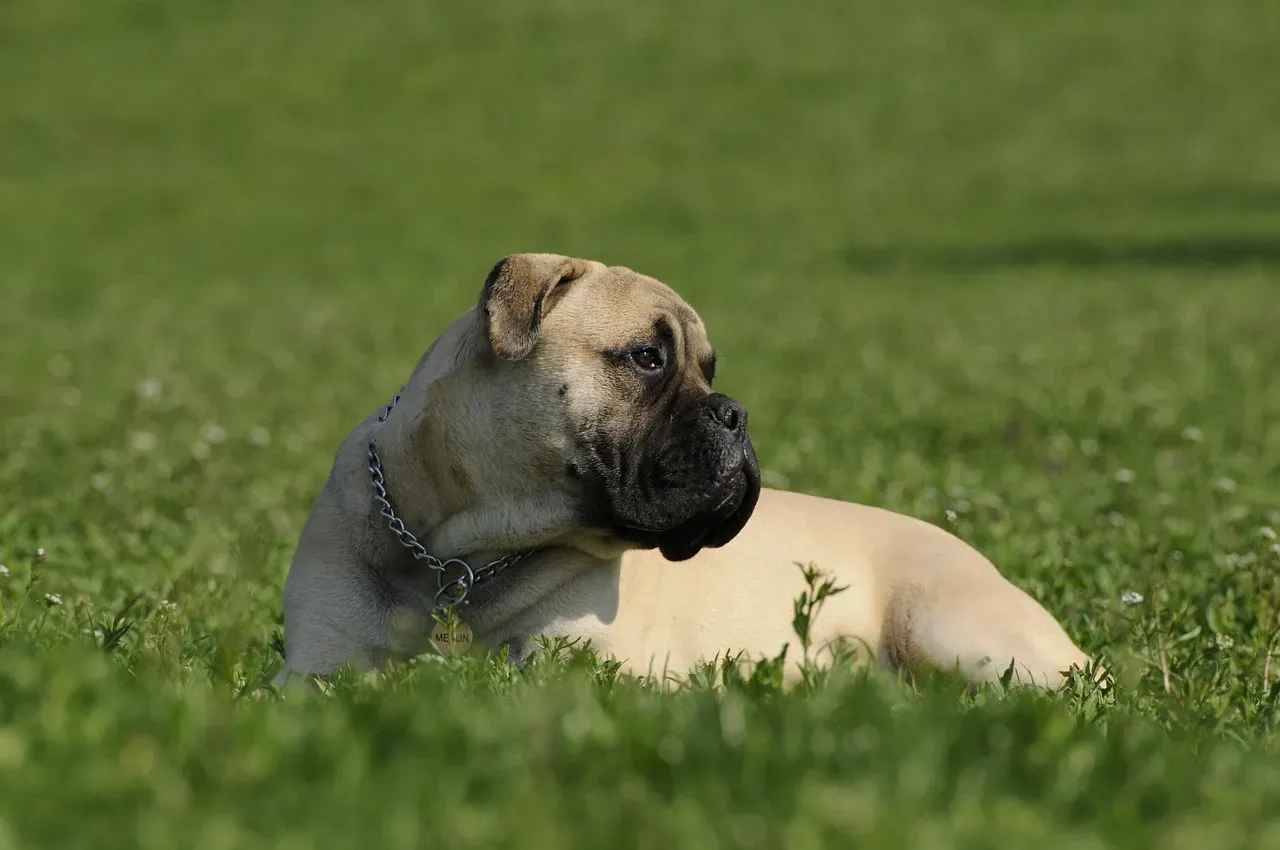
The Bullmastiff was originally bred to silently track and pin poachers on English estates – not bark, not attack, just locate and hold. That background produced a dog that is enormous, quiet, deeply loyal, and equipped with a protective instinct that runs so deep it barely needs provocation to activate. In an experienced household with proper training, a Bullmastiff is a calm, devoted guardian. In a first-time home with unclear boundaries, that same instinct can become genuinely dangerous.
At up to 130 pounds, a Bullmastiff’s physical presence alone changes the dynamic of every interaction. They are not aggressive dogs by nature, but they are assertive ones, and they read leadership – or the absence of it – with remarkable accuracy. Puppies are deceptively manageable; adults are not. Vets who work with giant breeds often point out that the window for establishing structure with a Bullmastiff is short and critically important. Miss it, and you’re not just dealing with a badly behaved dog – you’re dealing with a badly behaved dog that outweighs most of the people in the room.
1 – Chow Chow Mixed Breeds and Wolfdog Hybrids
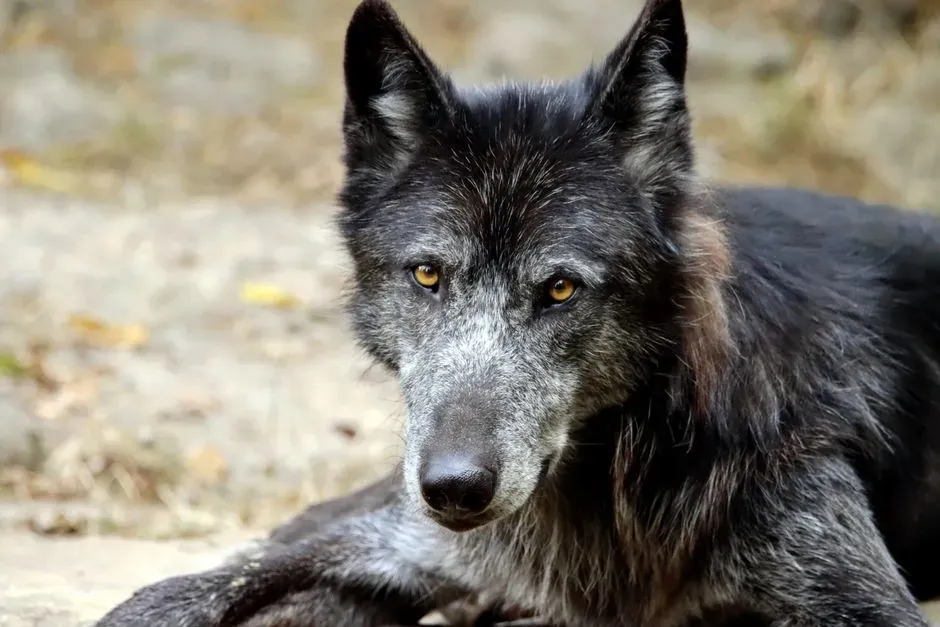
Nothing on this list generates more urgent conversations in veterinary offices than wolfdog hybrids – dogs carrying actual wolf genetics, sold by private breeders to owners who were drawn to the idea of something wild and majestic living under their roof. The reality is that wolf-dog behavior is genuinely unpredictable in ways that standard dog training simply doesn’t address. These animals straddle two worlds and are fully comfortable in neither, which creates anxiety, reactivity, and territorial behavior that can escalate without warning.
Many states restrict or outright ban wolfdog ownership, and for good reason. Veterinary care is complicated – no rabies vaccine is currently approved for wolfdogs, creating real legal exposure every time the animal interacts with the outside world. Shelters largely won’t accept them. Rehoming is nearly impossible. Vets who have worked with wolfdog owners describe a near-universal arc: fascination, struggle, crisis, and then a desperate search for options that mostly don’t exist. It is the one entry on this list where the advice isn’t “get more experience first” – it’s “reconsider entirely.”
At a Glance: Wolfdog Ownership in the U.S.
- Banned outright: At least 14 states and Washington D.C. prohibit wolfdog ownership, including Michigan, Georgia, Hawaii, Illinois, and New York
- Permit required: 11 additional states allow ownership only with a state-issued permit
- Local rules apply everywhere: Even in “legal” states, counties and cities frequently impose their own bans – always verify locally
- Vaccine problem: No USDA-approved rabies vaccine exists for wolfdogs – a bite incident can trigger confiscation or euthanasia orders
- Rehoming reality: Most shelters won’t accept them; rescue options are extremely limited nationwide
Every dog on this list deserves an owner who genuinely understands what they’re signing up for. The breeds that end up in shelters most often aren’t the difficult ones – they’re the ones whose owners were surprised. Do the research before the feelings take over. The dog will thank you for it in the only language it knows: loyalty that lasts a lifetime.


