

Every year, thousands of dogs end up surrendered to shelters not because they were bad dogs, but because they were the wrong dog for that family. The heartbreaking part? Most of those situations were completely preventable. Veterinarians see it constantly: a well-meaning owner who fell in love with a breed on Instagram, adopted on impulse, and then couldn’t keep up with what that animal actually needed.
What follows isn’t a list of obvious tips you’ve already heard. These are the real things vets wish they could say in the exam room before the dog ever came home – the stuff that changes lives, saves money, and most importantly, keeps dogs out of shelters. Some of it will surprise you.
15 – Assess Your Lifestyle Honestly (And Don’t Lie to Yourself)

This sounds simple until you realize how many people genuinely believe they’re more active than they are. A Border Collie doesn’t care that you intended to run every morning. It needs that run to happen, every day, or it will find its own entertainment – and you won’t like what it chooses. Vets have seen these dogs destroy furniture, develop anxiety disorders, and become genuinely difficult to manage, all because the energy match was off from day one.
On the flip side, an active person paired with a low-energy breed like a Shih Tzu can end up frustrated by a dog that simply can’t keep up. Before you even start browsing breeds, spend one week tracking how much time you actually spend moving, being home, and being present. That number tells you more about your ideal dog than any personality quiz ever could.
At a Glance
- High-energy breeds (Border Collies, Australian Shepherds, Huskies) need 1–2+ hours of vigorous exercise daily
- Low-energy breeds (Basset Hounds, Bulldogs, Shih Tzus) are content with 30–45 minutes of moderate activity
- Working breeds need mental stimulation, not just walks – puzzle feeders and training sessions count
- Dogs left under-stimulated are significantly more likely to develop destructive or anxious behaviors
- Be honest: rate your actual weekly activity, not the version you aspire to
14 – Your Apartment Might Be Fine. Your Schedule Might Not Be.

Here’s the myth that keeps getting repeated: big dogs need big houses, small dogs are perfect for apartments. Vets will tell you it’s almost backwards. Greyhounds – one of the largest breeds – are famously calm indoors and genuinely content in a cozy apartment after a good run. Meanwhile, a Jack Russell Terrier in a studio apartment with a 10-hour workday is a recipe for chaos.
What matters far more than square footage is how long the dog will be alone, how consistent its exercise schedule will be, and whether your building or neighborhood is actually dog-friendly day to day. Size is a factor, but it’s rarely the deciding one. Don’t let it be your entire checklist.
13 – Not Every “Family Dog” Is Actually Good With Your Family

The label “family dog” gets slapped on breed descriptions so freely that it’s almost meaningless. Yes, Labrador Retrievers are genuinely wonderful with kids. But the breed alone doesn’t guarantee anything – individual temperament, early socialization, and how children are taught to interact with dogs matter just as much. A poorly socialized Lab can still bite. A well-raised Chow Chow can be a devoted companion.
Vets recommend meeting the specific dog you’re considering, not just researching the breed in general. Watch how it responds to sudden movement, loud noise, and being touched unexpectedly. Those reactions tell you far more than any breed profile will. And while you’re at it, teach your kids the rules before the dog ever walks through the door.
12 – Strong Prey Drive Is Not a Training Problem. It’s a Breed Characteristic.

If you have cats, rabbits, guinea pigs, or small dogs already at home, certain breeds are going to create serious problems – not because they’re mean, but because they were literally bred for centuries to chase and catch small animals. Terriers, Huskies, Greyhounds, and many hound breeds carry prey drives so deeply wired that no amount of training fully eliminates the instinct.
Vets see the fallout of these mismatches regularly: injured cats, traumatized smaller pets, and owners devastated that their new dog “turned aggressive.” It wasn’t aggression – it was the dog doing exactly what its genetics prepared it for. Research prey drive specifically, not just general temperament, before bringing a new dog into a multi-pet home.
Quick Compare
- High prey drive: Siberian Husky, Greyhound, Jack Russell Terrier, Rhodesian Ridgeback, most sighthounds and terriers
- Moderate prey drive: Labrador Retriever, Golden Retriever, Boxer – manageable with training and supervision
- Lower prey drive: Cavalier King Charles Spaniel, Maltese, Havanese – generally safer in multi-pet homes
- Prey drive is genetic and instinctive – it can be managed but rarely eliminated through training alone
11 – The Real Cost of Dog Ownership Will Shock You If You Haven’t Looked It Up
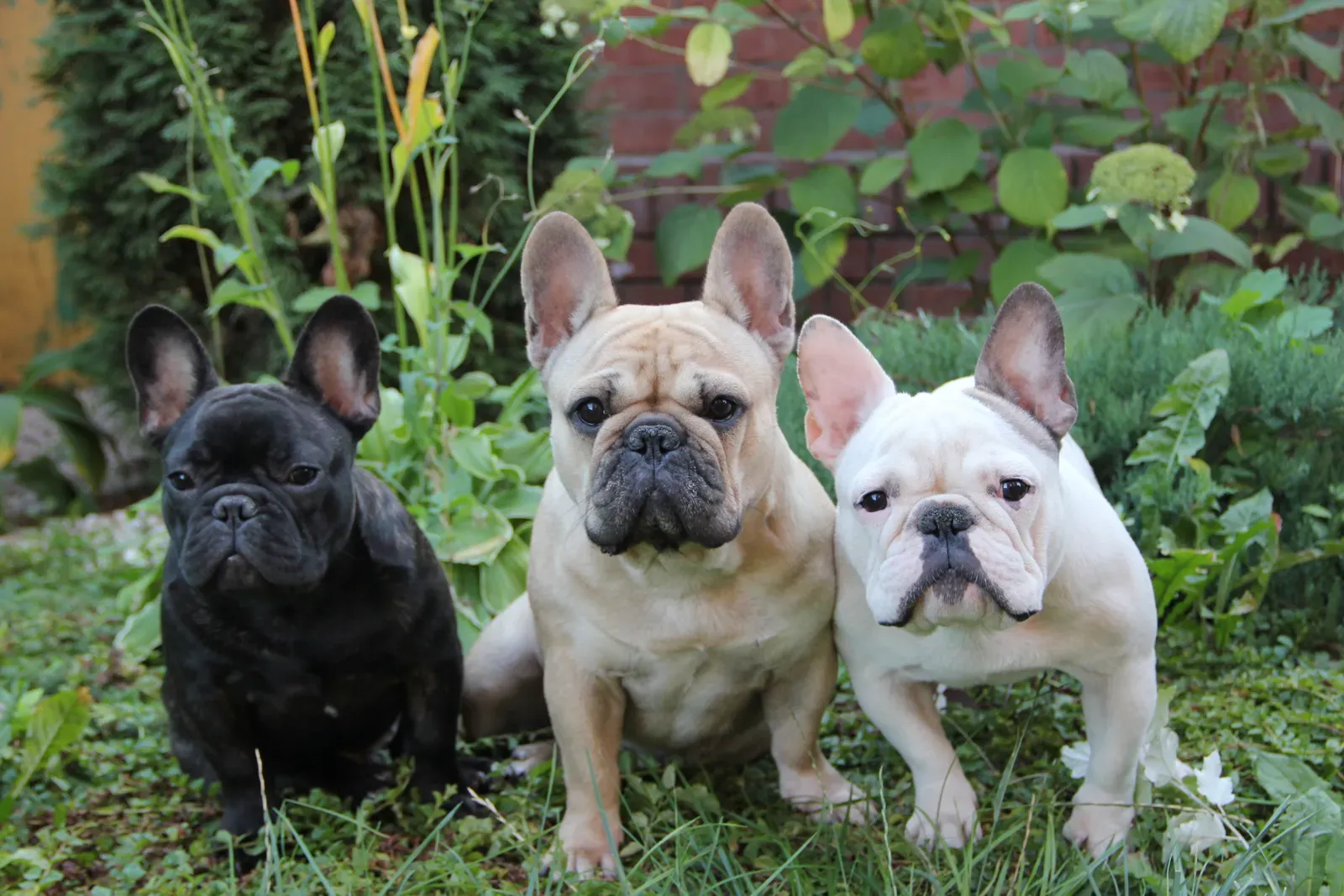
The adoption fee is almost irrelevant compared to what comes next. Annual veterinary care, food, grooming, boarding, training classes, toys, licensing, and routine medications like flea and heartworm prevention add up fast. For a large breed dog with a health condition – say, a French Bulldog with respiratory issues or a Great Dane prone to bloat – lifetime medical costs can run into tens of thousands of dollars.
Vets aren’t trying to scare you off dog ownership. They’re trying to help you go in with eyes open so that when an unexpected $2,000 emergency surgery comes up, you have a plan. Pet insurance, an emergency savings fund, or both are worth figuring out before you pick your breed – not after the diagnosis comes in.
Fast Facts
- Annual dog ownership costs range from $1,200 to $4,300+ depending on breed, size, and health needs
- The first year is typically the most expensive – often twice the annual cost of subsequent years
- Giant breeds can cost up to $3,321/year in essential expenses alone; small breeds average around $1,831
- Lifetime costs range from $20,000–$60,000+ depending on the dog’s size and lifespan
- 42% of dog owners say they couldn’t cover a surprise vet bill under $999 without going into debt
- Dog owners using daycare twice a week spend an additional ~$2,980/year on average
10 – Time Is the Resource Most Owners Underestimate

Money gets a lot of attention, but time is often the harder constraint. Training a puppy requires consistent daily effort for months. Socialization windows are narrow and critical. A dog left alone for 10–12 hours a day doesn’t just get bored – it gets anxious, and anxiety in dogs manifests in ways that are expensive and exhausting to undo. Separation anxiety is one of the most common behavioral issues vets and trainers deal with, and it’s frequently rooted in early isolation.
If your schedule is genuinely demanding, that’s not a dealbreaker for dog ownership – but it does narrow your options considerably. An older, already-trained dog. A lower-energy breed. A doggy daycare budget. A dog walker. These aren’t luxuries; for certain breeds in certain situations, they’re necessities. Plan for them honestly.
9 – Adult Dogs Deserve More Credit Than They Get

Puppies get all the attention, and it’s understandable – they’re irresistible. But vets will often quietly tell you that adopting an adult dog is one of the smartest decisions a first-time or busy owner can make. What you see is largely what you get. The temperament is established. Many are already house-trained. The destructive puppy phase is done. And the bond you form with a dog that genuinely needed a second chance is something people describe as unlike anything else.
The “I want to raise it from a puppy so it bonds with me” logic is understandable but often overstated. Dogs bond with the people who care for them consistently – at any age. If a calm, already-trained three-year-old dog fits your life better than a ten-week-old puppy, there is absolutely no reason to choose the harder path.
Worth Knowing
- Puppies have a 60% adoption rate in shelters; older dogs can drop as low as 25% – they need advocates
- Adult dogs skip the most demanding phase: teething, house-training, and near-constant supervision
- Breed-specific rescues exist for nearly every breed and often have detailed behavioral histories on each dog
- Many shelter adult dogs are already spayed/neutered, vaccinated, and microchipped – saving hundreds in first-year costs
8 – Breed-Specific Health Issues Are Real, Expensive, and Worth Researching First

French Bulldogs, English Bulldogs, and Pugs are some of the most popular breeds in the country right now – and some of the most medically complicated. Their flat faces make breathing difficult, heat regulation nearly impossible, and surgery riskier than in other breeds. Hip dysplasia is so common in German Shepherds and Golden Retrievers that vets screen for it almost routinely. Dachshunds are charming until their long spines create the back problems they’re statistically prone to.
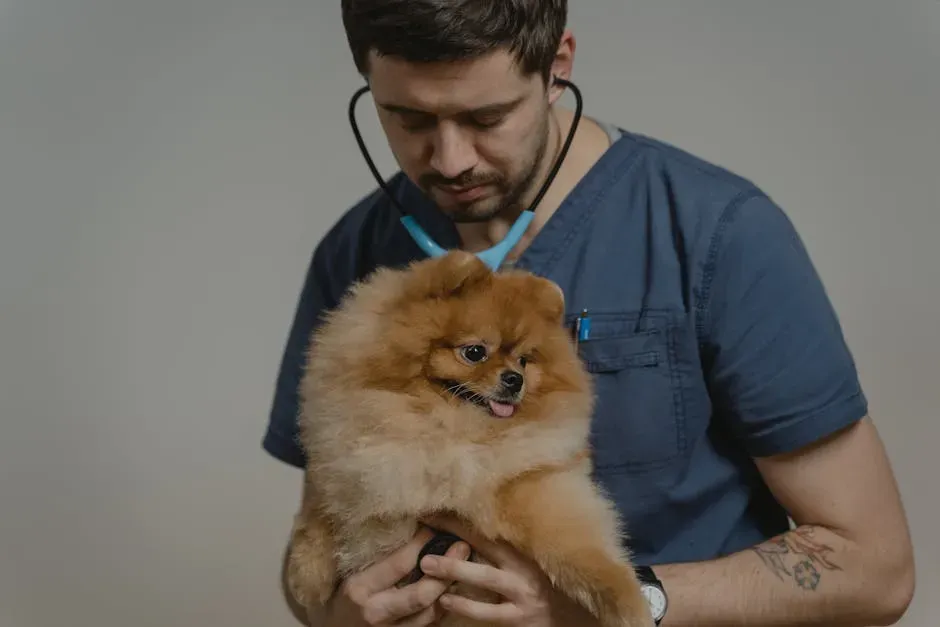
None of this means you should never choose these breeds. It means you should choose them knowing what you’re signing up for. Talk to a vet before you commit, not after. Ask specifically: “What are the most common health issues in this breed, and what do they typically cost to manage?” That conversation alone can reframe your decision in ways no breeder website will.
The best thing a new owner can do is call a vet before they pick a breed, not after they’ve already fallen in love with one.
Common veterinary advice
7 – Breed-Specific Dog Food Is Mostly Marketing

Walk down any pet food aisle and you’ll see bags designed specifically for Golden Retrievers, Chihuahuas, Dalmatians – the specificity is impressive and largely unnecessary. The nutritional differences between most of these products are minimal, and vets are often candid that the breed on the bag matters far less than the quality of the ingredients inside it. Life stage (puppy, adult, senior) and size category are the variables that genuinely change nutritional needs.
What does matter: protein quality, whether the food meets AAFCO nutritional standards, and whether it’s appropriate for your dog’s age and any existing health conditions. A well-balanced food appropriate for your dog’s size and life stage will outperform an expensive breed-specific formula with inferior ingredients every time. Ask your vet for a recommendation based on your specific dog – that’s worth infinitely more than the packaging.
6 – Grooming Is a Hidden Time and Money Sink for Unprepared Owners

Nobody looks at a fluffy Bernese Mountain Dog puppy and thinks “this is going to cost me $100 every six weeks for the rest of this dog’s life.” But that’s the reality for many long-coated, double-coated, or curly-coated breeds. Poodles, Doodle mixes, Shih Tzus, and similar breeds need regular professional grooming to prevent painful matting and skin issues underneath. Skip appointments, and the coat becomes a medical problem.
If professional grooming isn’t in your budget or your schedule, that’s genuinely useful information – and it should steer you toward shorter-coated breeds that require minimal upkeep. A Beagle, Whippet, or Boxer will rarely need more than a brush and a bath. That’s not a lesser dog; for plenty of owners, it’s actually a better fit. Coat type isn’t glamorous to think about, but vets see it cause real problems when it’s overlooked.
5 – Mismatched Energy Is One of the Top Reasons Dogs Get Rehomed

Australian Shepherds were bred to work cattle all day in open fields. When that dog ends up in a suburban home with an owner who walks it for 20 minutes and calls it done, something has to give – and it usually isn’t the dog’s energy. The behaviors that follow (relentless barking, destructive chewing, obsessive herding of children or other pets) aren’t misbehavior. They’re a working dog doing what it was designed to do, with nowhere useful to direct it.
High-energy breeds need more than long walks – they need jobs, mental challenges, and outlets. Puzzle feeders, agility training, fetch sessions, and scent work can all help, but they require an owner committed to showing up consistently. If that sounds exhausting rather than exciting, lean toward a breed with moderate energy needs. There’s no shame in wanting a dog that’s happy with a daily walk and an evening on the couch – just make sure that’s the dog you actually choose.
Why It Stands Out
- Behavior and personality mismatches account for nearly 28% of all shelter surrenders – the single largest animal-related factor
- Huskies, Border Collies, German Shepherds, and Belgian Malinois are among the most commonly surrendered high-drive breeds
- “Bored” working dogs don’t just act out – they can develop obsessive behaviors like shadow chasing or self-harm
- Energy mismatch is preventable: matching drive level to lifestyle is one of the highest-impact decisions you’ll make
4 – Trainability Matters More Than You Think, Especially for First-Time Owners

Some breeds were developed specifically to work closely with humans and follow direction – Golden Retrievers, Labrador Retrievers, and Border Collies top the list. Others were bred for independence: to make decisions on their own in the field, far from their handler. Chow Chows, Basenjis, Afghan Hounds, and many terrier breeds fall into this category. Neither is better, but one requires a much more experienced hand.
First-time owners who underestimate this often end up frustrated, convinced their dog is defiant or untrainable. Usually the dog is just doing what its genetics wired it to do. A stubborn breed in the hands of someone who doesn’t know how to work with that temperament leads to a stressful experience for both sides. Be honest about your training experience level and choose accordingly – or commit to professional training before problems escalate.
3 – Lifespan Should Factor Into Your Decision More Than It Usually Does

This one hits differently than the logistical factors. Large and giant breeds tend to live shorter lives – Great Danes average 7 to 10 years, while small breeds like Chihuahuas frequently live 15 years or longer. That’s not just trivia. It’s a profound emotional reality that owners rarely think through when they’re choosing a puppy. The grief of losing a giant breed dog at age eight, when you expected so much more time, is something veterinarians witness regularly and painfully.
On the other end, a 15-year commitment to a small breed isn’t always something people in their 30s or 40s fully account for either. Life circumstances change – moves, marriages, children, health challenges. A dog’s lifespan intersects with yours in ways that are worth sitting with before you decide. It’s not morbid to think about this. It’s responsible, and vets will tell you it’s one of the most overlooked parts of the decision entirely.
2 – Where You Get the Dog Matters as Much as Which Dog You Choose

A reputable breeder health-tests their breeding dogs, is transparent about genetic risks, lets you meet the parents, and will take the dog back at any point in its life if you can’t keep it. A puppy mill or backyard breeder does none of these things – and the puppies often look just as cute in the photos. The difference shows up months later in vet bills, behavioral issues, and heartbreak. Vets see it constantly and it never gets easier to watch.
Rescue and shelter adoption is a genuinely excellent path for the right owner. Breed-specific rescues exist for almost every breed imaginable and often have dogs whose personalities and health histories are already well-documented. The idea that rescue dogs are damaged or difficult is a myth that costs dogs their lives. Many of the most loyal, stable, well-adjusted dogs in American homes right now came from a shelter. Where the dog comes from shapes who it becomes – and it reflects who you are as an owner.
Fast Facts
- 5.8 million dogs and cats entered U.S. shelters and rescues in 2025
- Nearly 60% of animal organizations have received surrenders from owners who can no longer afford dogs they paid a lot for
- Purchasing from a breeder can cost $500–$4,500 for the dog alone, before any care expenses
- Reputable breeders health-test parents, offer transparency, and maintain lifetime return policies – puppy mills do none of this
- Breed-specific rescues exist for nearly every recognized breed in the country – a Google search is all it takes to find one
1 – Your “Dream Breed” Might Not Actually Be Right for You
This is the one vets most wish they could say out loud, more often, without it landing the wrong way: the breed you’ve always wanted might not be the breed you actually need. Maybe you’ve loved Siberian Huskies since childhood, but you live alone, work full-time, and have never trained a dog before. Maybe you’ve romanticized owning a Rottweiler, but you live in an apartment complex with weight restrictions and nervous neighbors. Attachment to a dream breed is human and completely understandable – and it has led to a lot of miserable dogs and heartbroken owners.
The best match isn’t the one that looks the best in photos or the one you’ve always pictured. It’s the one that fits your actual life – the one you have right now, not the life you’re planning. Vets aren’t killjoys for pointing this out. They’re advocating for the dog that doesn’t get a vote in the matter. Do the research, have the honest conversation with yourself, and then let that guide you to the breed that will genuinely thrive with you. That dog exists. It just might have a different face than the one you imagined.
Here’s the blunt conclusion nobody wants to hear but everyone needs: too many people choose a dog for themselves and not for the dog. The breed research, the lifestyle assessment, the financial planning – none of it is about gatekeeping joy. It’s about making sure that when that dog looks up at you in five years, it’s healthy, stimulated, loved appropriately, and exactly where it belongs. Vets don’t get tired of saying this because they love lecturing people. They say it because they’ve held too many dogs that deserved better, and they’d rather you hear it now, before you ever walk into that shelter or breeder’s home. Pick the right dog. That choice echoes for a decade or more.


