
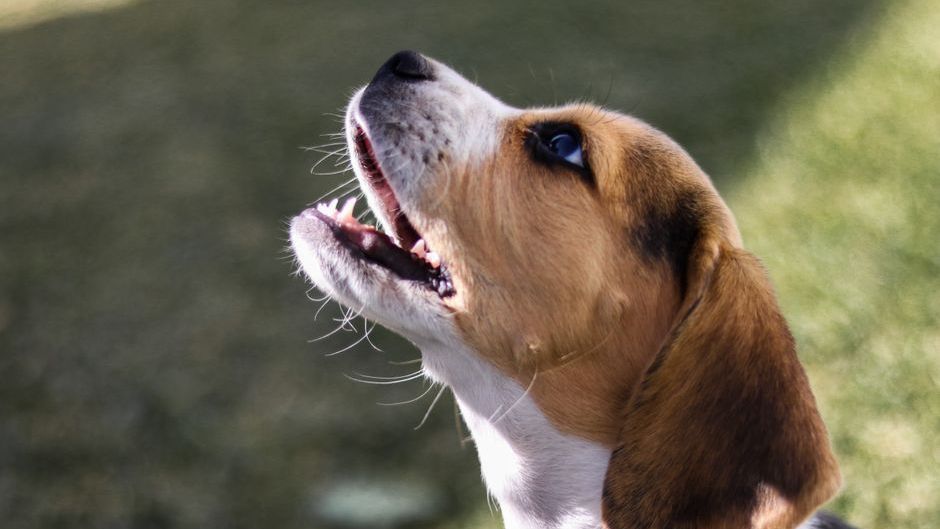
Most dog owners assume their pup will be fine alone for a few hours. They leave, the dog sighs, and life goes on. But for certain breeds, that closed front door triggers something much deeper than boredom – a genuine emotional crisis that can spiral into destructive behavior, relentless howling, and real physical stress. These aren’t spoiled dogs or badly trained ones. They’re breeds hardwired to need human closeness, and fighting that instinct is like fighting gravity.
Some of the breeds on this list will surprise you. A few are ones you’d never guess carry this much emotional weight. Others are fan favorites that millions of families bring home every year – often without realizing what they’re signing up for when they shut the door and head to work. Keep reading, because the ones near the top of this list are the ones that hit hardest of all.
15 – Chihuahua
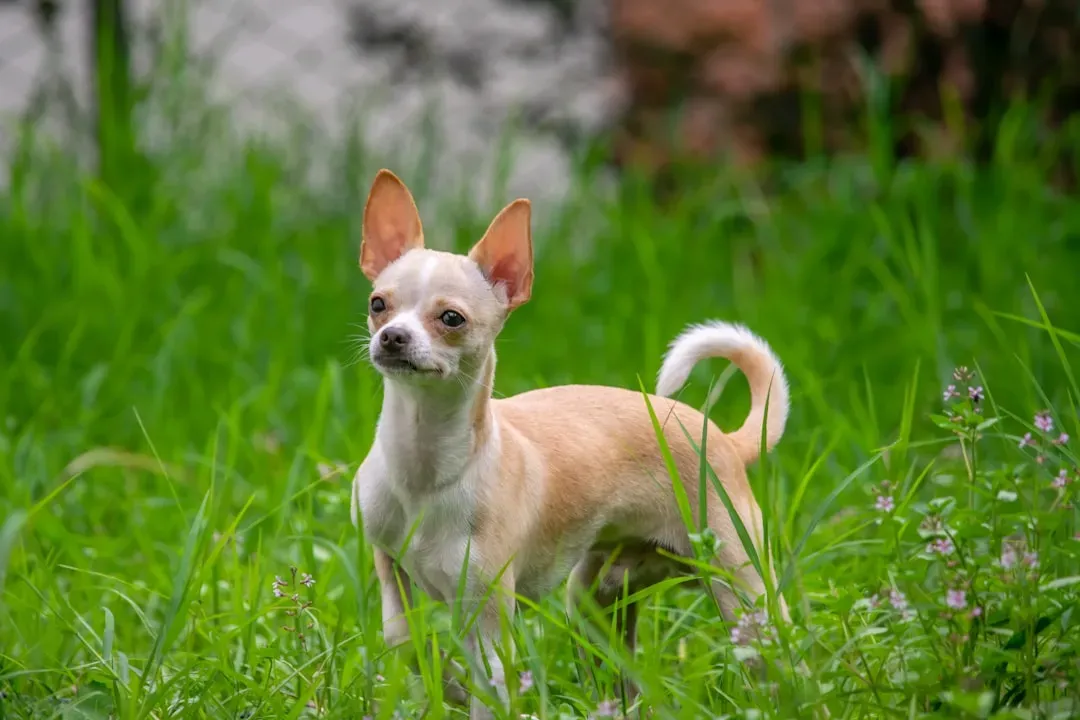
Don’t let the attitude fool you. Behind that bold, bigger-than-life personality, Chihuahuas are deeply anxious dogs – especially around strangers and especially when their favorite person disappears. They may be tiny, but the panic they feel when left alone is anything but small. Excessive barking, trembling, and frantic pacing are all on the table.
Because Chihuahuas bond so intensely with one or two people, they essentially build their whole emotional world around those individuals. When that anchor is gone, the world feels genuinely unsafe to them. A predictable daily routine, a cozy crate they actually like, and short practice separations can help – but this breed will always want you close.
Fast Facts
- Chihuahuas typically weigh just 2–6 lbs, but their anxiety response is anything but proportional to their size
- They are one of the longest-lived small breeds, with a lifespan of 12–20 years – that’s a lot of years of emotional dependence
- Their tendency to bond with a single person makes alone time especially destabilizing
- Short, frequent departure drills – not long training sessions – are the most effective way to build tolerance
14 – German Shepherd

German Shepherds are bred to work alongside humans. That partnership isn’t just a preference – it’s biological. When their person leaves and there’s no job to do, no task to focus on, no routine to follow, a German Shepherd’s brain doesn’t quietly idle. It starts looking for problems, and if it can’t find one, it creates one. Pacing, door-scratching, and destructive behavior are common symptoms.
Their loyalty runs so deep that prolonged separation can feel, to them, like abandonment. These are not low-maintenance dogs emotionally. They need daily physical exercise, mental challenges, and consistent structure. Without those anchors in place, a German Shepherd left alone too long becomes a very unhappy – and very loud – roommate.
13 – Border Collie
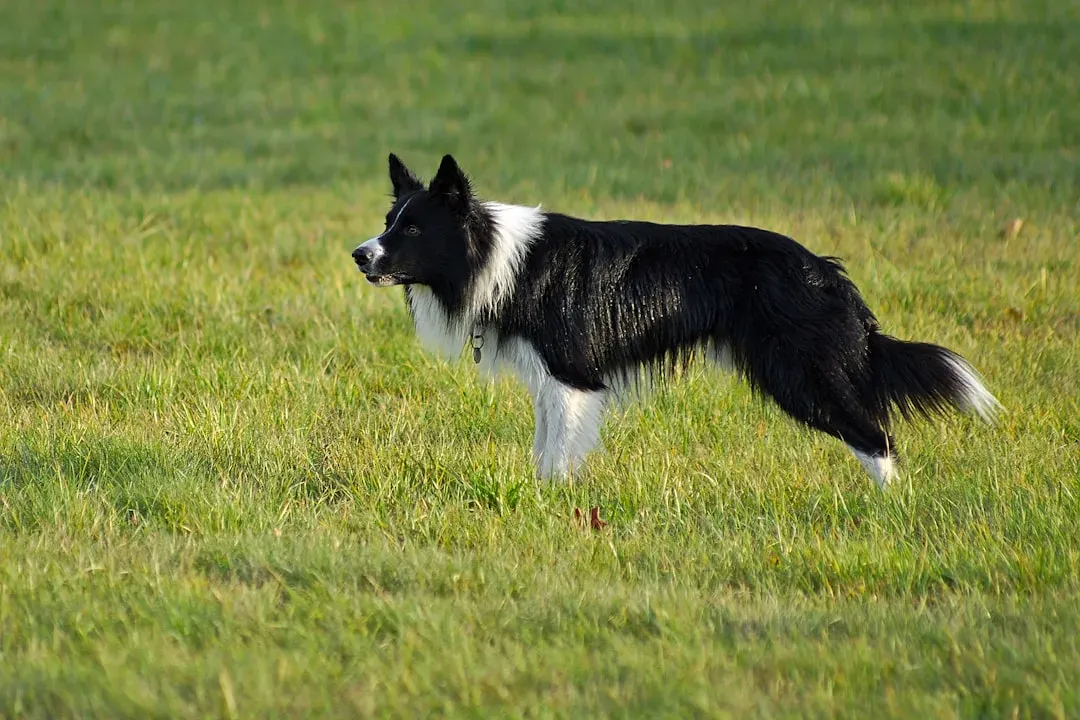
Border Collies are widely considered the most intelligent dog breed on the planet, and that intelligence cuts both ways. Yes, they learn commands faster than almost any other breed. But a mind that sharp left without stimulation doesn’t just get bored – it gets anxious, obsessive, and destructive. These dogs were bred to work all day. Sitting alone in an apartment is basically torture for them.
Separation anxiety in Border Collies often looks like compulsive behavior – chasing shadows, obsessive spinning, chewing through furniture, or barking without stopping. Their anxiety isn’t just emotional; it’s intellectual. They need a job, a puzzle, a challenge. Owners who can’t provide that level of engagement will quickly discover that a bored Border Collie is one of the most relentless forces in domestic life.
12 – Vizsla
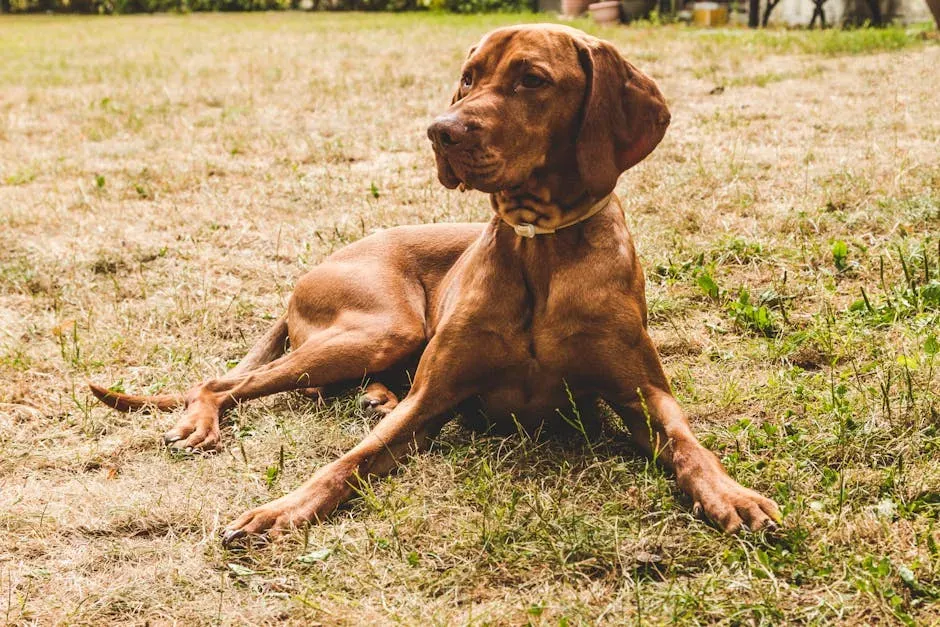
The Vizsla has actually earned a nickname in the dog world: the Velcro dog. That tells you almost everything you need to know. These cheerful, athletic Hungarian hunting dogs don’t just enjoy their owners’ company – they physically press themselves against it, following their person from room to room, leaning in, staying close. It’s not clinginess in the annoying sense. It’s deep, genuine attachment.
That attachment becomes a liability the moment you walk out the door. Vizslas left alone without adequate preparation can become extremely distressed – whining, pacing, refusing to eat, or destroying furniture. They’re not acting out. They’re grieving your absence in the only way they know how. This breed genuinely thrives only in households where someone is around for most of the day.
At a Glance
- Separation anxiety is considered one of the most widely documented behavioral challenges across all dog breeds
- An estimated 14–28% of pet dogs meet clinical criteria for separation anxiety
- Around 33% of pet owners believe their dog suffers from the condition – and many more dogs suffer silently
- The share of affected dogs has climbed since 2020, partly driven by the return-to-office shift after the pandemic work-from-home era
- Dogs with separation anxiety are 2.8 times more likely to also display fearfulness compared to dogs without it
11 – Toy Poodle
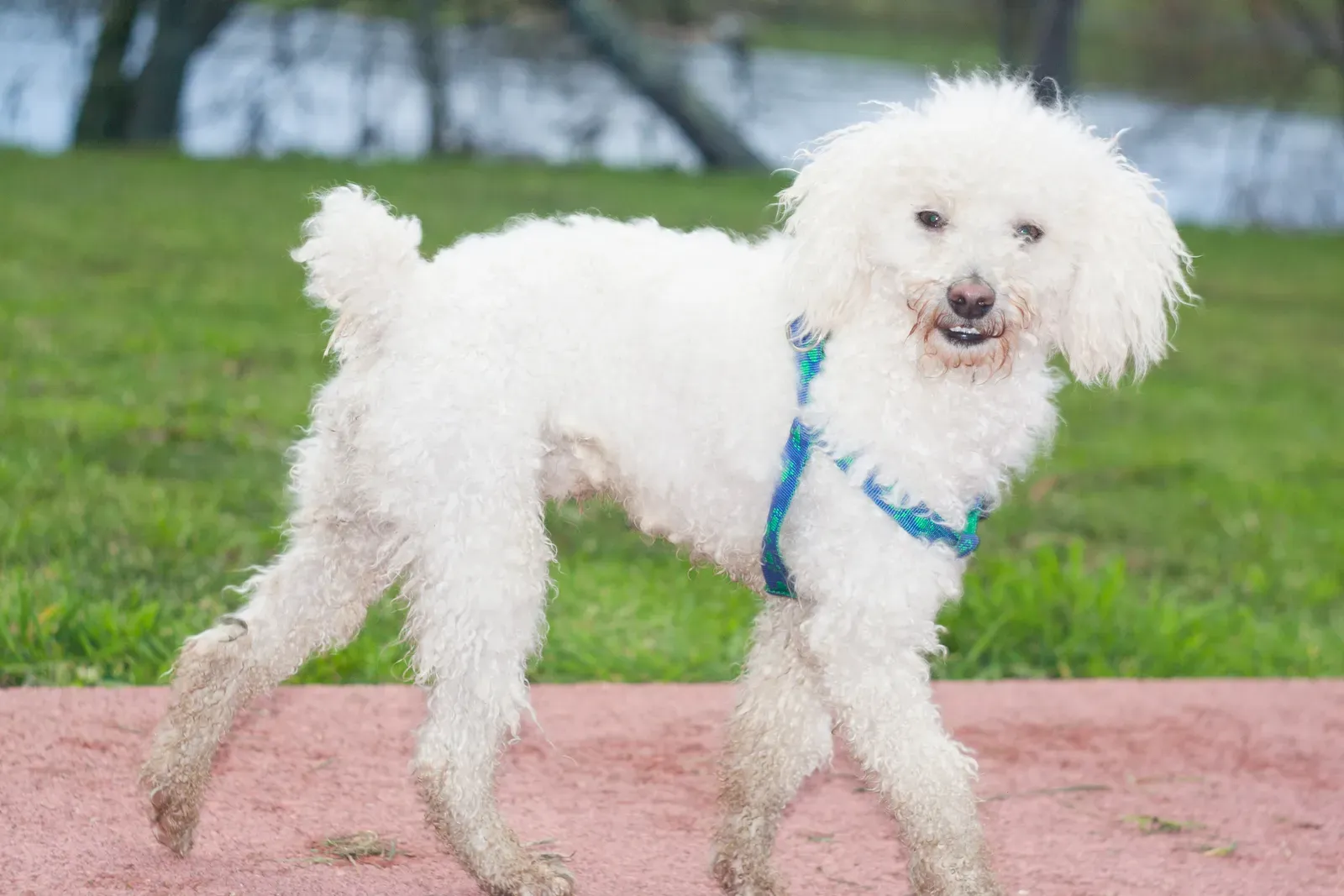
Toy Poodles are brilliant, sensitive, and deeply tuned in to the emotional temperature of their household. They pick up on stress, changes in routine, and the moment their owner reaches for a bag or keys. Long before you leave, they’ve already started dreading it. Left alone for extended periods, they respond with barking, jumping, and sometimes destructive behavior that surprises owners who thought they had a calm little dog.
Their small size makes people underestimate how much mental stimulation they actually need. A Toy Poodle without enough engagement – puzzles, training sessions, social interaction – is a Toy Poodle in distress. The good news is they respond well to gradual desensitization and routine-building. The challenge is that it requires real consistency, not just good intentions.
10 – Siberian Husky
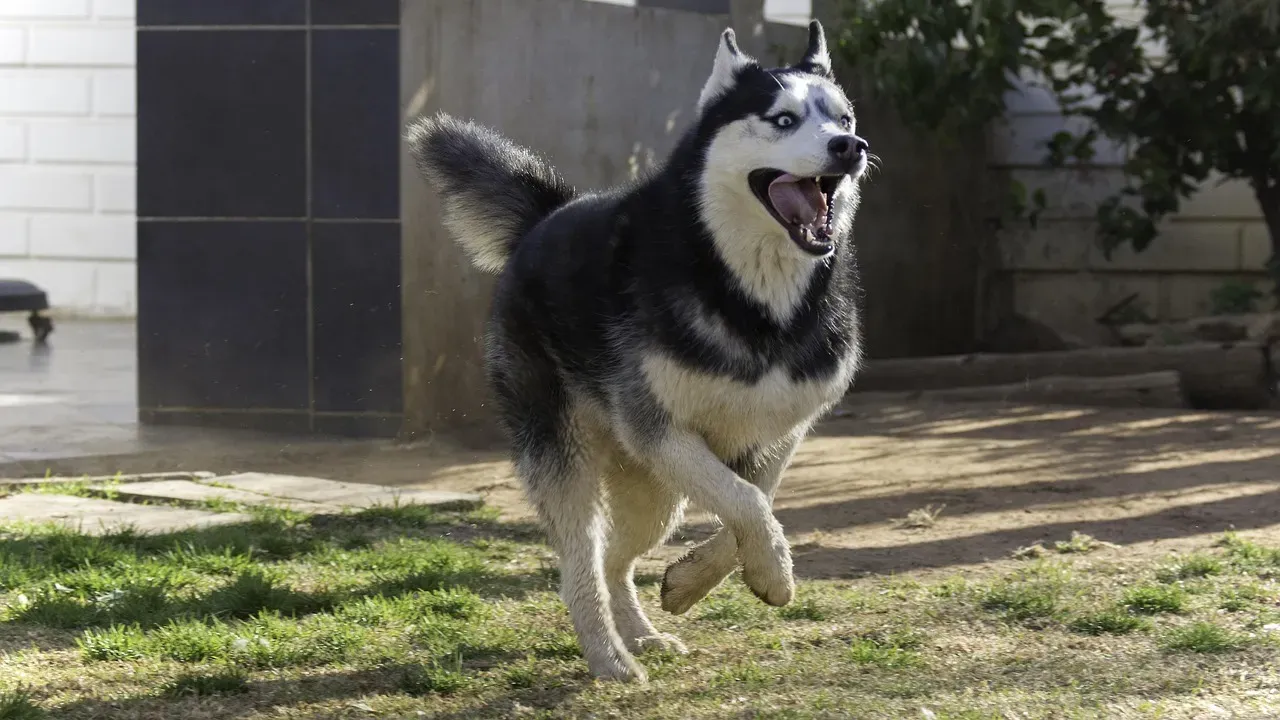
Siberian Huskies were bred to run in packs across frozen tundra. Solitude was never part of the design. When you remove a Husky from its social structure – even if that structure is just you and maybe another pet – it doesn’t cope quietly. It howls. It digs. It chews. It attempts escape routes that would impress a prison break specialist. These are not random behaviors; they’re the expression of a dog in genuine distress.
Huskies also have an enormous energy reserve that needs to be emptied before you even think about leaving them alone. A Husky that hasn’t been properly exercised and left in a house alone is practically a guarantee of chaos. Owners who travel frequently or work long hours without a solid support system – dog walkers, daycare, a second dog – often find that the Husky’s separation anxiety is more than they bargained for.
9 – Shiba Inu
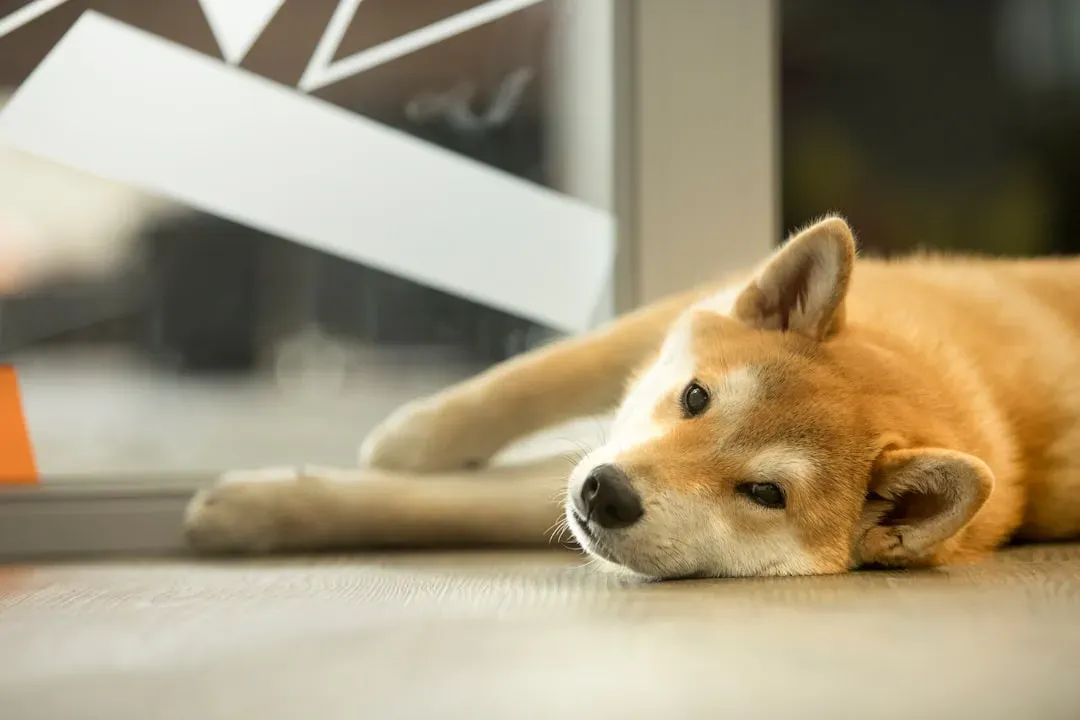
Shiba Inus have a reputation for being independent and catlike, which leads many owners to assume they’re fine on their own. They are not. Shibas are deeply territorial and emotionally alert, and rising anxiety in this breed shows up as hyperalertness – constant scanning, restlessness, ears rotating like satellite dishes. And when that anxiety tips into real distress, they deploy what owners have aptly named the “Shiba scream”: a high-pitched, piercing vocalization that is impossible to ignore and unforgettable once you’ve heard it.
The Shiba’s independent streak doesn’t mean it wants to be alone. It means it wants things on its own terms. Separation from a trusted owner violates that sense of control, and the fallout can be dramatic. Consistent routines, early socialization, and gradual alone-time training are essential for this breed – not optional extras.
8 – Parson Russell Terrier
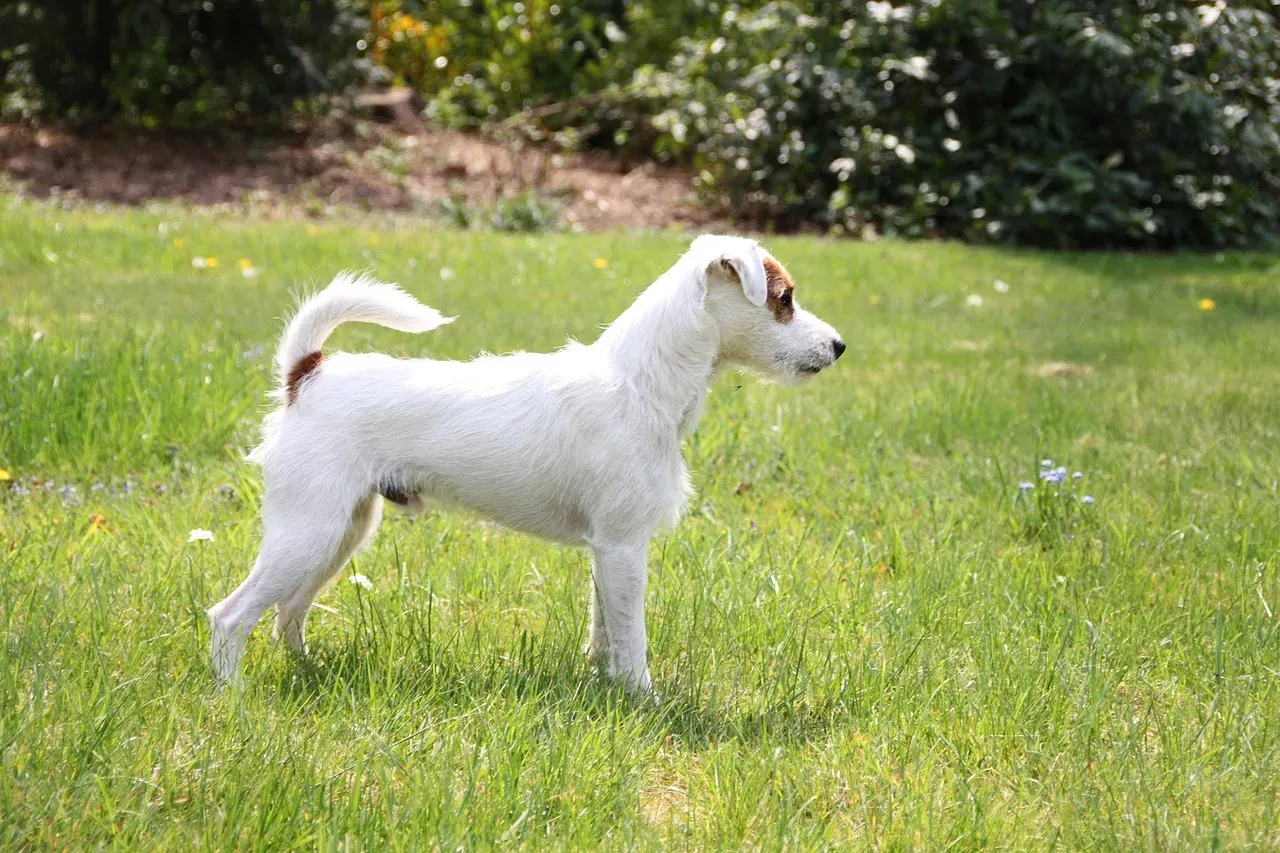
Parson Russell Terriers were bred to hunt foxes – to chase, dig, and problem-solve at high intensity for hours at a time. That drive doesn’t disappear when they come indoors. These are relentlessly energetic, mentally active dogs, and when they’re left alone without an outlet, that energy has to go somewhere. Usually it goes into barking, digging up the yard, or systematically disassembling your home.
What makes this breed particularly challenging is that the anxiety and the energy reinforce each other. A stressed Parson Russell with nothing to do becomes increasingly frantic, not gradually calmer. Owners need to exhaust this dog – genuinely exhaust it – before leaving, and even then, interactive toys and structured enrichment are essential. This is not a breed you leave alone and hope for the best.
Quick Compare: How Separation Anxiety Typically Shows Up
- Vocalization – barking, howling, whining (most common reported sign across all breeds)
- Destruction – chewing furniture, scratching doors, digging; often concentrated near exit points
- House soiling – accidents in housetrained dogs, triggered by panic rather than lack of training
- Withdrawal – refusal to eat, pacing, stationary distress; easier for owners to miss
- Escape attempts – especially common in high-drive breeds like Huskies and Terriers
7 – Greyhound
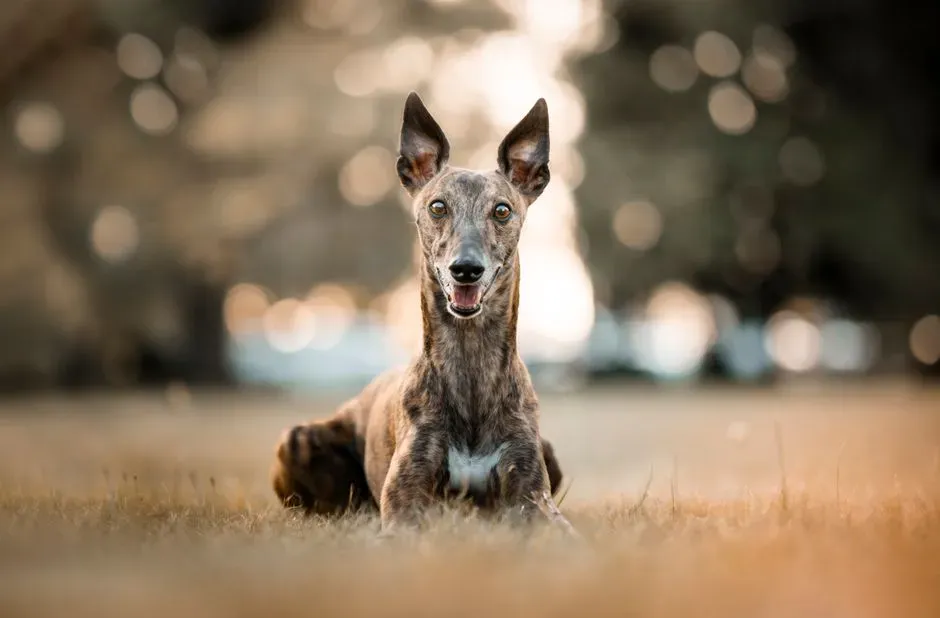
Here’s the one that surprises most people. Greyhounds look like elegant, aloof athletes – built for speed and not especially cuddly in appearance. But the reality of living with a Greyhound, especially one adopted from a racing background, is that these dogs are intensely sensitive. They become shy and withdrawn in unfamiliar environments, they startle easily, and they form powerful attachments to the people who make them feel safe.
When that safe person leaves, a Greyhound’s anxiety can manifest as withdrawal, refusal to eat, or quiet but persistent distress that owners sometimes miss because it isn’t loud or destructive. This breed needs a calm, predictable home and a careful, gradual introduction to alone time. The payoff is enormous – Greyhounds are gentle, devoted companions – but their emotional sensitivity deserves far more attention than they typically get.
6 – American Staffordshire Terrier
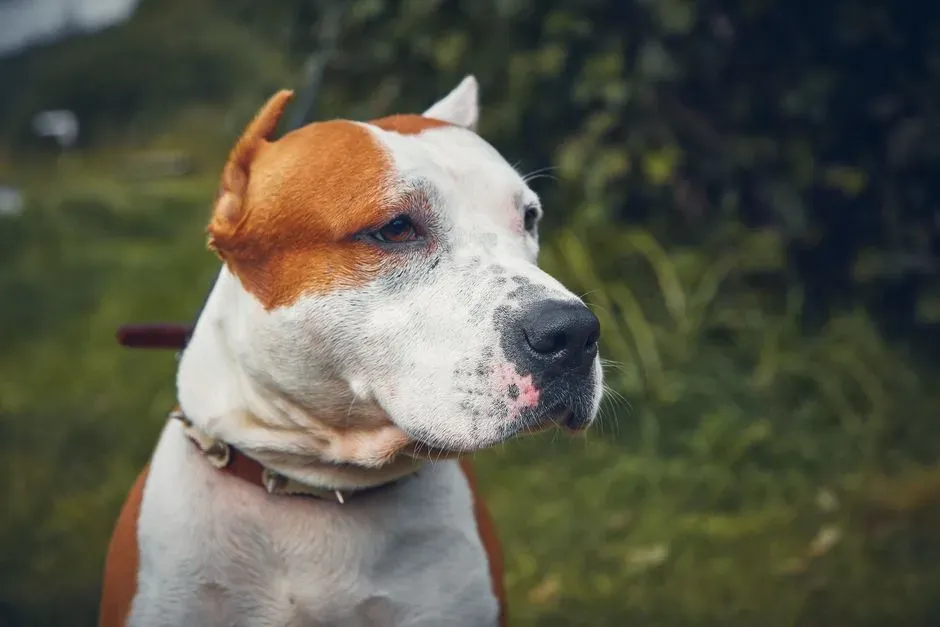
American Staffordshire Terriers – often called AmStaffs – are among the most loyal, affectionate, and family-devoted breeds in existence. They live for connection with their people. That devotion is one of the things owners love most about them. It’s also the exact thing that makes separation so hard. When an AmStaff bonds with a family, that bond is total and unconditional – which means absence is felt completely.
Left alone without preparation, AmStaffs can become anxious in ways that are hard to ignore: chewing, whining, destructive behavior, and visible signs of stress. Consistent daily routines, gradual alone-time training, and plenty of physical exercise before departures can help significantly. But the core truth is this: these dogs were not made for empty houses. They were made for people, and they know when the people are gone.
5 – Beagle

Beagles are pack animals at their core. Centuries of breeding trained them to hunt in groups, communicate constantly, and stay close to their companions. That instinct didn’t disappear because they moved into suburban homes. When a Beagle is left alone, it experiences something close to what we’d call profound social isolation – and it expresses that with everything it has. The barking. The howling. The chewing. The neighbors inevitably knocking on your door.
What makes Beagles particularly challenging is that their howl carries. Far. This is a breed whose voice was literally bred to be heard across open countryside. Apartment living and long work hours can be a genuinely difficult combination with a Beagle who hasn’t been properly conditioned to alone time. Interactive toys, scent-based enrichment games, and – ideally – a second dog can make a real difference for this breed.
4 – Labrador Retriever
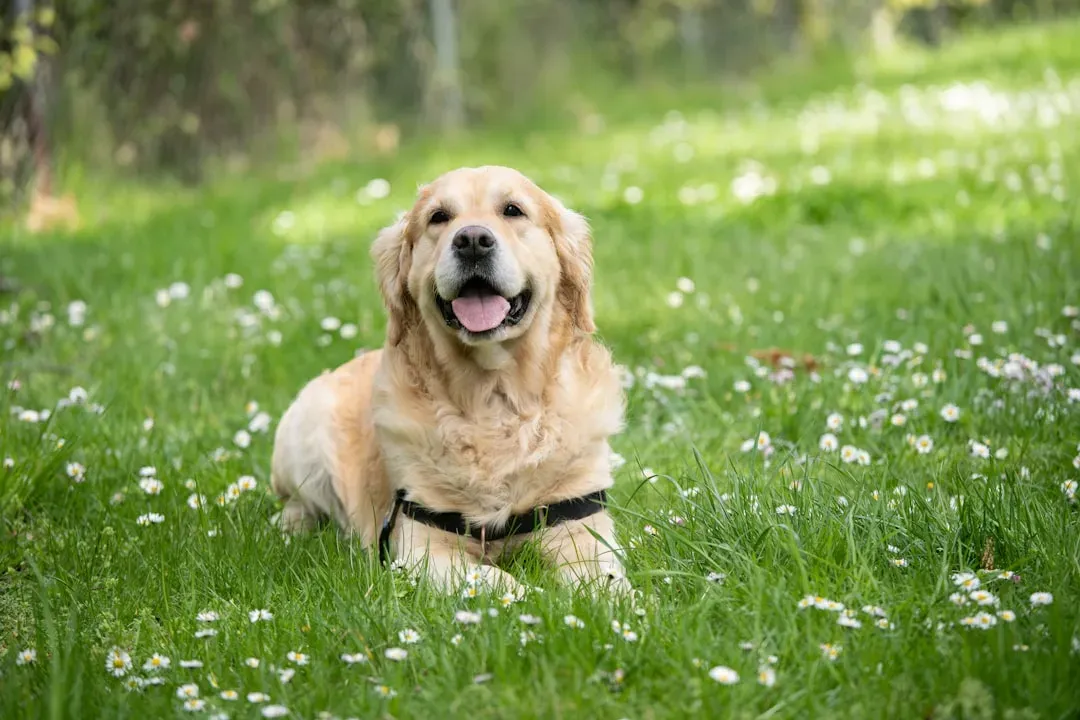
Labrador Retrievers held the title of America’s most popular dog breed for an extraordinary 31 consecutive years before being edged out recently, and part of that popularity comes from how openly, enthusiastically loving they are. Labs don’t do subtle. When they’re happy to see you, the whole room knows it. And when you leave? The whole room knows that too. Labs are profoundly social dogs that were bred to work alongside humans all day, and that need for companionship doesn’t clock out when you do.
A Lab with separation anxiety can chew through furniture, raid countertops, and howl for hours in a way that genuinely distresses neighbors. The frustrating part is that Labs are otherwise so easy-going and trainable that owners are often caught off guard. This isn’t bad behavior – it’s a social animal doing what social animals do when their world goes quiet. Regular exercise, structured departure routines, and not making arrivals and departures overly dramatic can all help manage the anxiety.
“This is a do-everything breed that needs to be with its humans.”
Erin Henlon-Hall, longtime Labrador Retriever breeder, via the American Kennel Club
3 – Cavalier King Charles Spaniel
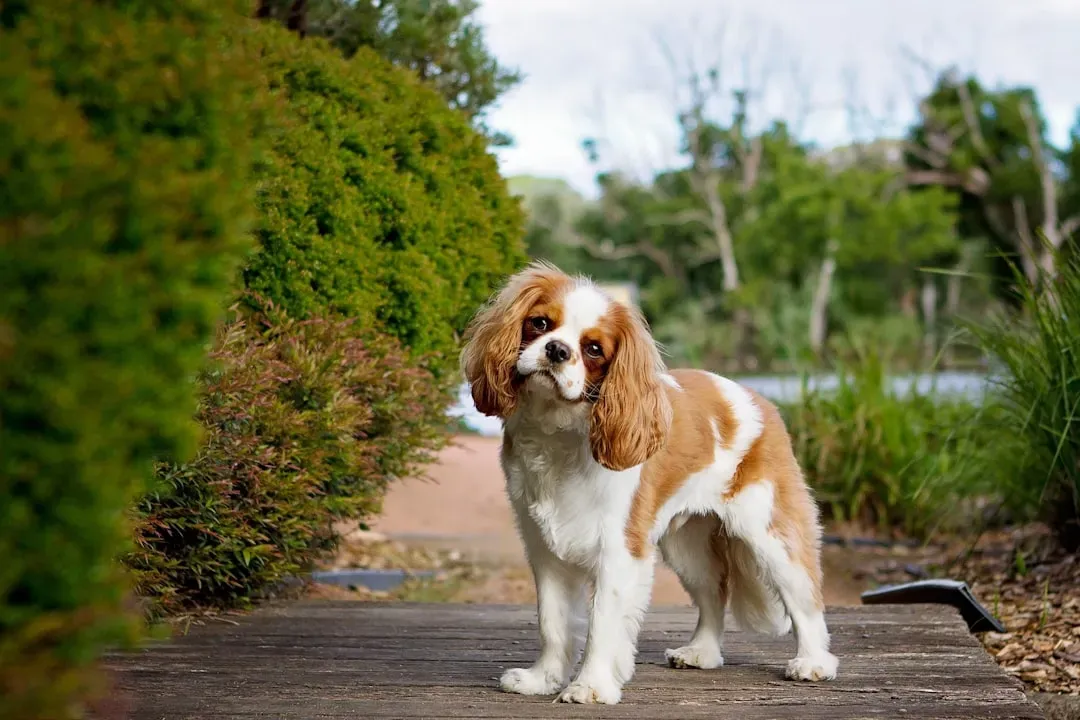
Cavalier King Charles Spaniels were bred for one purpose above all others: human companionship. Named after King Charles II – who was so devoted to his spaniels that he reportedly allowed them to roam freely even in areas of the palace where dogs were not permitted – Cavaliers have centuries of lap-dog history written into their DNA. They don’t just enjoy being with people; they require it in a way that goes beyond typical canine attachment. Leaving one alone isn’t just an inconvenience for them; it’s a disruption of their most fundamental sense of security.
Separation anxiety in Cavaliers is not an occasional problem that affects some individuals – experts describe it as a breed-wide predisposition. It can manifest quickly and intensely: crying, pacing, refusal to eat, and sometimes physical symptoms of stress. These are fragile, emotionally open dogs who wear their feelings on their silky little sleeves. They’re also one of the most rewarding breeds to own, precisely because of how deeply they connect. But they belong in homes where someone is almost always present, and any owner considering this breed needs to be honest about that reality upfront.
Worth Knowing
- Cavalier King Charles Spaniels often form a primary attachment to one specific person, meaning anxiety is triggered by that person’s absence – not just being alone
- Many Cavalier owners keep two dogs specifically to ease separation distress
- Experts recommend never leaving a Cavalier alone for more than four hours at a stretch
- Toy spaniels of this type have been documented as royal companions since the 1500s – this breed has literally never been designed to be left alone
- They are among the most popular therapy dog breeds, valued for their sensitivity to human emotion
2 – Australian Shepherd
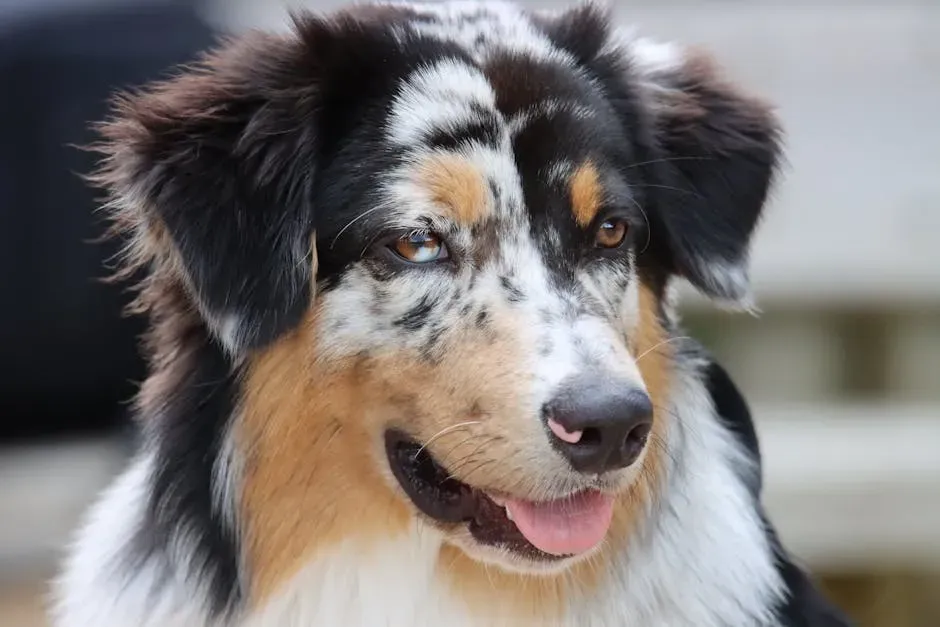
Australian Shepherds are working dogs in the truest sense – not just energetic pets, but dogs with a genuine psychological need to have a purpose, a task, and a team. They were bred to herd livestock all day alongside their human partner. Remove the livestock, remove the partner, and leave the dog in an empty house, and you have a recipe for serious distress. Aussies don’t idle. They fixate, pace, and escalate until the anxiety finds an outlet – usually your furniture or your yard.
What makes Australian Shepherds particularly difficult to leave alone is the combination of intelligence and emotional intensity. They feel the absence deeply and they’re smart enough to figure out ways to express it creatively. Owners who work long hours without a robust support system – doggy daycare, a dog walker, another pet – often find themselves overwhelmed. This breed rewards an active, present owner more than almost any other. And it suffers the absence of one more than almost any other.
1 – Bichon Frisé
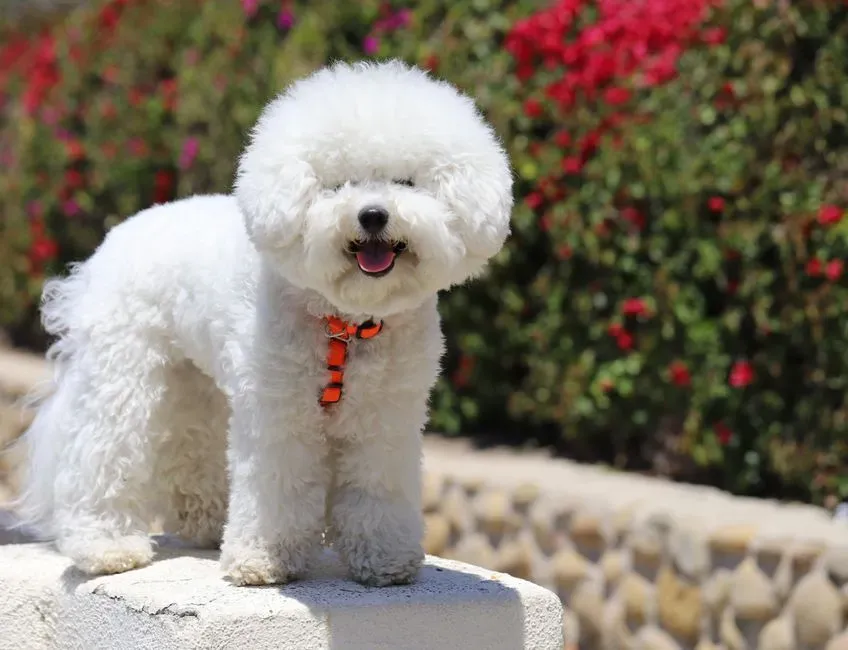
It might seem unexpected to find a fluffy, cheerful little Bichon Frisé at the very top of this list. But separation anxiety researchers and veterinary behaviorists consistently flag this breed as among the most severely affected. Bichons were developed exclusively as companion dogs – no hunting, no herding, no guarding. Their entire evolutionary purpose was to be with a human being. Separating them from that human being doesn’t just make them sad. It removes the thing they exist for.
The distress a Bichon Frisé experiences when left alone can be intense and prolonged – barking that doesn’t stop, accidents despite being housetrained, destructive behavior from a dog that normally seems incapable of it. These are not difficult dogs in most respects. They’re joyful, adaptable, and incredibly loving. But they are not independent, and they were never meant to be. If your lifestyle involves long, frequent absences, a Bichon Frisé will pay the emotional price for it every single time. That’s not a flaw in the breed – it’s the breed doing exactly what it was made to do. Missing you.
Why It Stands Out
- Separation anxiety and fear aggression are the two most commonly documented behavioral challenges in the Bichon Frisé
- Typical signs include non-stop barking, drooling, restlessness, and housetraining regression – even in otherwise well-trained dogs
- Bichons are classified as a non-sporting breed; they require minimal exercise but maximum human presence
- Breed experts consistently advise that frequent travelers or full-time office workers reconsider this breed before committing
- Gradual desensitization, consistent departure routines, and interactive enrichment are the most effective management tools
The common thread across every dog on this list isn’t weakness or bad training – it’s depth of attachment. These breeds feel the bond between dog and human more acutely than most, and they suffer when it’s broken, even temporarily. If you own one of these dogs, that intensity is probably part of why you love them so much. It’s also why they deserve owners who take their emotional needs seriously – not as an afterthought, but as a fundamental part of responsible ownership. These dogs don’t ask for much. They just ask that you come back.


