
You saw the breed, fell in love, and thought, “That one. That’s the one for me.” Maybe it was the fluffy coat, the soulful eyes, or someone at the dog park making it look effortless. But here’s what nobody tells you at the pet store or the breeder’s website: some of the most popular, most beautiful, most widely recommended breeds are quietly exhausting to own. Not impossible – just genuinely, consistently demanding in ways their reputation completely hides.
We’re not talking about minor inconveniences. We’re talking about dogs that will redecorate your house out of boredom, escape from yards that seemed perfectly secure, rack up vet bills you never saw coming, or simply stare at you like you’ve personally failed them because you skipped the afternoon training session. The 18 breeds below all have devoted fans – and those fans will tell you the work is worth it. But they’ll also tell you they wish someone had been honest with them upfront. So here it is, honestly.
18 – Border Collie: The Overachiever
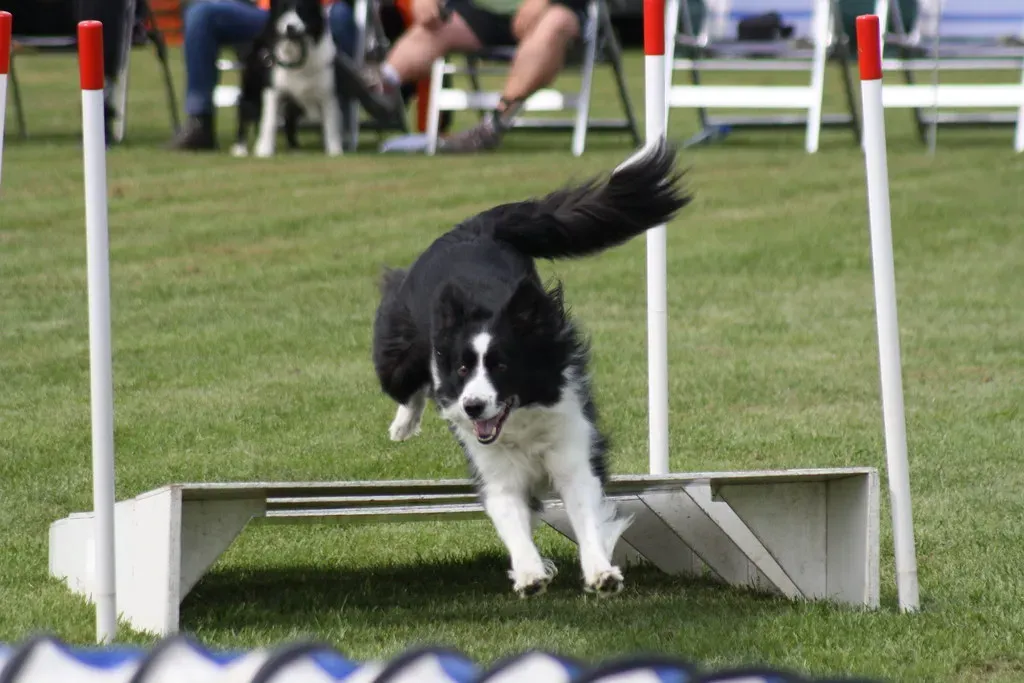
Border Collies are the kind of dogs that make you feel like you need to study harder just to keep up. Their intelligence is genuinely extraordinary – consistently ranked at the top of canine cognition research – but that same brain that impresses everyone at the dog park will absolutely turn against you if it doesn’t get enough to do. Boredom in a Border Collie doesn’t look like a dog napping on the couch. It looks like chewed baseboards, herded children, and a dog that has figured out how to open the refrigerator.
These dogs were bred to work eight-hour days in the Scottish highlands without stopping. A morning jog and a game of fetch won’t touch the surface of what they need. Serious owners build entire routines around agility training, advanced obedience, puzzle feeders, and herding exercises. Border Collies can be magnificent companions – but they are a genuine lifestyle commitment, not a pet you slot into a busy schedule.
Fast Facts
- Adult Border Collies need 90 minutes to 2 hours of exercise every single day – minimum.
- Mental stimulation (puzzle feeders, obedience, herding work) is as tiring for them as physical exercise.
- Under-exercised Border Collies commonly develop separation anxiety, destructive behavior, and obsessive habits.
- They excel at agility, flyball, herding trials, and search-and-rescue – all high-commitment activities.
- Ranked #1 in canine intelligence across multiple studies – which cuts both ways.
17 – Siberian Husky: The Escape Artist
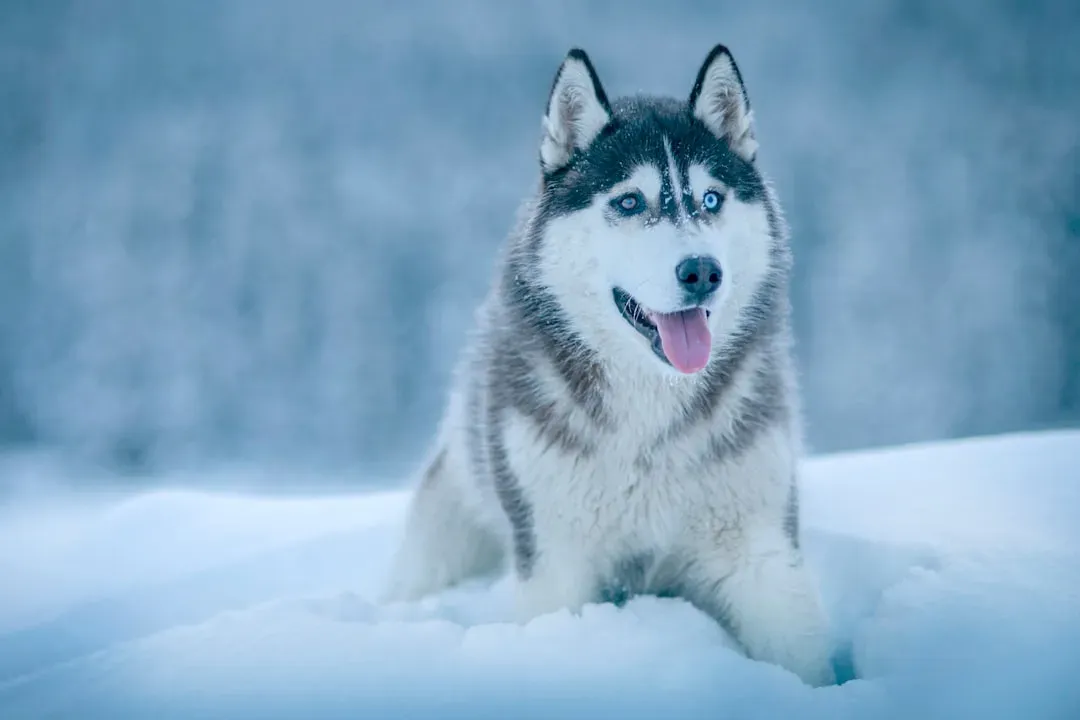
Huskies are one of the most visually stunning breeds alive, and their owners will be the first to warn you that those looks come at a steep price. These dogs were engineered by the Chukchi people of northeastern Asia to run forty miles a day across frozen tundra. That drive didn’t disappear when Huskies moved into suburban backyards. It just redirected – into fence-jumping, tunnel-digging, and a talent for escaping enclosures that seems almost supernatural.
Beyond the escape artistry, Huskies are loud, relentlessly energetic, and famously indifferent to commands they find inconvenient. Their howling is the stuff of neighborhood legend. Their shedding – especially during the twice-yearly “coat blow” – produces enough fur to stuff a pillow. They require hours of vigorous daily exercise, a securely fortified yard, and an owner with a genuine sense of humor about chaos. People who thrive with Huskies love them ferociously. People who weren’t prepared often rehome them within a year.
16 – Afghan Hound: The High-Maintenance Beauty
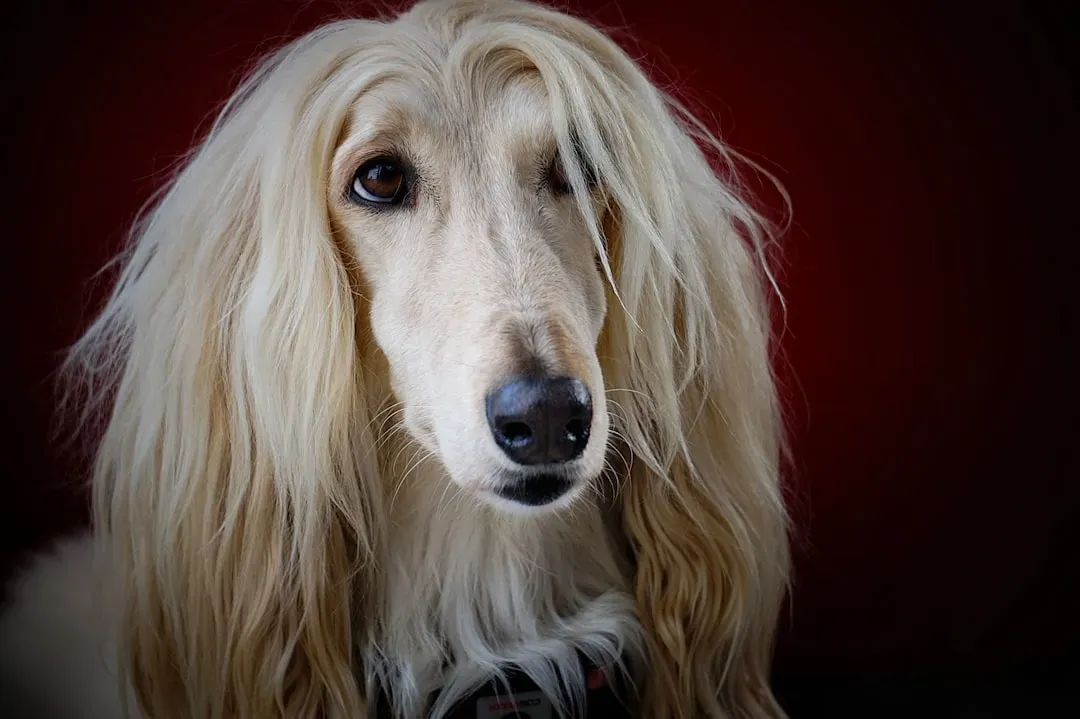
The Afghan Hound looks like it just walked off a runway, and maintaining that appearance is roughly as demanding as you’d imagine a runway career to be. Their long, silky coat tangles at a staggering rate and requires daily brushing – not a quick pass with a comb, but a dedicated, methodical session to keep mats from forming deep against the skin. Add regular baths, blow-drying, and professional grooming appointments, and you’re looking at a serious time and financial investment just to keep this dog looking like itself.
The personality underneath all that gorgeous fur is equally complex. Afghan Hounds are sighthounds with ancient, independent minds. They were bred to make split-second hunting decisions without human direction, which means they don’t naturally defer to their owners the way a retriever might. Training them requires patience, creativity, and a willingness to accept that sometimes they will simply decide your instruction isn’t worth following. First-time owners who expected elegance without effort tend to be caught completely off guard.
15 – Belgian Malinois: The Workaholic
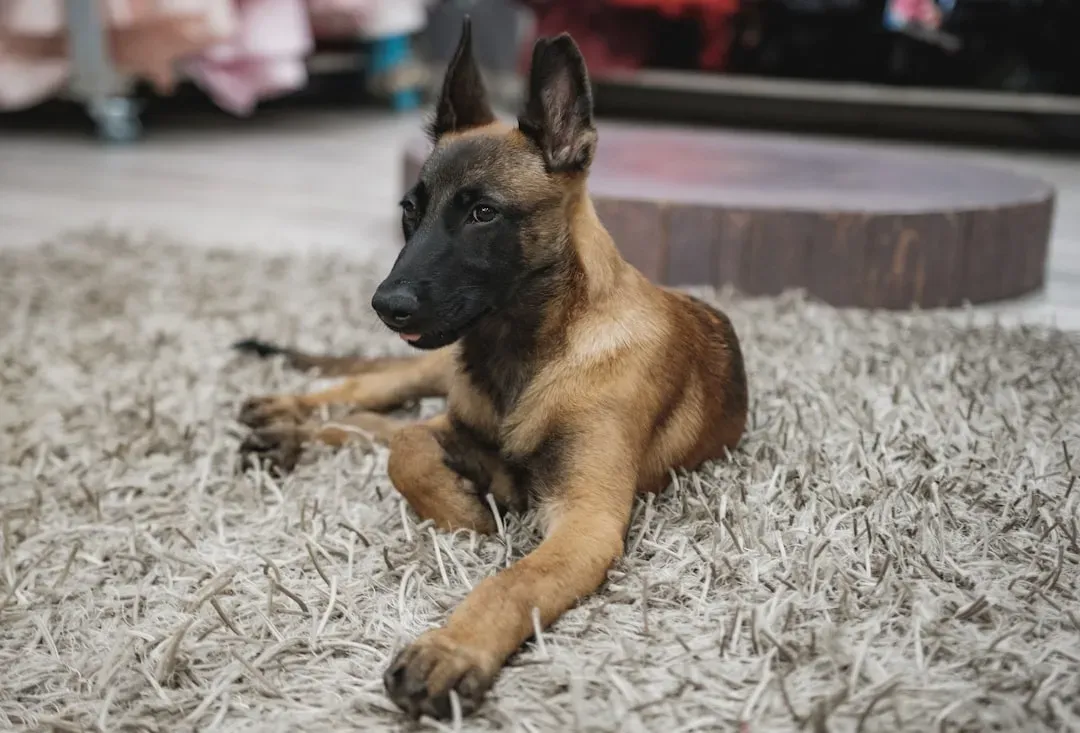
The Belgian Malinois has had a surge in popularity partly because of their starring roles alongside Navy SEALs and police units – which is precisely why so many well-meaning owners end up overwhelmed. A Malinois that’s working protection or detection for twelve hours a day is a fulfilled, balanced dog. A Malinois sitting in a house while its owner works a desk job is a pressure cooker waiting to go off. The same drive that makes them elite working animals makes them genuinely difficult to live with without a matching level of structure and activity.
These are not beginner dogs. Their bite strength, physical intensity, and hair-trigger reactivity demand experienced, consistent handling from day one. They need hours of daily physical exercise plus structured mental work – and they will not quietly accept less. Malinois owners who thrive are often people with dog sport backgrounds, law enforcement experience, or military training. The breed is brilliant and loyal, but the gap between a fulfilled Malinois and an under-stimulated one is not a small gap.
Quick Compare
- Belgian Malinois vs. German Shepherd: Both are working dogs, but the Malinois runs hotter – faster, more reactive, and less tolerant of idle time.
- Malinois vs. Border Collie: Similar intelligence demands; the Malinois adds physical intensity and a stronger protective drive.
- Best fit: Experienced handlers, active sport competitors, or those with a structured working-dog lifestyle.
- Worst fit: First-time owners, apartment dwellers, or households with young children and no dog training background.
14 – Chow Chow: The Independent Thinker
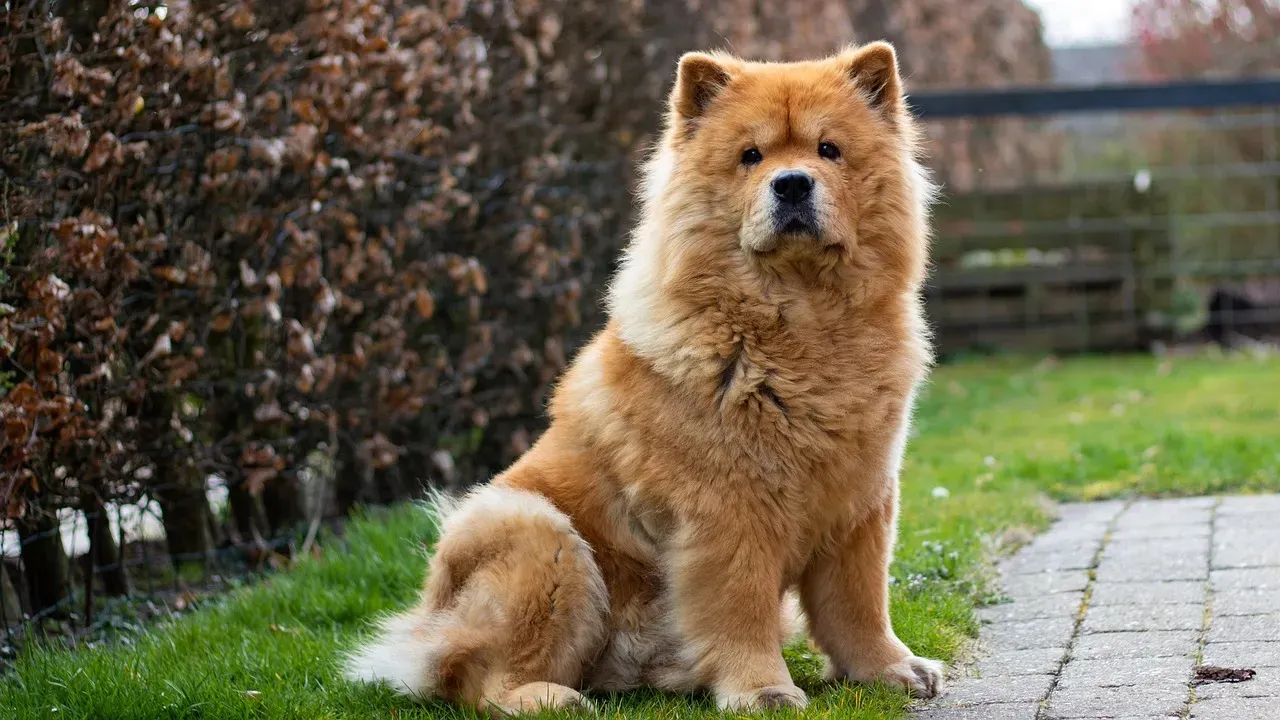
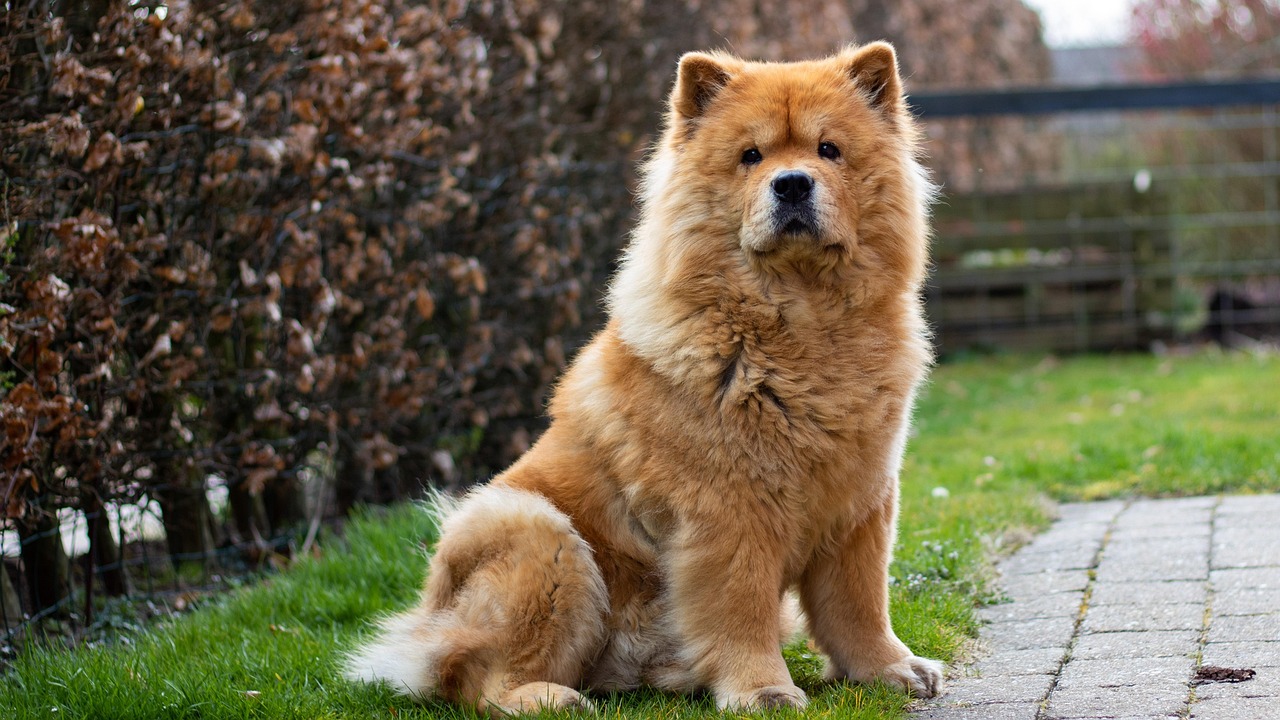
Chow Chows look like living teddy bears and carry themselves with the authority of a dog who knows it. That regal independence is part of their charm – and the root of most of their challenges. They are not people-pleasers. They don’t perform on command, don’t warm quickly to strangers, and have a stubborn streak wide enough to frustrate experienced trainers. Without early, consistent socialization, that aloofness can tip into genuine aggression toward people and other animals they don’t trust.
The grooming demands are substantial. Their thick double coat mats if neglected, sheds heavily through seasonal changes, and traps heat in a way that requires owners to actively manage their dog’s environment in warmer months. Chow Chows are also prone to overheating faster than most breeds, which limits outdoor activity in summer and requires vigilant temperature awareness. They are loyal and devoted to the right owner – but that owner needs to understand they’re working with a dog that will never be naturally biddable.
13 – Jack Russell Terrier: The Energetic Dynamo
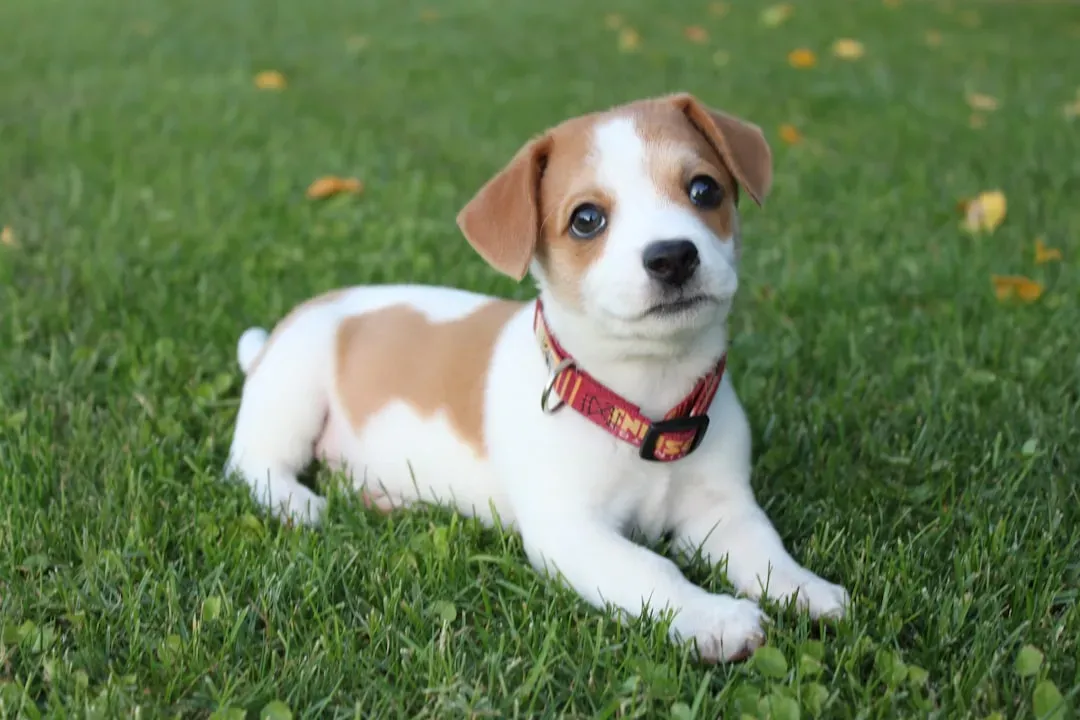
Jack Russells are small enough to fit in a tote bag and energetic enough to exhaust a triathlete. Originally bred to bolt into fox dens and hold their ground underground, they carry that fearless, relentless intensity into everyday life with remarkable commitment. They will dig up your garden, chase anything that moves, bark at sounds you can’t hear, and generally operate at a frequency that leaves casual owners genuinely depleted.
Training a Jack Russell isn’t impossible – they’re smart enough to learn quickly – but their intelligence comes paired with a stubborn streak and a short attention span for anything they find boring. They need multiple vigorous exercise sessions daily, mental enrichment, and a handler who can match their energy without losing patience. Put one in a quiet apartment with a low-key owner and you’ll see exactly why terrier rescues are always full. In the right home, they’re hilarious and devoted. In the wrong one, they’re a wrecking ball.
12 – Akita: The Loyal Protector
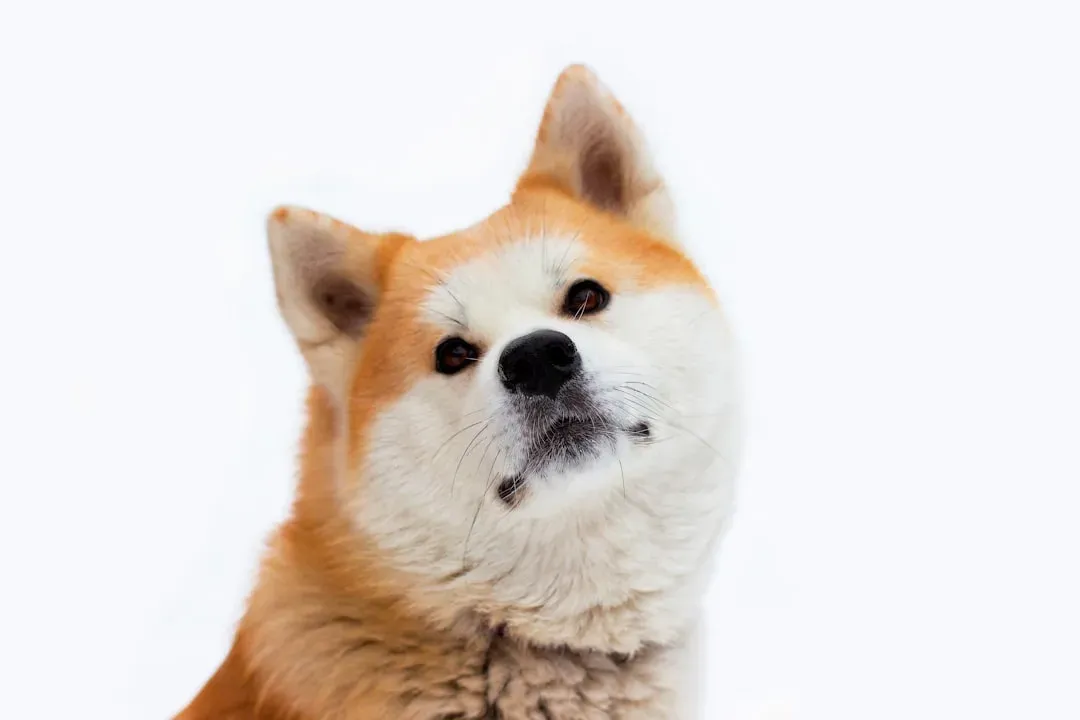
Akitas inspire devotion – there’s a reason the story of Hachiko, the Akita who waited for his deceased owner at a Tokyo train station for nearly ten years, became one of the most famous tales of canine loyalty ever told. But that same fierce loyalty and protectiveness that makes them legendary also makes them one of the most demanding breeds to own responsibly. Without extensive early socialization, their wariness of strangers and other dogs can become a serious liability.
“Once an Akita bonds with you, that bond is for life. But earning that bond – and managing everything that comes with it – is not for the faint of heart.”
American Kennel Club, Akita Breed Overview
Their double coat sheds heavily twice a year in dramatic fashion, and their size means grooming sessions take real effort. Health-wise, Akitas are prone to hip dysplasia, autoimmune disorders, and hypothyroidism – conditions that can mean significant ongoing veterinary costs. They are not dogs that tolerate inconsistent leadership or chaotic households. Experienced owners who match their intensity are rewarded with extraordinary companionship. Everyone else tends to find themselves outmatched.
11 – Australian Shepherd: The Energetic Herding Dog
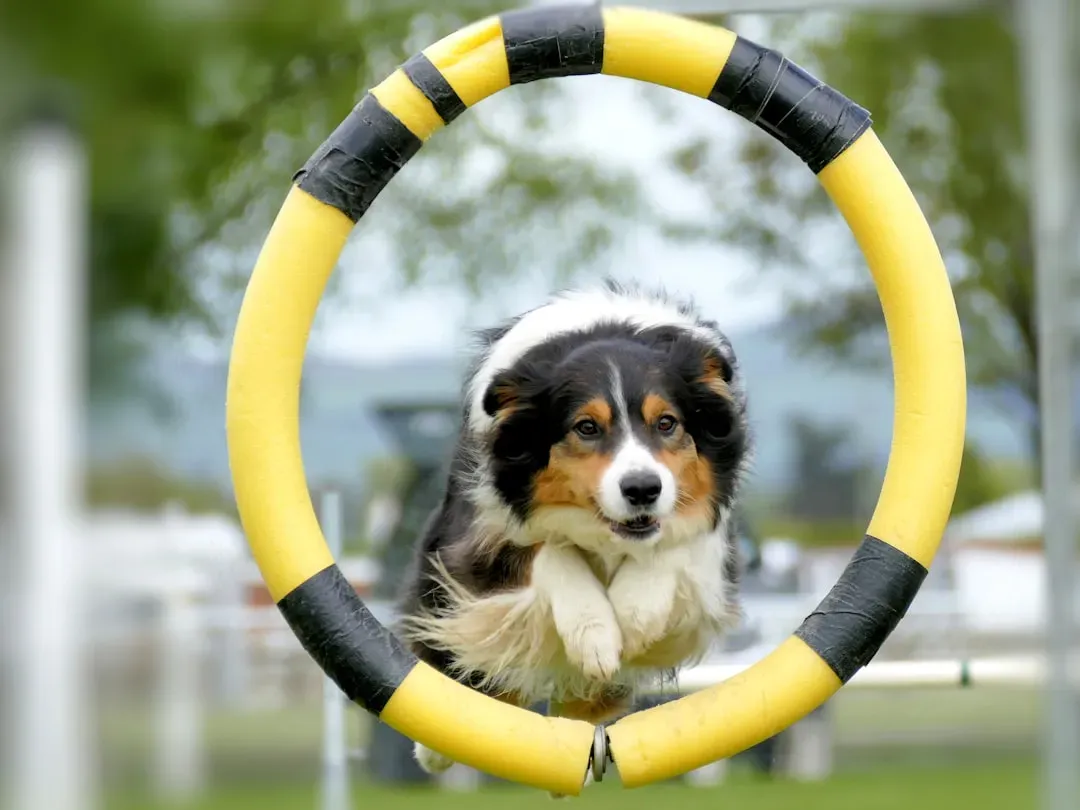
Australian Shepherds are one of the most popular working-dog breeds in the country, and the gap between their reputation and the reality of owning one can be jarring. People see the stunning merle coats, the heterochromia eyes, the agility competition videos – and they don’t see the two hours of daily exercise those dogs required before the filming even started. Aussies are wired to move, solve problems, and have a purpose, every single day, without exception.
When that need goes unmet, Australian Shepherds become anxious, obsessive, and destructive. They’ll herd your kids, chase your cats, bark at patterns on the wall, and generally make everyone in the household feel like they’re not meeting the dog’s standards – because they probably aren’t. Their double coat requires regular grooming to manage the shedding, and like many athletic breeds, they’re prone to joint issues and eye conditions that need monitoring. They are spectacular dogs for active, engaged owners. For everyone else, they’re a full-time commitment that arrives without a job description.
Worth Knowing
- Australian Shepherds thrive in dog sports: agility, flyball, disc, and herding trials are all natural fits.
- Their herding instinct is strong enough to redirect at children, cats, and even houseguests without training intervention.
- Eye conditions including Collie Eye Anomaly (CEA) and progressive retinal atrophy (PRA) are known breed health concerns.
- The merle coat pattern – one of their most celebrated features – is genetically linked to increased risk of vision and hearing defects when two merle dogs are bred together.
10 – Cocker Spaniel: The Sensitive Companion
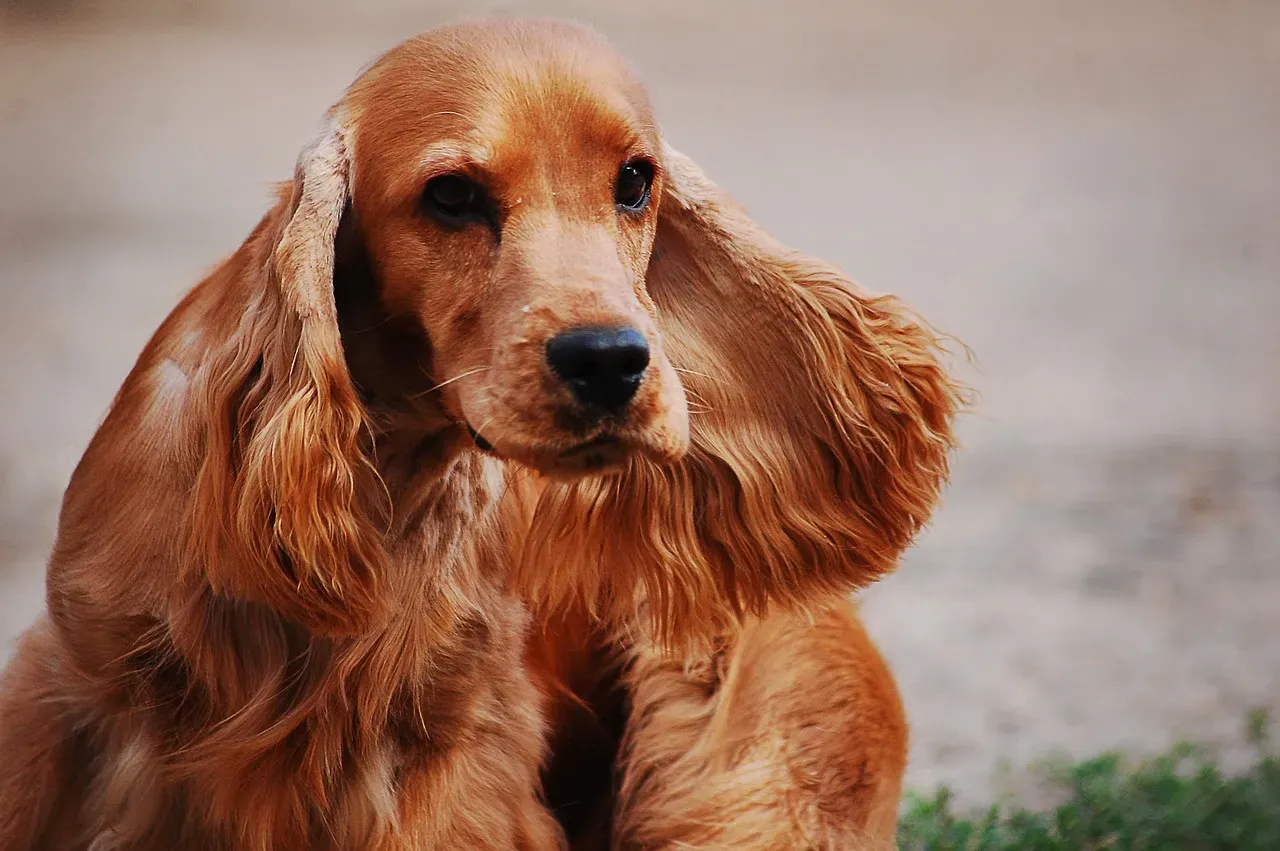
Cocker Spaniels have one of the most genuinely sweet temperaments in dogdom – soft eyes, gentle nature, and an almost desperate desire to be loved. That sweetness is real and beautiful. What the reputation leaves out is the maintenance schedule those gorgeous silky ears and flowing coats demand. Their ear canals are long and poorly ventilated, which creates a warm, moist environment perfectly suited for chronic infections. Without weekly ear cleaning and regular vet checks, ear problems in Cockers can spiral quickly into painful, expensive recurring issues.
Their coats require professional grooming every six to eight weeks and regular brushing between appointments to prevent the painful matting that forms quickly in the feathering around their legs and belly. Cocker Spaniels are also emotionally sensitive in ways that catch people off guard – they do not handle harsh correction well, can develop anxiety in stressful environments, and bond so deeply that separation anxiety becomes a genuine challenge. They deserve patient, attentive owners who understand that their sensitivity is not a flaw to train away, but a core part of who they are.
9 – Weimaraner: The Velcro Dog
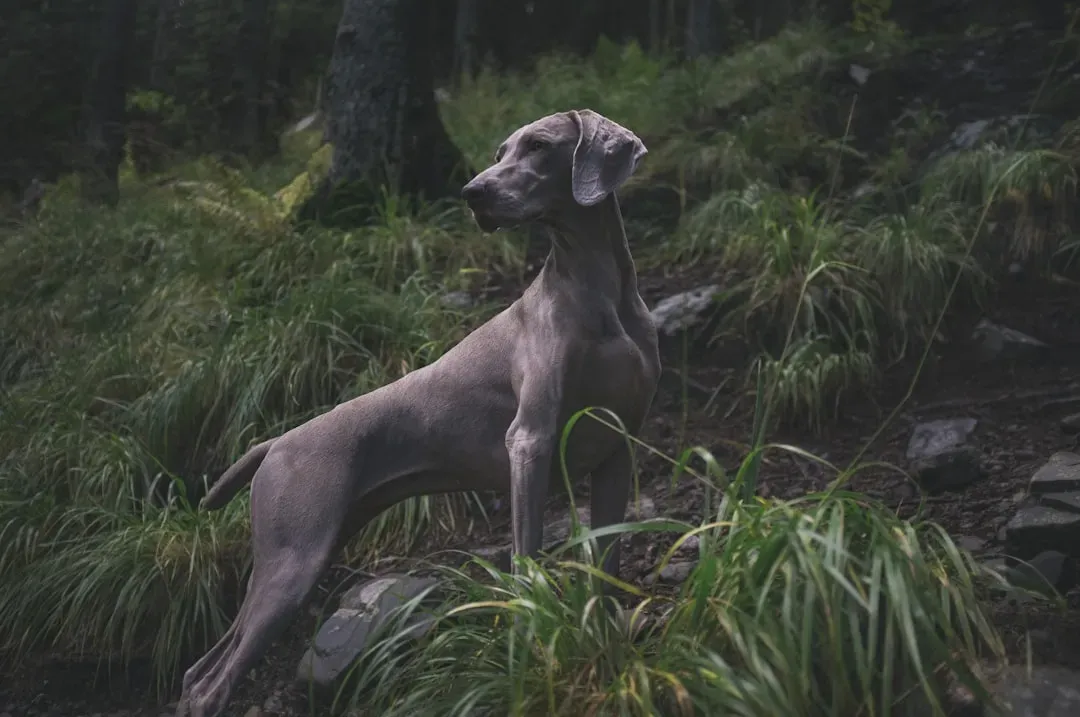
Weimaraners are sleek, athletic, and aristocratic in appearance – they were literally bred as hunting companions for German royalty. What the royal portraits didn’t show was a dog so intensely bonded to its owner that being left alone for a few hours can trigger full-blown separation anxiety, complete with howling, destructive behavior, and a level of desperation that distresses both the dog and the neighbors. Weimaraners are sometimes called “the Gray Ghost” for the way they shadow their owners from room to room. That’s charming until it isn’t.
Beyond the attachment issues, Weimaraners are high-energy hunting dogs that require substantial daily exercise – not a leisurely walk, but hard running, swimming, or fieldwork. They’re powerful, driven, and prone to counter-surfing, jumping, and general household chaos if their physical needs aren’t met. They’re also prone to bloat, a life-threatening gastric condition that requires emergency surgery if it occurs. Weimaraner owners tend to be deeply devoted to the breed – but the learning curve in year one is steep enough that many are caught genuinely off guard.
8 – Shar-Pei: The Wrinkled Wildcard
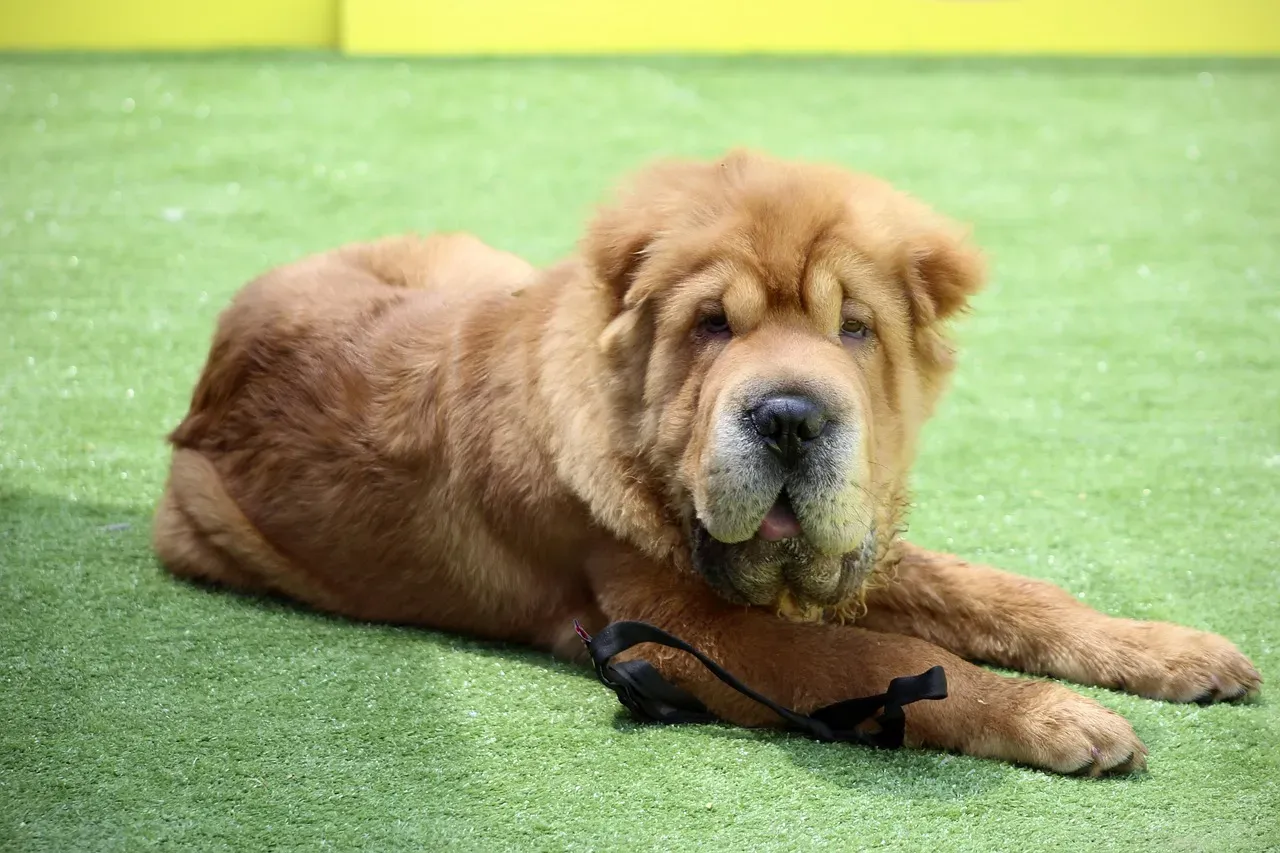
The Shar-Pei’s wrinkled face is undeniably irresistible, but those folds are ground zero for some of the breed’s most demanding health challenges. Skin infections, yeast buildup, and irritation can develop in the skin folds if they aren’t cleaned regularly – and “regularly” means several times a week, sometimes daily in humid climates. This isn’t optional maintenance; it’s the difference between a comfortable dog and one in chronic low-grade discomfort.
Shar-Peis are also prone to a uniquely breed-specific condition called Shar-Pei Fever, a hereditary autoinflammatory disorder that causes recurring fever episodes and can eventually lead to kidney failure if unmanaged. Their stubborn, independent temperament adds another layer – they are not naturally eager to please and require firm, patient training from an experienced hand. Shar-Peis can be calm, devoted family dogs, but the health costs and temperament demands mean they are genuinely not the easygoing companion their stoic expression implies.
At a Glance
- Skin fold cleaning: Required several times per week – daily in hot or humid conditions.
- Shar-Pei Fever: A breed-specific hereditary inflammatory disorder with no cure, only management.
- Eye issues: Entropion (eyelids rolling inward) is common and often requires surgical correction.
- Temperament: Naturally aloof and dominant – early socialization is non-negotiable, not optional.
- Vet costs: Among the higher-maintenance breeds for ongoing medical management.
7 – Dalmatian: The High-Octane Spotted Dog
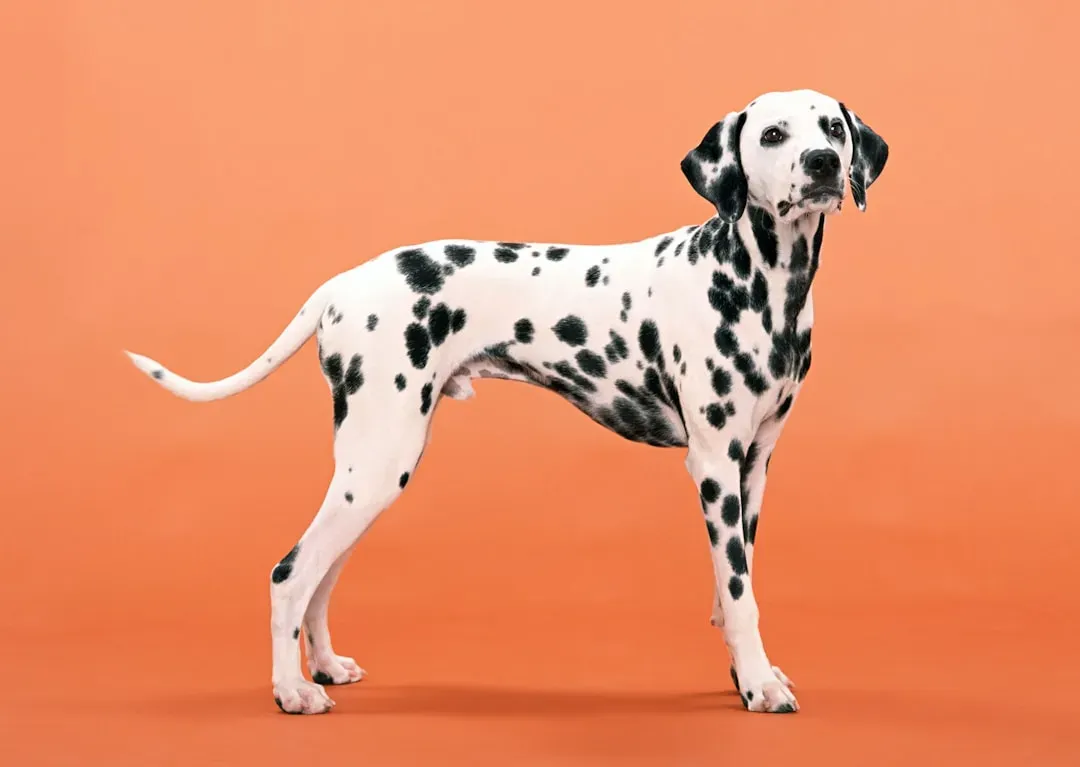
Dalmatians became cultural icons after a certain Disney film, which triggered one of the most heartbreaking waves of breed-specific abandonment the rescue world has ever seen. Families brought home spotted puppies expecting the movie and got a reality check instead. Dalmatians are athletic coach dogs that historically ran alongside horse-drawn carriages for miles at a stretch. That endurance is still fully intact. A Dalmatian needs serious, sustained daily exercise – and “serious” means a run, not a stroll.
They are also prone to congenital deafness at a rate that surprises most new owners. Studies show that roughly 8 percent of Dalmatians are born completely deaf in both ears and approximately 22 percent are deaf in one ear – meaning nearly 30 percent of the breed carries some degree of hearing loss. Owners who aren’t aware of this may spend months trying to train a dog that genuinely cannot hear them. Additionally, Dalmatians have a unique urinary system that makes them prone to uric acid stones, requiring a carefully managed low-purine diet throughout their lives. They’re exuberant, loving, athletic dogs – but they need owners who did the research before the spots won them over.
6 – Basenji: The Dog That Doesn’t Bark (But Never Stops Communicating)
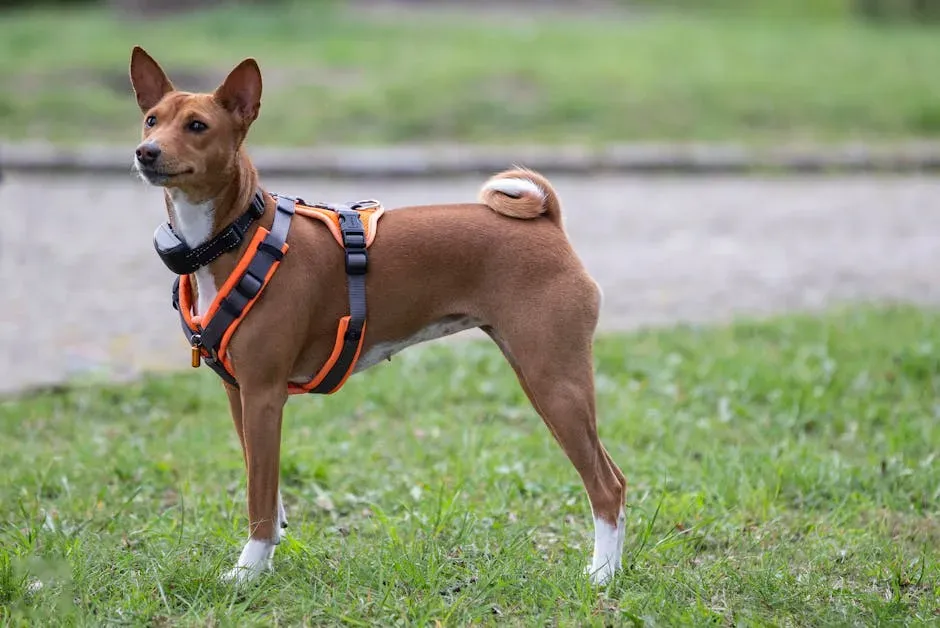
People adopt Basenjis because they don’t bark, expecting a quiet, low-maintenance companion. What they get is a dog that produces a haunting yodel called a “baroo,” screams when unhappy, whines persistently, and communicates with an intensity that makes the absence of traditional barking feel like a technicality. Basenjis are one of the oldest known dog breeds, with ancient Egyptian origins, and they carry that ancient independence in every fiber of their being.
They are notoriously cat-like in temperament – self-grooming, aloof on their own terms, and genuinely difficult to motivate with traditional training methods. Their prey drive is explosive and their recall is unreliable off-leash in ways that can be genuinely dangerous. They’re also escape artists with the climbing ability to clear fences that would contain most dogs. Basenjis bond intensely with their chosen people and can be extraordinary companions, but they require owners who understand that “no bark” does not mean “easy.”
5 – Irish Setter: The Beautiful Disaster
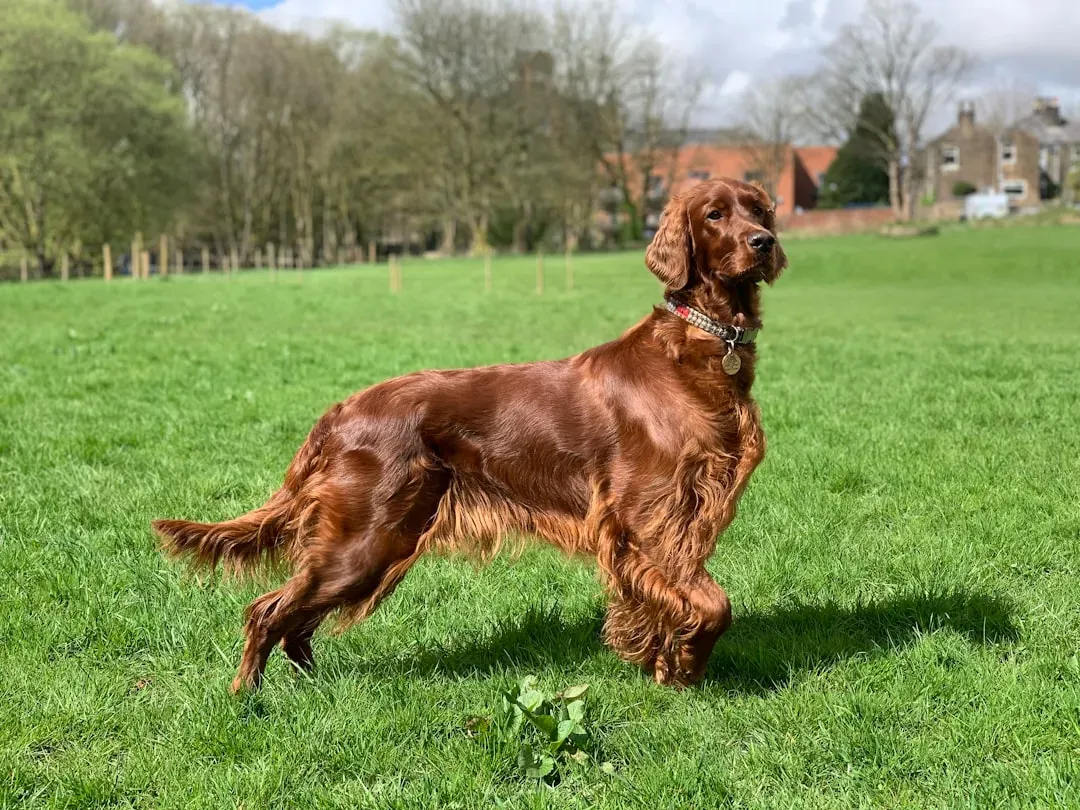
Irish Setters are one of the most physically beautiful breeds in the world – that rich mahogany coat moving in slow motion across an open field is the stuff of paintings. They’re also exuberant, clownish, and mentally immature for an almost comically long period of their lives. Irish Setters are notorious for acting like puppies well into their third or fourth year, which means years of enthusiastic jumping, counter-surfing, selective hearing, and lovable but exhausting chaos before they settle into adulthood.
They require significant daily exercise to take the edge off that perpetual puppy energy, and without it, they’ll find their own entertainment – usually at the expense of your furniture or landscaping. Their long silky coat needs regular brushing and occasional trimming. They’re also sensitive souls who shut down under harsh correction, making training a careful balance of patience and consistency. Irish Setter owners love them with a ferocity that’s immediately obvious – but they’ll also tell you, unprompted, about the things that got destroyed in year two.
4 – Samoyed: The Smiling Snowball With a Shedding Problem
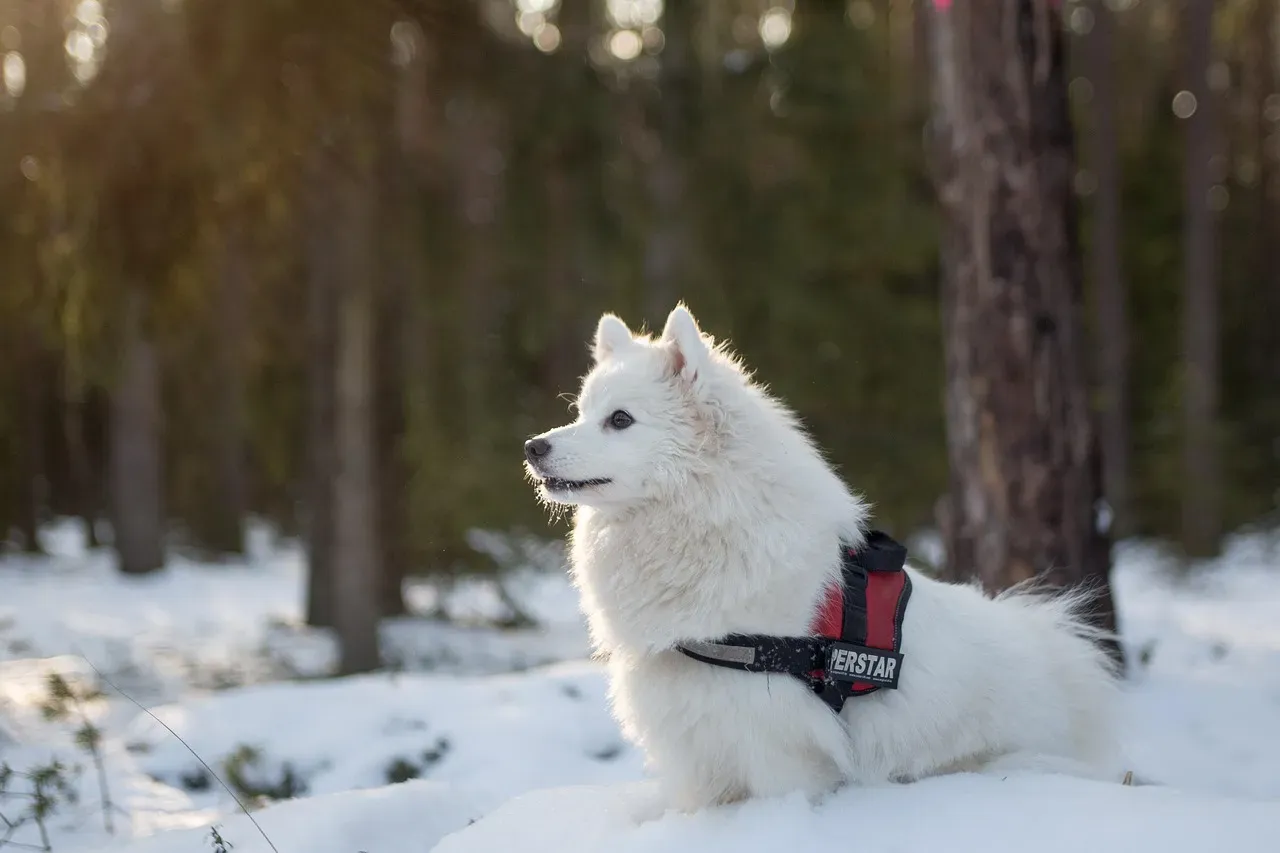
That permanent smile and cloud-white fluff makes the Samoyed one of the most photogenic breeds alive. It also makes them one of the most grooming-intensive. The “Samoyed coat” is a double-layered arctic insulation system that sheds year-round and explodes twice a year in a shedding event that owners grimly refer to as “blowing coat.” During those periods, the fur comes off in dense, fluffy drifts that settle on every surface in the house. Samoyed owners often invest in high-powered vacuums, lint rollers in bulk, and a resigned acceptance that white dog fur will become a permanent feature of their wardrobe.
Beyond the grooming, Samoyeds are working sled dogs who bring real working-dog energy to domestic life. They were bred to pull sleds and herd reindeer in Siberia, and they need vigorous daily exercise to stay balanced. They’re also vocal – barking, howling, and “talking” in ways that are charming in videos but can strain neighborly relationships in practice. They’re joyful, social, deeply affectionate dogs. But that smile hides a maintenance commitment that surprises almost everyone who hasn’t owned one before.
Why It Stands Out
- The “coat blow” happens twice a year and can last three to four weeks each time – plan accordingly.
- Their arctic double coat requires brushing several times per week, and daily during heavy shedding seasons.
- Samoyeds were bred to sleep with their people for warmth in Siberia – their need for closeness is deeply hardwired.
- Despite their fluffy appearance, they are genuine working dogs and need sustained exercise to avoid anxiety and destructive behavior.
- Their signature “Sammy smile” is structural – a slight upward curve at the corners of the mouth that prevents drooling in freezing temperatures.
3 – Rhodesian Ridgeback: The Lion Hunter in Your Living Room
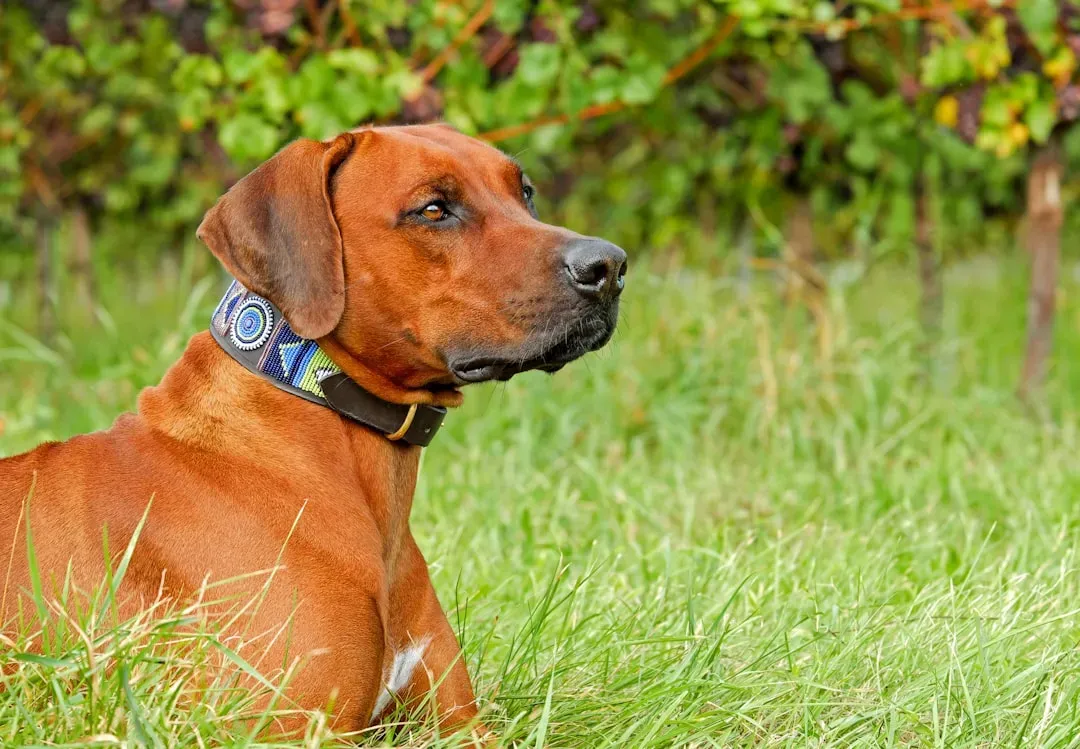
Rhodesian Ridgebacks were bred in southern Africa to track lions and hold them at bay until hunters arrived – a job that selected for exactly the qualities that make them challenging pets: fearlessness, independence, physical power, and an instinct to make their own decisions under pressure. In a family home, those traits translate into a dog that is loyal and affectionate with its people but can be dominant, stubborn, and genuinely difficult to handle without consistent, confident leadership.
They’re athletic and powerful, requiring serious daily exercise and a securely fenced yard. Their prey drive is strong enough that off-leash freedom in unenclosed areas is a real risk. They mature slowly and can be boisterous and difficult in the first two years before settling into the calm, devoted companions their owners were promised. Ridgeback owners are deeply loyal to the breed – but the learning curve is real, and more than a few owners have admitted they underestimated just how much dog they were signing up for.
2 – Chow Chow Mix / Poodle Cross-Breeds: The “Hypoallergenic” Myth
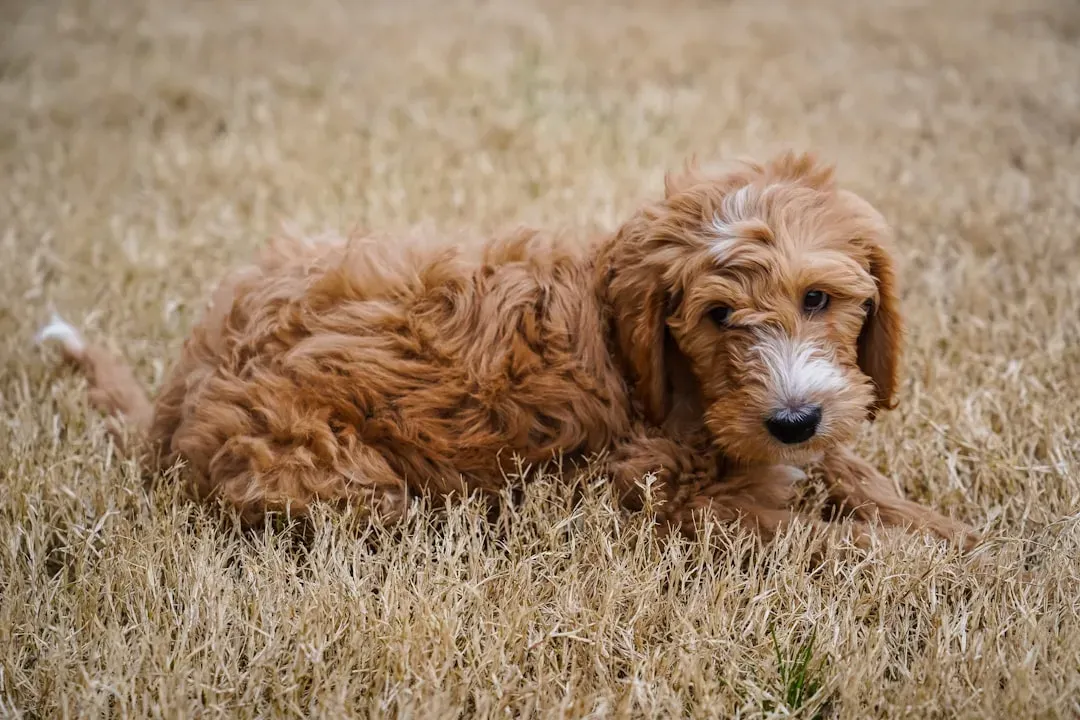
Designer crosses like Labradoodles, Goldendoodles, and Cockapoos exploded in popularity partly on the promise of low-shedding, allergy-friendly coats. What buyers often discovered was that the genetics of crossbreeding don’t work on a guarantee system – coat type varies wildly within the same litter, and the curly or wavy coats that do shed less also mat aggressively and require professional grooming every six to eight weeks without exception. Many owners who expected a wash-and-go dog found themselves facing a grooming bill that rivals a car payment.
Beyond the coat, these crosses often inherit the high energy and intelligence of both parent breeds without the benefit of generations of selective breeding for temperament consistency. A Goldendoodle can be wonderfully balanced – or it can be an anxious, high-drive, oversized puppy with separation issues and a destructive streak. The variability is part of what makes these crosses genuinely unpredictable. They can be incredible family dogs, but buying one based on the assumption that “hybrid” means “easier” has left a lot of families surprised by what they actually brought home.
1 – Standard Poodle: The Misunderstood Genius
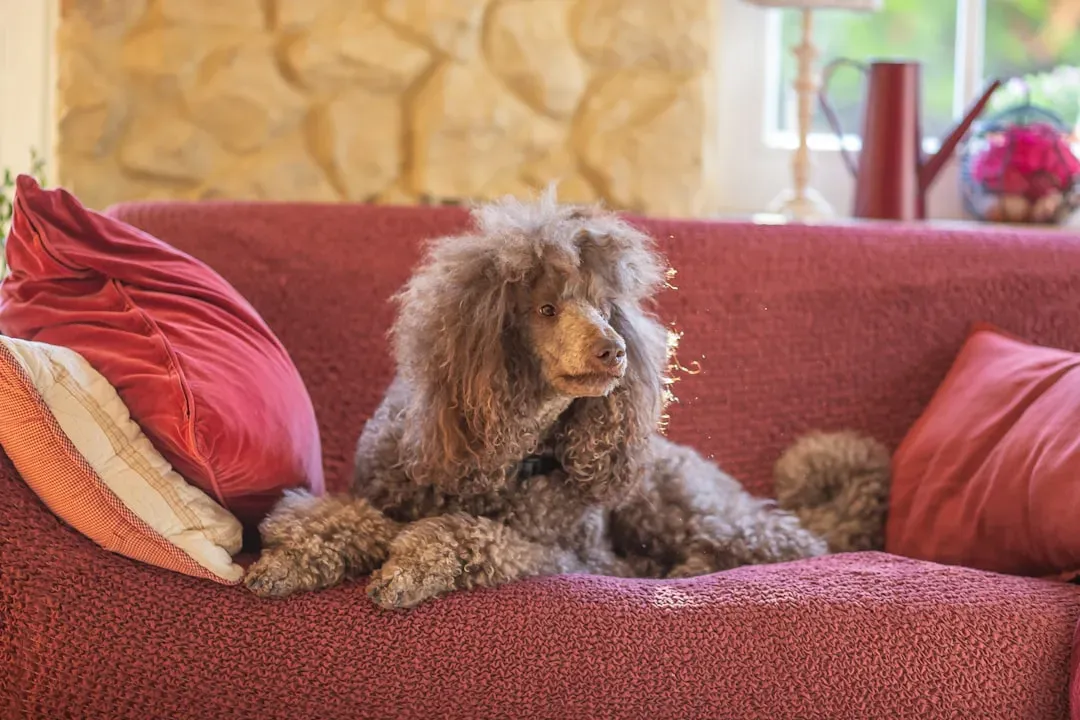
Poodles carry the unfair reputation of being prissy, performative show dogs – accessories for people who care more about aesthetics than substance. The reality is almost the exact opposite. Standard Poodles are among the most intelligent, athletically capable, and emotionally complex dogs in existence. They were originally bred as water retrievers for serious hunting work, and that working intelligence is still fully operational. They learn commands at breathtaking speed, read human emotion with an almost unsettling accuracy, and get bored just as fast as they learn.
A bored, understimulated Poodle is a problem dog – anxious, neurotic, and prone to obsessive behaviors. Their famously “hypoallergenic” coats don’t shed, which sounds ideal until you realize the hair grows continuously and mats painfully if not brushed thoroughly every few days and professionally groomed every four to six weeks. Standard Poodles also carry a heightened risk of bloat (GDV) – a life-threatening condition where the stomach fills with gas and can twist on itself, requiring emergency surgery. They are additionally prone to Addison’s disease, a hormonal disorder in which the immune system attacks the adrenal glands, requiring lifelong management. They are extraordinary companions for people who match their depth – but “low-maintenance” is the last thing they are.
Fast Facts
- Bloat (GDV): Standard Poodles’ deep-chest build puts them at elevated risk – it can progress from discomfort to life-threatening shock in hours.
- Addison’s disease: Known as “the great pretender” for its vague symptoms; especially prevalent in Standard Poodles compared to other breeds.
- Grooming: Professional appointments every 4 to 6 weeks are non-negotiable – the coat grows continuously and mats painfully without regular brushing.
- Lifespan: With proper care, Standard Poodles typically live 12 to 15 years – a long, rewarding, and involved commitment.
- Intelligence: Consistently ranked among the top two smartest dog breeds – which makes under-stimulation a real behavioral risk.
Here’s the uncomfortable truth that runs through every breed on this list: the dogs that end up in rescues most often aren’t there because they’re bad dogs. They’re there because somebody made a decision based on a look, a reputation, or a movie – and then discovered that the actual animal required far more than they were prepared to give. Every breed on this list is capable of being someone’s absolute favorite dog in the world. But they deserve owners who go in with clear eyes, honest expectations, and genuine commitment. Do that, and even the most demanding dog on this list will give you everything it has. That’s always been the deal – it just doesn’t always make it onto the listing page.


