

Picture a dog that paces the house at night or a child who melts down over the smallest change in routine. Both behaviors often trace back to the same root, a life without clear limits that leaves them unsure of what comes next. Animal psychology has started drawing direct lines between these experiences, showing how structure shapes emotional security across species.
The idea feels familiar once you think about it, yet it challenges the notion that love alone is enough. Without boundaries, both dogs and children can end up navigating the world with a constant undercurrent of worry. That shared pattern invites a closer look at how guidance, or the lack of it, plays out in daily life.
The Foundations of Security in Dogs
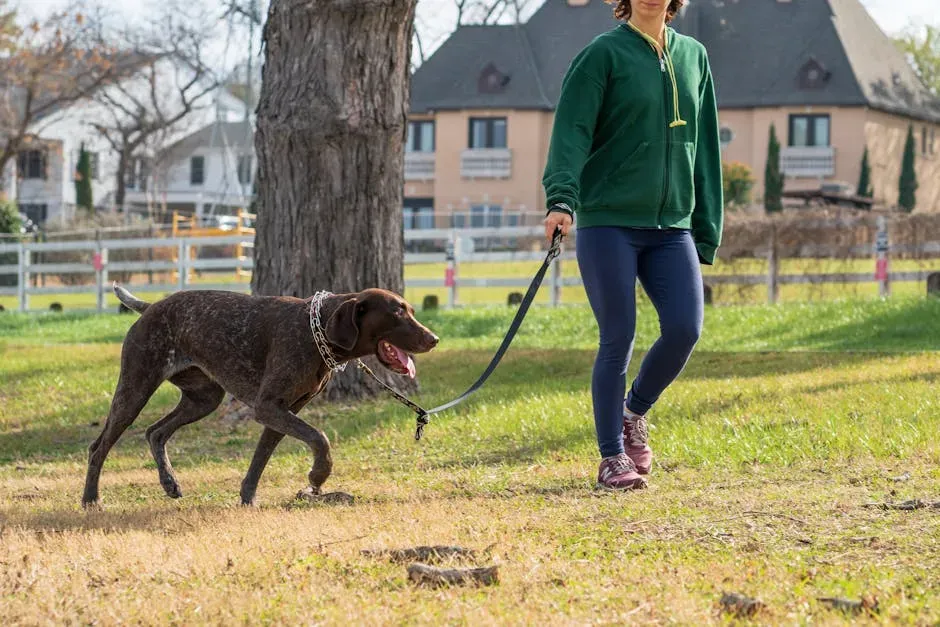
Dogs thrive when they know what to expect from their environment and their people. Clear rules around feeding times, walking schedules, and acceptable behaviors give them a framework that reduces uncertainty. Without those markers, many dogs begin to fill the gaps with their own anxious habits, such as excessive barking or destructive chewing.
Animal behavior studies show that structure functions like an invisible safety net. A dog that understands its place in the household pack tends to relax more readily during downtime. The absence of that framework often leads to hypervigilance, where every sound or movement outside feels like a potential threat.
Similar Patterns in Child Development

Children who grow up without consistent limits frequently struggle with the same sense of unease. They may test boundaries repeatedly because they have not learned where the edges actually lie. Over time this uncertainty can translate into clinginess, sleep troubles, or sudden outbursts when routines shift even slightly.
Developmental research highlights how predictable expectations help young minds build internal calm. When rules feel random or absent, kids often carry an underlying tension that follows them into school and social settings. The parallel with dogs becomes clear in how both respond to a world that offers little guidance on what is safe or acceptable.
Recognizing Anxiety Signals Across Species

An anxious dog might shadow its owner from room to room or refuse to settle even in familiar spaces. These actions mirror the way some children hover near caregivers or resist new experiences. Both stem from an internal alarm system that never quite turns off because no reliable boundaries have been established.
Owners and parents often notice the signs first in everyday moments, such as reluctance to be left alone or intense reactions to minor frustrations. The behaviors serve as quiet signals that the individual feels unmoored. Spotting them early allows for adjustments before the anxiety deepens into more entrenched patterns.
How Training Creates Emotional Stability
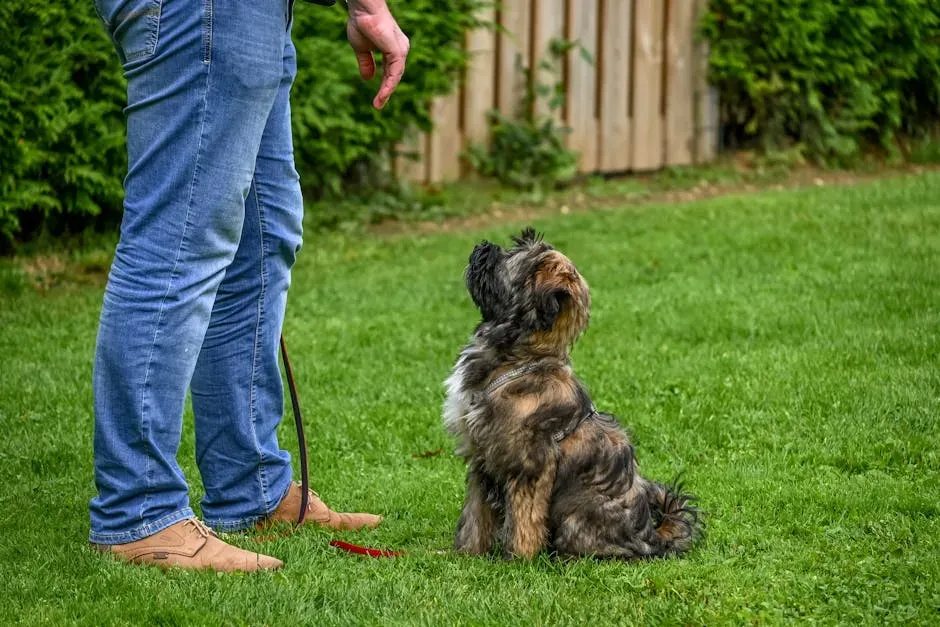
Positive, consistent training gives dogs a language for understanding their world. Simple commands paired with rewards teach them that certain actions lead to predictable outcomes. This process builds confidence because the dog learns it can influence its surroundings in reliable ways.
The same principle applies when adults set steady expectations for children. Clear consequences and gentle follow through help young ones feel capable rather than adrift. In both cases the goal is not control for its own sake but the creation of a secure base from which exploration feels possible.
Common Mistakes That Undermine Boundaries
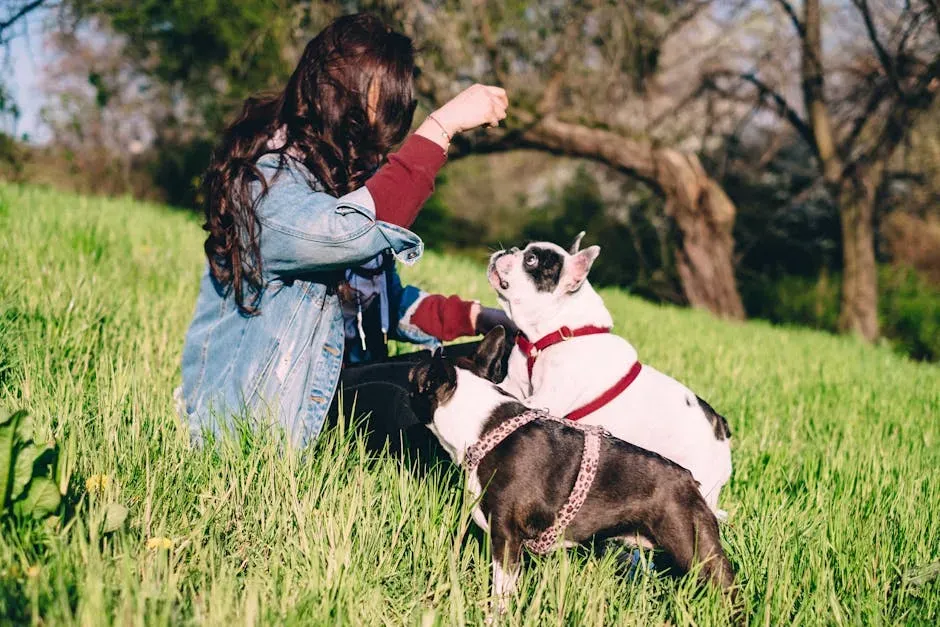
Many well meaning owners shower their dogs with affection while skipping the structure that makes affection meaningful. Allowing jumping on guests or free access to every room can seem kind in the moment yet leaves the dog without a map for appropriate behavior. Over time those small oversights accumulate into larger feelings of instability.
Parents sometimes fall into similar patterns by avoiding firm limits out of fear of seeming harsh. The result is a household where expectations shift daily, which heightens anxiety for everyone involved. Recognizing these tendencies early helps shift the focus toward balanced guidance that supports rather than restricts.
Practical Adjustments That Make a Difference

Starting with small, repeatable routines often yields the quickest improvements for dogs. Setting fixed meal times and short daily training sessions provides the predictability they crave. Owners who stay consistent notice calmer energy within weeks as the dog begins to trust the pattern.
Families can apply similar steps by establishing simple household rules and sticking to them. Bedtime rituals or clear expectations around screen time give children the same sense of order. The key lies in gentle persistence rather than sudden overhauls that might feel overwhelming at first.
Looking Ahead With Balanced Guidance

Both dogs and children benefit when care includes both warmth and direction. The anxiety that arises from missing boundaries serves as a reminder that love alone does not replace the need for a steady framework. Thoughtful limits actually free individuals to relax and engage more fully with their surroundings.
In the end the comparison points to a shared truth about emotional health. Providing structure is not about dominance but about offering the security that allows trust to grow. That approach leaves room for joy on both ends of the leash and across the dinner table.


