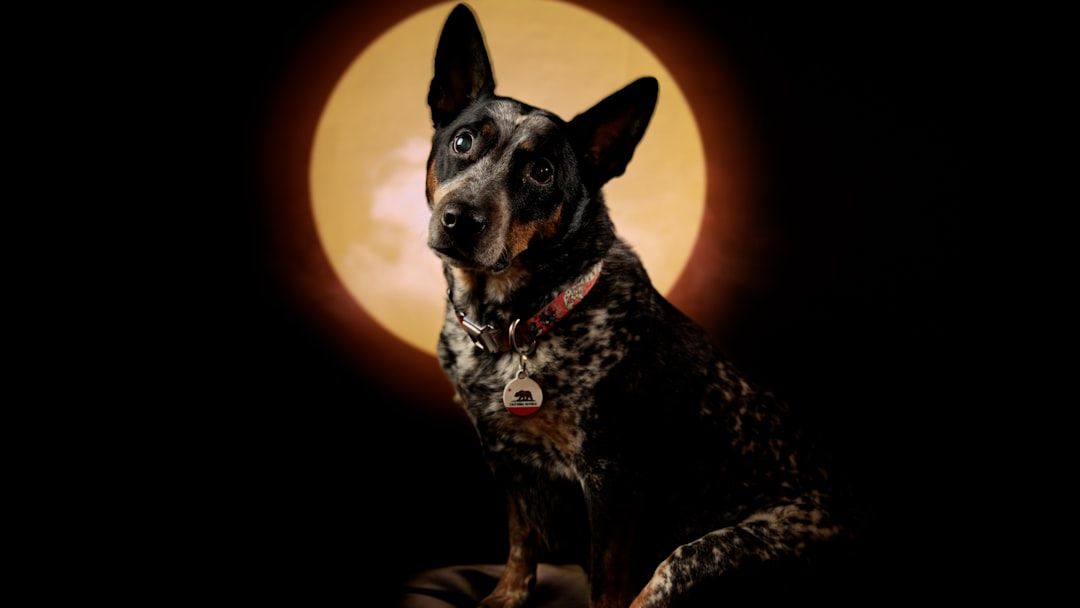
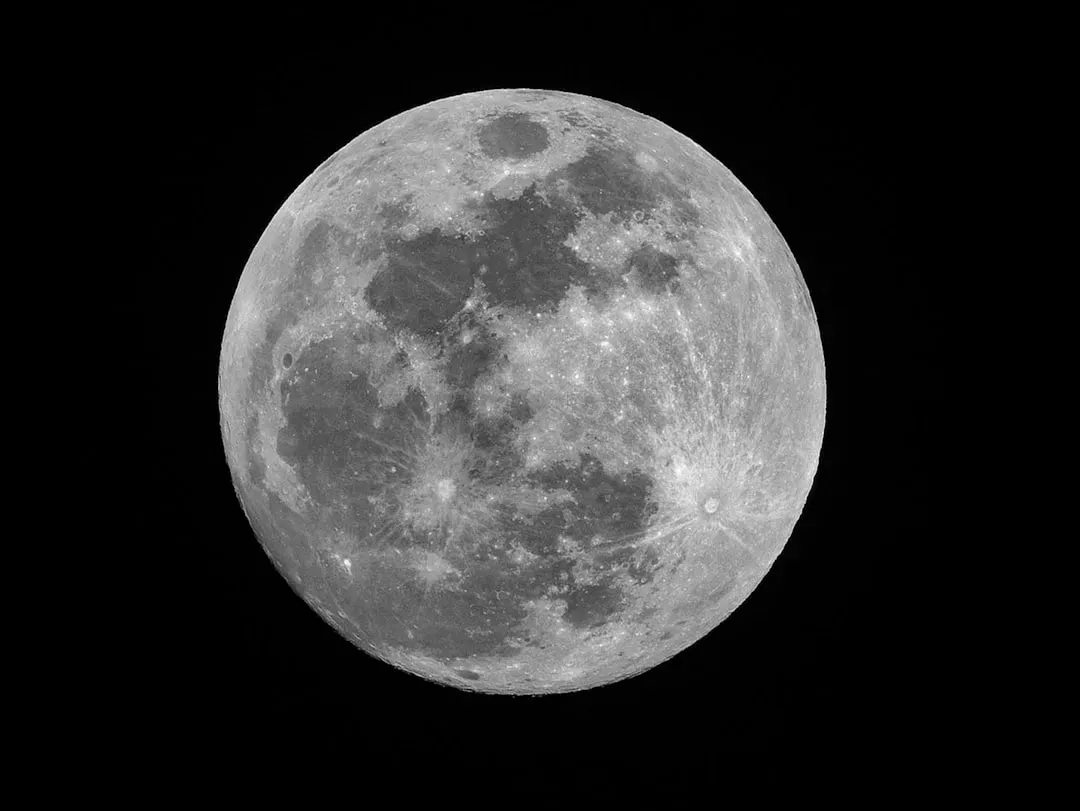
Maybe they’re more restless, barking at shadows, or just seem on edge. It’s a common belief that lunar cycles can influence canine behavior, but what does science actually say about this? Let’s explore ten reasons your dog might act weird during a full moon and uncover the truth behind each one.
Increased Light Levels
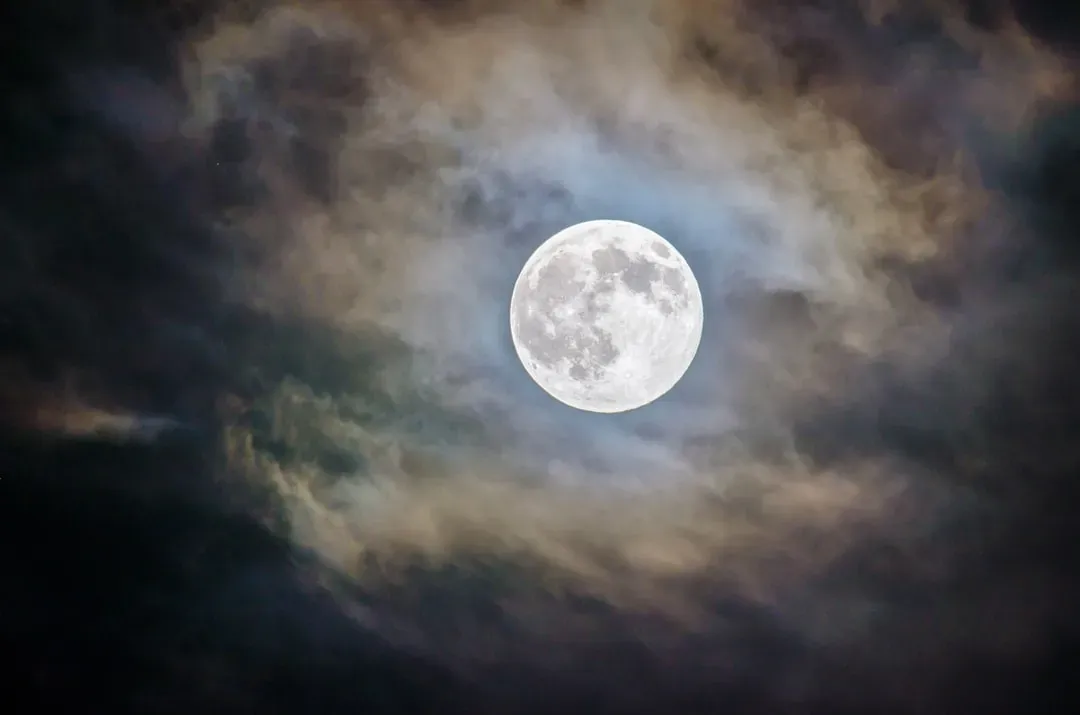
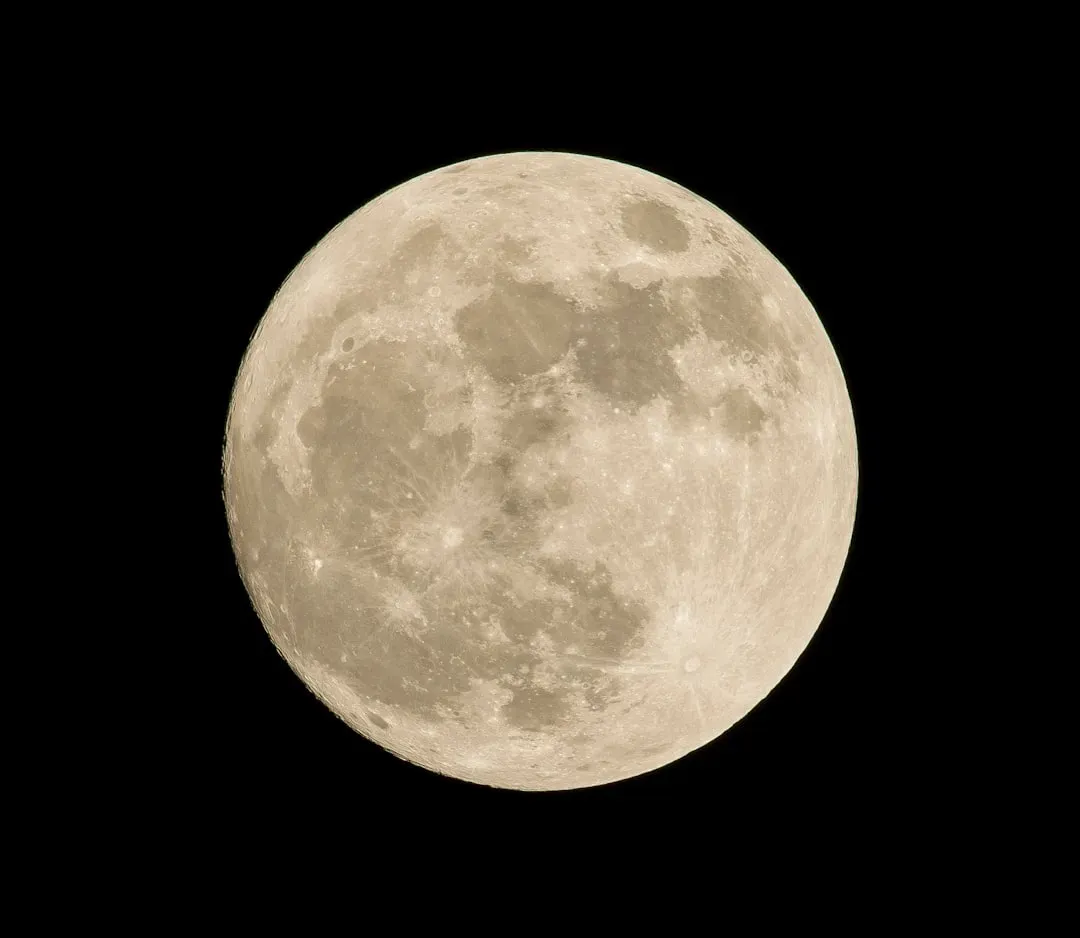
Increased Light Levels (Image Credits: Unsplash)The full moon illuminates the night sky, casting a glow that can disrupt your dog’s usual nocturnal environment. This sudden brightness might make them more alert or restless, as their surroundings appear different from the norm. However, while this change is noticeable, there’s limited scientific evidence linking increased moonlight to significant behavioral changes in dogs.
Altered Nocturnal Activity
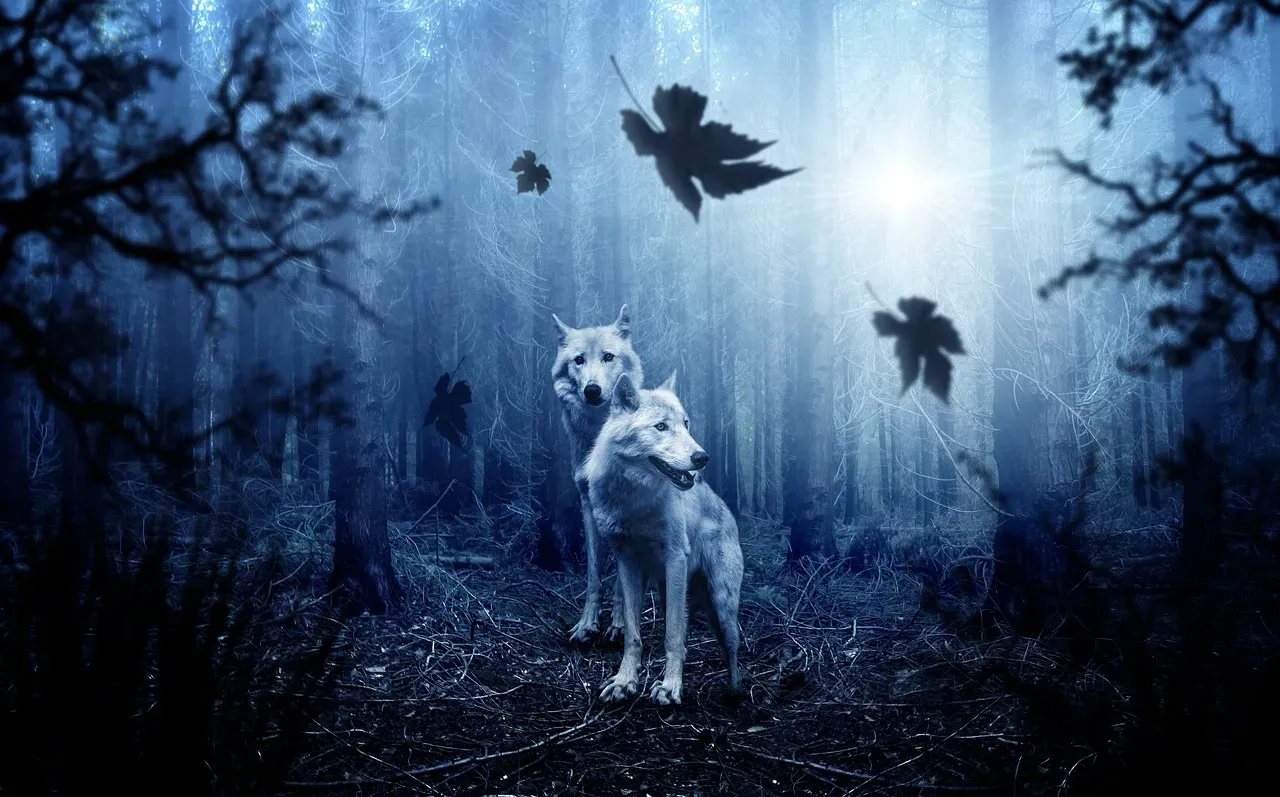
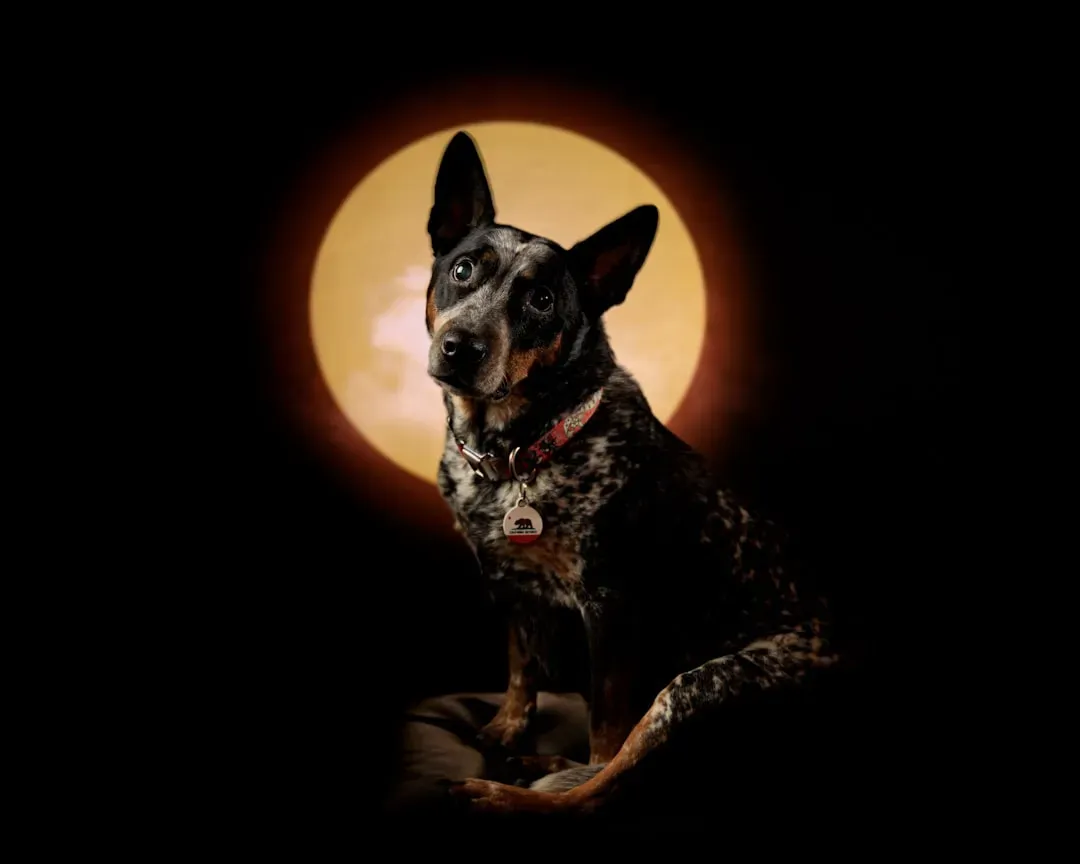
Altered Nocturnal Activity (Image Credits: Pixabay)Some animals adjust their activity levels based on moon phases. For instance, a study on maned wolves found they traveled less during full moons, possibly due to changes in prey behavior. While this suggests a lunar influence on certain species, similar studies on domestic dogs are scarce, making it unclear if they exhibit comparable patterns.
Human Behavior Changes
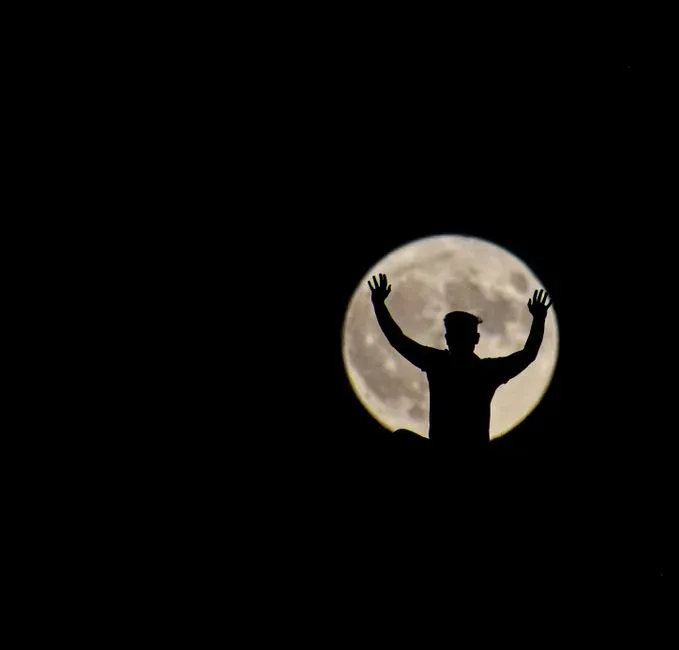
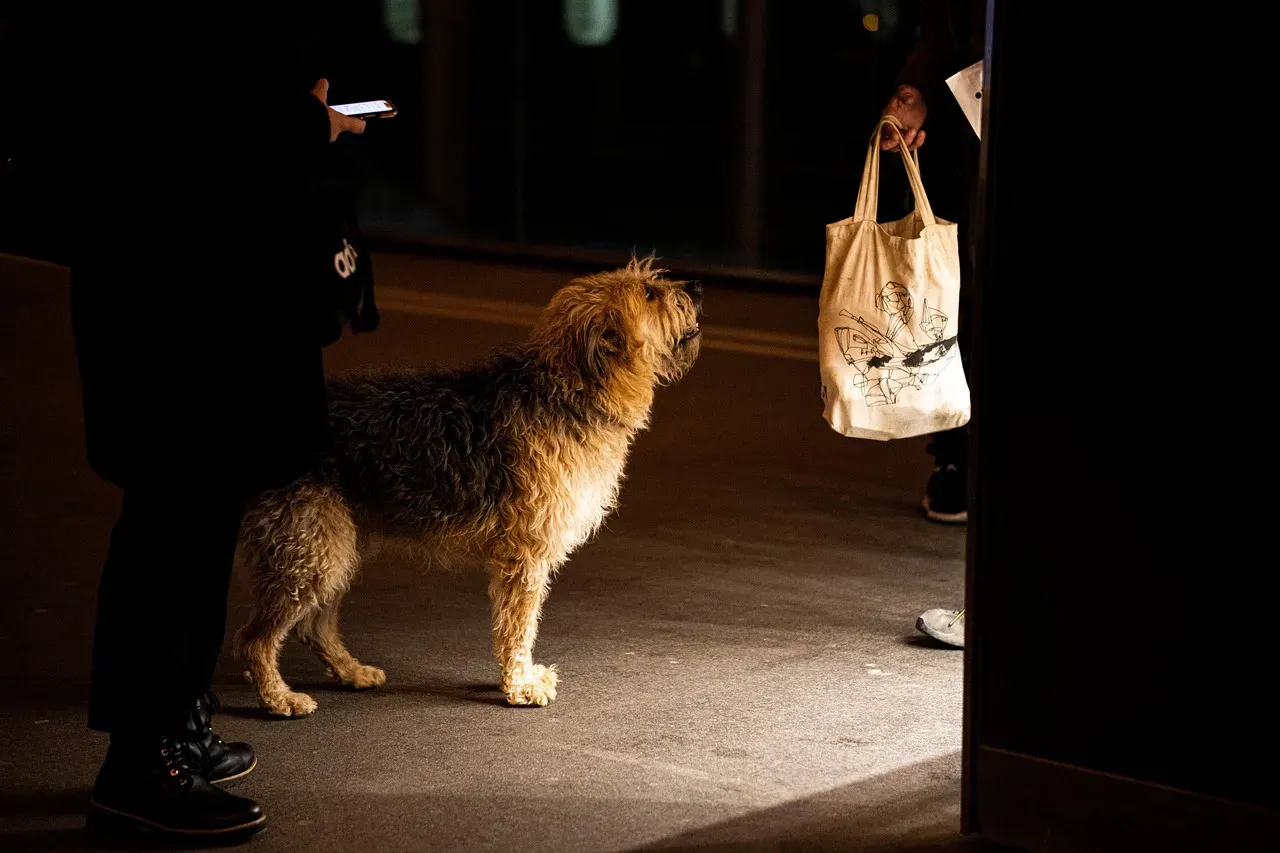
Human Behavior Changes (Image Credits: Pexels)Humans often alter their routines during full moons, engaging in nighttime activities or staying out later. Dogs, being attuned to their owners’ behaviors, might pick up on these changes, leading to increased excitement or anxiety. This indirect effect could explain some of the perceived behavioral shifts in dogs during lunar events.
Myth and Folklore Influence
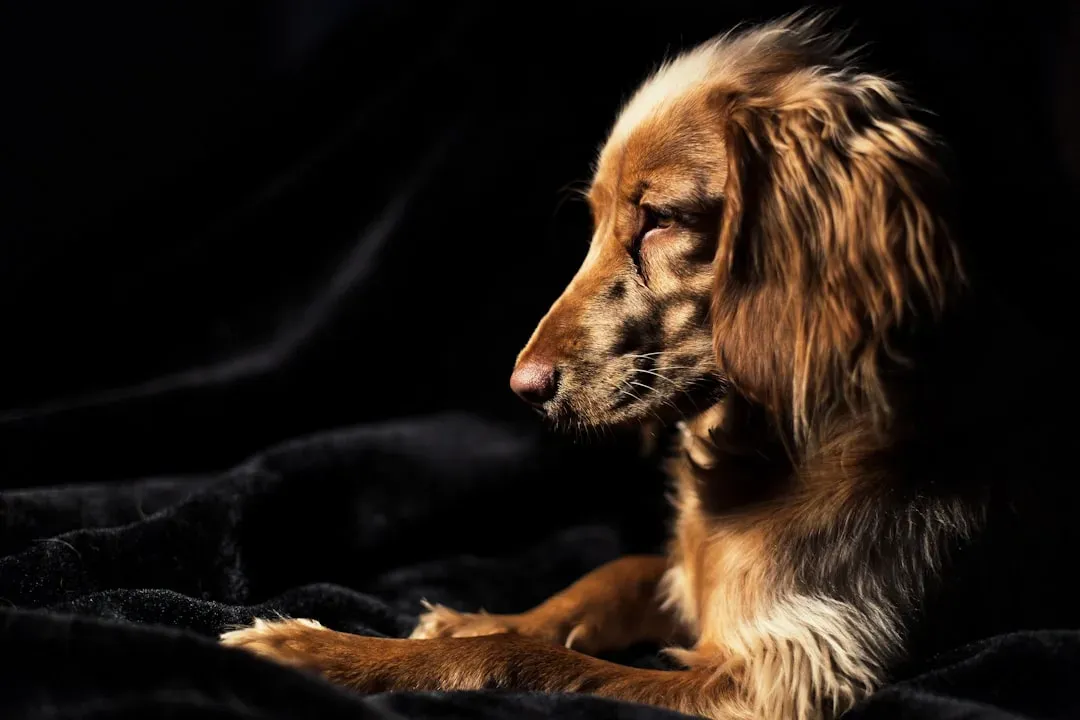
Myth and Folklore Influence (Image Credits: Unsplash)The idea that full moons affect behavior is deeply rooted in folklore. Terms like “lunacy” stem from ancient beliefs linking the moon to madness. This cultural backdrop might lead owners to perceive or even expect unusual behaviors in their pets during full moons, reinforcing the myth without concrete evidence.
Increased Outdoor Activity
Increased Outdoor Activity (Image Credits: Pixabay)Brighter nights might encourage more outdoor activities, exposing dogs to unfamiliar stimuli. This increased exposure can lead to heightened alertness or anxiety. However, attributing this solely to the moon’s phase overlooks other factors like weather or human activity patterns.
Disrupted Sleep Patterns
Disrupted Sleep Patterns (Image Credits: Unsplash)Just as humans can experience sleep disturbances during full moons, dogs might also have altered sleep patterns due to the increased light. This disruption can lead to irritability or hyperactivity. Yet, scientific studies specifically examining this in dogs are lacking, making it a speculative connection.
Heightened Sensory Perception
Heightened Sensory Perception (Image Credits: Unsplash)Dogs have keen senses, and the full moon’s brightness might make them more aware of nocturnal wildlife activity. This heightened perception can lead to increased barking or restlessness. While plausible, direct studies confirming this link in domestic dogs are minimal.
Owner Expectations and Bias
Owner Expectations and Bias (Image Credits: Unsplash)Owners anticipating behavioral changes during full moons might unconsciously reinforce or misinterpret their dog’s actions. This expectation bias can create a self-fulfilling prophecy, where normal behaviors are viewed as unusual simply because of the lunar phase.
Environmental Factors
Environmental Factors (Image Credits: Pixabay)Full moons often coincide with clear skies and specific weather patterns. These environmental changes can influence both human and animal behavior. Attributing a dog’s behavior solely to the moon without considering these factors provides an incomplete picture.
Scientific Studies and Findings
Scientific Studies and Findings (Image Credits: Pixabay)Research on the moon’s effect on behavior has yielded mixed results. Some studies suggest no significant correlation between lunar phases and incidents like dog bites, while others indicate slight increases. Overall, the scientific consensus leans towards minimal to no direct impact of the full moon on canine behavior.In conclusion, while it’s tempting to link your dog’s odd behaviors to the full moon, current scientific evidence doesn’t strongly support this connection. Many factors, including environmental changes, human behavior, and owner perceptions, play more substantial roles. So, next time your pup acts a bit strange under the moonlight, consider the broader context before blaming lunar forces. After all, isn’t it more likely that our furry friends are just responding to the world around them in their unique ways?