
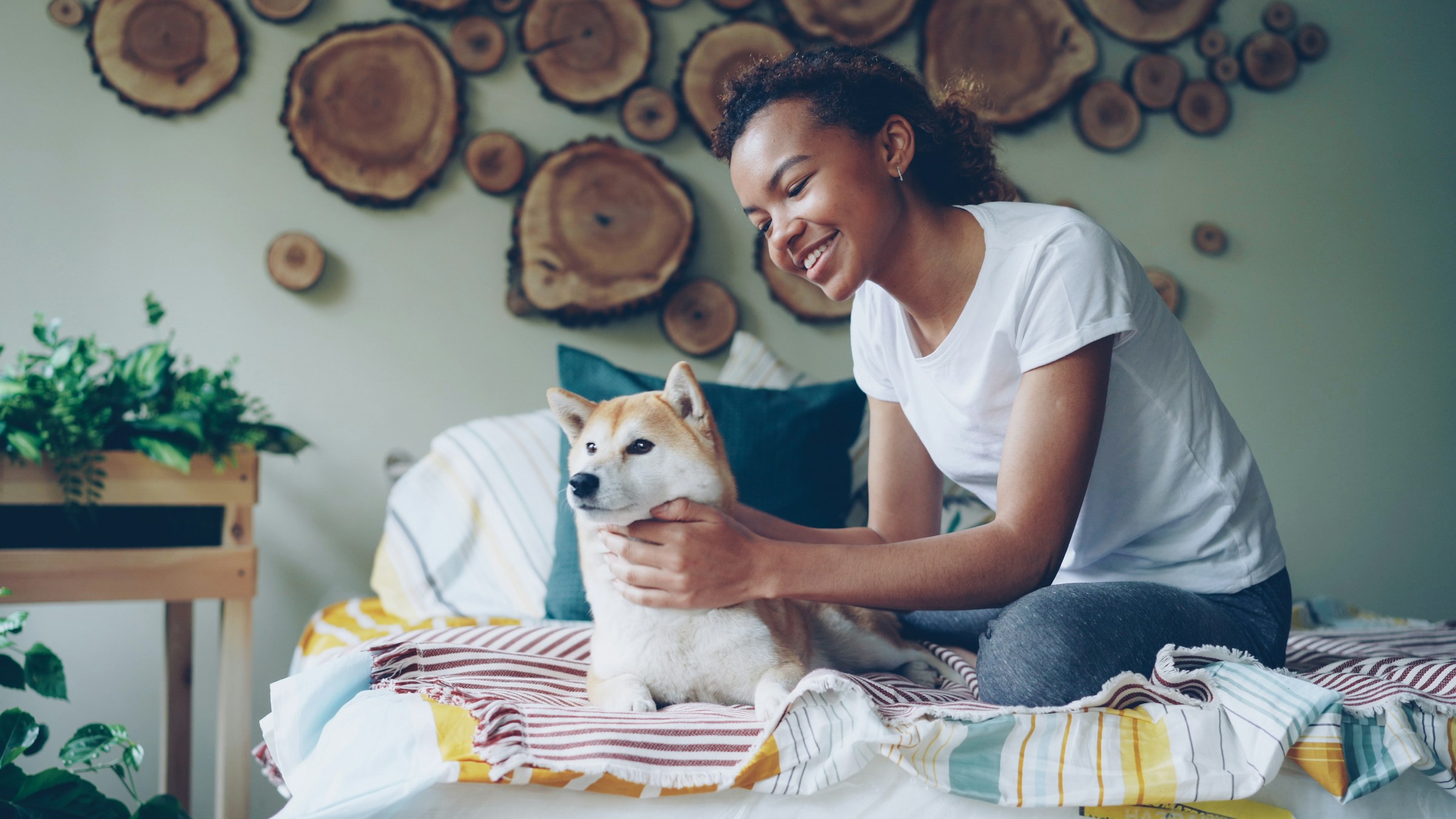
Scan adoption sites or Instagram and you’ll see the same thing over and over: small, fluffy, or couch-loving dogs being labeled as “perfect apartment companions.” It feels logical. Tiny dog equals tiny problems, right? I used to think that too, until I ended up sharing a cramped one-bedroom with a dog who could out-bark a smoke alarm and had more energy than my entire friend group combined.
This is where a lot of people get blindsided. Some breeds look made for city living because they are small, quiet in photos, or constantly shown curled up on a sofa. In real life, many of them are anxious, intense, sensitive, or bursting with energy that doesn’t magically vanish just because your place is under 800 square feet. Let’s walk through 12 breeds that often look like a dream for small-space life but can actually be pretty challenging if you are not prepared.
Cavalier King Charles Spaniel

The Cavalier has “apartment dog” written all over its face: big soulful eyes, feathered ears, and a reputation for being gentle and affectionate. People picture a Cavalier snoozing on their lap while they binge a series, and that does happen, but there is another side to this breed that can make small spaces tricky. Cavaliers are deeply people-oriented and can become very distressed when left alone for long stretches, which in an apartment can translate into heartbreaking crying and persistent barking your neighbors won’t appreciate.
They also have a surprising need for daily mental and physical engagement, plus a strong chasing instinct for birds and squirrels that makes calm city walks more intense than many expect. On top of that, this breed is prone to several serious health issues, and frequent vet visits or medical management can be emotionally and financially heavy when your whole life is already squeezed into a tiny place. A Cavalier can absolutely thrive in an apartment, but only if you are home a lot, take separation anxiety seriously, and commit to regular outings and training instead of assuming “lap dog” equals effortless.
French Bulldog

French Bulldogs are basically the mascot of urban living right now: compact body, big bat ears, and endless photos of them lounging on chic sofas. Their relatively low exercise needs make people think they are ideal for tiny apartments, but the reality can be more complicated. Many Frenchies struggle with breathing issues, heat intolerance, and skin problems, which means your small, stuffy space can become uncomfortable fast unless you manage temperature, air quality, and activity very carefully.
On top of their health concerns, Frenchies can be stubborn, noisy snorers, and surprisingly vocal when frustrated or bored. Thin apartment walls make every snort, snore, and protest whine feel amplified. Training a Frenchie in tight quarters, especially potty training with elevators or stairs in the mix, can be frustrating for both dog and human. If you want a French Bulldog in an apartment, you need to think less about aesthetics and more about constant climate control, vet bills, and a lot of patient, positive training.
Jack Russell Terrier

Jack Russell Terriers are small enough to tuck under your arm and look like they’d barely take up any space on the couch. But this is a high-octane working terrier in a fun-size body, and that mismatch between appearance and reality causes chaos in apartments all the time. A bored Jack Russell can turn a studio into a demolition zone, shredding toys, chewing furniture, and bouncing off the walls because their brain and body are screaming for a job to do.
They also come with a powerful prey drive and a strong independent streak, which means off-leash dog parks and busy sidewalks can be stressful rather than relaxing. In small spaces, their tendency to bark at sounds in the hallway, passing dogs, or even mysterious noises upstairs can quickly become a neighbor issue. With a dedicated owner who loves training, tricks, agility, and puzzle games, a Jack Russell can adapt to apartment life, but if you are low-energy or often out, this breed will likely feel trapped and frustrated.
Shiba Inu
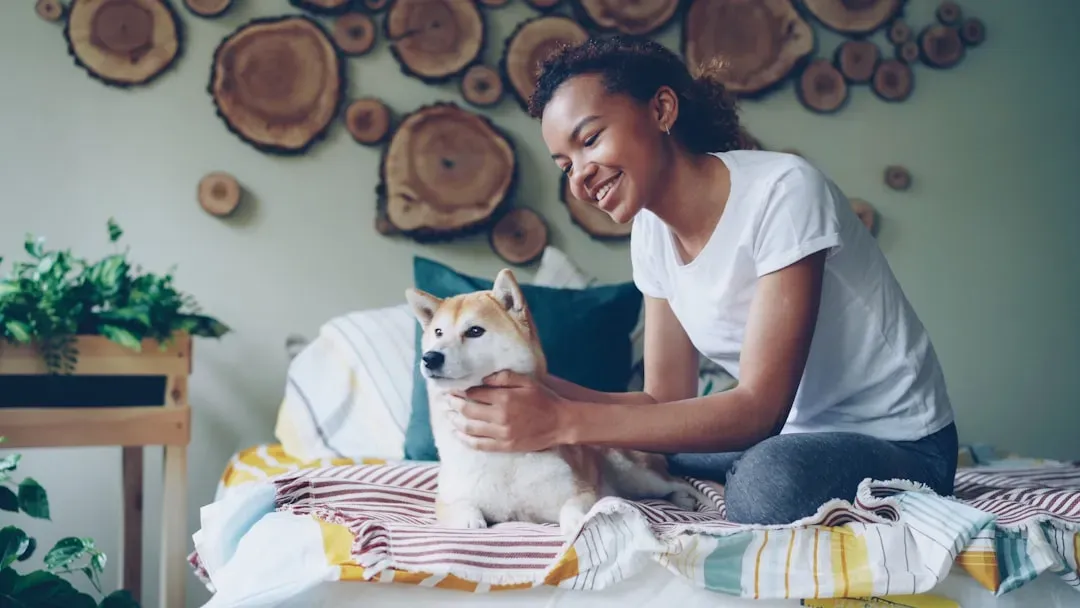
Shiba Inus look like minimalist, low-maintenance foxes you could happily keep in a small, quiet apartment. They are clean, often cat-like, and can be relatively calm indoors, which sounds perfect at first. The complication is that Shibas are famously independent, sensitive, and not always eager to please, which can make everyday apartment situations – like passing dogs in tight hallways or tolerating strange neighbors – more tense than you might expect.
They are also escape artists and can be surprisingly vocal in a very specific way when unhappy or startled, often described as a piercing scream that absolutely does not blend into background noise. In an apartment building, one intense outburst can feel like an alarm going off. Their strong prey drive and love of freedom mean you need rock-solid management around doors, balconies, and off-leash areas. Shibas can do well in small spaces with experienced, patient owners who respect their boundaries and invest heavily in socialization and training, but they are not the easygoing, plug-and-play city dog they often appear to be online.
Dalmatian

Dalmatians are medium-sized, but their sleek build and short coat often trick people into thinking they are easier to manage in close quarters than fluffier large breeds. Under that spotted exterior is a dog developed to run for long distances beside horses and carriages, which means a very high energy level and strong stamina. In a small apartment with limited time outside, that energy can boil over into pacing, restlessness, and destructive behavior that feels overwhelming.
Dalmatians are also intelligent and sometimes sensitive, which can create friction in a noisy, crowded building where strange sounds and frequent disruptions are part of daily life. Without enough structure and outlets like running, training, or dog sports, they can become pushy, mouthy, or reactive toward other dogs in narrow hallways and elevators. The romantic image of a Dalmatian lounging at your feet in a tiny city loft is not impossible, but it usually comes after a huge amount of physical exercise and mental stimulation that many apartment lifestyles simply do not offer.
Border Collie
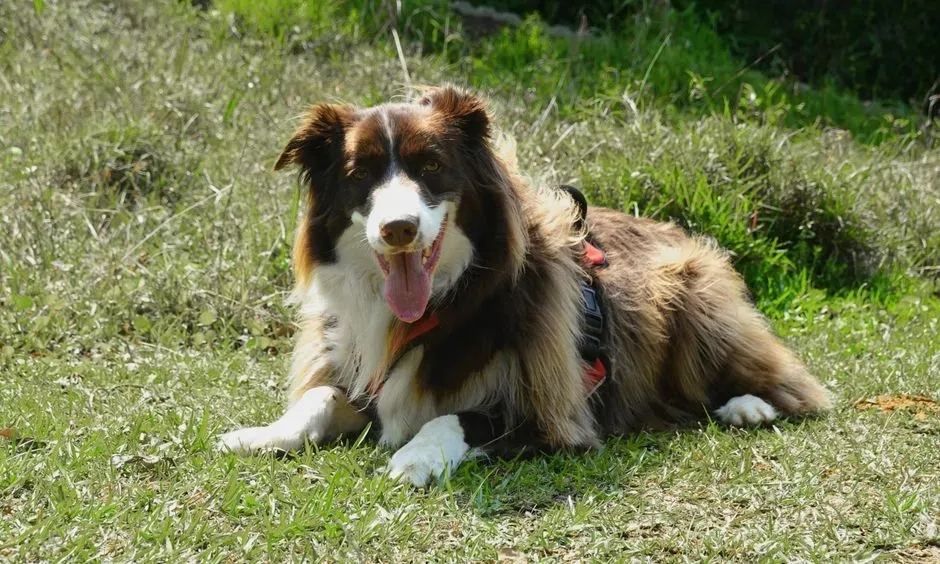
People sometimes see a Border Collie resting calmly at a café or curled up under a desk and assume they are just naturally chill, compact companions. The truth is that Border Collies are among the most work-driven, intelligent dogs in the world, bred to make independent decisions and manage livestock all day. In a small apartment, that level of mental horsepower can feel like living with a genius toddler who never outgrows the need for stimulation.
If they do not get serious daily exercise and brain work, Border Collies often start herding everything that moves – kids, other pets, even your ankles in the kitchen – and can become anxious, obsessive, or reactive. Constant pacing, spinning, or fixating on shadows or sounds can be really hard to watch in a tight space. They can adapt to apartments with owners who are genuinely passionate about training, sports, and active outdoor time, but for a laid-back or busy city dweller, a Border Collie in a small home is more likely to feel like a pressure cooker than a peaceful roommate.
Australian Shepherd (and Mini American Shepherd)

Standard Aussies and their smaller cousins, Mini American Shepherds, are often marketed as “mini herders” perfect for smaller homes. The compact size can be misleading though, because their drive, energy, and need for purpose have not shrunk nearly as much as their height. Many of them want hours of activity, structured training, and real jobs, and when they don’t get that in an apartment, they can turn to barking at every hallway sound or patrolling window views like it’s their full-time career.
These breeds are also emotionally intense and often very attached to their people, which can turn separation or even closed doors into a big deal. In a small space, their constant movement, nudging, and need for interaction can feel overwhelming, especially if you work from home and actually need to focus. Aussies can succeed in apartments when owners provide a lifestyle packed with hikes, obedience work, and mental games, but buying one mainly because it looks cute and “mini” in photos is a fast path to frustration for both dog and human.
Chihuahua

Chihuahuas may be the number one dog people assume is made for apartments purely due to size. You could fit ten of them on a sofa, so one should be a breeze, right? Yet many Chihuahuas are bold, reactive, and easily stressed in environments with lots of strange people, dogs, and noises, which is exactly what dense apartment living offers. That reactivity often shows up as near-constant barking or snapping when they feel cornered, and tiny hallways or elevators can intensify that feeling.
They are also more fragile than their big-dog attitudes suggest. Hard floors, stairs, jumping from furniture, and tight spaces where people might step or trip over them can all create risks in a crowded small home. Because of their size, people often under-train them, which makes fear-based barking and biting more likely. A well-bred, well-socialized Chihuahua with thoughtful handling can be a wonderful small-space companion, but treating them like a cute accessory rather than a real dog is exactly what makes apartment life with them so difficult.
Dachshund

Dachshunds look like ideal apartment dogs: small, adorable, happy to hang out on the couch with their long bodies draped across your legs. The catch is that they are still hunting hounds at their core, bred to go underground after prey, and that strong instinct shows up as digging, barking, and intense focus on sounds and smells. In an apartment, that can mean nonstop barking at footsteps above you or scratching at carpets and rugs as if something is hiding under your floors.
Their unique body shape also makes stairs, jumping, and slick flooring risky for their backs, which can be a big issue in multi-level apartments or buildings with lots of steps. Trying to limit movement to protect their spine while also meeting their need for enrichment can be a real balancing act in a tight home. House training can take time and patience, and accidents are much more noticeable in close quarters. Dachshunds can be fantastic apartment buddies if you accept that you’re living with a stubborn little hunter and plan for structured exercise, protection from injury, and plenty of noise management.
Siberian Husky
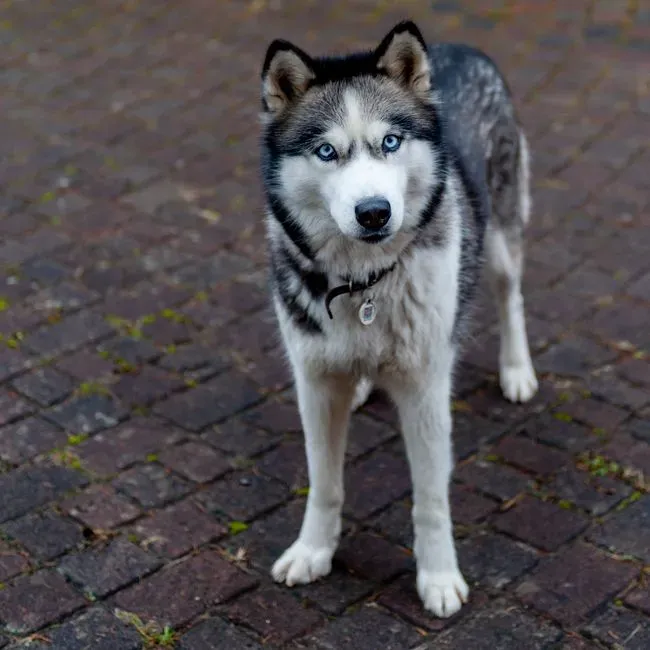
The idea of a majestic husky lounging under big city windows is incredibly romantic, and the breed’s friendly nature makes it seem like a nice fit for urban life. But huskies were bred to run long distances in harsh conditions, and that drive does not care how cute your studio looks. In small apartments without serious daily exercise, huskies often become destructive, anxious, and unbelievably loud, with howling that carries through walls like a siren.
They are also expert escape artists, skilled at slipping collars, breaking out of crates, and bolting through doors, which is daunting when your front door opens directly into a busy hallway or street. Shedding from a husky in a tiny home is another level of chaos, with hair drifting into every corner and onto every surface. Without a very active lifestyle and robust training, having a husky in a small space feels less like owning a pet and more like trying to contain a wild force of nature in a box.
Pug

Pugs have an irresistible, comical look and are often shown happily dozing on cushions, which sells the image of a calm, low-maintenance apartment dog. While many pugs are affectionate and relatively low-energy, their flat faces make them prone to breathing issues, snoring, and difficulty with heat. In a small space that gets warm quickly or lacks good ventilation, that can mean constant panting, noisy breathing, and real discomfort for the dog.
They are also quite people-focused and can struggle with boredom and loneliness, which easily turns into attention-seeking barking or clinginess. Because people see them as couch potatoes, they sometimes miss that pugs still need appropriate exercise and mental stimulation, especially to maintain a healthy weight. Extra weight and limited space can worsen breathing and joint issues. A pug can do well in an apartment if you are willing to manage climate carefully, keep them lean and active, and tolerate the round-the-clock snorts and snores echoing through your tiny home.
Beagle

Beagles have a friendly expression and a size that seems just right for apartments, not too big and not too small. But beneath that sweet face is a determined scent hound with a powerful nose and an even more powerful voice. In a building where smells and sounds travel – cooking from neighbors, pets passing by, people in stairwells – a beagle may find an endless stream of “interesting alerts” to bay and bark at, which can quickly clash with thin walls and tired neighbors.
They also tend to follow their nose more than your instructions, which can make leash walks complicated and off-leash time risky. In a small space without enough structured sniffing games, outdoor exploration, and training, beagles can become frustrated, vocal, and prone to counter-surfing and scavenging in every corner of the apartment. They truly shine when their scenting instincts are given healthy outlets, but getting that right takes more time and creativity than many new apartment owners realize when they fall in love with that classic tricolor face.
Final Thoughts: The Real “Apartment Dog” Is About Lifestyle, Not Size
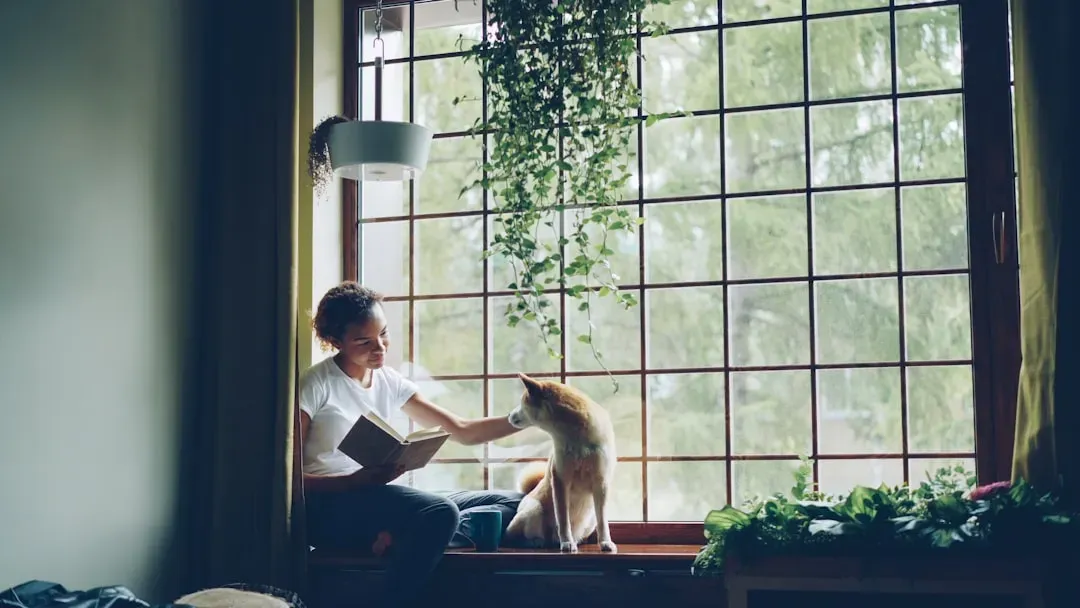
The hardest truth in all of this is that no breed, no matter how small or photogenic, is automatically a good apartment dog. What really matters is whether your daily life, energy level, and willingness to train line up with what that dog was originally bred to do. I learned this the messy way, pacing tiny hallways at midnight with an overstimulated dog and realizing it wasn’t that he was a bad fit for an apartment, it was that I had chosen him for the wrong reasons.
If you love one of the breeds on this list, you absolutely can make it work in a small space – but only if you go in with clear eyes, a realistic plan for exercise and mental enrichment, and a high tolerance for noise and compromise. The cozy, quiet apartment-dog fantasy is possible, but it rarely comes straight out of the box with a cute breed; it is built day by day with training, patience, and honesty about what you can truly give. When you picture your future dog on your couch, the better question to ask yourself is not how small they are, but how big a place they will take up in your time, energy, and life – knowing that answer, what would you choose now?


