
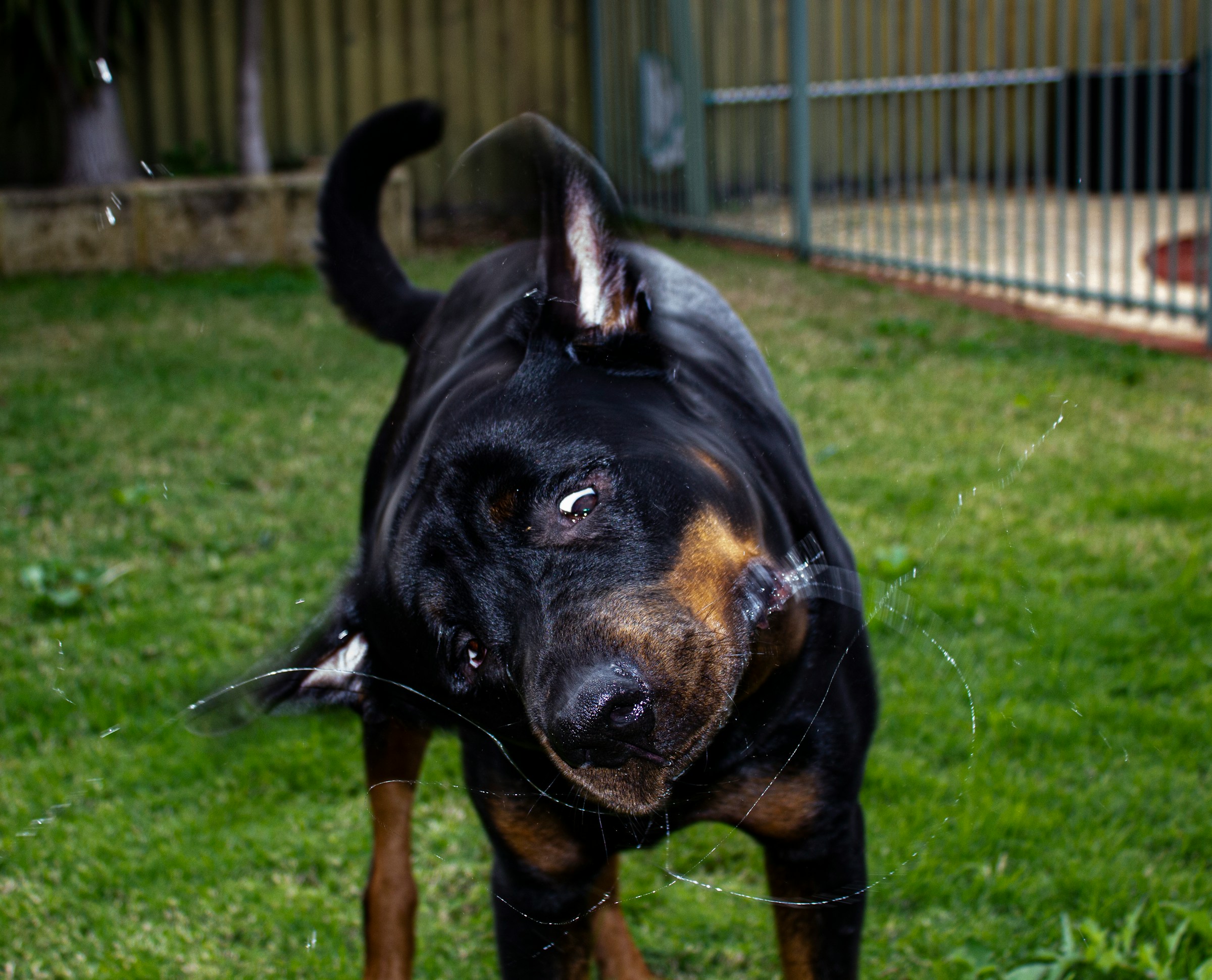
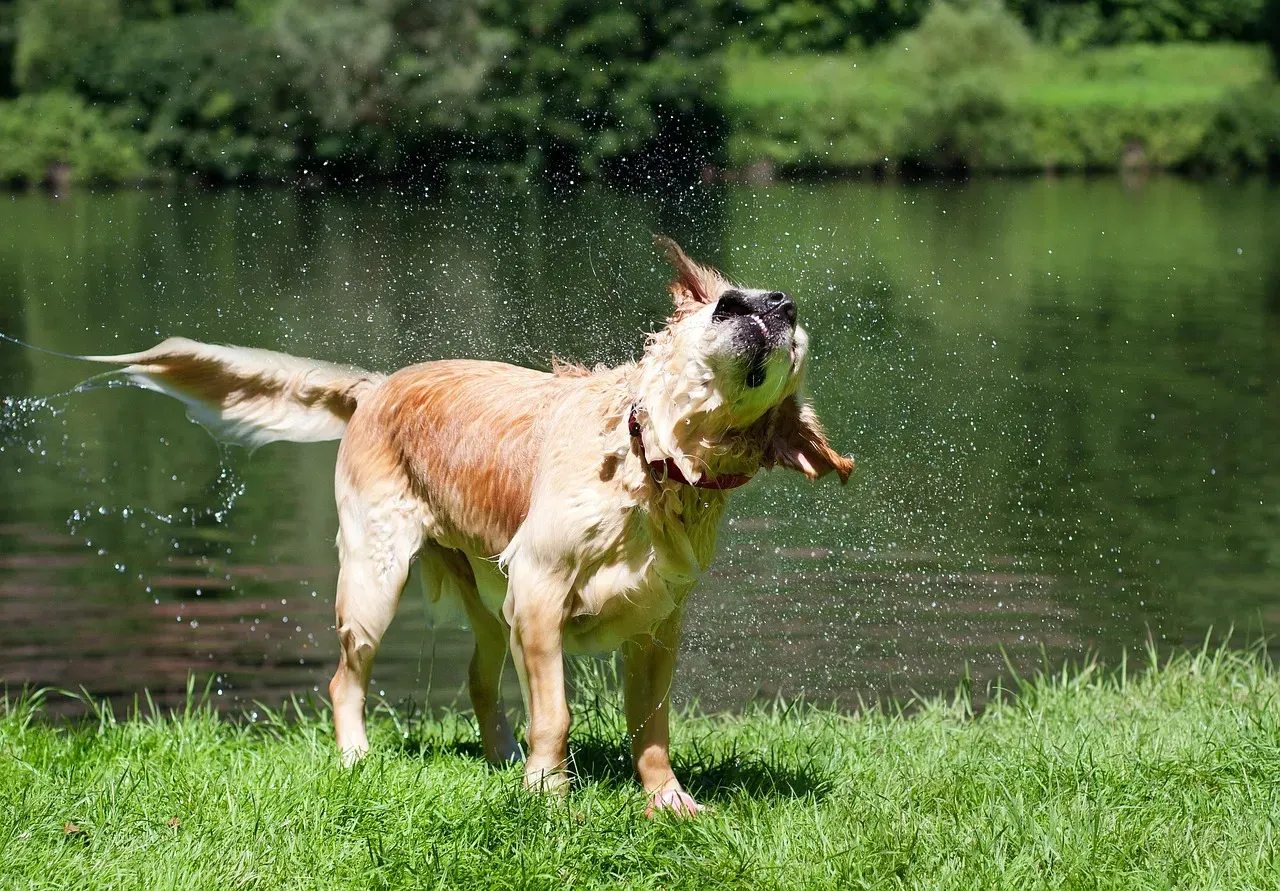
You know that full‑body dog shake that usually sends water flying across your walls? It turns out your dog doesn’t need to be wet to do it, and when it happens right after meeting someone, it might be saying a lot more than you think. Many owners shrug it off as a funny quirk, but behaviorists increasingly see it as a subtle emotional “status update” from your dog in real time.
Once you notice this pattern, you can’t unsee it: your dog greets a stranger, stiffens for a moment, maybe accepts a pat, then steps away and does a big, dramatic shake from nose to tail. No water, no mud, no reason to dry off. That shake can be a tiny window into how that interaction felt for your dog – relief, tension, or even social overwhelm shaking right out of their fur.
That “Dry Shake” Is Often an Emotional Reset, Not a Random Twitch
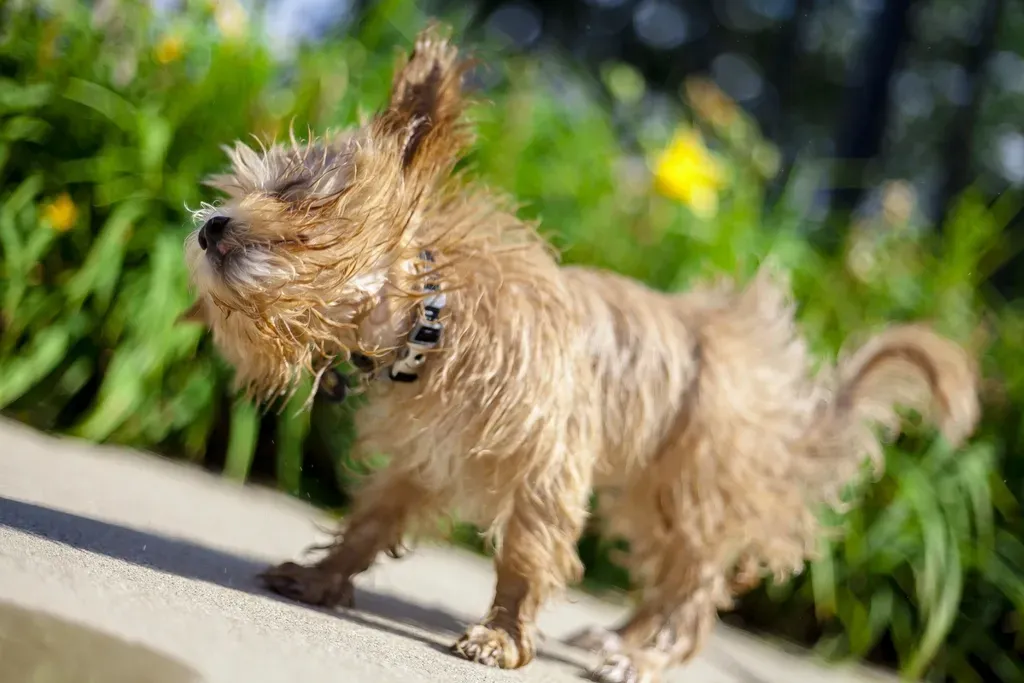
One of the most surprising things for many people is realizing their dog’s shake is not always about moisture; it can be about mood. In dog behavior, that sudden all‑over shake is widely viewed as a reset button, a way for the nervous system to discharge built‑up tension after something mildly stressful, intense, or confusing. Think of how you might exhale loudly after an awkward conversation – your dog just does the full‑body version.
I first really noticed this with my own dog at a busy café patio. He greeted a crowd of well‑meaning strangers, tolerated the enthusiastic petting, then walked a few steps away and shook as if he’d just crawled out of a lake. No water in sight; just a dog clearing emotional static. When that shake happens right after a social encounter, it’s often less about “I’m wet” and more about “I need a second to reset from that.”
Timing Is Everything: Right After the Greeting, It Often Means “That Was A Lot”
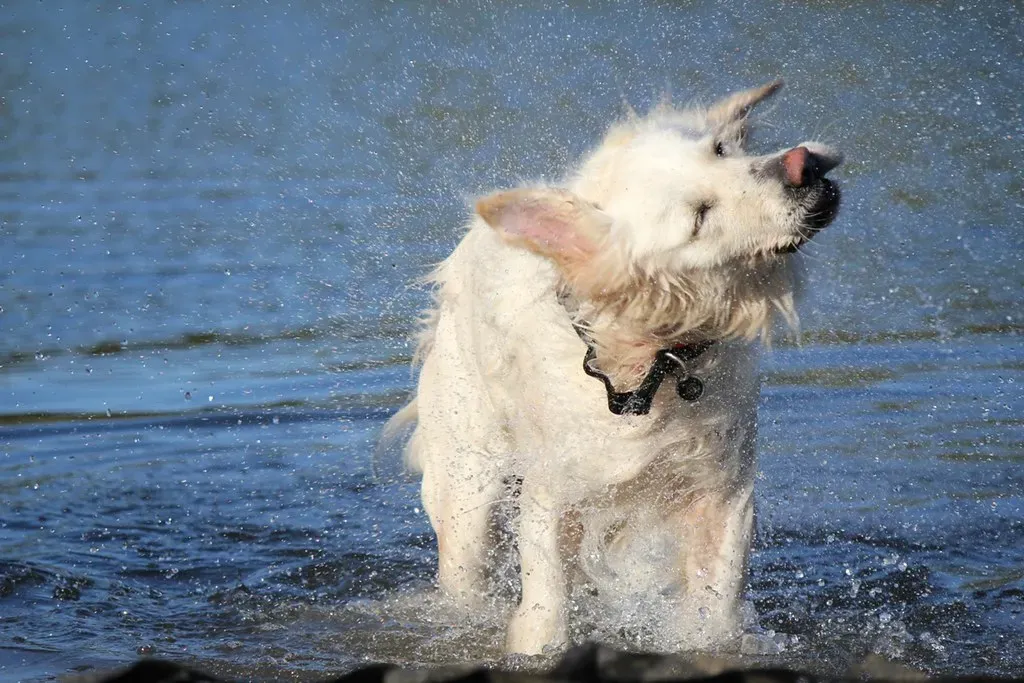
When a dog shakes immediately after someone steps back or turns away, the timing itself is an important clue. Behaviorists often interpret this kind of “post‑event” shake as a sign the dog experienced the moment as a bit too intense – maybe not a major trauma, but something that ramped them up. The encounter could have been overly stimulating, a little uncomfortable, or just socially complicated for that individual dog.
It is similar to how some people shrug their shoulders or roll their neck after walking out of a stressful meeting; the body is trying to come down from a small spike of arousal. Your dog’s shake, placed right at the end of an interaction, is the canine equivalent of saying, “Okay, that’s over, whew.” The more precisely it follows the greeting, the more likely it is about how they felt emotionally rather than some random itch or speck of dirt.
Shakes After Positive Encounters Can Still Signal Relief, Not Rejection
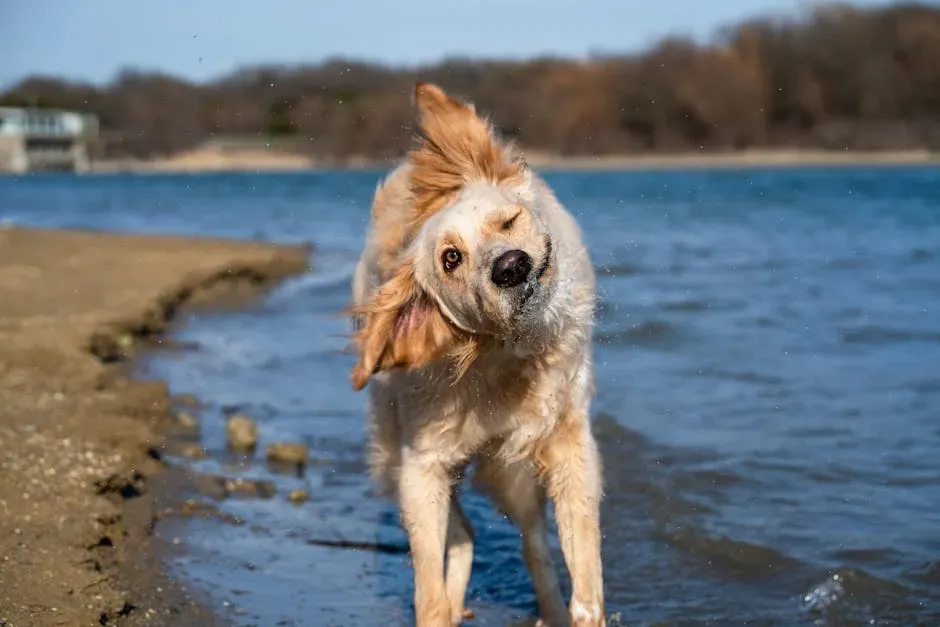
It is important not to over‑dramatize the behavior or assume that every shake means your dog hated the person they just met. Dogs can shake even after encounters that looked happy and friendly on the surface – wagging tails, soft eyes, relaxed body language. In those cases, the shake often reflects a release of excitement or social pressure rather than fear or dislike.
Imagine leaving a fun but crowded party and finally stepping into the quiet night; you might stretch, breathe out, and feel a wave of relief, even though you enjoyed yourself. Dogs are social but still sensitive creatures, and interacting with new people or dogs can be mentally demanding. A post‑greeting shake can simply be their way of saying, “That was fun, but intense – time to decompress for a second.”
When a Shake Follows Stiff Body Language, It Can Hint at Discomfort
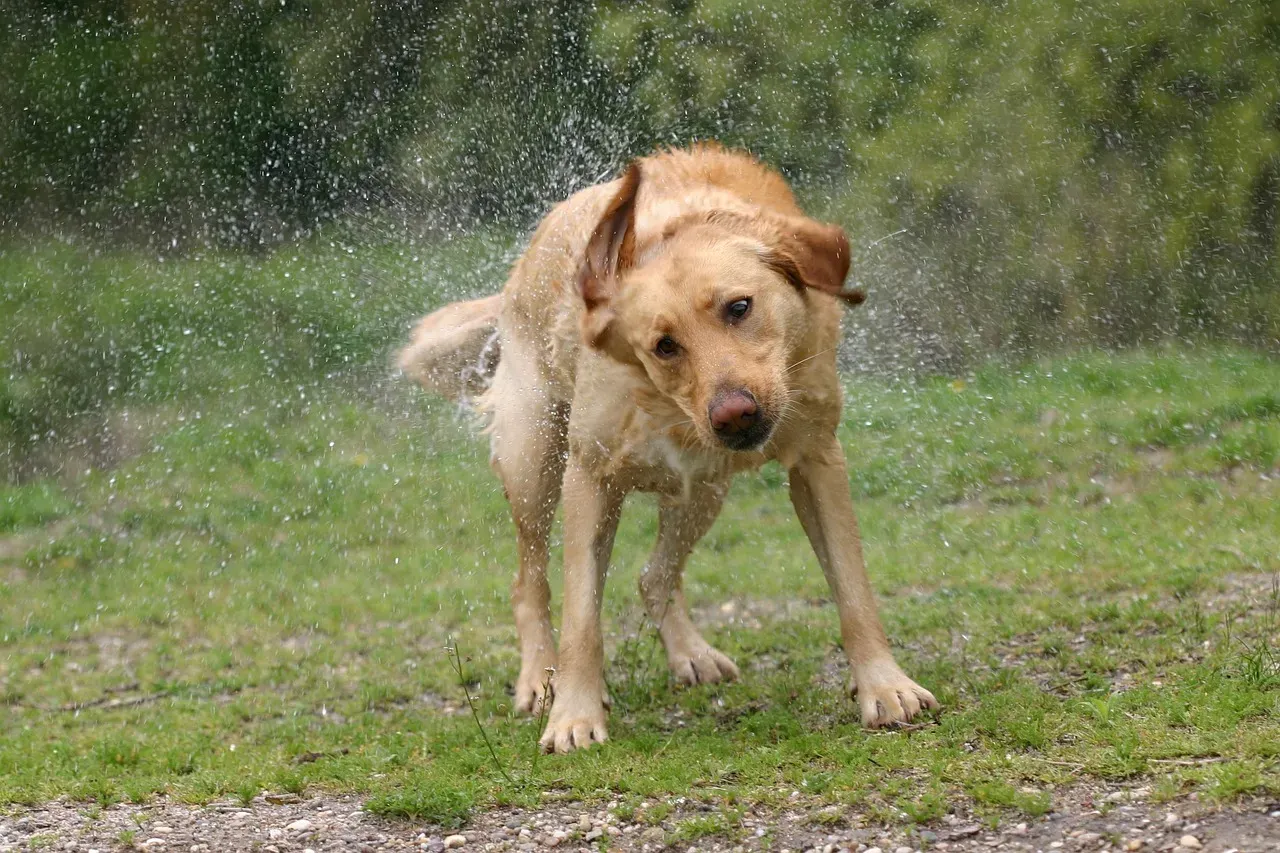
The emotional story gets more serious when that post‑encounter shake is paired with earlier signs of tension. If your dog moved slowly, held their body a little stiff, turned their head away, licked their lips repeatedly, or leaned back instead of forward while being touched, those are common indicators that they were not fully comfortable. Ending that interaction with a shake can be the final clue that the dog felt relief when the contact stopped.
In that context, the shake can be thought of as your dog releasing low‑grade stress rather than just enthusiasm. It does not necessarily mean the person did something terrible, but it suggests the interaction pushed your dog past their comfort zone. That is valuable feedback for any owner who wants to advocate for their dog – if you see that combination of tension signs plus a shake, it is fair to politely limit how much that person continues to handle or crowd your dog.
Shaking After Children, Strangers, or Vets Can Map Your Dog’s “Stress Hotspots”
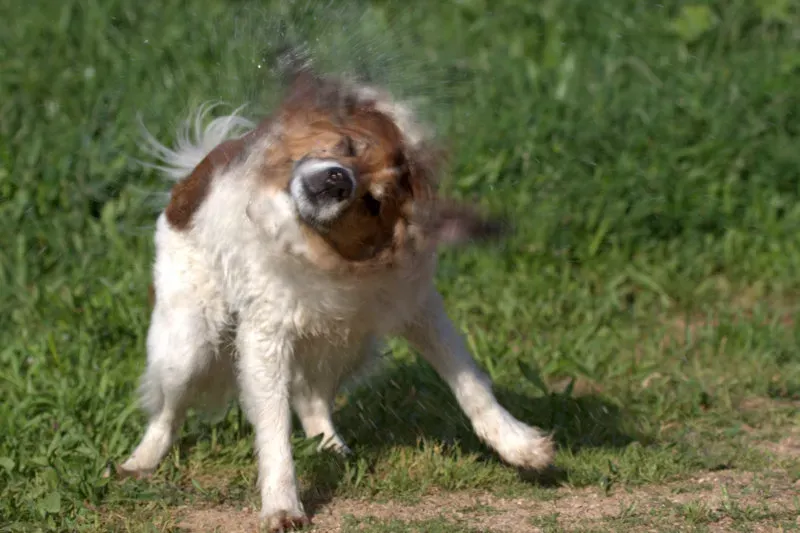
Paying attention to who your dog tends to shake after can reveal patterns in what kind of social situations they find hardest. Some dogs shake mainly after children touch them; others only after strangers loom or bend over them, or after the vet has finished an exam. Over time, those repeated post‑interaction shakes create a sort of emotional map of where your dog feels most socially strained.
That map is incredibly useful, because it shows you where to invest in slow, positive training and where to lower your dog’s exposure. Instead of guessing whether your dog “likes kids” or “is fine with the vet,” you can watch the body language during the interaction and the shake afterward. If the shake keeps appearing in the same contexts, your dog is quietly telling you that those situations are draining, and they could use more support and gentler handling there.
Context Still Matters: Not Every Shake Is Psychological
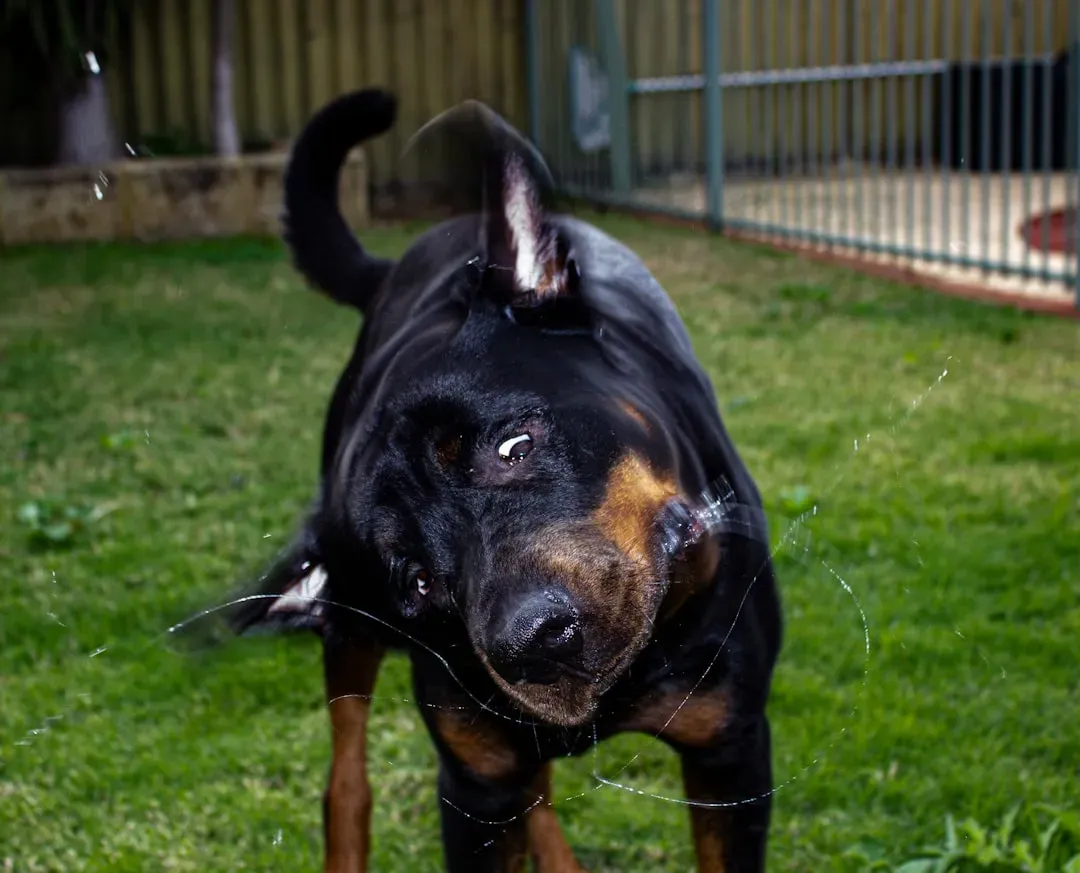
Of course, dogs also shake for very ordinary reasons, and context keeps you honest. A dog who has just come inside from the rain, rolled in grass, or finished a swim is very likely just doing the classic water‑removal shake, even if it happens to coincide roughly with greeting someone. Similarly, brief shakes sprinkled randomly through the day, not tied to any obvious event, can be about a loose hair, a tiny itch, or just habit.
This is why it is so important to connect the dots instead of interpreting each shake in isolation like a secret code. The emotional meaning shows up when the shake reliably follows a particular kind of interaction and is paired with other subtle body language. If you strip away the surroundings and look only at the shake, you risk seeing drama where there is only physics. When in doubt, zoom out: what just happened, how did your dog look during it, and does this pattern repeat?
How To Respond: Respect the Shake, Then Adjust the Social Game Plan
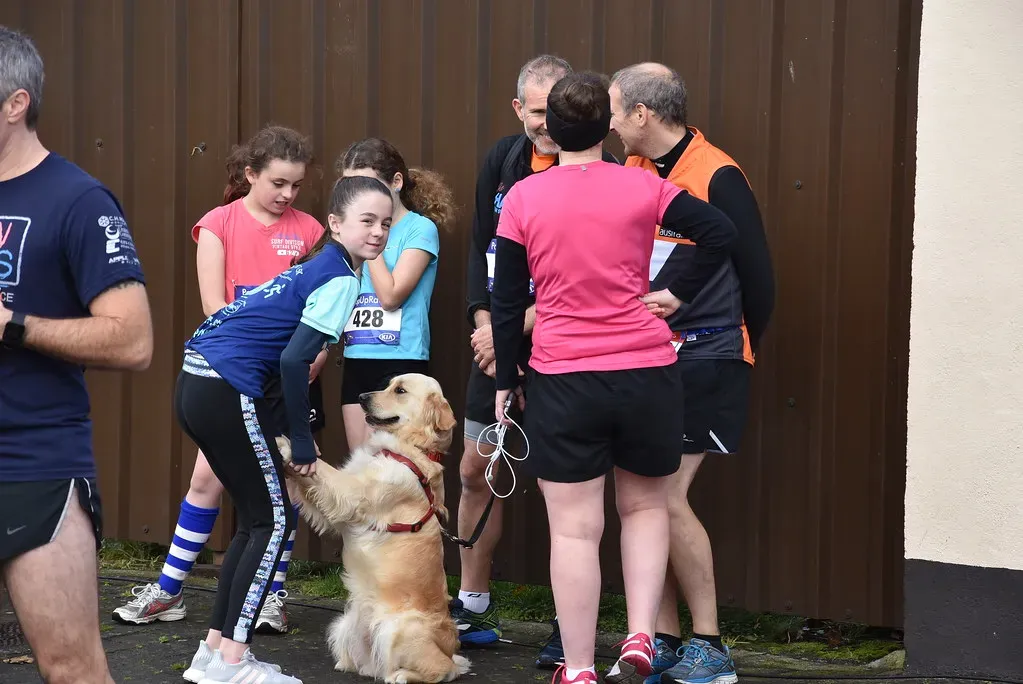
When you notice your dog shaking off after meeting someone, the most respectful first response is to give them a brief pause and some space. Let them sniff the environment, move away, or check back in with you without dragging them back for more contact. That small moment of breathing room tells your dog you are listening to their emotional feedback instead of forcing them to keep pushing through.
Over the longer term, take those post‑encounter shakes as gentle suggestions about how to shape your dog’s social life. Maybe that means teaching people to offer a hand to sniff instead of rushing in with both arms, keeping greetings shorter, or avoiding situations where strangers crowd in from all sides. In my view, a dog’s shake is one of the clearest and kindest ways they communicate that something felt like “a bit much,” and a thoughtful owner takes that seriously rather than dismissing it as a cute quirk.
Conclusion: The Shake Is Small, But What It Says About Your Dog Is Big
Once you start watching for dry shakes after greetings, it changes how you see your dog’s inner world. You realize that this tiny, easily ignored movement can carry a whole emotional paragraph: I was excited, I was nervous, I am glad it is over, I need a second. My opinion is that most people underestimate how socially sensitive their dogs really are, and the shake is one of the clearest reminders that our pets are constantly processing, coping, and recalibrating.
So the next time your dog walks away from a person and does that sudden full‑body shimmy, do not just laugh and move on; treat it as useful data about how that interaction really felt from your dog’s point of view. If we choose to listen to those small signals, we can design a world where dogs are not just obedient, but genuinely comfortable and emotionally heard. After all, if a single shake can tell you your best friend is overwhelmed, relaxed, or relieved, why would you ever want to ignore it?


