

Some dogs wear their hearts on their sleeves. They whine, pace, and glue themselves to your leg, so it is no surprise when they fall apart the second you pick up your keys. But then there are the quieter ones, the dogs that look aloof, tough, or totally unbothered on the surface – and those are often the ones struggling the most when you walk out the door.
This list is about those dogs. The breeds that many people assume are low‑maintenance or independent, when in reality they can be surprisingly sensitive, clingy, and prone to separation distress if their emotional needs are ignored. If you have one of these dogs – or you are thinking about getting one – understanding that hidden soft side can make the difference between a calm, confident companion and a dog who quietly unravels every time you leave.
1. Labrador Retriever
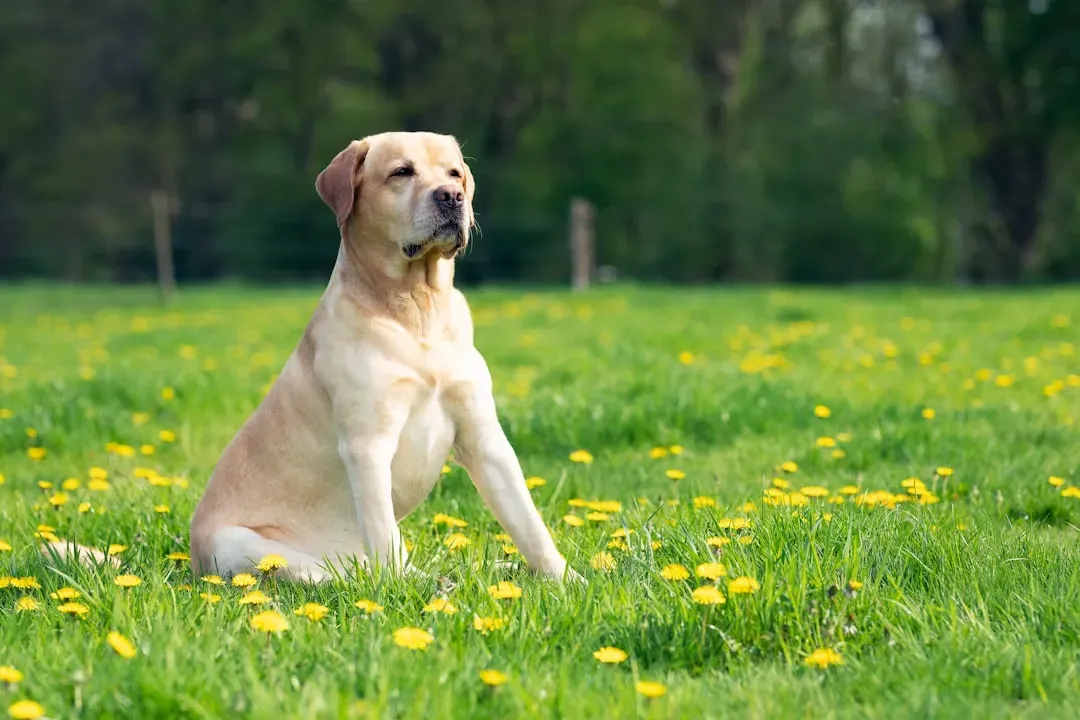
Labradors have that easygoing, friendly vibe that makes people think they will just nap on the couch until you get home. On the surface, they can even look pretty independent, wandering around the house, greeting everyone like a social butterfly. But under that happy-go-lucky exterior is a dog that bonds deeply with its people and often hates being left alone for long stretches.
Because Labs are so common and often labeled as “great family dogs,” their emotional needs can be underestimated. A bored, lonely Labrador is exactly the dog that starts chewing the furniture, raiding the trash, or barking at every sound because they are anxious and under-stimulated, not because they are stubborn or bad. In my experience, many owners do not realize their Lab is stressed; they just see a “naughty” dog and miss that the problem really starts when the front door closes behind them.
2. Golden Retriever
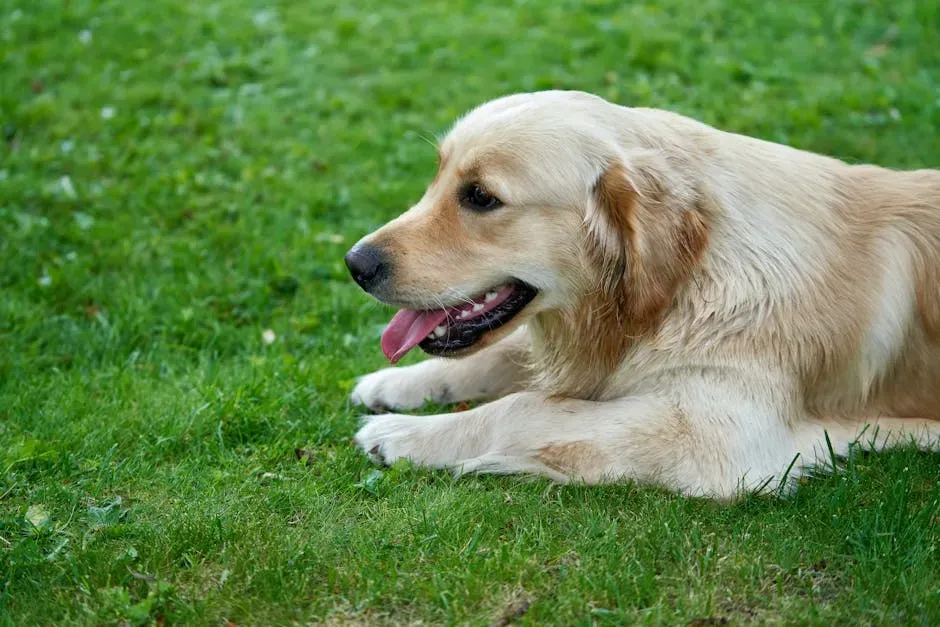
Goldens look like they were designed in a lab for pure happiness: soft eyes, wagging tails, always ready for a cuddle or a game of fetch. That sunny, gentle temperament makes people imagine they can roll with anything, including long days alone. But Golden Retrievers are often emotional sponges, soaking up every bit of your presence and feeling a real crash when that presence suddenly disappears.
Many Goldens will seem fine when you leave – no dramatic howling, no obvious panic – yet they can quietly struggle with low-level separation anxiety that shows up as pacing, restlessness, or constant checking of doors and windows. Because they are so eager to please, they may suffer in silence, and owners only notice when destructive habits or clinginess suddenly appear. Think of a Golden like a friend who always seems cheerful but actually needs regular check-ins and company to truly feel secure.
3. German Shepherd
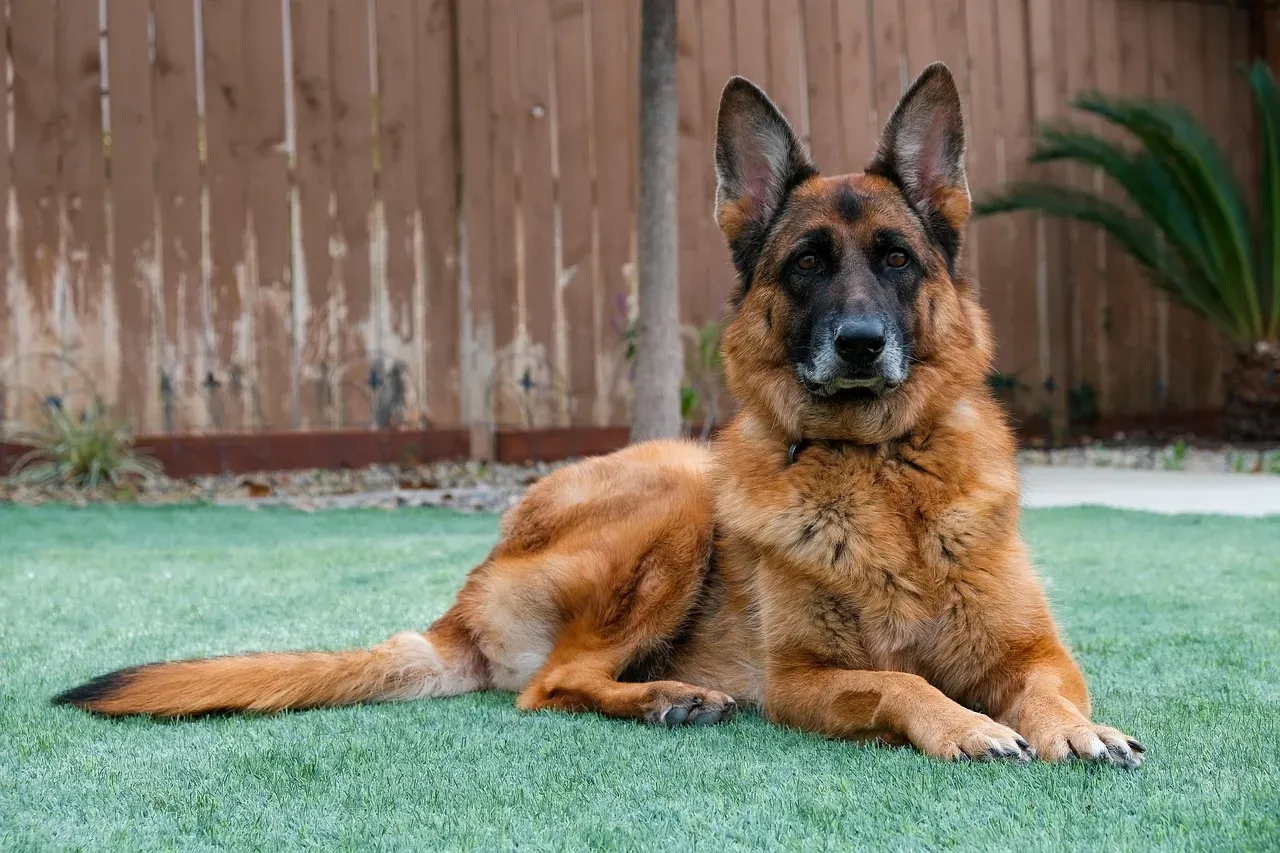
German Shepherds often project a calm, serious, almost stoic confidence. They are the dogs you see working in the military, on police teams, or calmly surveying a yard like guards on duty. That impressive self-control fools a lot of people into thinking they are tough, low-drama, and emotionally independent. In reality, most German Shepherds form intensely strong bonds with their main person and can feel deeply distressed when separated from them.
When a shepherd struggles with alone time, it does not always look like classic panic; it can show as hyper-vigilance, nonstop barking, or obsessive patrolling of windows and doors. They may act like they are “on shift” the whole time you are gone, which is exhausting and stressful. Left unmanaged, this constant worry can turn into destructive behavior or reactivity. A German Shepherd might look like a fortress on the outside, but inside, they can be more like a sensitive guardian who never got the memo that it is okay to relax when you leave.
4. Border Collie
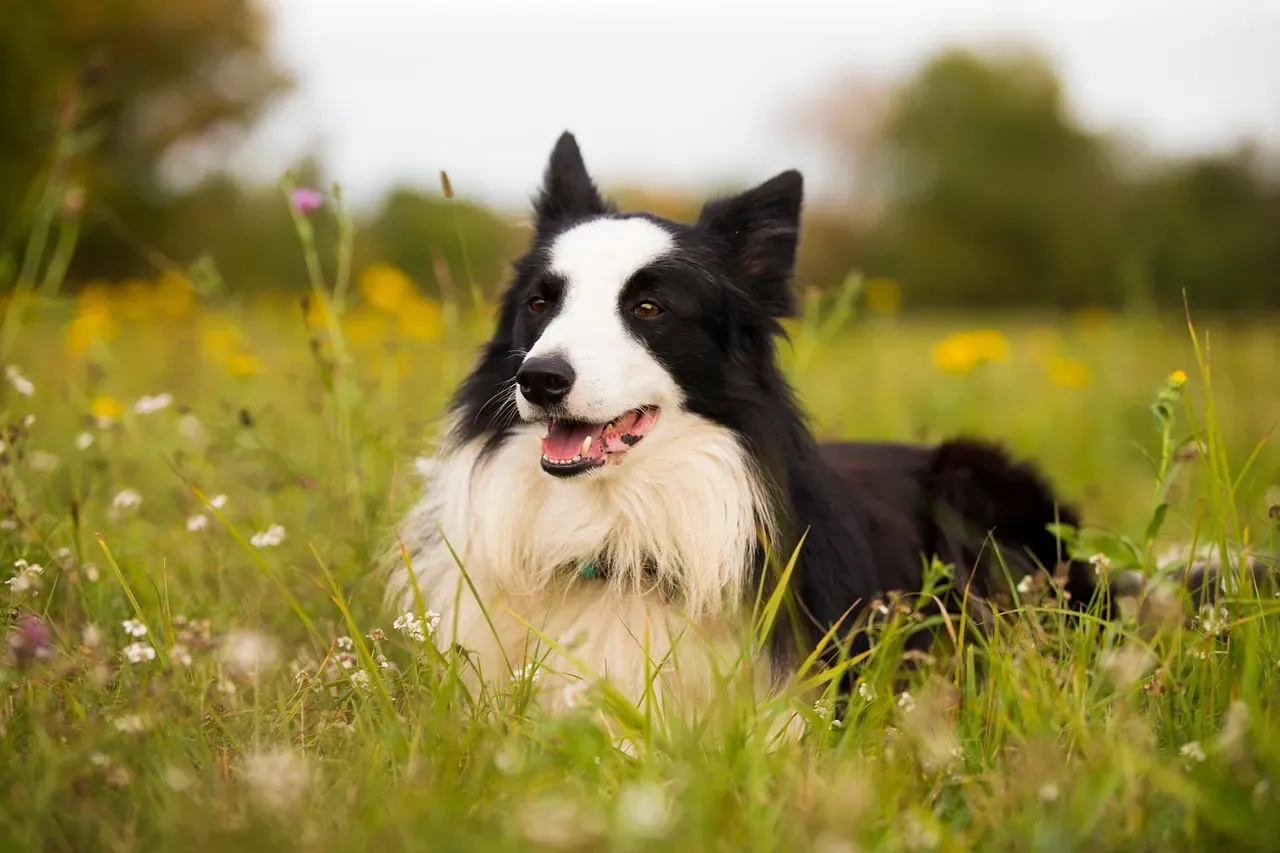
Border Collies are often described as workaholics in fur: smart, focused, capable of incredible independence when managing livestock or agility courses. That combination of brains and work drive makes people assume they will be fine with a puzzle toy and some space. But many Border Collies direct all that mental energy toward their humans, and when those humans vanish for hours, their brains do not just switch off – they spin.
A Border Collie left alone without proper mental and emotional outlets can quickly slide into anxious habits: obsessive licking, pacing, barking at every noise, or fixating on shadows and reflections. They may look outwardly confident and independent during active times, yet emotionally dependent on the structure and presence you provide. It is like living with a brilliant overthinker; if you do not give that mind something constructive and reassuring, it will create its own worries, especially when you walk out the door.
5. Australian Shepherd
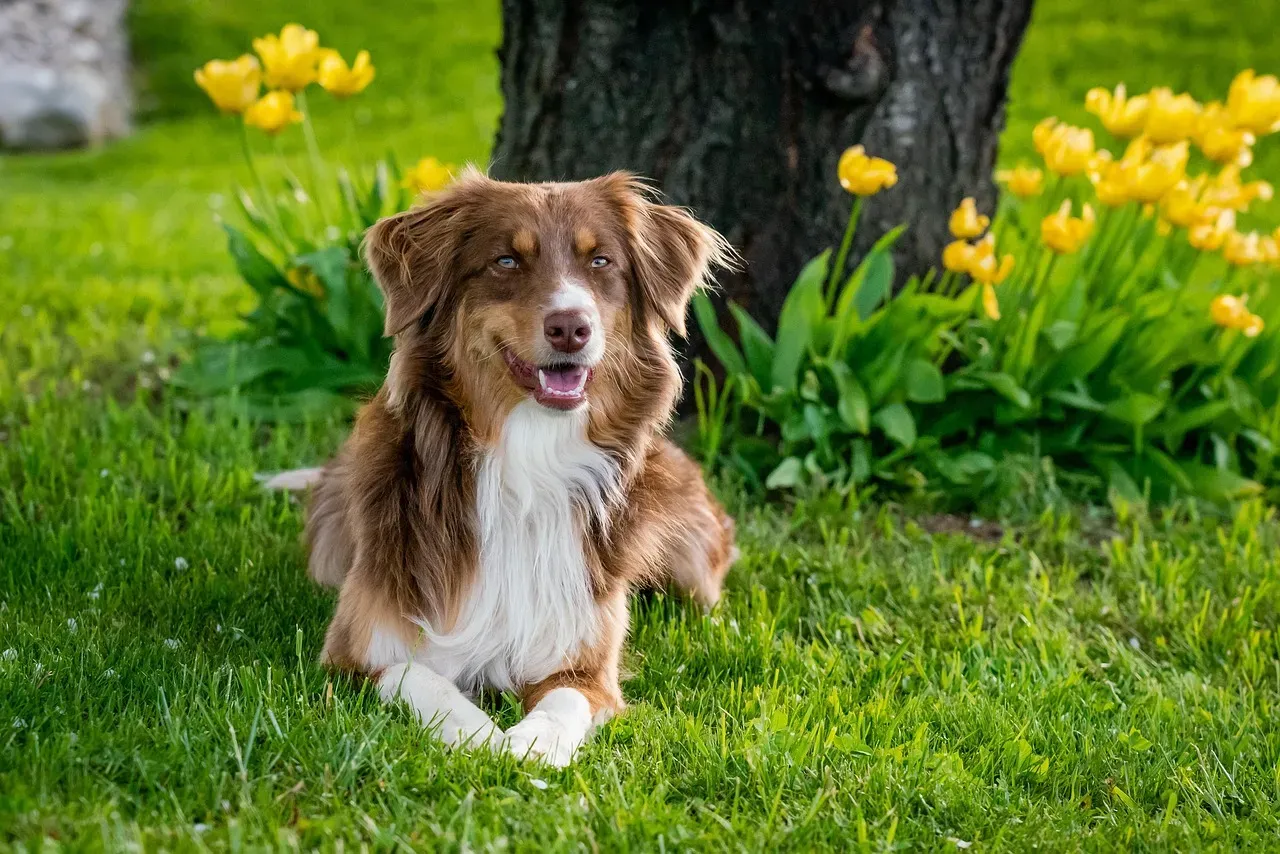
Australian Shepherds give off a cool, capable, slightly mischievous vibe. They trot around like they have everything under control and can seem comfortable exploring or entertaining themselves. Still, under that mask of self-sufficiency is a deeply people-oriented herding dog who often defines their whole world around “their” humans. When you leave, it is not just boredom they feel; it can be a genuine sense that their flock has scattered.
Many Aussies become what people jokingly call “velcro dogs,” always close by, watching, ready to move when you do. This attachment can turn into distress when left alone too often or for too long, leading to barking, escape attempts, or destructive chewing. They may pretend to be independent, but they are more like the friend who insists they are fine alone and then texts you every ten minutes. With Aussies, planning for company, structure, and gradual practice being alone is not optional – it is kindness.
6. Vizsla

Vizslas are often nicknamed “velcro dogs,” but their athletic, sleek look can mislead new owners into thinking they are all about running, hiking, and then peacefully crashing in a crate afterward. In reality, many Vizslas crave near-constant physical closeness with their people, seeking contact on the couch, in bed, even in the bathroom. When that closeness suddenly disappears, their distress can be intense.
These dogs can develop separation issues surprisingly quickly if they are always with their humans and never taught how to be alone in small, safe doses. What might look like simple whining or mild restlessness is sometimes genuine panic bubbling under the surface. If you picture a sensitive, athletic soulmate who never really wants the date to end, that is a Vizsla. They appear tough and independent on a run, but emotionally they are often anything but.
7. French Bulldog

French Bulldogs have a reputation as chill, urban-friendly companions who are happy to snooze away on the sofa. Their stubborn streak and comical, clownish personalities can make them seem quite self-possessed, even a bit aloof at times. It is easy to assume they will just nap while you are gone, unbothered by your absence. Yet many Frenchies form strong attachments and can struggle quietly with separation.
Instead of dramatic destruction, some French Bulldogs show their stress in more subtle ways: clinginess before you leave, refusal to settle, digestive upsets, or constant barking at hallway noises when they are alone in an apartment. Because they are not the classic high-energy working dog, people do not always connect those signs to emotional strain. But under that cool, sometimes stubborn exterior, there is usually a soft-hearted little shadow who likes their person close and can feel lost when they are not.
8. Italian Greyhound

Italian Greyhounds look delicate and refined, and they often carry themselves with a cat-like elegance that comes across as independent. They can spend hours curled up in a sunny spot and may seem low-maintenance compared to more demanding breeds. That graceful stillness, though, hides a surprisingly sensitive, sometimes anxious nature that can be deeply affected by routine changes and time alone.
Many Italian Greyhounds become very attached to their favorite human and may tremble, whine, or shadow you from room to room. When left alone, they can develop anxious habits like indoor accidents, excessive vocalizing, or refusal to eat until you return. Think of them as gentle, porcelain souls in a sleek little body; they can look composed and self-contained, but emotional stability often depends heavily on feeling safe, secure, and not abandoned for long stretches.
9. Poodle (Standard and Miniature)
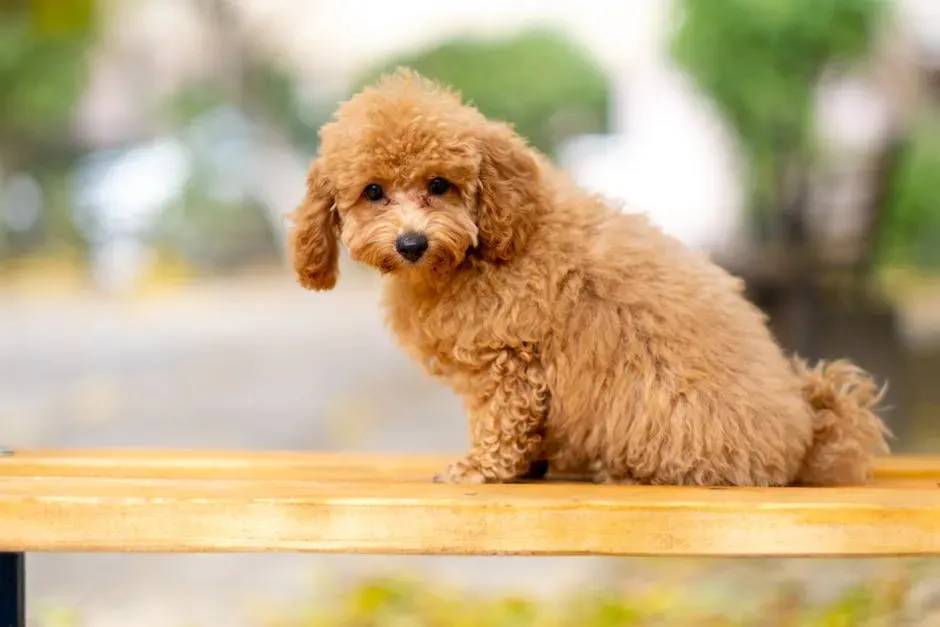
Poodles often appear stylish, confident, and self-contained, especially when people only know them from show rings or neatly groomed photos. They are highly intelligent and can work independently in many settings, which can mislead owners into underestimating their emotional sensitivity. But that same intelligence and sensitivity make many Poodles very attuned to their humans and easily affected by being left alone without preparation.
When a Poodle struggles with separation, you may see nervous pacing, whining, or sudden “out of character” behaviors like chewing or digging in the house. Because they are so quick to learn patterns, they also quickly learn your leaving routine and may become anxious even at early cues, like picking up shoes or grabbing your bag. In everyday life, they can look like cool, collected overachievers, but under that polished image is often a heart that bruises a little easier than people expect.
10. Dachshund

Dachshunds carry themselves with a bold, sometimes bossy attitude that makes them seem fearless and independent. They were bred to hunt underground, which sounds like the ultimate solo mission, so it is easy to imagine they will be fine holding down the fort alone. In reality, many Dachshunds are deeply bonded to their people and can become highly vocal and anxious when left, even for moderately short periods.
Their separation distress often shows up as nonstop barking, howling, scratching at doors, or determined attempts to escape crates or barriers. Some people misread this as stubbornness or a “bad attitude,” but at its core, it is often insecurity and fear of being left behind. Living with a Dachshund can feel like living with a tiny, long-bodied drama artist who acts like they run the house – but the moment you walk out, their bravado can evaporate, leaving a very worried little soul behind.
Conclusion: Tough Shells, Soft Hearts
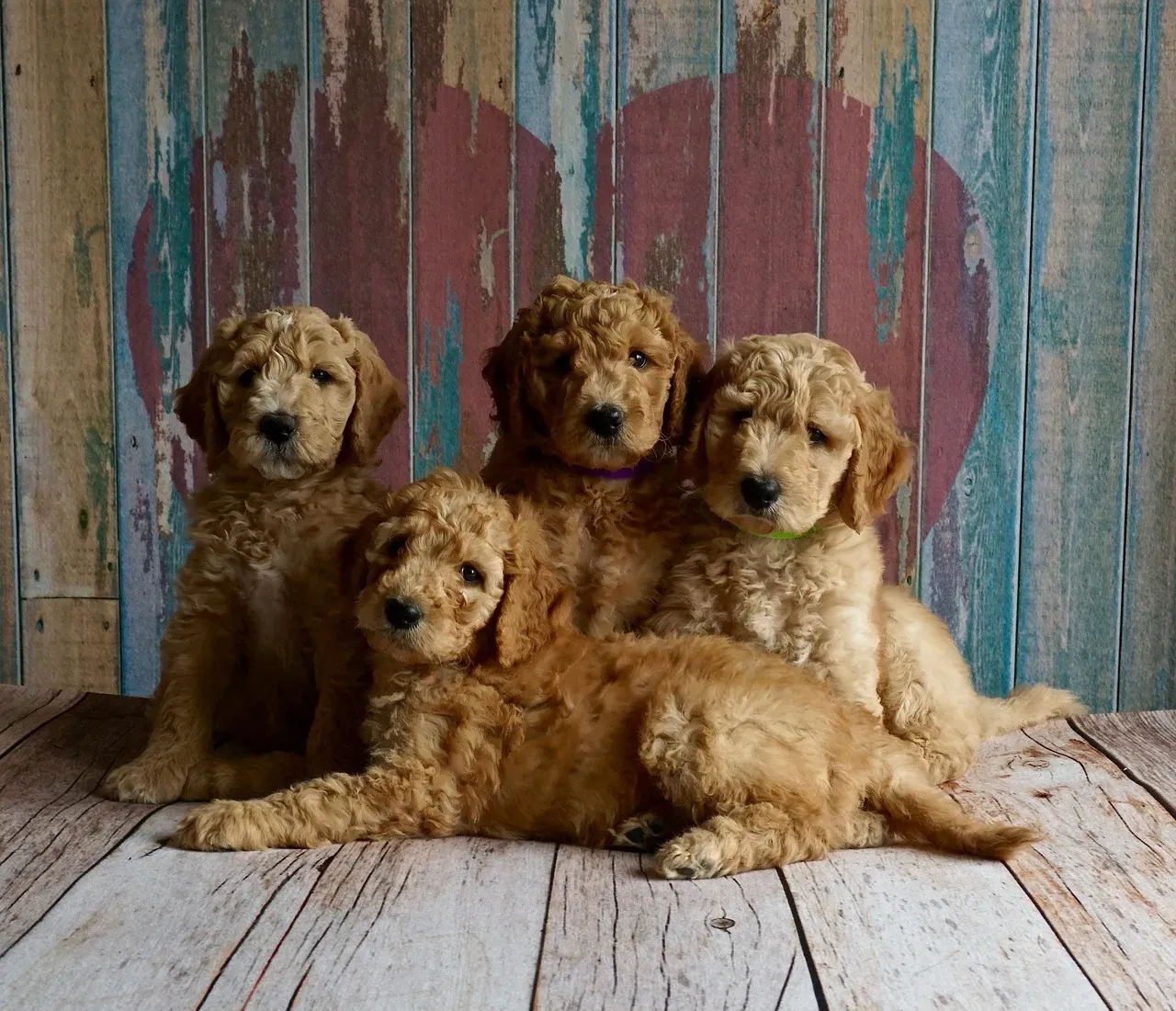
If there is one theme running through all these breeds, it is this: appearances lie. A dog that looks composed, athletic, or even a bit aloof can still have the emotional needs of a sensitive, clingy companion. In my view, separation issues are rarely about a dog being spoiled or stubborn; they are about a social animal trying to cope in a very human world where people disappear for hours every day and the rules are not always clear.
We do dogs a huge kindness when we stop assuming and start observing. If a supposedly “independent” breed seems more relaxed when given gentle alone-time training, consistent routines, and maybe even a dog walker or daycare on long days, that is not weakness – that is honesty about who they really are. Behind the cool mask, many of these breeds are just soft hearts in sturdy packaging. The real question is not whether your dog should be fine alone, but whether you are willing to meet the emotional dog that actually lives in front of you, rather than the myth you expected.


