
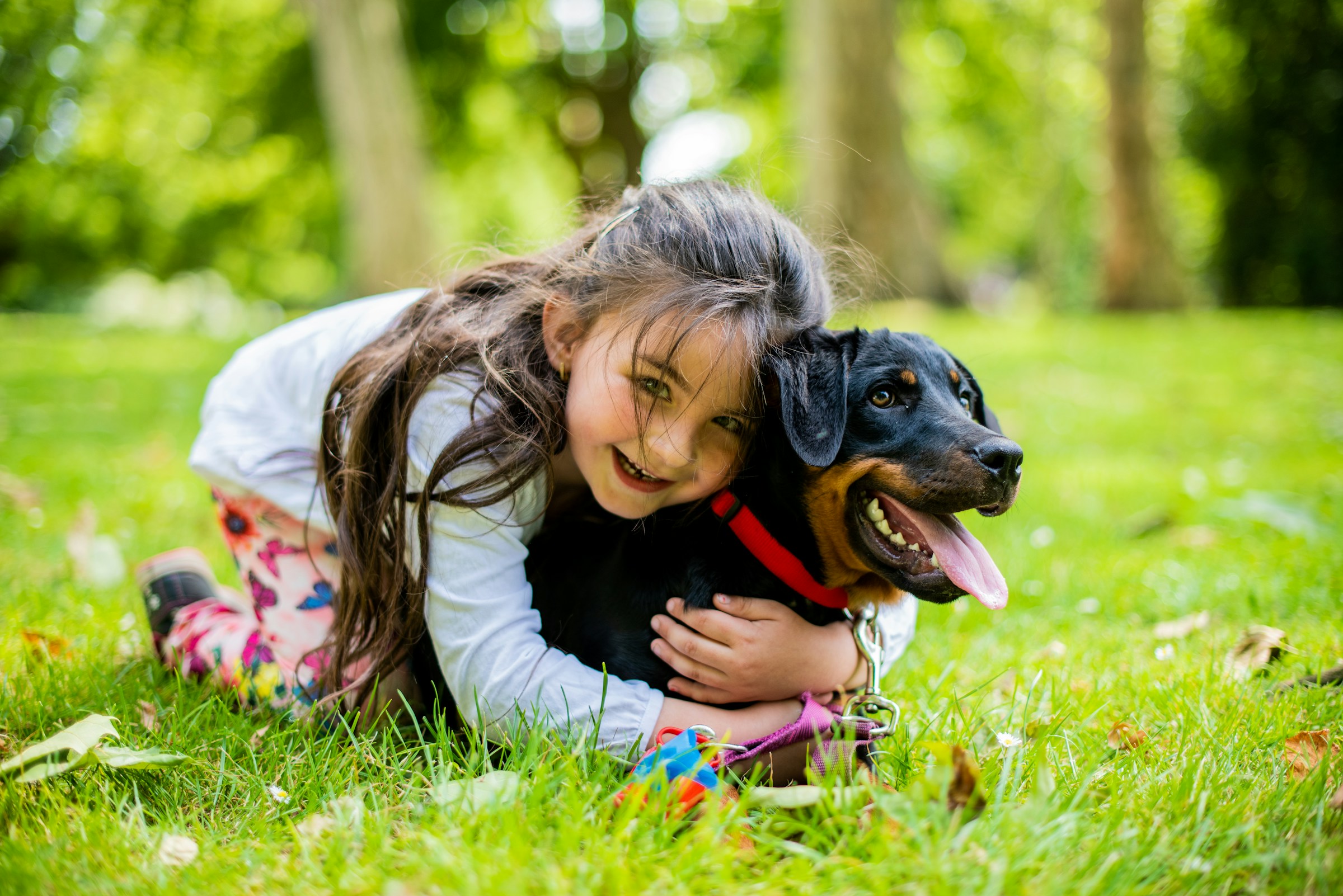
If you’ve ever wondered why your dog sprints to one person in the house but barely glances at another, you’re not imagining it. Dogs are constantly taking notes on how each of us makes them feel, and those little day‑to‑day moments quietly shape who they choose to snuggle, play with, or avoid when things get scary. It is not random, it is not “just a personality thing” in the human sense; it is learned, emotionally loaded, and surprisingly systematic.
Animal psychology has been digging into this for years, and the picture is clear: dogs build emotional profiles of every family member over time. They remember who comforts them, who plays with them, who is unpredictable, and who is just sort of… there. Once you see your household through your dog’s eyes, a lot of their “weird” choices suddenly make perfect sense.
The Science: Dogs Build Emotional Maps Of Their Humans

Dogs do not just respond to whoever is closest; they build up expectations based on hundreds of previous interactions. Every time you call them, touch them, raise your voice, or offer a treat, your dog is quietly updating an internal emotional map of you: safe, fun, scary, confusing, or soothing. That map guides what they do the next time they hear your footsteps in the hallway or your key turn in the door.
Think of it like a mental rating system. One person might be tagged as “comfort and calm,” another as “play and excitement,” and another as “better avoid, too loud.” When a dog chooses who to run to during a thunderstorm or after knocking over the trash, they are not making a random choice; they are consulting that emotional map, built from the history you share.
Attachment Styles: Why The Dog Follows One Person Everywhere
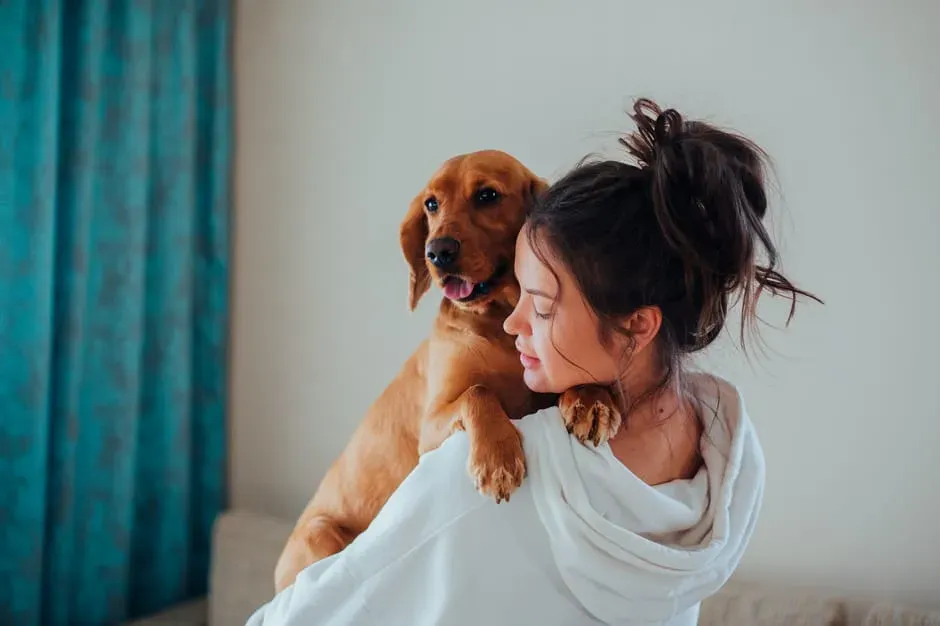
Many dogs form an especially strong attachment to one family member, often the person who consistently meets their needs in a predictable, gentle way. That attachment is not just cute; it behaves a lot like the attachment patterns seen in human infants with caregivers. If one person is reliably comforting, responsive, and kind, the dog learns that this is the safest base to return to when the world feels overwhelming or confusing.
On the flip side, if a family member is sometimes playful but sometimes harsh, or frequently ignores the dog’s signals, the attachment can be more anxious or distant. The dog might still seek them out for fun but hesitate when stressed. This is why you sometimes see a dog happily wrestling with one sibling, but when there is a loud bang outside, they sprint straight past that person and dig their nose into the lap of the calmer, quietly supportive parent on the couch.
Past Interactions: Rewards, Scoldings, And Everything In Between
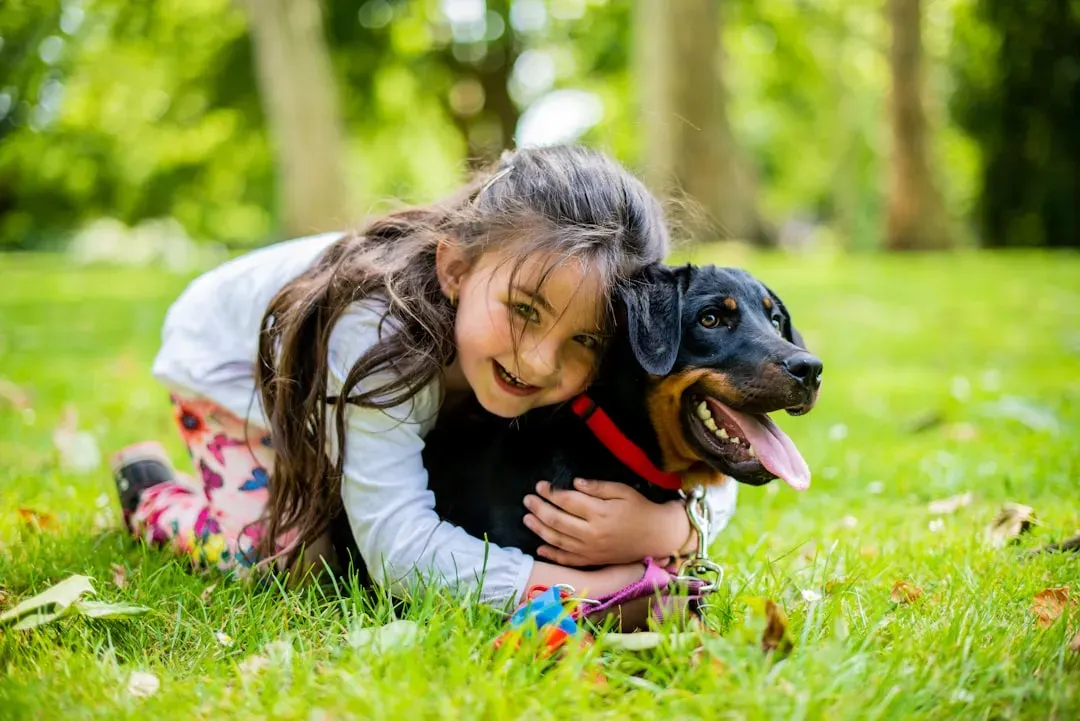
Dogs have surprisingly good memories for emotional events, especially those tied to strong feelings like fear, excitement, or relief. If a child repeatedly chases or grabs the dog, even if they think they are just playing, the dog will log that history as unpredictable and possibly unsafe. Over time, the dog may start to give that child wider and wider space, choosing instead to hang around the adult who respects boundaries and approaches slowly.
The same principle applies in the positive direction. The relative who always gets down on the floor, waits for the dog to come closer, and then scratches that perfect spot behind the ears becomes strongly associated with pleasure and safety. Do that enough times, and you have explained why the dog barrels through the hallway to greet that person first, even if they are not technically “the owner.” The pattern of past experiences, not titles on paper, decides who gets the tail wags.
Who Dogs Seek Out When They’re Scared Or Stressed
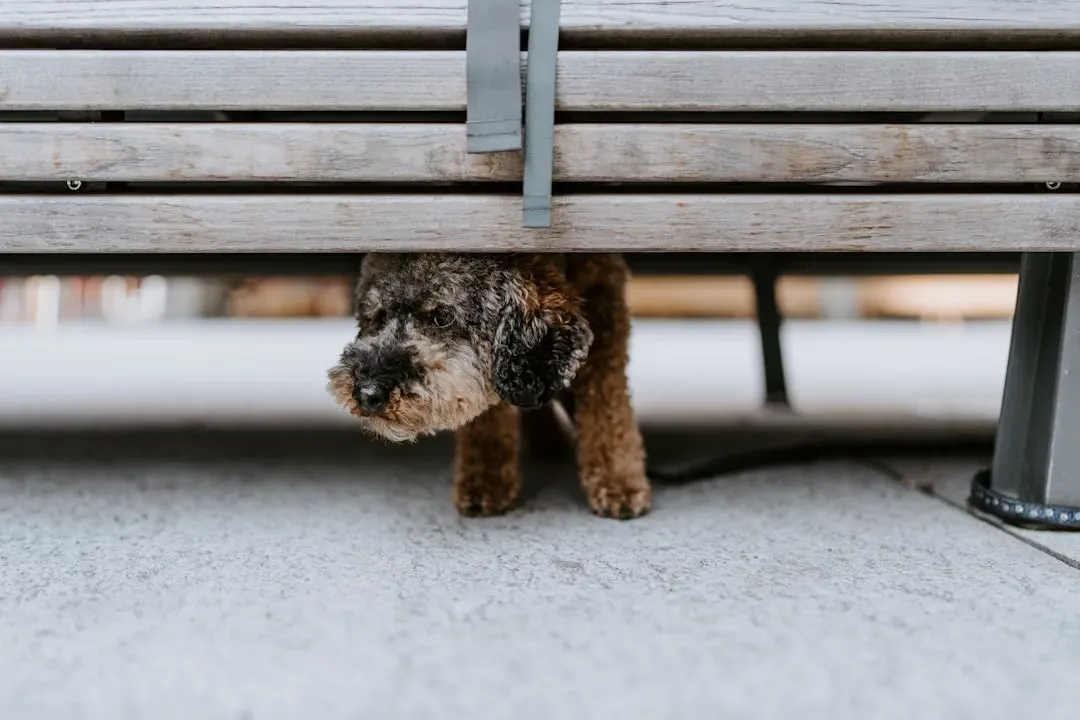
Moments of fear act like a spotlight on a dog’s true sense of trust. During fireworks, thunderstorms, vet visits, or when a strange visitor walks in, dogs instinctively move toward whoever they believe will keep them safe and not overreact. That is rarely the person who jokes around or teases them with sudden movements; it is usually the one who has a track record of calm voices, slow hands, and quiet reassurance.
I have seen this play out in real life more times than I can count: the person who insists “the dog loves me most, I play with him the most” is stunned when, during a loud thunderclap, the dog rushes straight past them to curl up behind the legs of the quieter family member. The dog is making a serious, experience‑based decision: fun is great when everything is fine, but in crisis, they run to the one who has proven to be steady.
Why Some Family Members Get Playtime And Others Get Cuddles
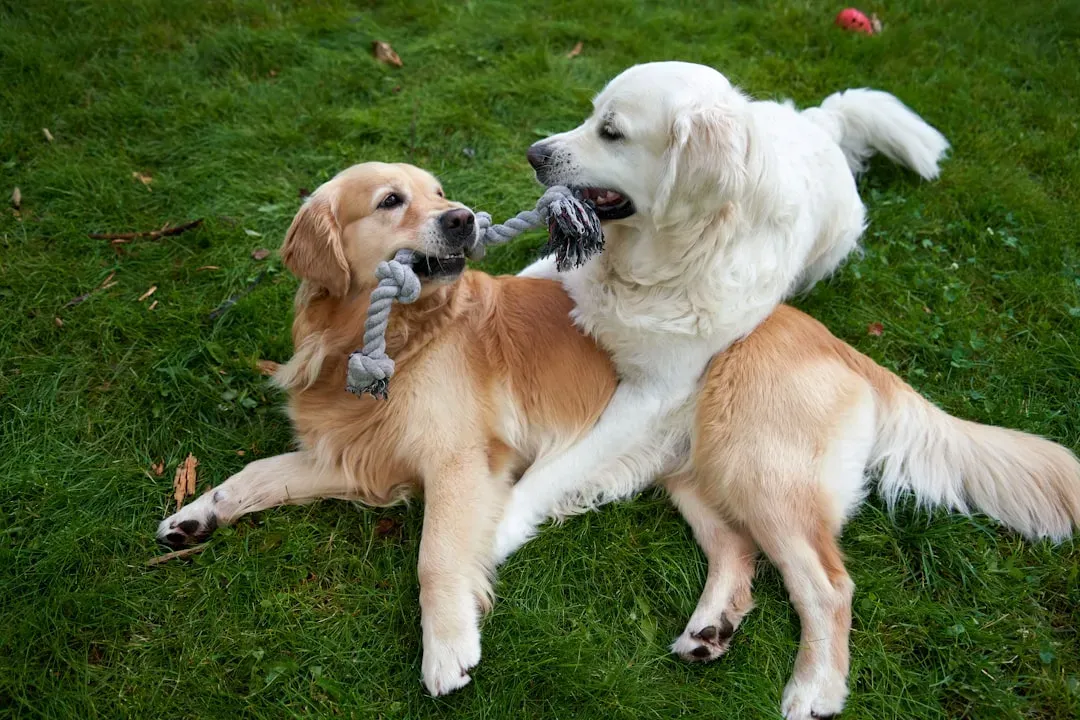
Dogs often “assign roles” to different humans based on repeated patterns. One person may be viewed as the play partner because they toss the ball, run in the yard, and generally bring excitement. Another may be the cuddle specialist, the one who is on the couch more often, moves slowly, and offers long, gentle strokes. The dog learns to approach each person differently, seeking out the kind of interaction they expect from them.
This is why the same dog can be wild and bouncy with one sibling, yet still and sleepy with another, without any contradiction. The dog is not being inconsistent; they are adapting to the relationship. They know whose hands are likely to be roughhousing and whose are likely to be a soft blanket. Those differences do not appear overnight; they are carved into place by months or years of tiny, repeating choices from each human in the house.
Body Language, Energy, And The People Dogs Avoid
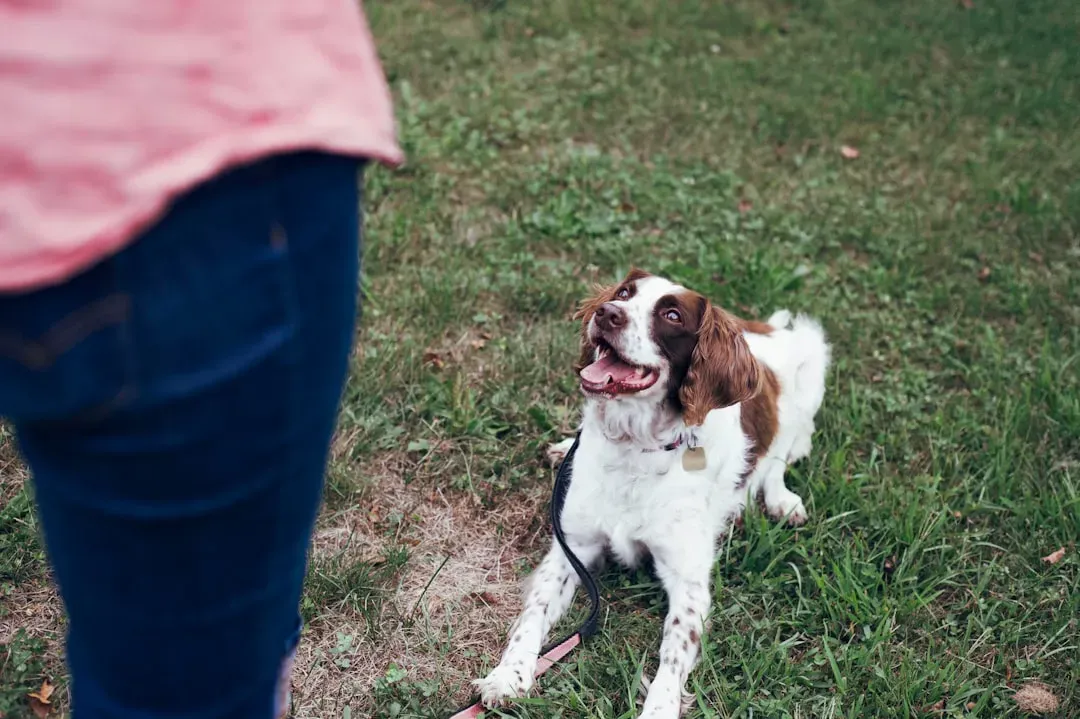
Dogs are incredibly sensitive to body language, voice tone, and even the general emotional atmosphere a person carries. A family member who walks heavily, gestures sharply, or speaks loudly without meaning any harm can still register as intense or unpredictable. Over time, the dog may hang back from that person, not because of a single bad incident, but because the overall vibe feels too much.
By contrast, someone who consistently crouches down, turns sideways instead of looming head‑on, and uses softer speech tends to be read as safer. If that gentle energy is paired with a history of positive experiences, the dog’s choice becomes obvious. They will drift toward the people whose presence makes their muscles loosen instead of tense. From the dog’s perspective, avoiding certain humans is not rudeness; it is emotional self‑defense based on lived experience.
Can You Change Your “Slot” In Your Dog’s Mental Hierarchy?
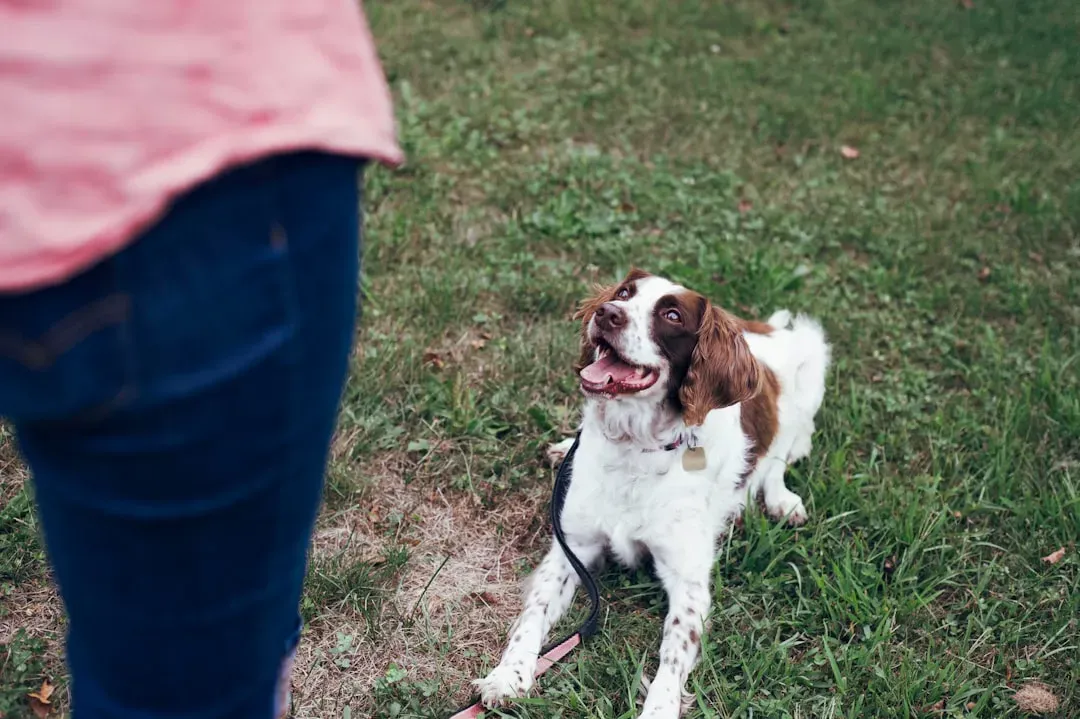
The good news – and the slightly uncomfortable truth – is that your current place in your dog’s preferences is not fixed, but you do have to earn a better one. If you are the “loud one,” the “only at feeding time” person, or the “fun but unpredictable” sibling, you can shift that by showing up more consistently in the way your dog actually needs. That means more patient, low‑pressure contact, paying attention to their signals instead of forcing interaction on your terms.
Over weeks and months, a dog can absolutely update its emotional file on you. I have watched aloof dogs slowly start choosing to sit closer to someone who quietly changed their approach, dialing down the noise and amping up the calm presence. It does not happen overnight, and it will not erase every memory, but dogs are not stubborn statues; they are constantly learning who you are, and you can decide what kind of history you are going to give them.
Opinionated Conclusion: Your Dog’s Behavior Is Honest Feedback, Not Betrayal
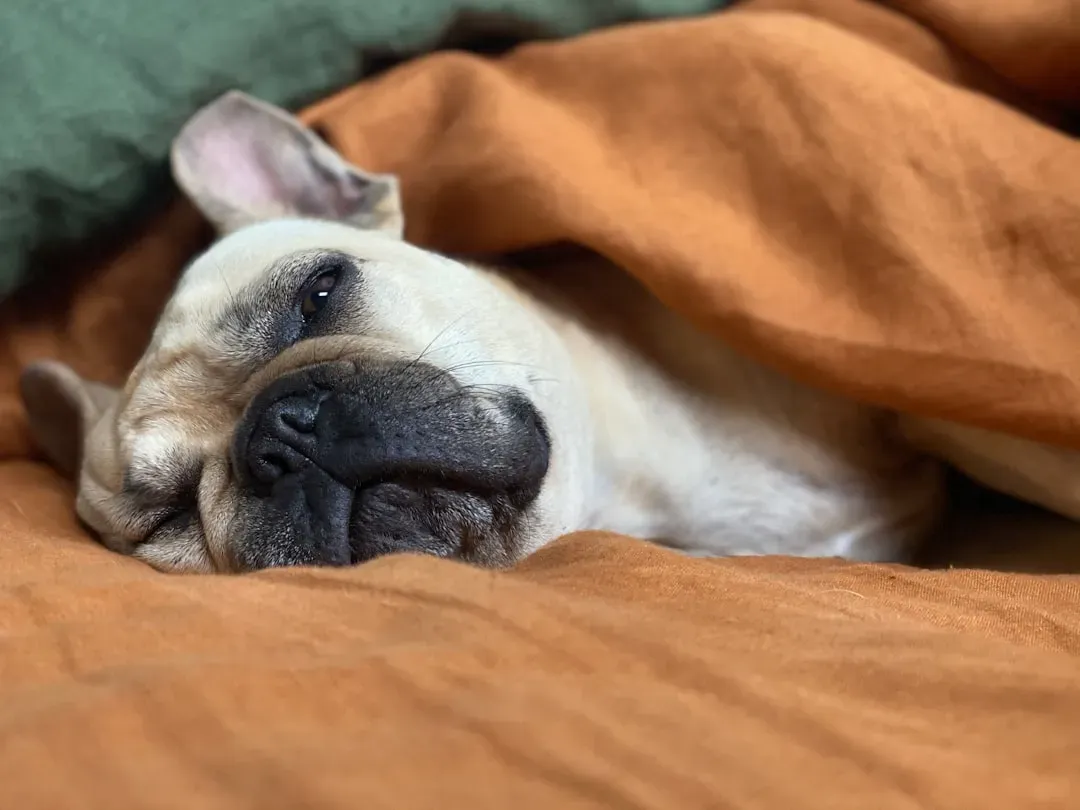
When a dog seems to “pick favorites” in a family, people often take it personally or brush it off as random quirk, but both reactions miss the point. Your dog’s choices are feedback about how your behavior makes them feel, based on a long trail of past interactions they have carefully stored. They are not playing politics; they are navigating their emotional safety and comfort in the only way they know how. Ignoring that message because it stings a little is like ignoring a mirror because you do not like the reflection.
In my view, the fair and honest response is not jealousy, but curiosity and accountability. If the dog never comes to you when it is scared, ask what history you have given it in those vulnerable moments – and what kind of history you want to start building today. The beauty and the sting of living with dogs is that they respond to who we actually are, not who we think we are. The real question is: when your dog is nervous or needs comfort most, whose footsteps are they choosing to follow – and what does that say about you?


