
Some dogs seem to walk into a new home, sniff the sofa once, and act like they’ve always lived there. Others arrive with invisible baggage: fear, confusion, and a deep sense that the world is not a safe place. When you combine that emotional weight with certain breed traits, the transition to a new family can be painfully slow.
This does not mean these breeds are “bad” or doomed. In fact, many of them become the most deeply bonded, loyal companions you’ll ever meet. It does mean that rehoming them demands more patience, structure, and empathy than many people expect. Let’s look at ten dog breeds that often find change especially hard, why that happens, and what it really takes to earn their trust again.
1. German Shepherd: Devoted Guardians Who Take Loss Personally
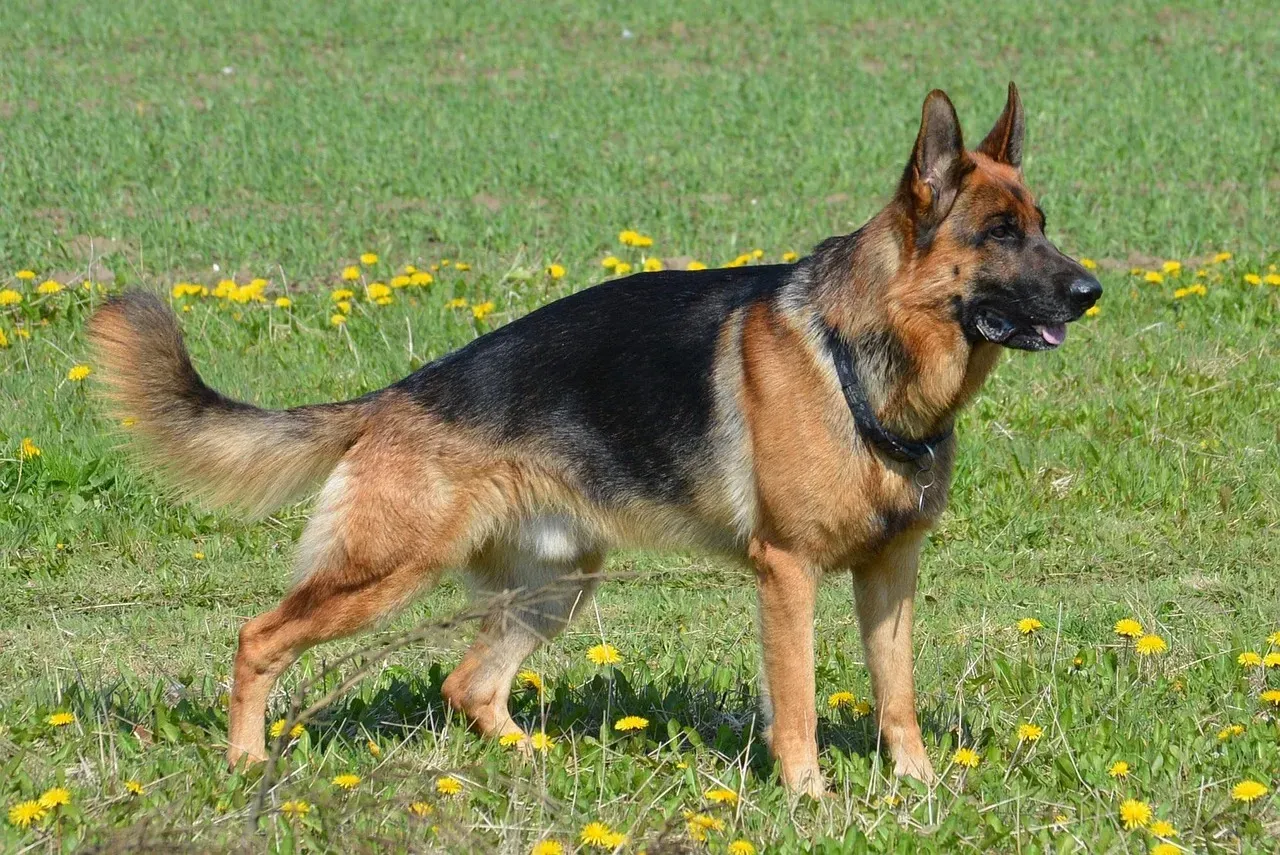
German Shepherds are intensely bonded, almost velcro-level dogs, bred for loyalty and responsibility. When they lose their person or their job, it can feel like their entire purpose has been ripped away, and that emotional shock often makes rehoming really tough. Many will pace, guard doors, or act hyper-vigilant in a new home because the world no longer feels predictable.
On top of that, they’re smart enough to notice every tiny change in routine, tone of voice, or body language. A rehomed German Shepherd might interpret a harmless raised hand or loud laugh as a threat until they learn otherwise. With them, slow introductions, clear boundaries, predictable routines, and calm, confident handling are everything. Once they realize you’re fair and consistent, they’ll often give you a level of trust that feels almost human.
2. Akita: Independent Souls Who Don’t Hand Out Trust Easily
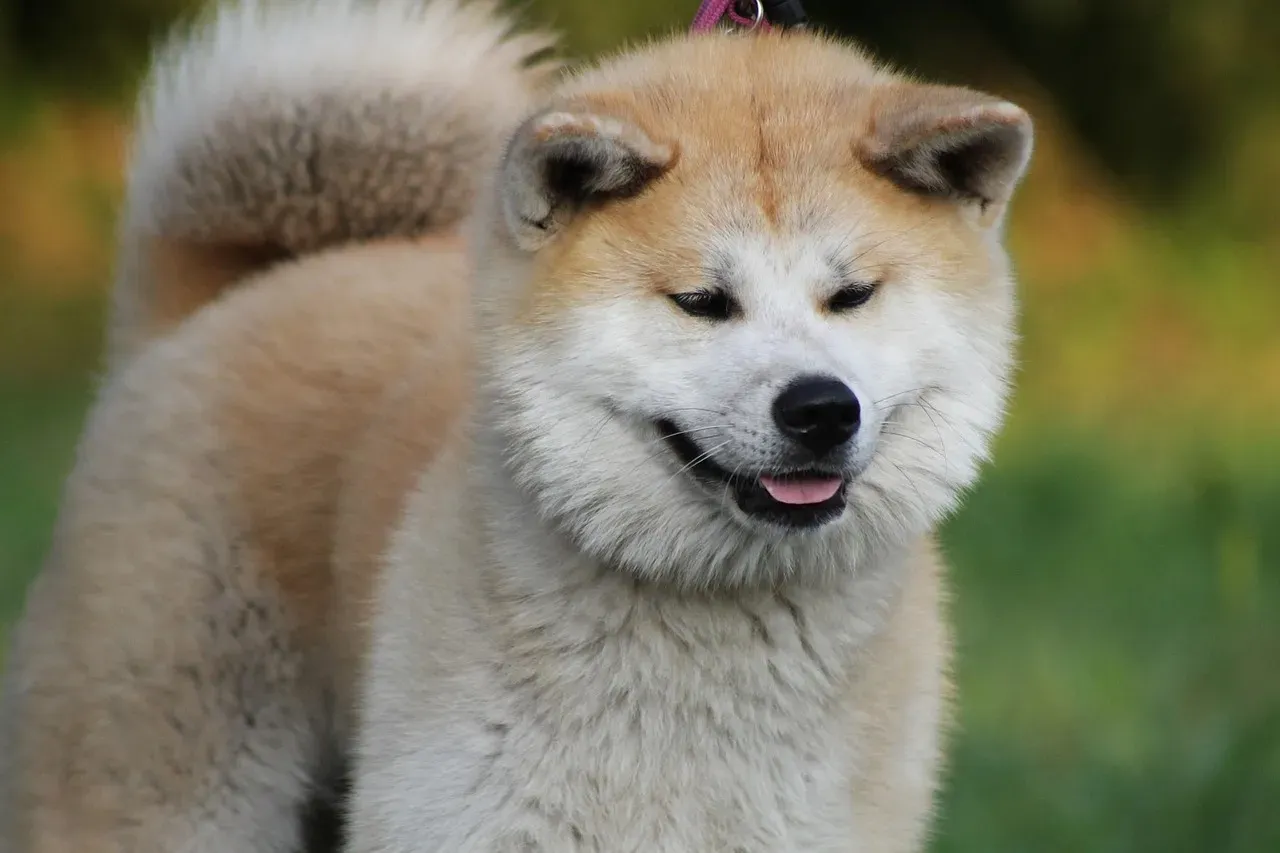
Akitas are natural guardians with a strong sense of dignity and independence, and they’re often deeply devoted to a single family. When that bond is broken, they don’t bounce back quickly, and they certainly don’t respond well to pushy affection from strangers. In a new home, an Akita may seem aloof, wary, or even slightly offended by sudden changes to their space and routine.
The challenge is that this breed rarely warms up on anyone else’s timeline. They need calm, respectful people who give them space, avoid overwhelming them with new dogs or people, and let the relationship grow at their pace. If you earn an Akita’s trust through patient, predictable care, the payoff can be huge, but expecting instant love from them is almost guaranteed disappointment and stress on both sides.
3. Border Collie: Overthinkers Who Can Spiral After Upheaval
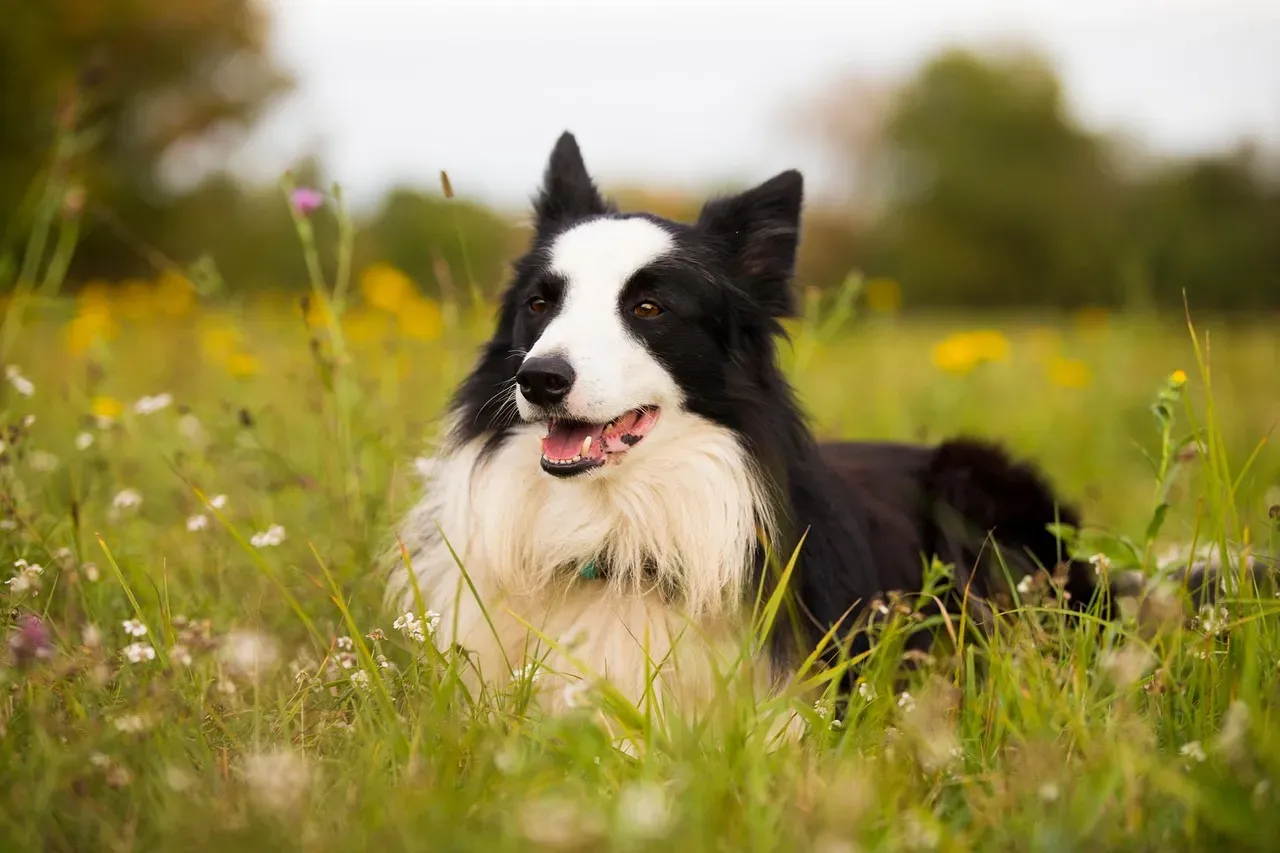
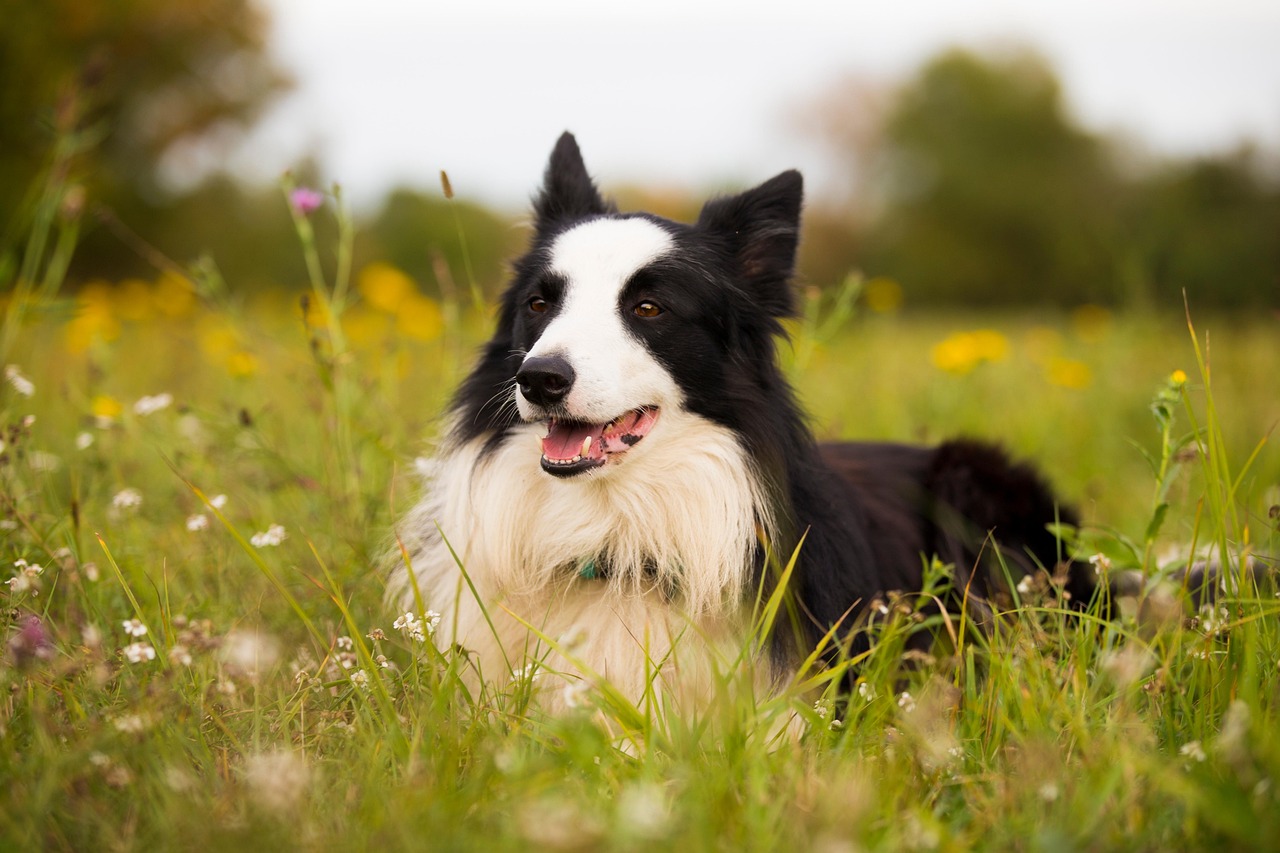
Border Collies are brilliant working dogs, bred to read subtle cues and respond quickly, which makes them amazing partners but also chronic overthinkers. When they’re rehomed, their sharp brains can turn every new sound, object, or routine change into something to obsess over or fear. Without a job or clear structure, that anxiety often turns into nervous energy, hyper-vigilance, or even compulsive behaviors.
In a new environment, a Border Collie may struggle to relax because they feel responsible for everything: the doorbell, the kids, the cat, the neighbor’s car. Rehoming goes much smoother when adopters understand that this dog needs mental work, not just walks – think training, scent games, and real tasks. With that kind of support, many rehomed Border Collies slowly trade their frantic scanning for focused partnership, but it rarely happens overnight.
4. Shiba Inu: Sensitive Free Spirits Who Hate Losing Control

Shiba Inus have a reputation for being cat-like, independent, and a bit dramatic, and there’s some truth in that stereotype. Many of them dislike being forced into anything, and they’re keenly sensitive to stress and changes in their environment. A move to a new home can make a Shiba shut down emotionally, become reactive on walks, or retreat into avoidance because they feel everything is out of their control.
They often prefer to approach new people on their own terms instead of being scooped up and flooded with attention. For a rehomed Shiba, trust tends to build in tiny increments: the human who respects their space, uses gentle handling, and keeps routines steady is the one they begin to follow. When that bond finally forms, it’s not loud or clingy, but it is surprisingly deep, especially for a breed often labeled as aloof.
5. Chihuahua: Tiny Bodies, Massive Feelings About Safety
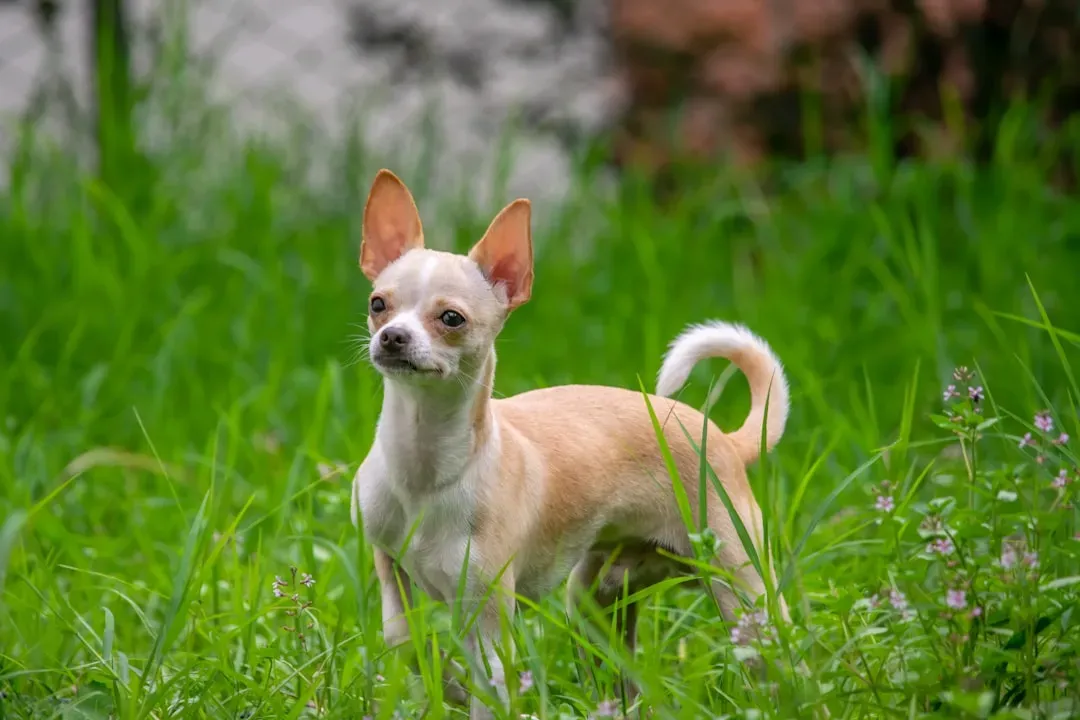
It’s easy to underestimate Chihuahuas because of their size, but many of them live life constantly on edge, especially if they’ve been mishandled, yelled at, or passed around. Being rehomed can feel like another earthquake in a world that already feels dangerous when you’re that small. They can respond with trembling, defensive snapping, or nonstop barking, all of which are usually fear talking, not malice.
Chihuahuas often do best in calm, predictable households where their space is respected, instead of being treated like toys or accessories. In a new home, they may cling to one person and distrust everyone else for quite a while. Gentle routines, careful introductions, and not forcing interactions go a long way. Over time, many of them transform from “spicy” and suspicious to surprisingly cuddly little shadows once they’re convinced they’re finally safe.
6. Rottweiler: Powerful Hearts That Don’t Forget Broken Bonds
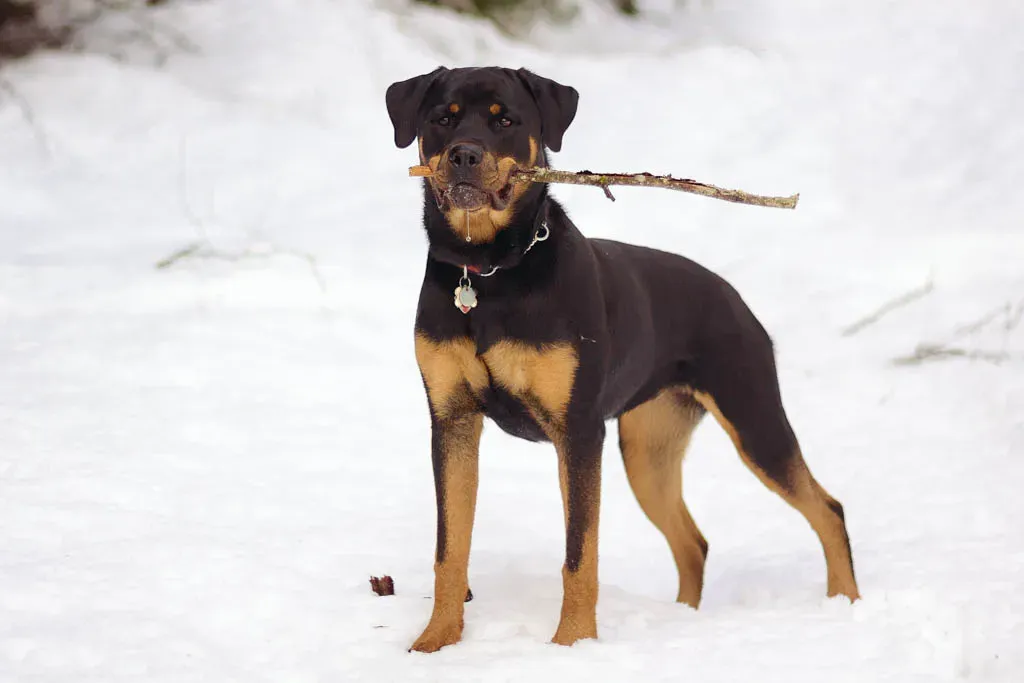
Rottweilers are often deeply attached to their families and very aware of their territory and duties. When they’re surrendered or bounced between homes, it’s not just confusing; it can feel like a complete rejection of their purpose. In a new home, they may appear stoic, but underneath that calm exterior you often have a dog assessing everything and everyone, unsure if this place is really permanent.
Their size and strength add another layer of complexity, because any nervousness or insecurity can be intimidating to people. Rehomed Rottweilers need clear rules, gentle but firm handling, and experienced guardians who do not react with fear or harsh corrections when the dog is uncertain. Given enough consistency and respect, many of them lean hard into their role as loyal protectors again, but they usually need more time than most people expect to trust that they truly belong.
7. Doberman Pinscher: Velcro Dogs That Feel Abandonment Deeply
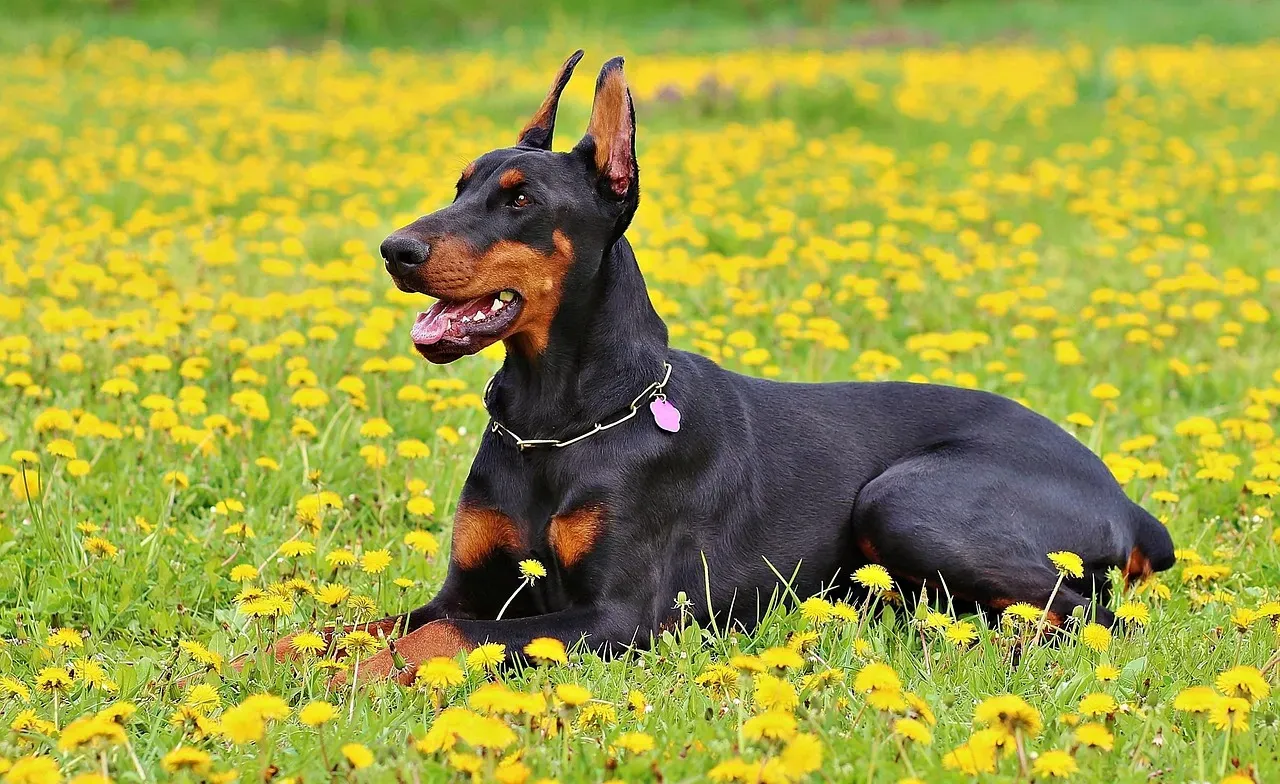
Dobermans are famously people-focused, often bonding intensely to one or two individuals and shadowing them from room to room. When that bond is broken through rehoming, the emotional fallout can show up as separation anxiety, clinginess, or, on the flip side, withdrawal and suspicion. They are highly sensitive to tone and tension in the home, so a stressful move can hit them harder than more easygoing breeds.
In a new environment, many Dobermans will watch their new humans closely, trying to figure out if they can relax or if they’re about to be left again. They tend to do best with families who keep them close, involve them in daily life, and offer patient training instead of scolding. Once a rehomed Doberman accepts you as “their” person, that trust is fierce, but building it back after a loss can feel like slowly coaxing someone out of heartbreak.
8. Australian Cattle Dog (Blue/Red Heeler): Intense Workers Who Hate Chaos
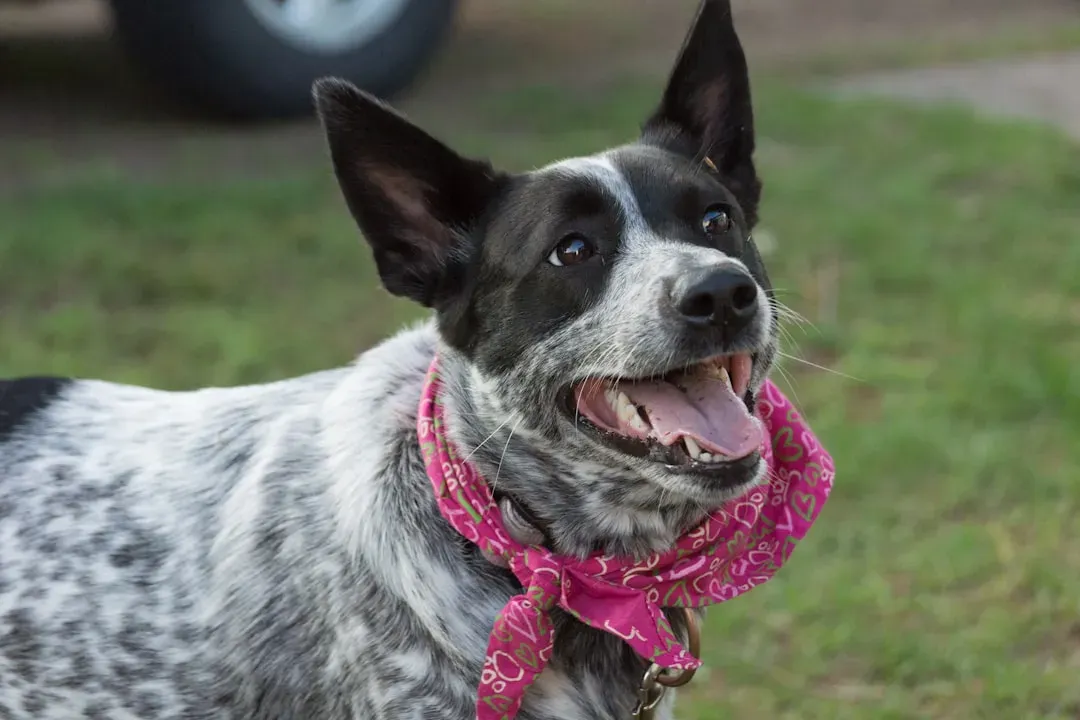
Australian Cattle Dogs are tough, smart, and bred to control livestock with grit and determination. Underneath that toughness, though, they are serious about their job and their people, and they can be surprisingly unsettled when their world is shaken. Being rehomed – especially from a working situation to an unstructured pet home – can leave them anxious, frustrated, and unsure what they’re supposed to be doing.
Without enough purposeful activity, their sharp minds and strong herding instincts can turn into nipping, over-guarding, or obsessive behaviors. In a new home, they often need clear, firm but fair leadership and plenty of outlets for their energy and intelligence. When adopters treat them like partners instead of just house pets, many rehomed Heelers slowly relax into their new role, but getting there often demands patience, time, and a willingness to rethink what “exercise” and “enrichment” really mean.
9. Shar Pei: Reserved Traditional Guardians Who Bottle Things Up
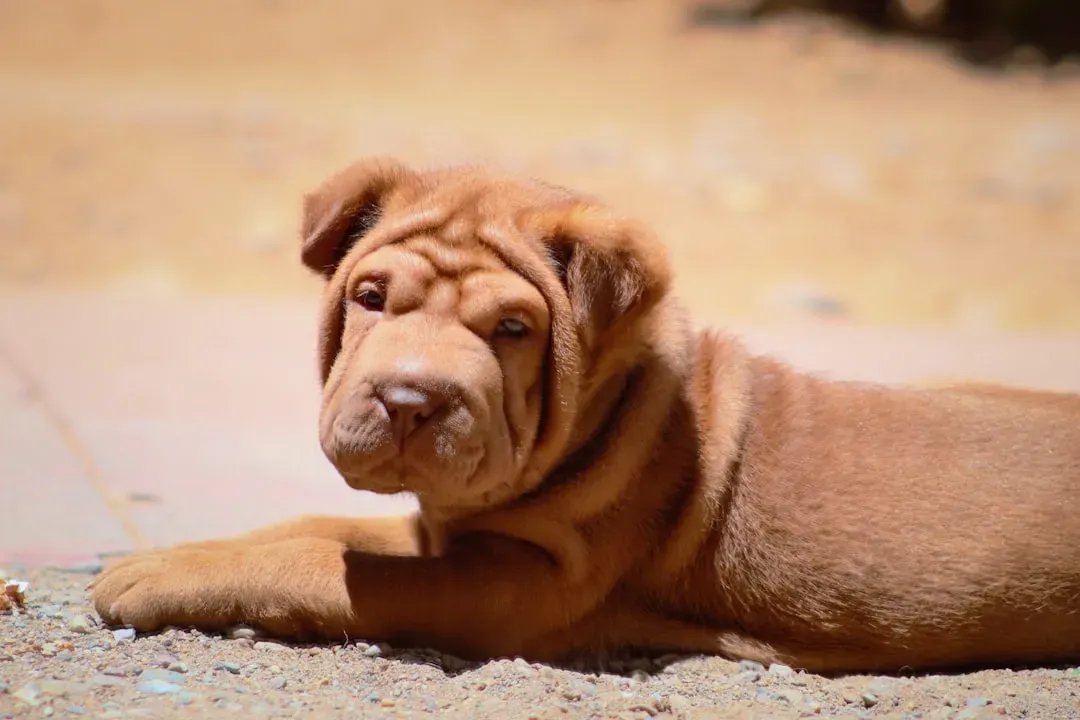
Shar Peis were historically used as guard and farm dogs, and many still carry that reserved, watchful temperament. They are not naturally outgoing social butterflies, even in the best of circumstances, and they often keep their feelings close to the chest. When they’re rehomed, instead of acting obviously scared, they may simply shut down, avoid interaction, or quietly keep their distance while they evaluate this new chapter.
This makes it easy to miss their stress, because they do not always display the big, dramatic fear signals people expect. Rehomed Shar Peis usually need calm households that respect their space and give them time to warm up gradually. Pushing them to socialize too fast or flooding them with new experiences can backfire. When trust finally does take root, though, they often form a silent, steady loyalty that feels more like a quiet understanding than constant affection.
10. Pit Bull–Type Dogs: Loving Clowns Carrying Heavy Stereotypes
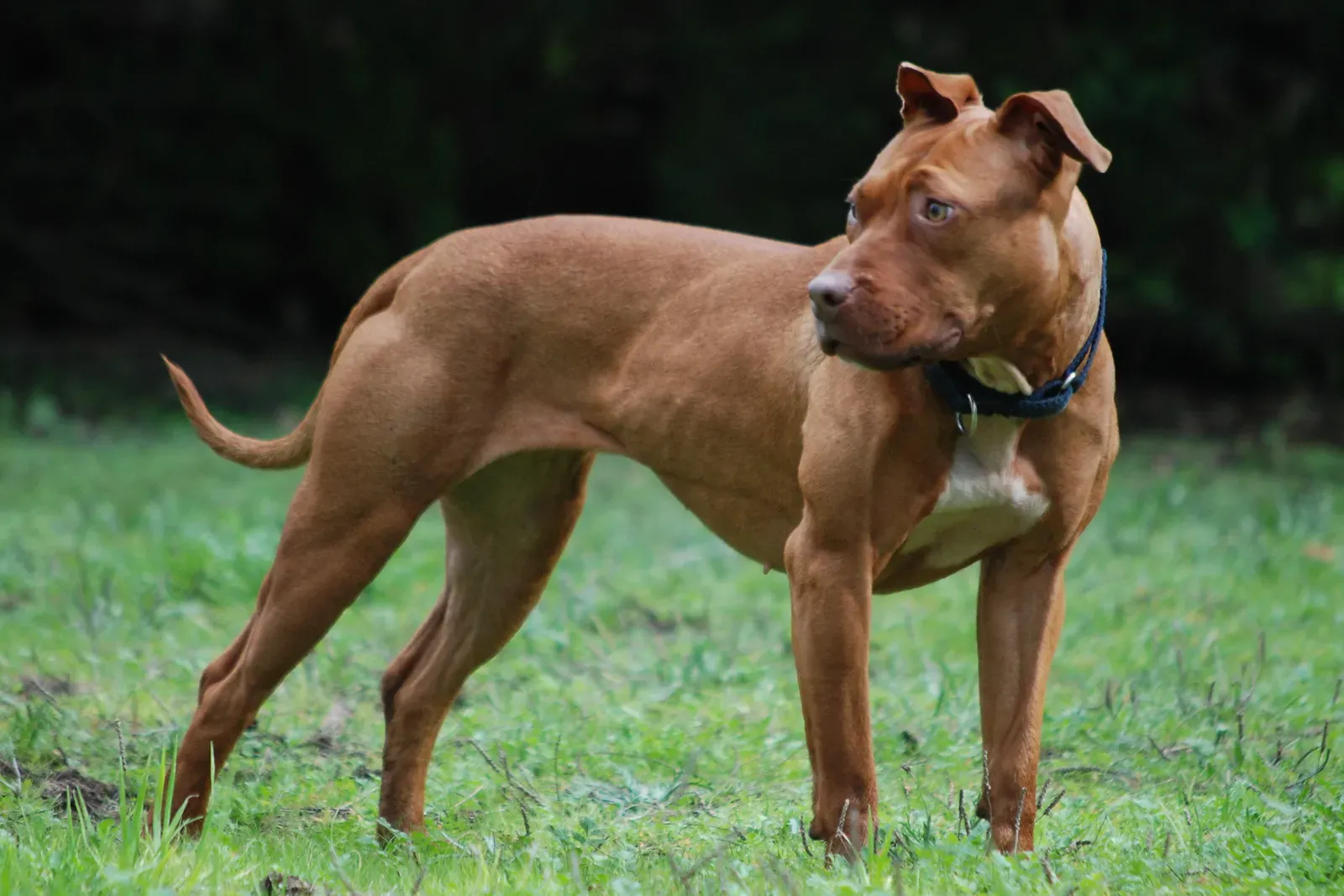
Pit bull–type dogs (a loose group that can include American Pit Bull Terriers, American Staffordshire Terriers, and mixes) are often extremely people-oriented and eager to please. Many of them have been through neglect, over-breeding, or unstable homes, which can make rehoming emotionally complicated. They may show a heartbreaking mix of enthusiasm and insecurity: wiggly greetings followed by anxious pacing, or over-the-top affection paired with a fear of being left alone.
On top of their individual histories, they carry the weight of public stigma, which means they’re more likely to have experienced rough handling, housing instability, or long shelter stays. In a new home, they usually thrive on structure, positive training, and lots of gentle, supervised social time. When someone finally commits to them for real, many pit bull–type dogs blossom into goofy, deeply attached companions, but getting there can take extra reassurance and a willingness to look past what the world says about them.
Conclusion: The Slow Magic of Earning a Second Chance
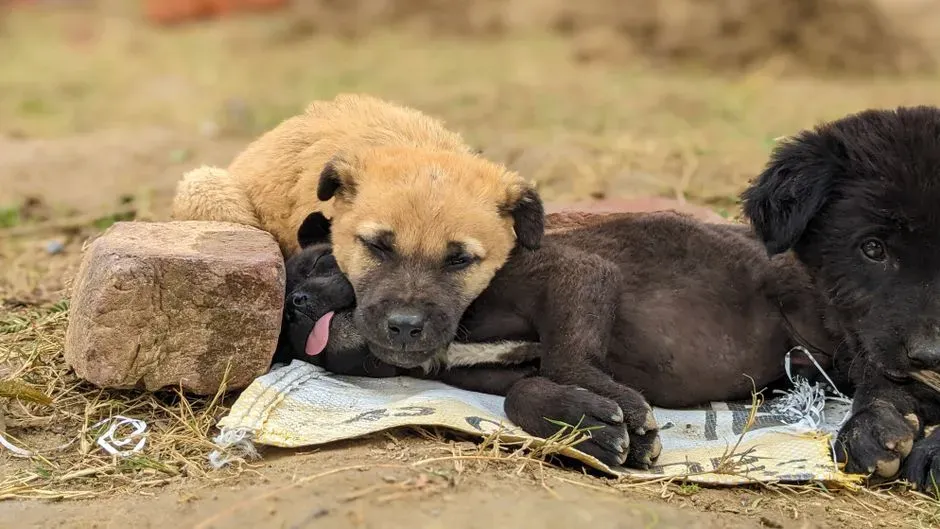
Some dogs show their gratitude in an instant, but others make you work for it, especially after a major loss like rehoming. Breeds that are highly bonded, sensitive, intense, or independent often struggle the most with that kind of upheaval, not because they are difficult by nature, but because their wiring makes them feel change more sharply. In my view, we underestimate just how disorienting it is for a dog to lose everything familiar and wake up in a new house with new rules and new faces.
At the same time, that slow path to trust is part of what makes these relationships so powerful. When a dog who once flinched now leans into your hand, or one who guarded their bed finally falls asleep on your feet, it feels like a quiet miracle you earned together. If you choose one of these breeds, you are not just adopting a pet; you are signing up to rebuild a heart. The real question is not whether they can trust again, but whether we are patient and consistent enough to deserve it – are you willing to be that person for a dog who refuses to give their trust away lightly?


