
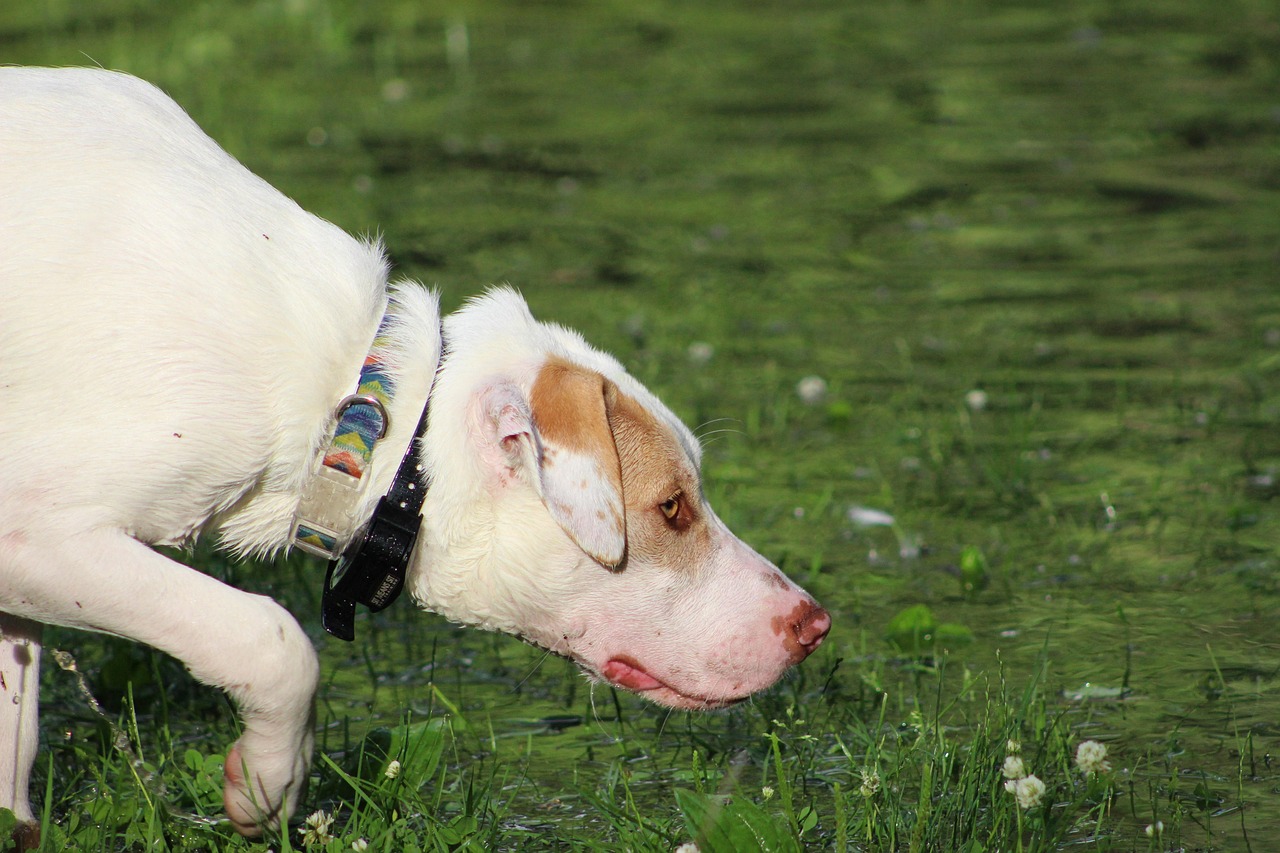
Dogs Thrive on Routine and Familiarity

Imagine waking up one morning to find your bedroom completely rearranged – your bed in a different corner, your dresser swapped with your desk. It would be disorienting, right? Dogs experience a similar sense of confusion when their environment changes unexpectedly. They are creatures of habit, relying on consistent surroundings to feel secure. When furniture is moved, it disrupts their established pathways and resting spots, leading to stress and anxiety.
This disruption isn’t just about physical space; it’s about the scents and landmarks they’ve grown accustomed to. Dogs use their keen sense of smell to navigate and understand their world. Altering the layout of a room can erase these familiar scent trails, making them feel lost in their own home.
Rearranging Furniture Alters Scent Landscapes

Dogs perceive the world primarily through their noses. Each piece of furniture carries a unique scent profile, contributing to a dog’s understanding of their environment. When you move a couch or table, it not only changes the visual landscape but also the olfactory one. This sudden shift can be unsettling, as the scents they associate with comfort and safety are now misplaced or missing.
Moreover, new arrangements might expose previously hidden scents or introduce unfamiliar ones, further adding to their confusion. This sensory overload can lead to behaviors like excessive sniffing, pacing, or even withdrawal as they attempt to reorient themselves.
Changes Can Trigger Anxiety and Stress

For some dogs, especially those prone to anxiety, even minor changes can be significant stressors. The unpredictability of a rearranged space can make them feel insecure, leading to symptoms like decreased appetite, increased vocalization, or destructive behaviors. It’s not the furniture itself causing distress but the sudden change in their environment.
In severe cases, this anxiety can manifest as depression. Dogs may become lethargic, lose interest in play, or seek isolation. Recognizing these signs early is crucial to address their emotional well-being.
Disrupted Territory and Ownership Perceptions

Dogs are territorial animals. They mark their spaces with scent glands in their paws and through rubbing against furniture. When you move their favorite chair or bed, it can feel like an invasion of their territory. This disruption can lead to confusion about their place in the household hierarchy and their sense of ownership over certain areas.
Such feelings can result in behaviors like re-marking territory, increased clinginess, or, conversely, withdrawal. Understanding this territorial instinct can help in managing their reactions to environmental changes.
Impact on Physical Navigation and Safety

Beyond emotional distress, rearranging furniture can pose physical challenges for dogs. They memorize the layout of their environment to move around safely, especially in low light. Changing this layout can lead to accidents, as they might bump into or trip over newly placed items.
This is particularly concerning for older dogs or those with vision impairments. Ensuring clear pathways and gradually introducing them to the new arrangement can help mitigate these risks.
How to Help Your Dog Adjust to Changes
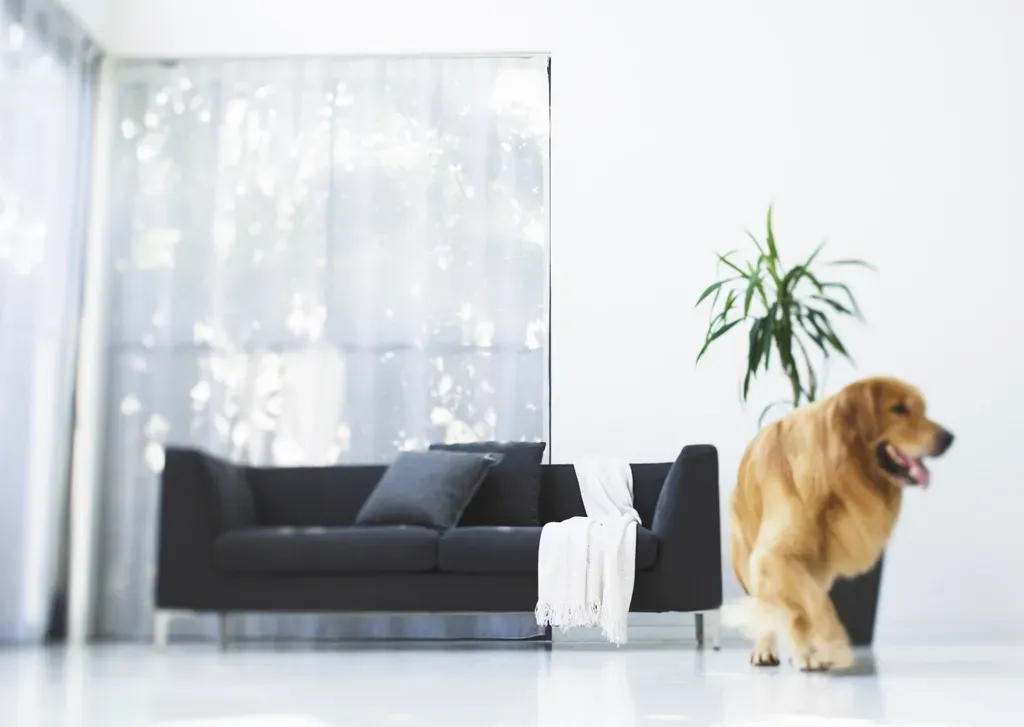
To ease your dog’s transition during furniture rearrangement, consider the following steps:
- Introduce changes gradually, moving one piece at a time over several days.
- Maintain their favorite resting spots in familiar locations when possible.
- Use treats and positive reinforcement to encourage exploration of the new setup.
- Ensure their scent is present by placing their blankets or toys in the new arrangement.
- Provide extra attention and reassurance during the transition period.
By taking these measures, you can help your dog feel more comfortable and secure amidst changes.
Recognizing When Professional Help Is Needed
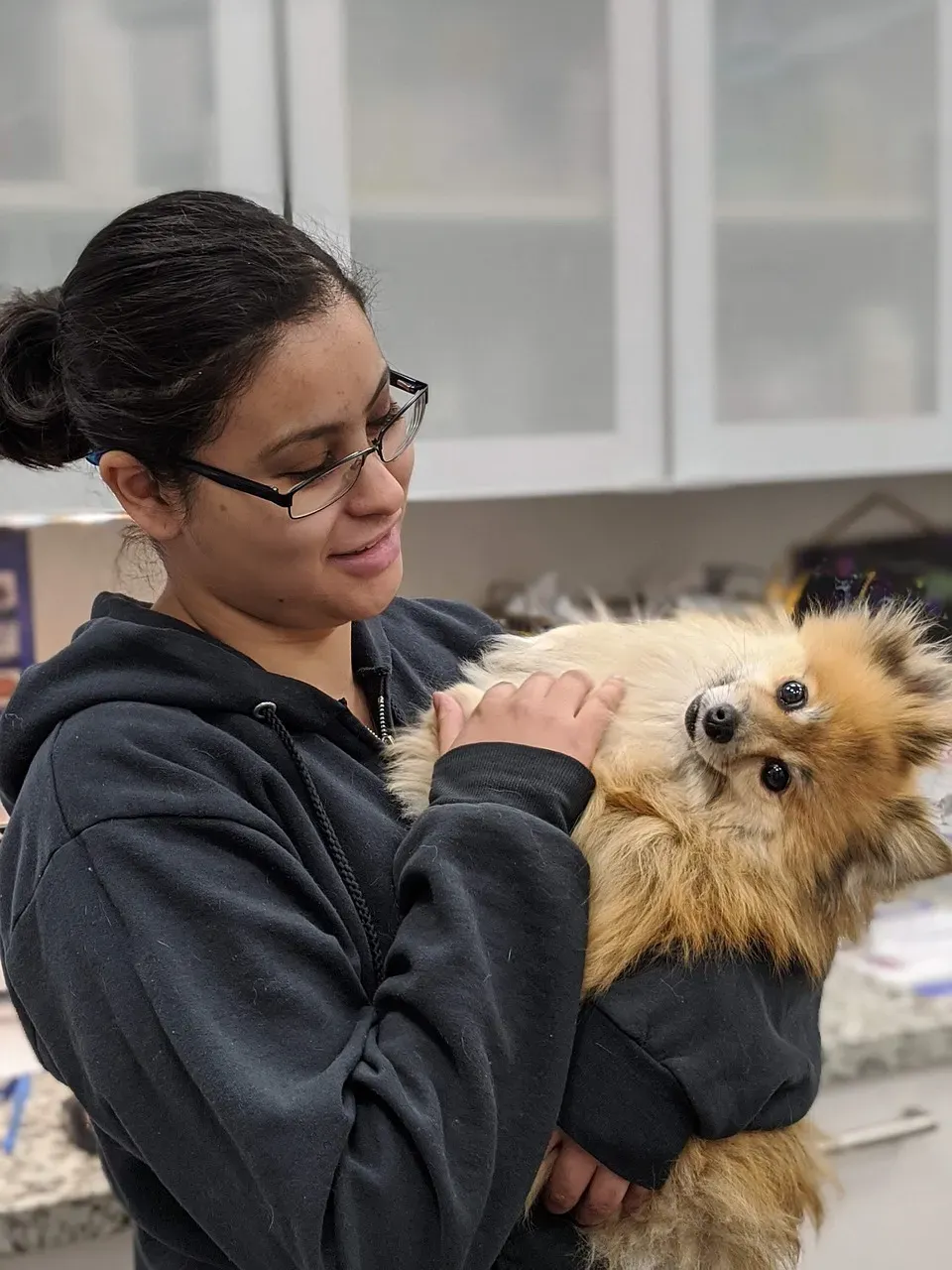
If your dog continues to show signs of distress after the environment has stabilized, it may be time to consult a veterinarian or animal behaviorist. Persistent symptoms like loss of appetite, prolonged lethargy, or aggressive behavior warrant professional attention to rule out underlying health issues or to develop a tailored behavioral plan.
Remember, while dogs are adaptable, they rely on us to help them navigate changes in their world. Being attentive to their needs and reactions ensures their continued happiness and well-being.
So, next time you consider giving your living room a makeover, spare a thought for your four-legged friend. How can you make the transition smoother for them?


