
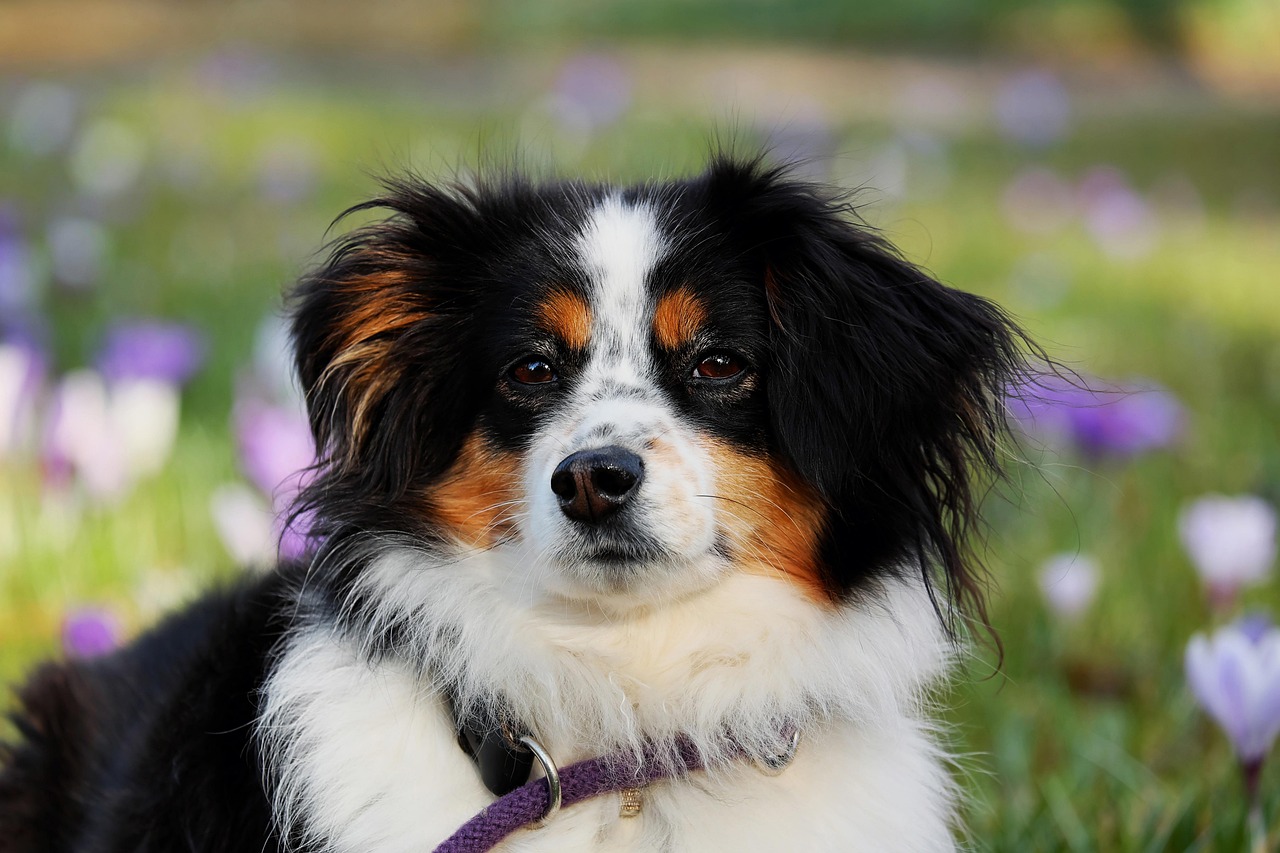
Imagine you’re having a rough day, feeling overwhelmed and anxious. Suddenly, your dog comes over, presses their head into your palm, and you start to feel a sense of calm wash over you. Is it possible that your furry friend can actually sense your stress and is trying to help you manage it? Recent scientific studies suggest that this is not only possible but a natural response from dogs to their human companions.
Dogs’ Extraordinary Sense of Smell
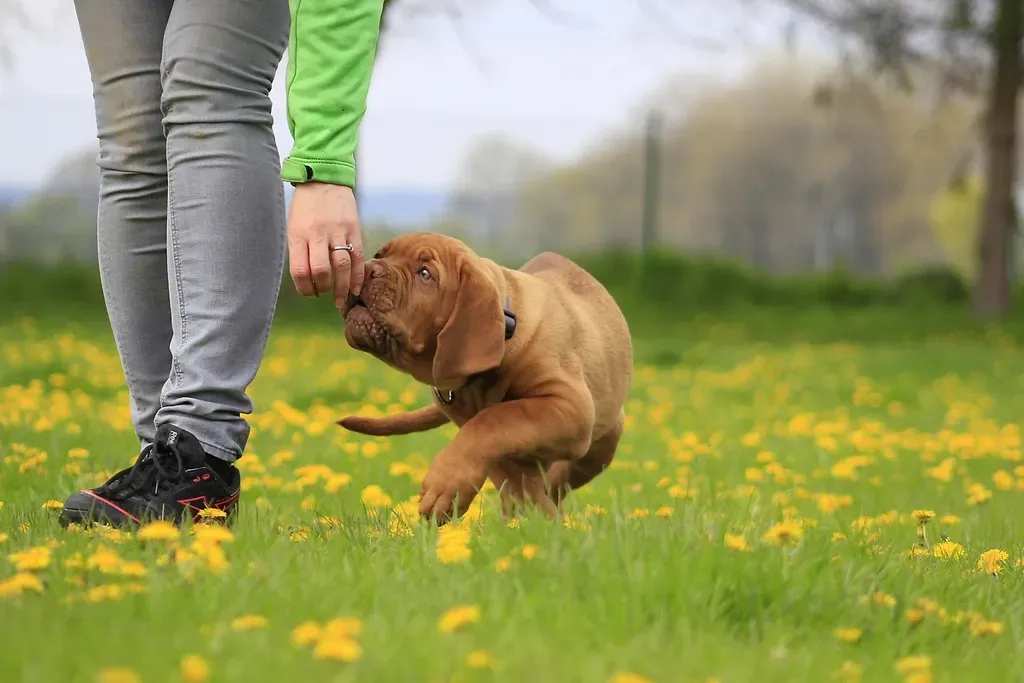
Dogs possess an olfactory system that is remarkably more sensitive than that of humans. Their noses are equipped with up to 300 million olfactory receptors, compared to our mere 5 million. This heightened sense allows them to detect subtle changes in their environment, including the chemical alterations in human body odor associated with stress.
When humans experience stress, our bodies release a unique combination of volatile organic compounds (VOCs) through sweat and breath. Dogs can detect these minute changes, enabling them to sense when we’re feeling anxious or stressed. This ability has been demonstrated in various studies, highlighting the profound connection between humans and their canine companions.
Scientific Evidence of Stress Detection
Research has provided compelling evidence that dogs can distinguish between human baseline and stress-induced odors. In a controlled study, dogs were presented with breath and sweat samples from individuals before and after a stress-inducing task. The results showed that dogs could identify the stress samples with remarkable accuracy, indicating their ability to detect physiological changes associated with stress.
These findings suggest that dogs are not only attuned to our emotional states through visual and auditory cues but also through olfactory signals. This multi-sensory awareness enables them to respond appropriately to our emotional needs, often before we are consciously aware of our own stress levels.
Deep Pressure Therapy: A Canine Response to Human Stress
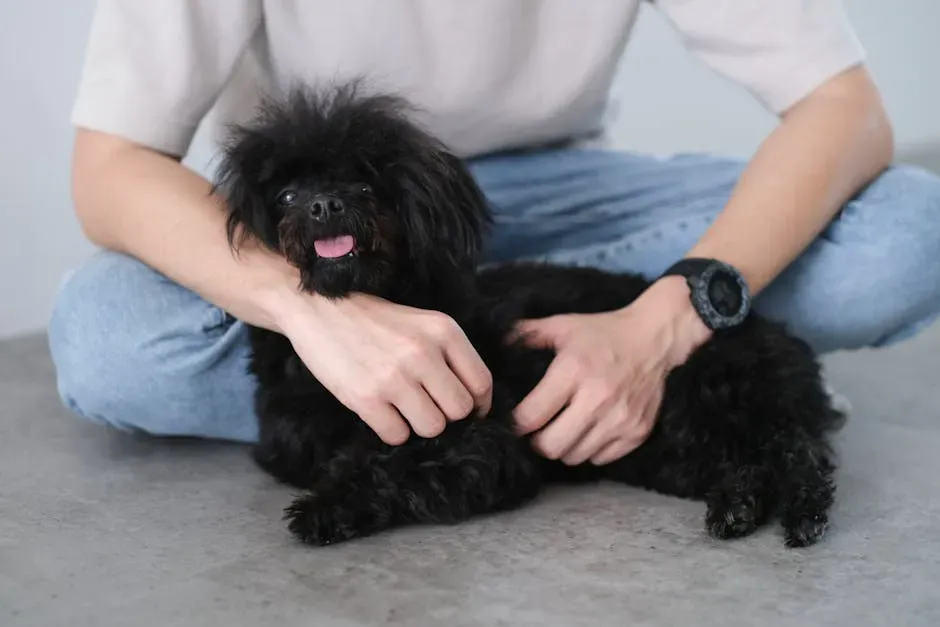
Beyond merely sensing stress, dogs often take proactive steps to alleviate it. One such behavior is the application of deep pressure therapy (DPT). This involves the dog applying gentle but firm pressure to the human’s body, such as resting their head on your lap or leaning against you. This pressure can activate the parasympathetic nervous system, promoting relaxation and reducing anxiety.
The effectiveness of DPT is well-documented in therapeutic settings, with weighted blankets and pressure vests being used to provide similar calming effects. Dogs naturally perform this function, offering comfort and co-regulation to their human companions during times of distress.
Training Service Dogs for Deep Pressure Therapy
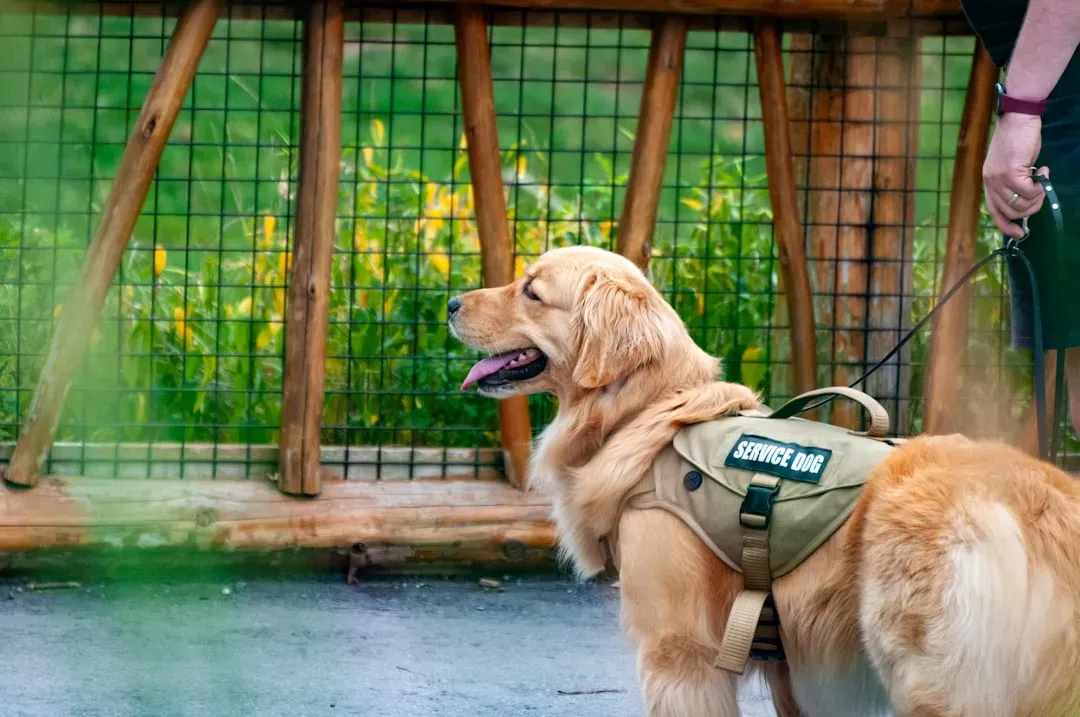
While many dogs may instinctively provide DPT, service dogs can be specifically trained to perform this task on command. Training involves teaching the dog to recognize signs of anxiety or panic attacks and respond by applying pressure in a controlled manner. This can be particularly beneficial for individuals with anxiety disorders, PTSD, or other conditions that involve heightened stress responses.
Service dogs trained in DPT learn to position themselves in ways that provide maximum comfort and relief to their handlers. This may include lying across the handler’s lap, placing their head on the handler’s chest, or leaning against the handler’s body. The consistent application of pressure helps to ground the individual and can significantly reduce the severity of anxiety episodes.
The Role of Breed and Temperament
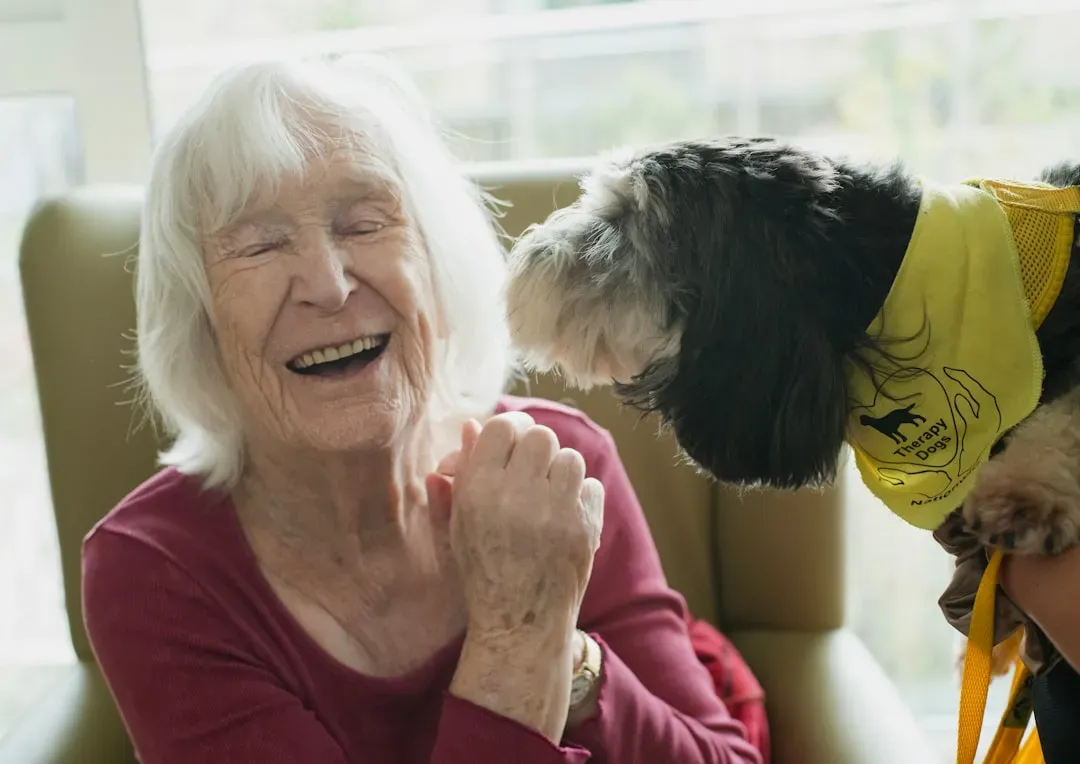
Not all dogs are equally suited for providing DPT. Breeds with calm temperaments and a natural inclination for close human contact are often more effective in this role. Larger breeds, such as Golden Retrievers, Labrador Retrievers, and Bernese Mountain Dogs, are commonly chosen for DPT due to their size and gentle nature.
However, the individual temperament of the dog is just as important as the breed. Dogs that are attentive, responsive, and have a strong bond with their handler are more likely to be successful in providing effective DPT. Proper training and socialization are essential to ensure that the dog can perform this task reliably and safely.
Implications for Human-Canine Relationships
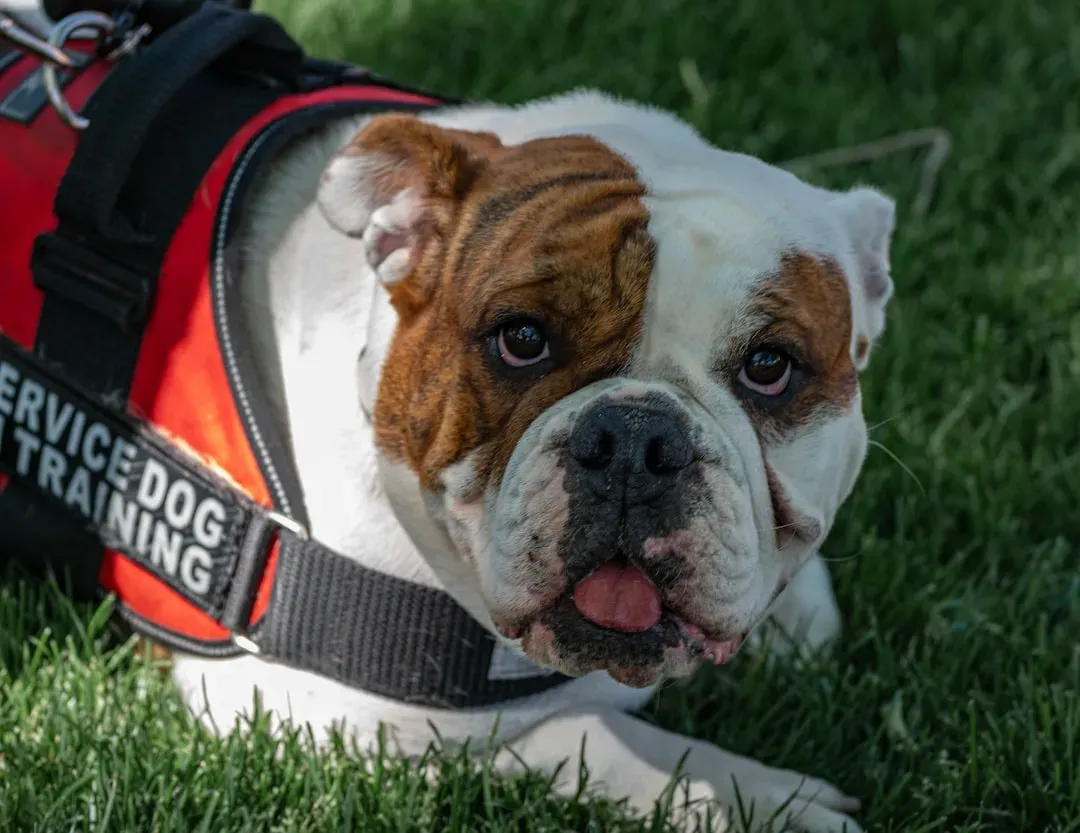
The ability of dogs to detect human stress and respond with behaviors like DPT underscores the depth of the human-canine bond. This relationship goes beyond companionship, highlighting a mutualistic interaction where both species benefit. For humans, the presence of a dog can provide emotional support, reduce stress, and even improve overall mental health.
Understanding these interactions can lead to better training programs for service dogs and more effective therapeutic interventions for individuals experiencing stress-related conditions. It also encourages a greater appreciation for the intuitive and empathetic nature of dogs, fostering stronger connections between humans and their canine companions.
Conclusion
Science has confirmed what many dog owners have long suspected: our canine friends can sense when we’re stressed and often take steps to help us cope. Through their extraordinary sense of smell, dogs detect the chemical changes associated with stress and respond with comforting behaviors like deep pressure therapy. This natural ability not only provides immediate relief but also strengthens the bond between humans and dogs. So, the next time your dog leans into you during a tough moment, remember – they’re not just seeking attention; they’re offering a scientifically-backed form of support. Isn’t it remarkable how our furry companions can be so in tune with our emotions?


