
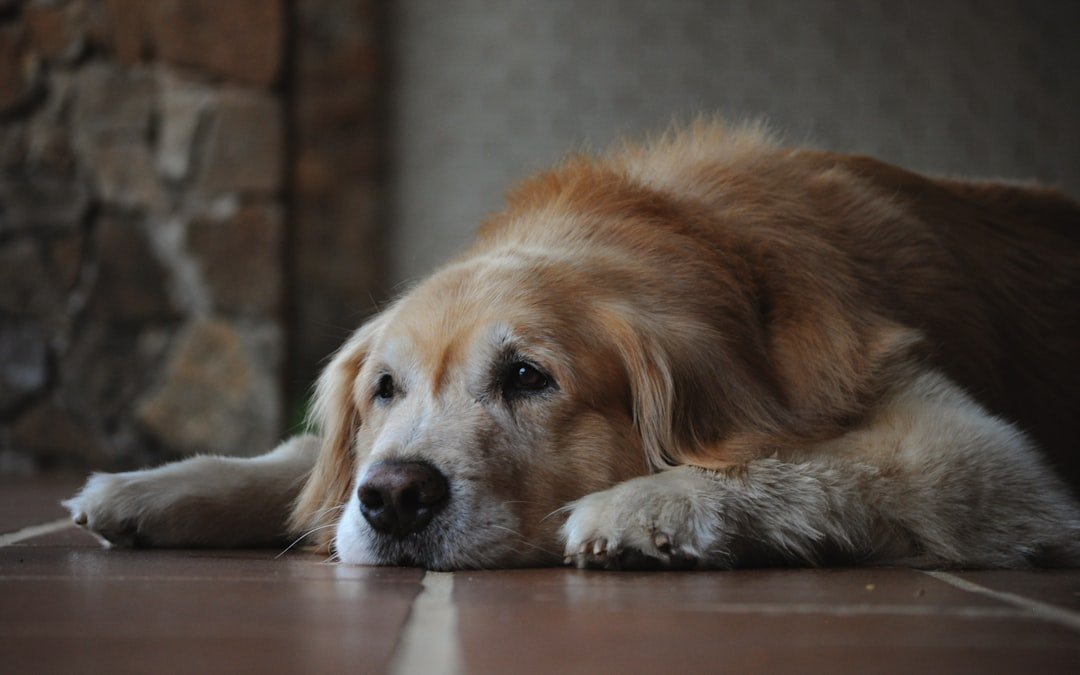
It’s a heart-wrenching moment for any dog owner: noticing your beloved companion retreating into solitude as they approach the end of their life. This behavior, while deeply emotional, is rooted in instinct and natural processes. Understanding why dogs seek isolation during their final days can help us provide the comfort and support they need.
The Instinctual Drive for Seclusion
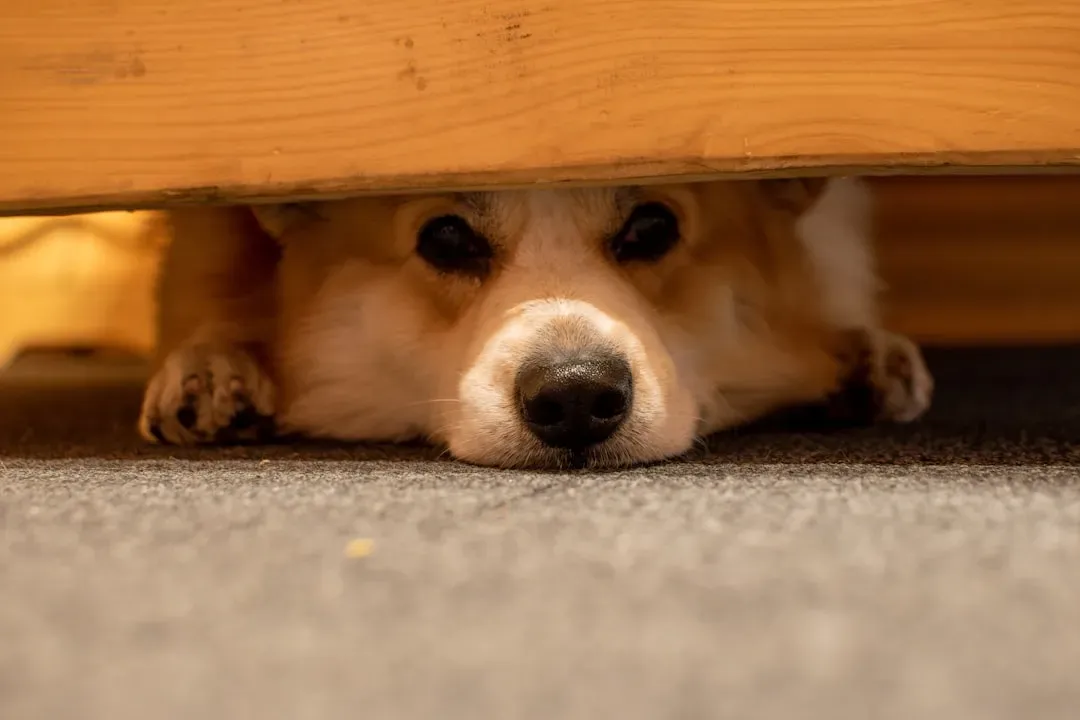
In the wild, ailing animals often isolate themselves to avoid attracting predators. This survival mechanism is deeply ingrained in domestic dogs, leading them to seek quiet, secluded places when they feel vulnerable. By doing so, they aim to protect themselves during a time of weakness.
While our homes are safe havens, this instinct remains strong. A dog may hide under furniture or retreat to a less frequented room, signaling their need for solitude as they sense their time drawing near.
Physical Discomfort and the Need for Rest
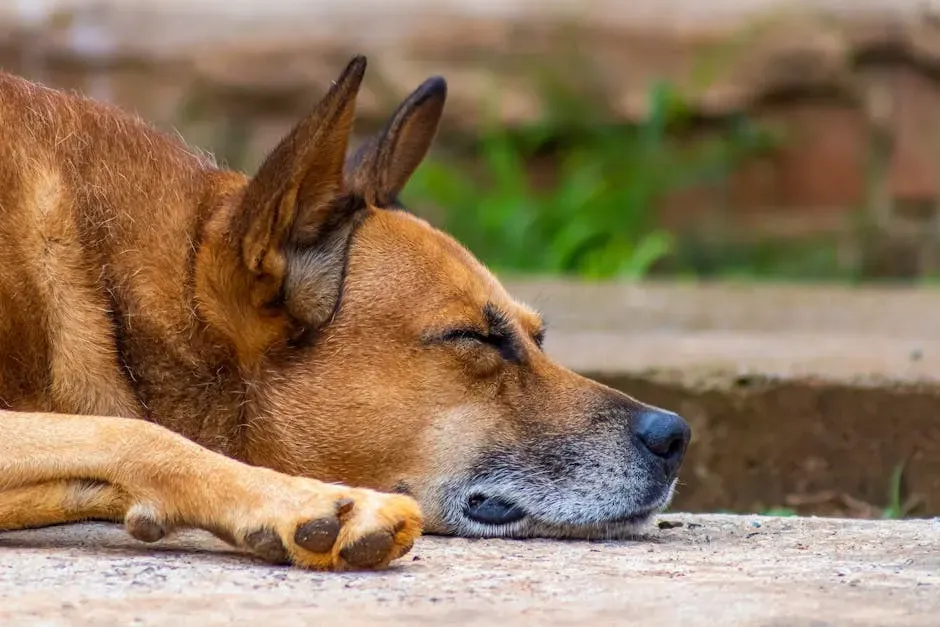
As a dog’s health declines, they may experience pain, fatigue, or confusion. Seeking a quiet place allows them to rest without disturbances, conserving their limited energy. This behavior isn’t a rejection of their human family but a self-soothing mechanism to cope with physical discomfort.
Providing a comfortable, quiet space can help alleviate some of their distress, ensuring they feel secure during this challenging time.
Behavioral Changes Signaling the End
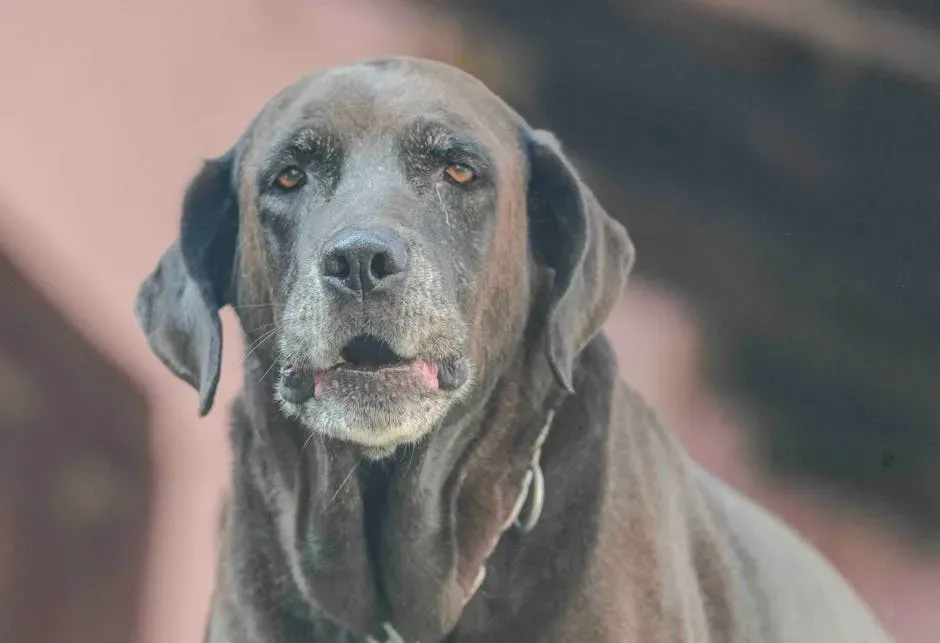
Beyond seeking solitude, dogs may exhibit other behavioral changes as they near the end of their life. These can include decreased appetite, lethargy, and reduced interest in activities they once enjoyed. Such signs indicate that their body is preparing for the final stages.
Recognizing these behaviors allows owners to offer appropriate care, ensuring their dog’s remaining time is as comfortable as possible.
Emotional Responses to Isolation
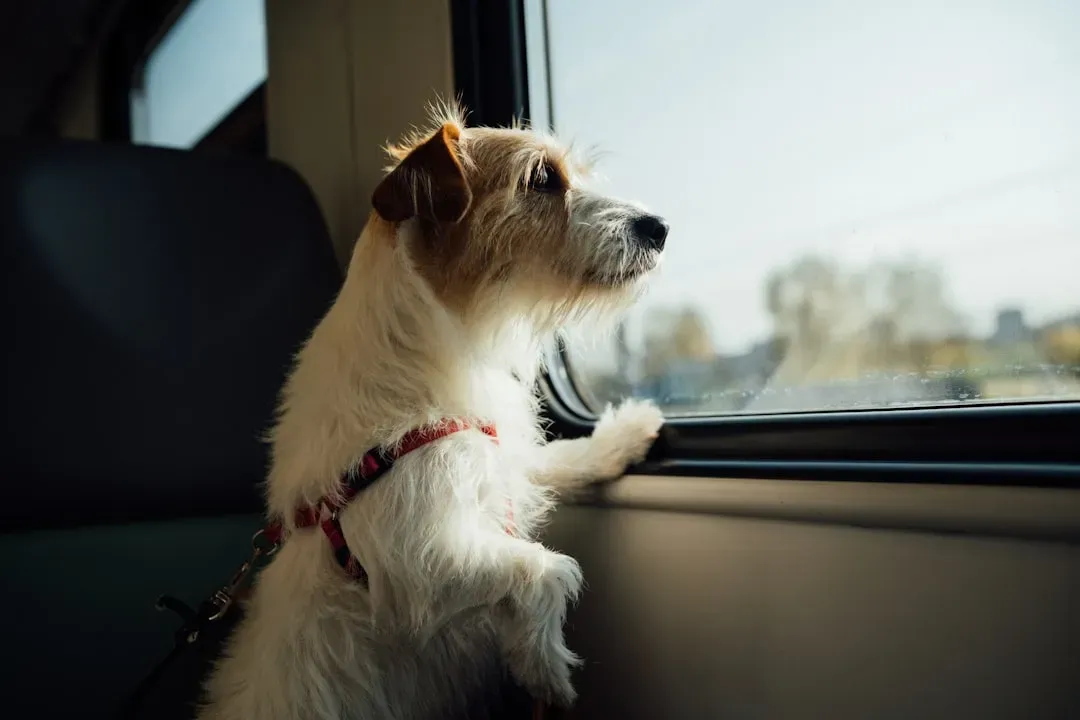
Witnessing a beloved pet withdraw can be emotionally challenging. It’s essential to understand that this behavior is not a reflection of their bond with you but a natural response to their condition. Respecting their need for solitude while offering gentle companionship when they seek it can provide mutual comfort.
Balancing their need for space with moments of closeness ensures they feel loved without overwhelming them during their final days.
Providing Comfort During Their Final Days
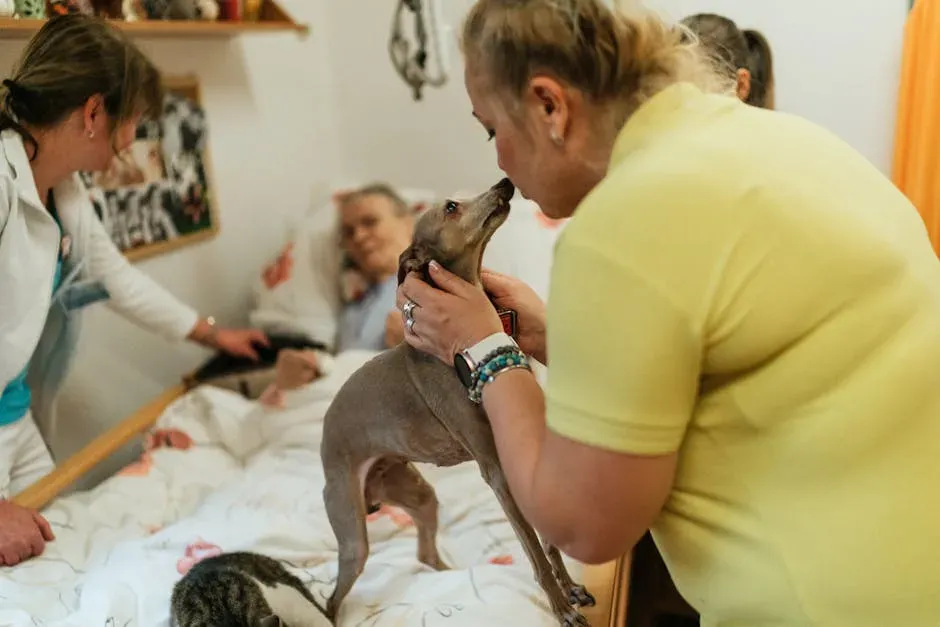
Creating a serene environment is crucial. Ensure their resting area is quiet, comfortable, and free from disturbances. Soft bedding, familiar scents, and a calm atmosphere can make a significant difference in their comfort levels.
Additionally, maintaining a routine as much as possible can provide a sense of normalcy, helping to ease any anxiety they might feel during this transition.
When to Seek Veterinary Guidance
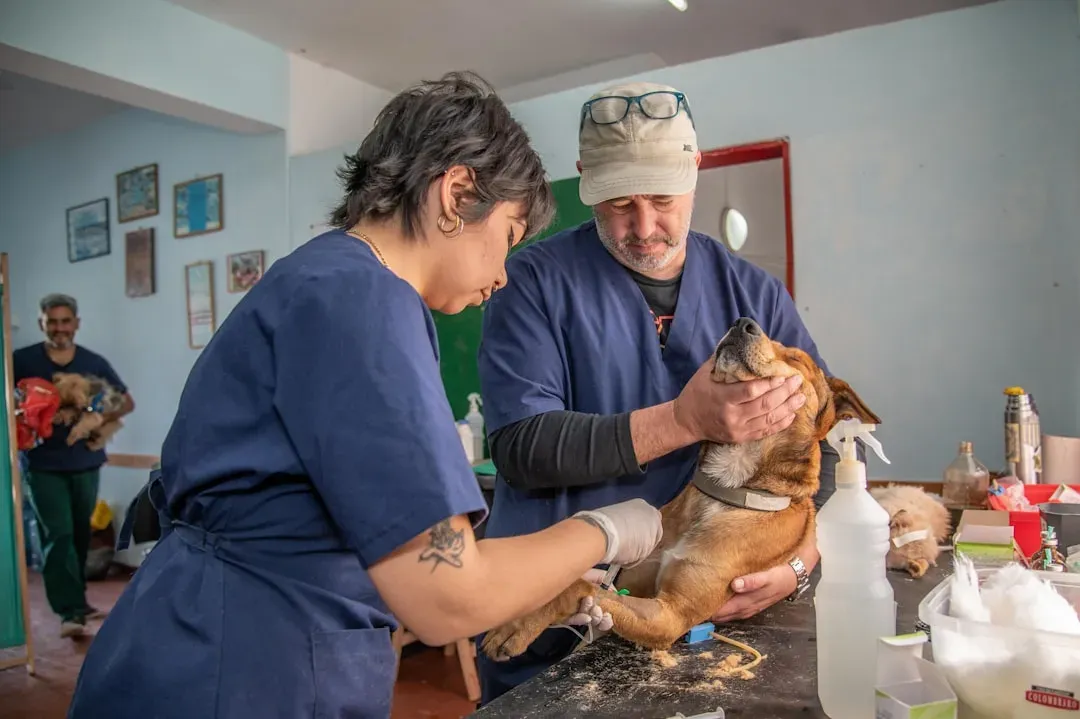
While some behaviors are natural, it’s essential to consult with a veterinarian to ensure your dog’s comfort and to discuss end-of-life care options. They can provide guidance on pain management, nutritional support, and when it might be time to consider humane euthanasia.
Open communication with your vet ensures that you make informed decisions that prioritize your dog’s well-being.
Honoring Their Final Goodbye
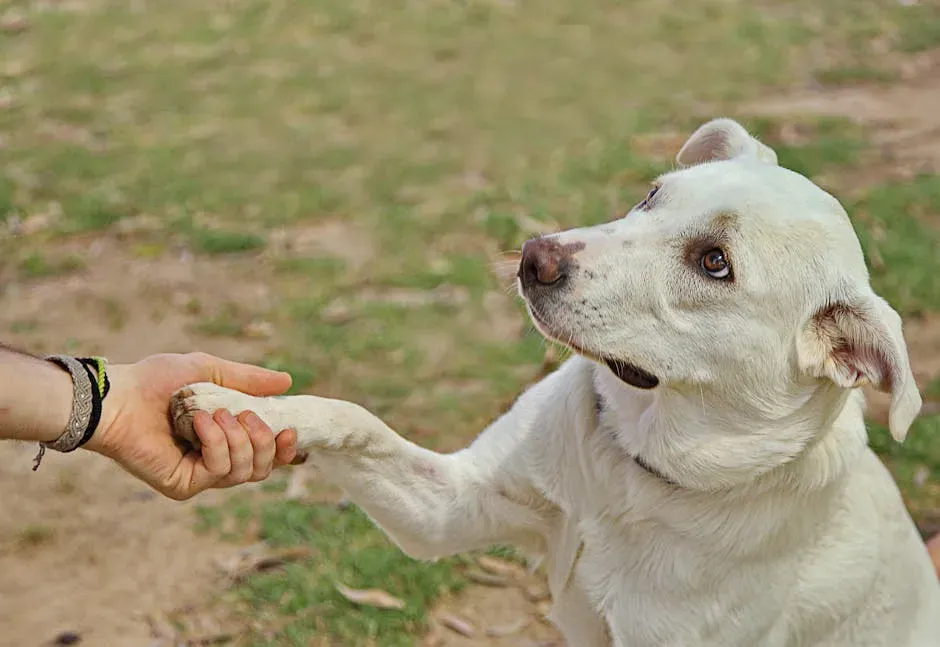
As difficult as it is, being present during your dog’s final moments can be a profound act of love. Offering gentle words, soft strokes, and simply being there provides reassurance to your pet as they pass.
After their passing, taking time to grieve and remember the joy they brought into your life can aid in the healing process, honoring the bond you shared.
Understanding why dogs seek solitude as they near the end helps us navigate this painful journey with empathy and compassion. By respecting their instincts and providing unwavering support, we can ensure their final days are filled with love and dignity.
Have you noticed similar behaviors in your pets? How did you provide comfort during their final days?


