

Ever noticed how your dog seems to anticipate mealtime or gets excited when it’s time for a walk? This isn’t just a quirky behavior; it’s deeply rooted in canine psychology. Dogs thrive on routine, and adhering to a consistent household schedule can significantly enhance their emotional well-being.
The Science Behind Canine Routine

Dogs, much like humans, possess an internal clock known as the circadian rhythm. This biological mechanism regulates sleep, feeding, and activity patterns. When daily activities align with this rhythm, dogs experience reduced stress and improved overall health. Consistent routines help synchronize their internal processes, leading to a more balanced and contented pet.
Moreover, predictability in a dog’s environment fosters a sense of security. When they know what to expect and when to expect it, their anxiety levels decrease, allowing them to navigate their world with confidence.
Reducing Anxiety Through Predictability

Uncertainty can be a significant source of stress for dogs. An unpredictable environment may lead to behaviors such as excessive barking, destructive chewing, or restlessness. Establishing a consistent routine provides a framework that helps mitigate these anxiety-induced behaviors.
For instance, regular feeding times and scheduled walks signal to the dog that their basic needs will be met reliably. This assurance reduces the likelihood of stress-related issues and promotes a calm demeanor.
Enhancing Training and Behavior
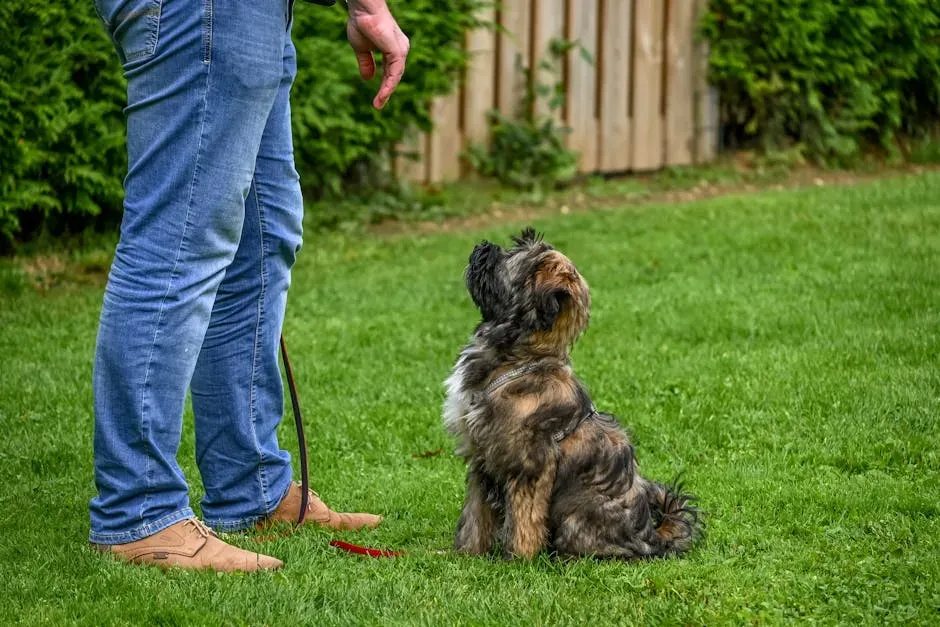
Consistency is a cornerstone of effective dog training. When commands, rewards, and daily schedules are predictable, dogs learn faster and retain information better. A structured routine reinforces desired behaviors and discourages undesirable ones.
For example, if a dog knows that sitting calmly before a walk leads to the leash being attached, they’re more likely to exhibit that behavior consistently. This predictability makes training sessions more productive and strengthens the bond between the dog and owner.
Supporting Physical Health

Regular routines contribute to a dog’s physical well-being. Scheduled feeding times aid in digestion and help maintain a healthy weight. Consistent exercise routines ensure that dogs receive adequate physical activity, reducing the risk of obesity and related health issues.
Additionally, predictable rest periods allow dogs to get the necessary sleep, which is vital for their overall health and energy levels.
Building Trust and Strengthening Bonds

Trust is fundamental in the human-dog relationship. Consistent routines signal to the dog that their owner is reliable and attentive to their needs. This reliability fosters a deeper bond and mutual respect.
When dogs feel secure in their environment and trust their owners, they’re more likely to exhibit affectionate behaviors and show eagerness to please, enhancing the companionship experience.
Adapting to Life Changes

Life is full of changes, and while some are unavoidable, maintaining certain routines can help dogs adjust more comfortably. Whether it’s moving to a new home, introducing a new family member, or changes in the owner’s schedule, keeping key routines intact provides a sense of normalcy for the dog.
For instance, if a family moves to a new house, continuing with the same feeding and walking schedule can help the dog acclimate to the new environment more quickly.
Balancing Routine with Flexibility

While routines are beneficial, it’s also essential to introduce some variability to prevent rigidity. Occasional changes, like taking a different route during walks or introducing new toys, can provide mental stimulation and prevent boredom.
The key is to maintain a balance where the dog feels secure in their routine but is also adaptable to minor changes, promoting resilience and a well-rounded temperament.
In conclusion, establishing and maintaining consistent household routines play a pivotal role in a dog’s emotional security. By providing predictability, reducing anxiety, and fostering trust, routines contribute to a happier, healthier canine companion. So, next time you consider altering your dog’s schedule, remember: consistency isn’t just convenient – it’s crucial for their well-being.


