

Imagine coming home to an empty house after losing a loved one. The silence is deafening, and the void feels insurmountable. Now, picture a loyal dog greeting you at the door, offering unconditional love and companionship. For individuals over 50 navigating the turbulent waters of grief, a canine companion can be a beacon of comfort and healing.
The Unwavering Presence of a Loyal Friend
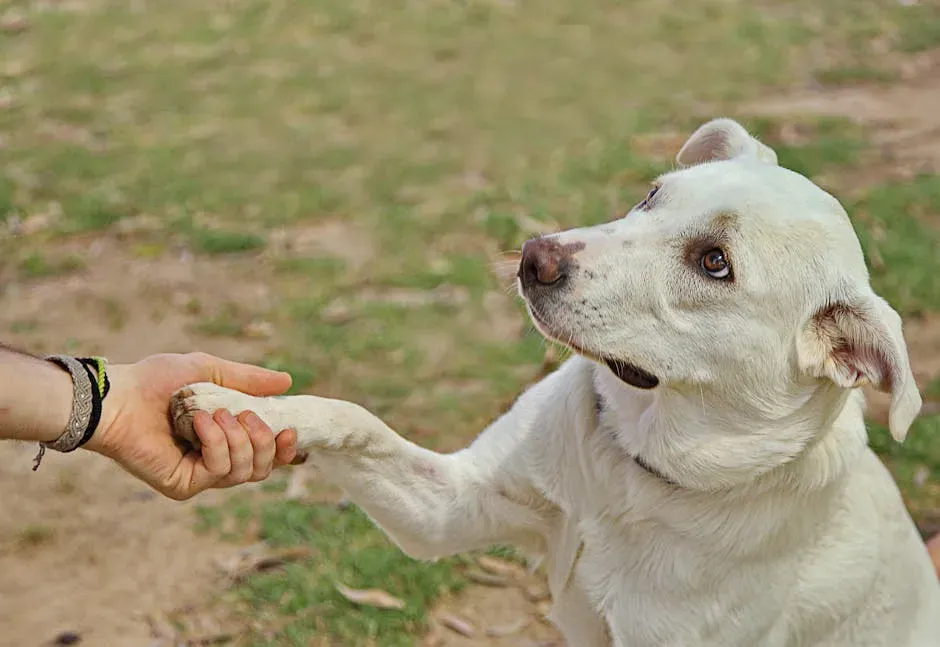
In the aftermath of loss, the absence of a loved one can make daily life feel hollow. Dogs, with their steadfast loyalty, fill this void by providing consistent companionship. Their mere presence can alleviate feelings of loneliness, offering a sense of purpose and routine that is often disrupted by grief.
Unlike human interactions, which can sometimes be fraught with complexities, a dog’s affection is straightforward and unconditional. This simplicity can be profoundly comforting, especially when navigating the emotional labyrinth of bereavement.
Encouraging Physical Activity and Routine
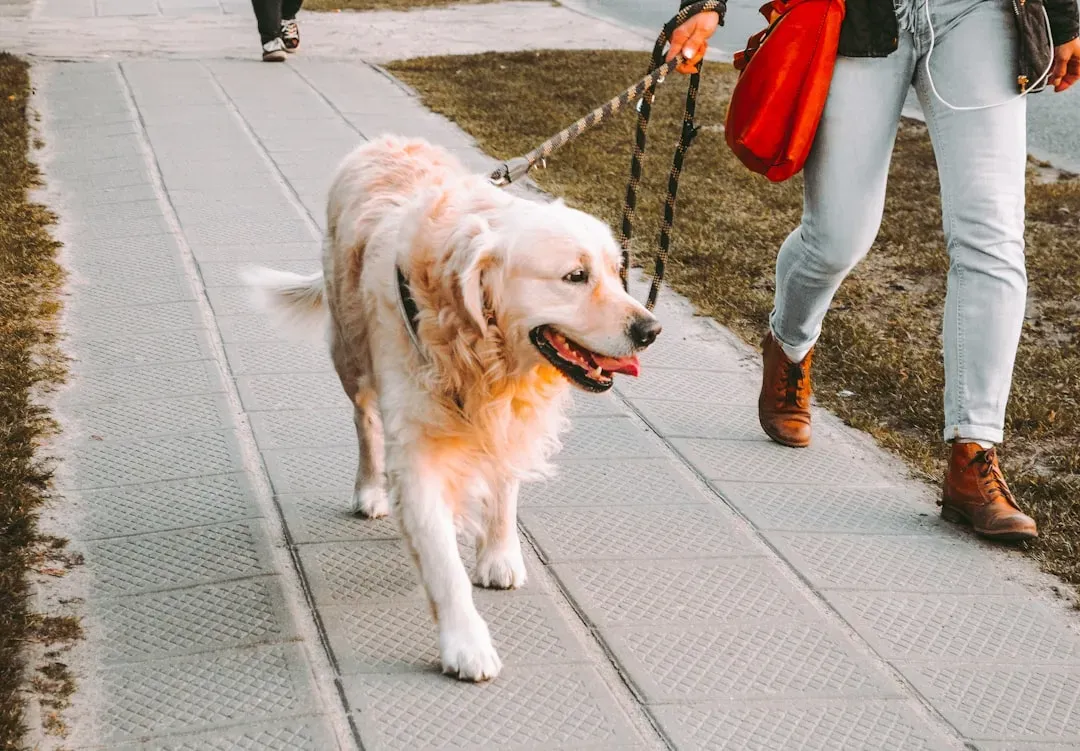
Grief can lead to inertia, making it challenging to maintain daily routines. Dogs require regular walks and care, compelling their owners to engage in physical activity. This not only benefits physical health but also promotes mental well-being by releasing endorphins that combat depression.
Establishing a daily routine centered around a dog’s needs can provide structure, helping individuals over 50 regain a sense of normalcy and control in their lives during a period of upheaval.
Facilitating Social Connections
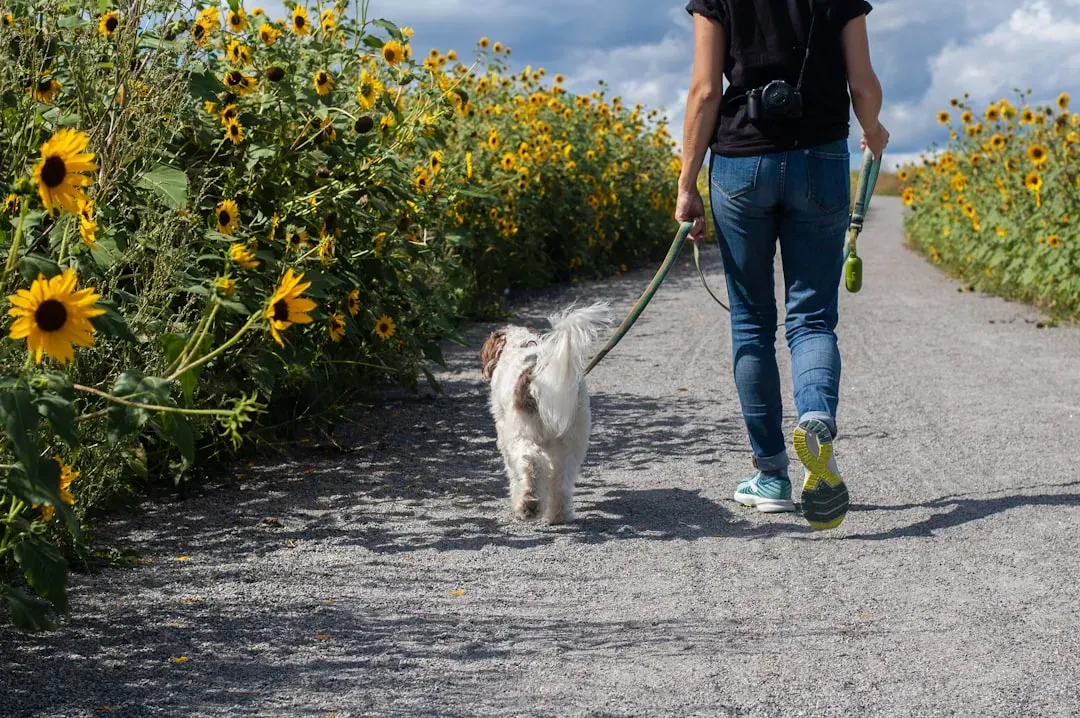
Walking a dog often leads to spontaneous interactions with other pet owners and neighbors. These encounters can blossom into meaningful social connections, reducing the isolation that frequently accompanies grief.
For those over 50, expanding social circles can be challenging. A dog serves as a natural icebreaker, fostering conversations and friendships that might not have occurred otherwise.
Providing Emotional Support and Comfort
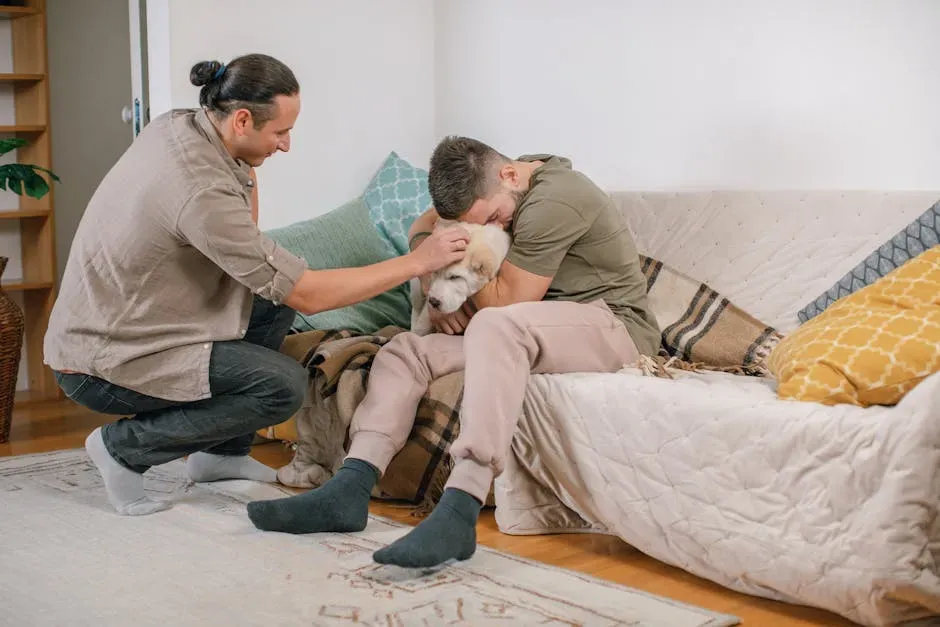
Dogs are attuned to human emotions and can sense when their owners are distressed. Their intuitive nature allows them to offer comfort through physical closeness, such as resting their head on a lap or simply sitting nearby.
This non-verbal support can be incredibly soothing, providing a safe space for individuals to express their emotions without fear of judgment or misunderstanding.
Reducing Stress and Anxiety
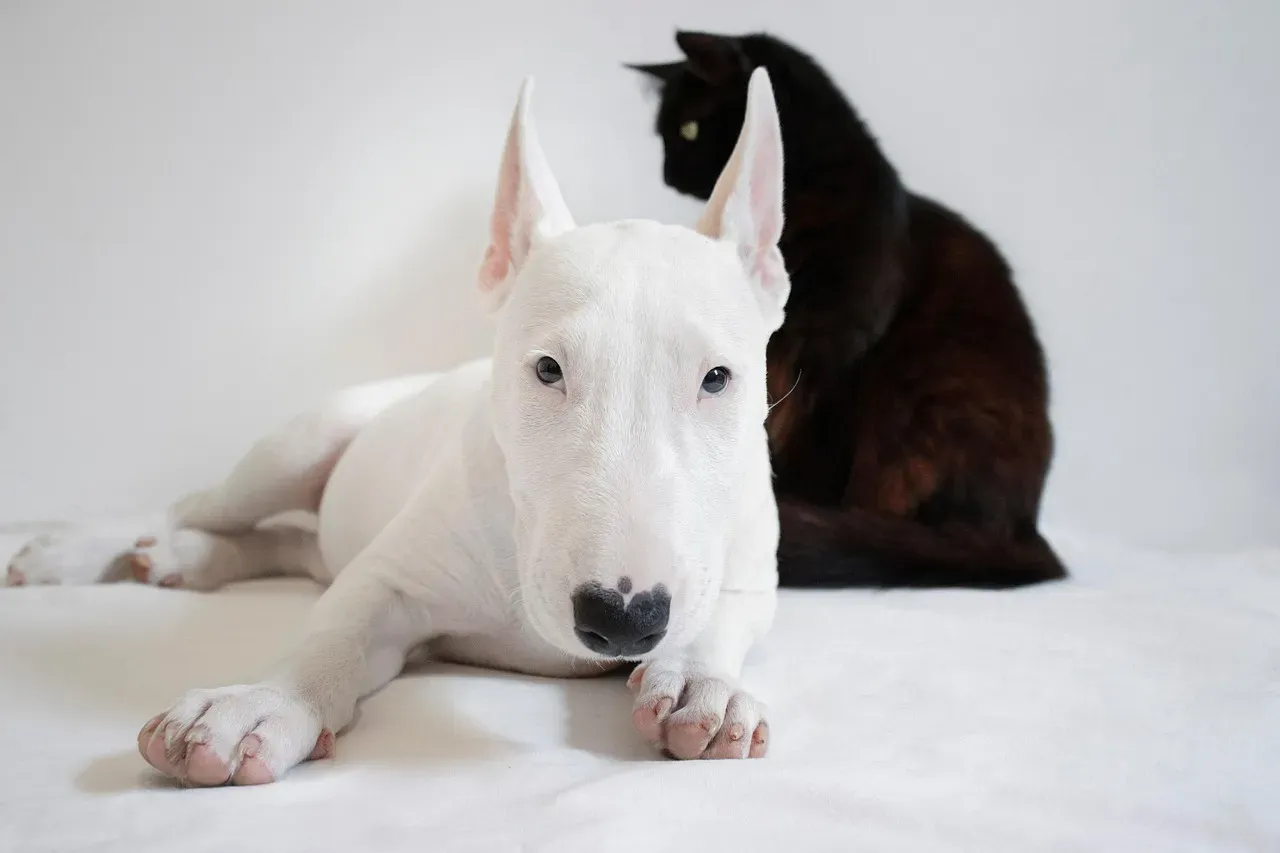
Interacting with dogs has been shown to lower cortisol levels, the hormone associated with stress. The act of petting a dog can induce a calming effect, reducing anxiety and promoting a sense of peace.
For those over 50 dealing with the compounded stresses of aging and loss, a dog’s presence can serve as a natural remedy to alleviate tension and promote relaxation.
Offering a Sense of Purpose
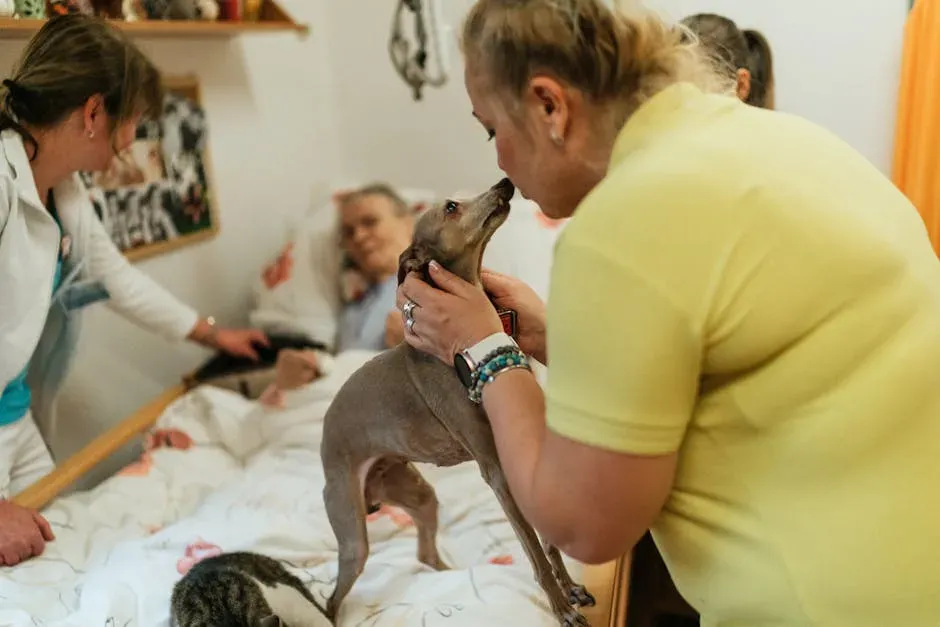
Caring for a dog instills a sense of responsibility and purpose. Knowing that another living being depends on them can motivate individuals to stay active and engaged, counteracting the aimlessness that can accompany grief.
This renewed sense of purpose can be particularly beneficial for those over 50, as it encourages continued personal growth and engagement with life.
Enhancing Overall Well-being
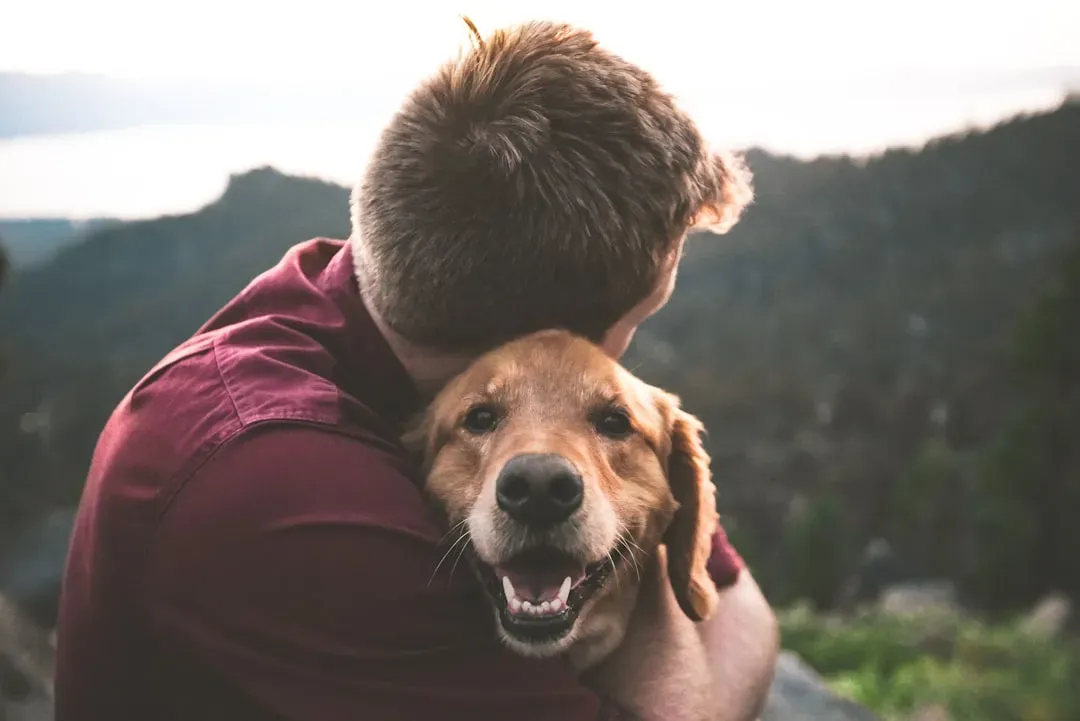
The combined effects of companionship, physical activity, social interaction, and emotional support contribute to an overall improvement in well-being. Studies have shown that dog owners often experience lower blood pressure, reduced cholesterol levels, and a decreased risk of heart disease.
For individuals over 50, these health benefits are especially significant, promoting longevity and a higher quality of life during a time when health concerns may be more prevalent.
In conclusion, while the journey through grief is deeply personal and unique, the companionship of a dog offers a multifaceted support system that addresses emotional, physical, and social needs. For those over 50 who have lost a loved one, embracing the love and loyalty of a canine friend can be a transformative step toward healing and rediscovering joy in life. Could a furry companion be the key to navigating your path through grief?


