
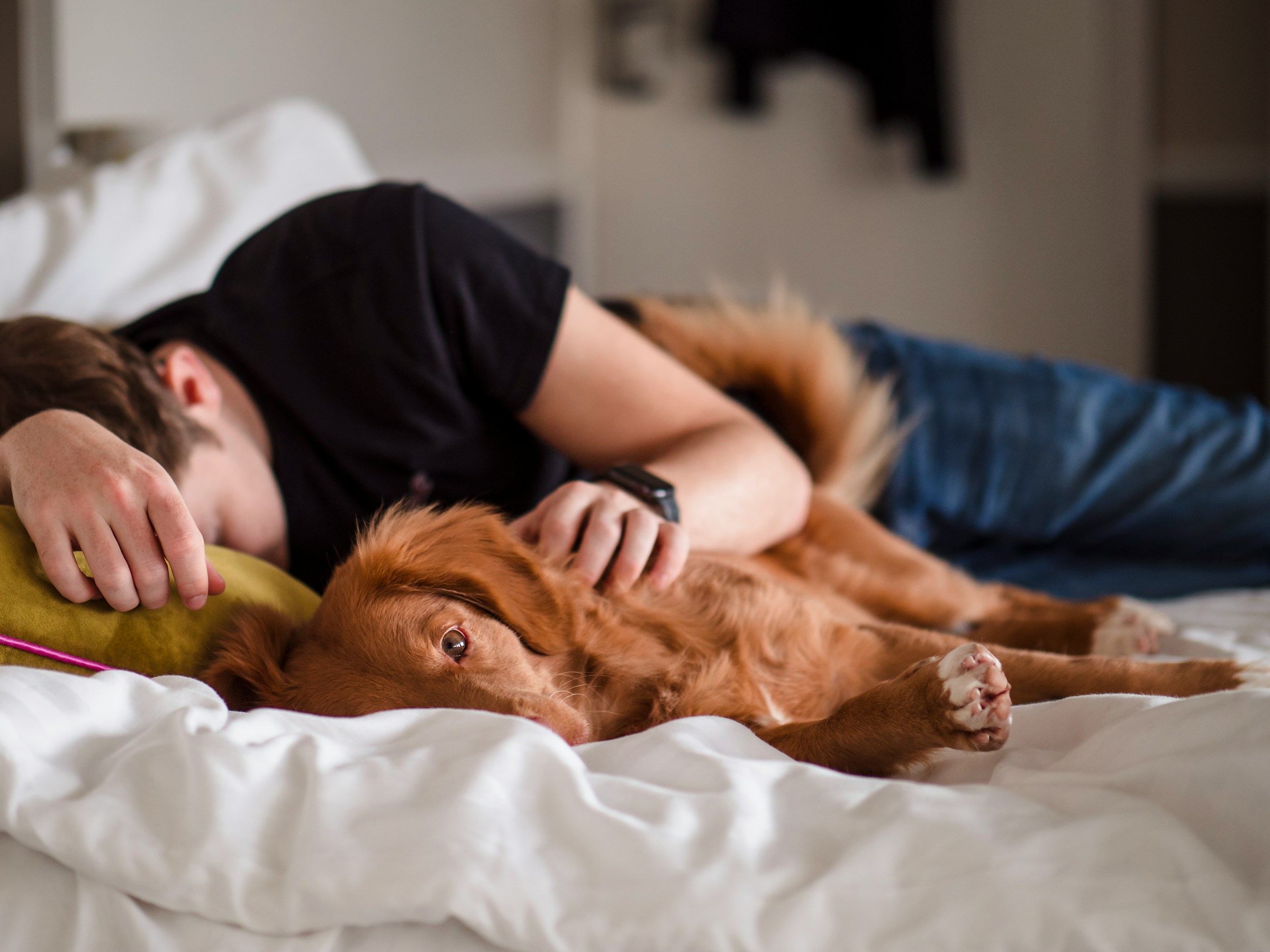
Ever noticed your dog snuggling up with their back pressed firmly against you during sleep? While it might seem like a simple act of seeking warmth, this behavior delves deeper into the realms of canine psychology, revealing profound insights into your dog’s trust and perception of safety.
The Instinctual Roots of Back-to-Back Sleeping
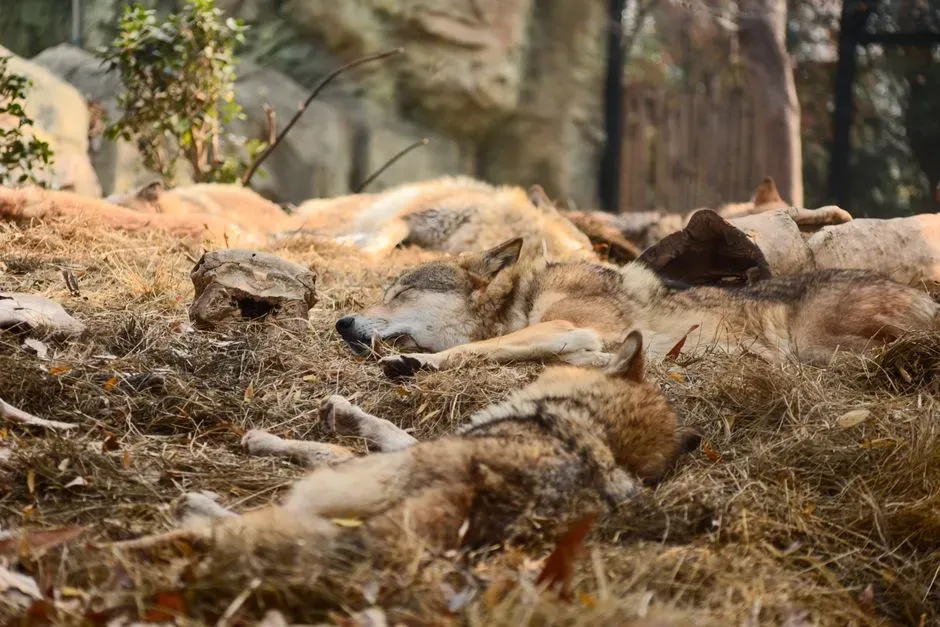
In the wild, wolves and other canines sleep in close-knit packs, often resting back-to-back. This formation serves as a protective mechanism, allowing them to guard against potential threats from all directions. When your domesticated dog mirrors this behavior by sleeping with their back against you, it’s a testament to their deep-seated instincts and their view of you as a trusted pack member.
This position not only offers physical warmth but also emotional security. By turning their back to you, your dog is signaling that they feel safe enough to let their guard down, trusting you to watch over them as they rest.
Trust and Vulnerability: A Canine’s Perspective
For a dog, exposing their back is a vulnerable act. In the animal kingdom, the back is a less defensible area, and turning it towards someone indicates a high level of trust. When your dog chooses to sleep with their back pressed against you, they’re expressing a profound sense of security and confidence in your presence.
This behavior underscores the bond you’ve built with your canine companion. It’s their way of saying, “I trust you to protect me while I sleep,” highlighting the depth of your relationship.
Comfort and Affection: More Than Just Warmth

Beyond the instinctual and trust aspects, this sleeping position also speaks volumes about your dog’s affection for you. Physical closeness during rest is a dog’s way of seeking comfort and reinforcing social bonds. By choosing to sleep pressed against you, your dog is expressing their desire to be close, both physically and emotionally.
It’s a heartwarming reminder of the mutual love and companionship that defines the human-dog relationship. This simple act of closeness can strengthen the bond you share, fostering a deeper connection.
Recognizing Individual Preferences and Boundaries

While many dogs exhibit this behavior, it’s essential to recognize that each dog is unique. Some may prefer sleeping at a distance or in their own space, and that’s perfectly normal. Respecting your dog’s individual preferences is crucial in maintaining a healthy and trusting relationship.
Observing and understanding your dog’s sleeping habits can provide valuable insights into their comfort levels and emotional well-being. It’s a gentle reminder that, just like humans, dogs have their own personalities and boundaries.
When to Be Concerned: Changes in Sleeping Behavior

Sudden changes in your dog’s sleeping patterns or positions can be indicative of underlying issues. If your dog, who usually sleeps pressed against you, starts seeking isolation or displays restlessness, it might be a sign of discomfort, anxiety, or health concerns.
In such cases, it’s advisable to consult with a veterinarian or a canine behaviorist to ensure your dog’s well-being. Being attuned to these changes can help address potential problems early on, ensuring your dog’s continued comfort and happiness.
Strengthening the Bond: Encouraging Positive Sleeping Habits

If you cherish this close sleeping behavior, there are ways to encourage it. Creating a comfortable sleeping environment, maintaining a consistent routine, and spending quality time together can reinforce your dog’s sense of security and trust.
However, it’s essential to let this behavior develop naturally. Forcing closeness can have the opposite effect, making your dog feel pressured or anxious. Allow your dog to choose their comfort level, and cherish the moments of closeness they offer.
Conclusion
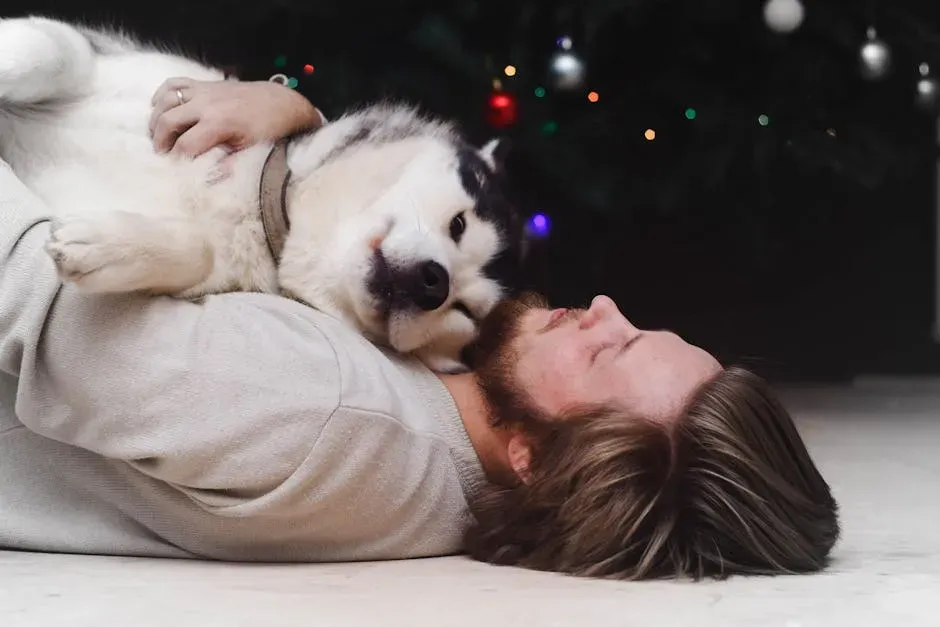
When your dog sleeps with their back against you, it’s more than just a quest for warmth. It’s a profound expression of trust, affection, and the deep bond you share. This behavior, rooted in ancient instincts, highlights the unique and cherished relationship between humans and their canine companions. So, the next time your furry friend snuggles up against you, take a moment to appreciate the silent yet powerful message they’re conveying: “You are my safe haven.” Isn’t it incredible how much our dogs communicate without saying a word?


