
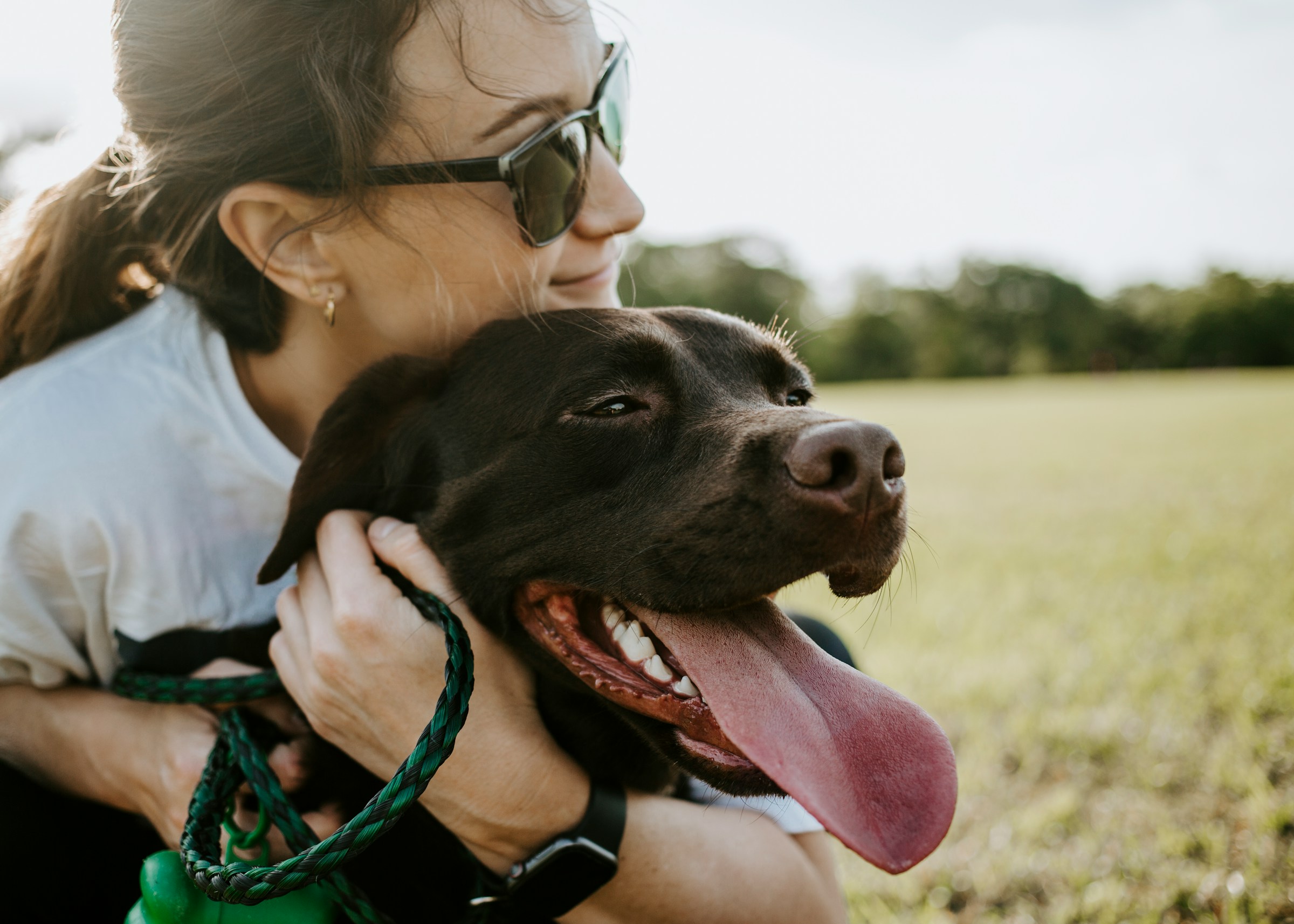
Ever noticed how your dog seems to know when you’re feeling down or when it’s time for their evening walk, even before you make a move? It’s not just your imagination. Science reveals that dogs are remarkably attuned to the emotional and daily rhythms of their human families, adapting their behaviors and emotions accordingly.
Dogs as Emotional Barometers

Dogs possess an uncanny ability to sense and mirror the emotions of their human companions. This phenomenon, known as emotional contagion, means that if you’re stressed, your dog might become anxious; if you’re joyful, they’ll likely be more playful. Studies have shown that dogs can detect subtle changes in human behavior and physiological cues, such as body language and scent, allowing them to respond appropriately to their owners’ emotional states.
For instance, research indicates that dogs can “catch” their owners’ emotions, leading to synchronized stress levels between the two. This emotional synchronization underscores the deep bond shared between humans and their canine companions, highlighting the importance of maintaining a calm and positive household environment for the well-being of both parties.
The Role of Household Rhythms

Beyond emotions, dogs are highly sensitive to the daily routines and structures within a household. They thrive on predictability, and a consistent schedule provides them with a sense of security. When mealtimes, walks, and rest periods occur at regular intervals, dogs can anticipate and prepare for these events, reducing anxiety and promoting a calm demeanor.
Conversely, erratic schedules can lead to confusion and stress in dogs. A household that maintains a steady rhythm helps in fostering a well-adjusted and content canine companion. This consistency is especially crucial during a dog’s developmental stages, as it aids in their emotional and behavioral growth.
Emotional Learning in Dogs

Dogs are not just passive observers; they actively learn from the emotional climate of their environment. This emotional learning means that a dog raised in a calm and stable household is more likely to develop a relaxed and confident demeanor. They pick up on the emotional cues of their human family members and adjust their behavior accordingly.
For example, a dog that consistently experiences a peaceful environment will learn to remain calm in various situations. On the other hand, a dog exposed to frequent tension or unpredictability may become anxious or reactive. This learning process highlights the importance of creating a positive emotional atmosphere for the holistic development of a dog.
Synchronizing Heartbeats: A Sign of Deep Connection

Recent studies have unveiled a fascinating aspect of the human-dog bond: synchronized heart rates. When dogs and their owners engage in relaxed interactions, their heart rate variability aligns, reflecting shared emotional states. This physiological synchronization is akin to the bonding observed between parents and their children, emphasizing the profound connection between humans and their canine companions.
This heart rate alignment suggests that dogs are not only emotionally attuned to their owners but also physically in sync, further solidifying the depth of their bond. Such findings underscore the importance of nurturing this connection through positive interactions and shared experiences.
Adolescence and the Importance of Routine

During a dog’s adolescent phase, maintaining a consistent household rhythm becomes even more vital. As dogs mature, they undergo various behavioral changes, and a stable routine provides the necessary structure to navigate this tumultuous period. Predictable schedules help in reinforcing desired behaviors and mitigating potential issues.
By adhering to a consistent daily routine, owners can guide their adolescent dogs through this developmental stage, ensuring they mature into well-behaved and balanced adults. This approach not only benefits the dog but also fosters a harmonious household environment.
Practical Steps for Owners

To harness the benefits of a synchronized emotional rhythm with your dog, consider implementing the following practices:
- Establish and maintain consistent daily routines for feeding, walking, and rest.
- Be mindful of your emotional state, as dogs are sensitive to human emotions and can mirror them.
- Engage in regular, calm interactions with your dog to strengthen your bond and promote emotional synchronization.
- Provide a stable and predictable environment, especially during your dog’s developmental stages.
By integrating these practices, you can create a nurturing environment that supports the emotional and behavioral well-being of your canine companion.
Conclusion
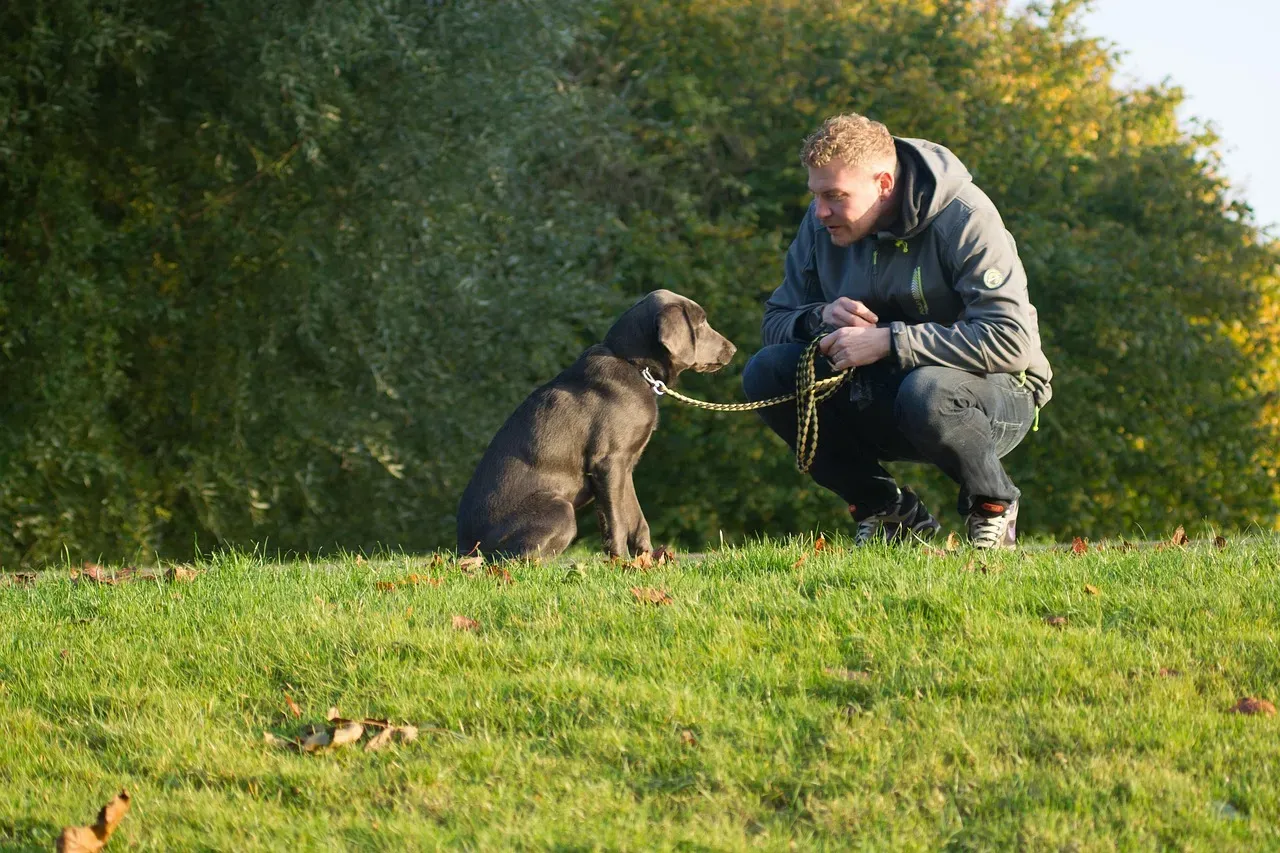
The intricate bond between humans and dogs is a testament to the deep emotional and physiological connections that can develop over time. By understanding and respecting the emotional rhythms of our households, we can foster a harmonious relationship with our canine companions. This mutual attunement not only enhances the well-being of our dogs but also enriches our own lives, creating a symbiotic relationship built on trust, empathy, and shared experiences.
So, the next time your dog seems to anticipate your mood or daily routine, remember: they’re not just following cues; they’re deeply connected to the emotional heartbeat of your home. How will you nurture this profound connection today?


