

Ever found yourself on a frantic search for a missing sock, only to discover your furry friend gleefully parading it around the house? You’re not alone. Many dog owners face this quirky behavior, leaving them puzzled and sometimes frustrated. But what’s behind this canine caper? Let’s unravel the mystery.
The Allure of Your Scent

Dogs possess an olfactory system that’s exponentially more sensitive than ours. To them, your scent isn’t just a smell; it’s a comforting presence. Your worn socks are saturated with your unique aroma, making them irresistible to your pup. It’s their way of keeping a piece of you close, especially when you’re not around.
Imagine being wrapped in a loved one’s sweater when they’re away; that’s how your dog feels with your sock. It’s a source of solace, a tangible connection to their favorite human.
Instinctual Behaviors at Play

Delving into canine ancestry, dogs are descendants of wolves, creatures that relied heavily on their sense of smell for survival. This ancestral trait manifests in modern dogs as a strong attraction to scents, especially those of their human companions. Your socks, imbued with your scent, become a focal point for this instinctual behavior.
Additionally, certain breeds have a natural inclination to retrieve and carry objects. For them, snatching a sock isn’t just mischief; it’s fulfilling an innate drive. This behavior is particularly evident in breeds like retrievers and spaniels, who were historically bred to fetch game.
Seeking Attention and Play

Dogs are astute observers of human behavior. They’ve learned that certain actions elicit specific reactions. When your dog grabs a sock and you chase after them, it becomes a thrilling game of tag. Even if you’re frustrated, the attention is rewarding for them.
To them, it’s a win-win: they get to engage in play, and they have your undivided attention. This learned behavior can become a go-to strategy for dogs seeking interaction, especially if they feel neglected or bored.
Comfort Objects and Anxiety Relief

For some dogs, especially those prone to anxiety, your socks serve as comfort objects. The familiar scent can be soothing, helping to alleviate stress during your absence. It’s akin to a child clinging to a favorite blanket or stuffed animal.
This behavior is often more pronounced in dogs with separation anxiety. The sock becomes a coping mechanism, a way to feel connected to you even when you’re not physically present.
Boredom and Lack of Stimulation

A bored dog is a mischievous dog. Without adequate mental and physical stimulation, dogs will find ways to entertain themselves, and that often involves behaviors we find undesirable. Stealing socks can be a symptom of a lack of engagement.
Ensuring your dog has plenty of toys, regular exercise, and interactive play can reduce the allure of your laundry. Remember, a tired dog is a well-behaved dog.
Teething Troubles in Puppies

Puppies explore the world with their mouths. During teething, they experience discomfort and seek out objects to chew on to alleviate the pain. Your soft, chewable socks are perfect candidates.
Providing appropriate chew toys can redirect this behavior. It’s essential to guide puppies towards acceptable items to chew, setting the foundation for good habits as they grow.
Preventing Sock Theft
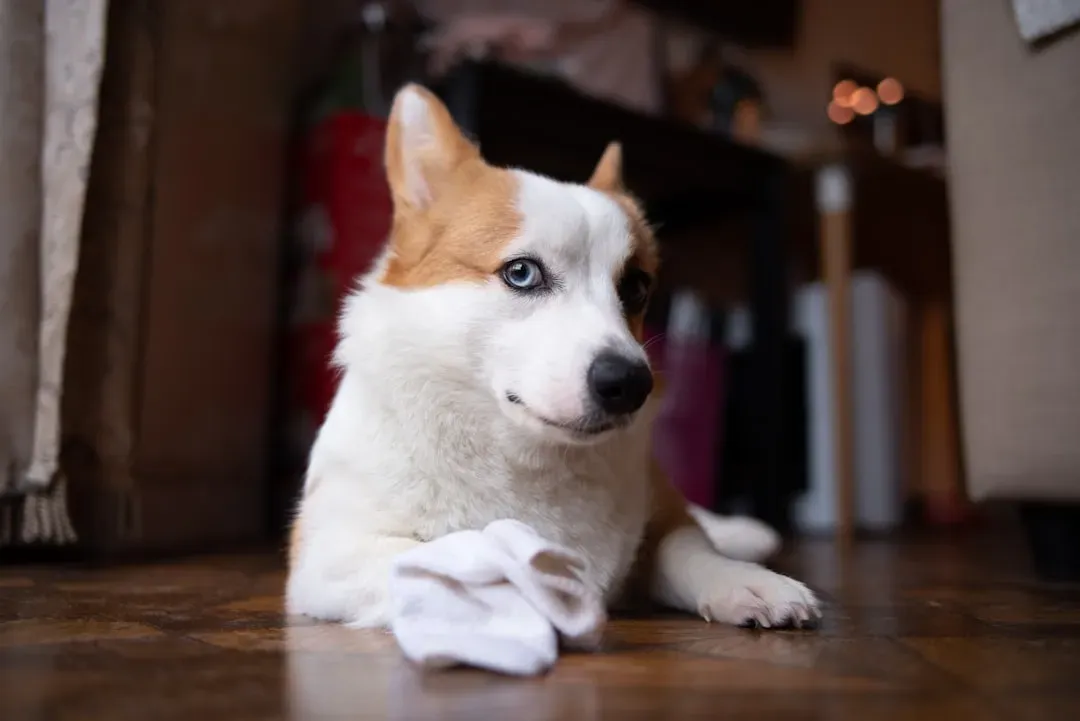
While understanding the reasons behind this behavior is crucial, prevention is equally important. Here are some strategies:
- Keep socks out of reach by using closed hampers or drawers.
- Provide a variety of engaging toys to keep your dog occupied.
- Ensure your dog gets regular exercise to burn off excess energy.
- Train commands like “leave it” or “drop it” to manage unwanted behaviors.
Consistency is key. By setting clear boundaries and providing alternatives, you can curb this sock-stealing habit.
Conclusion

At first glance, your dog’s sock-stealing antics might seem like mere mischief. However, beneath this behavior lies a complex interplay of instinct, emotion, and learned responses. By understanding the motivations behind the behavior and implementing proactive strategies, you can foster a harmonious relationship with your canine companion. After all, isn’t it fascinating how our furry friends find unique ways to stay connected with us?


