
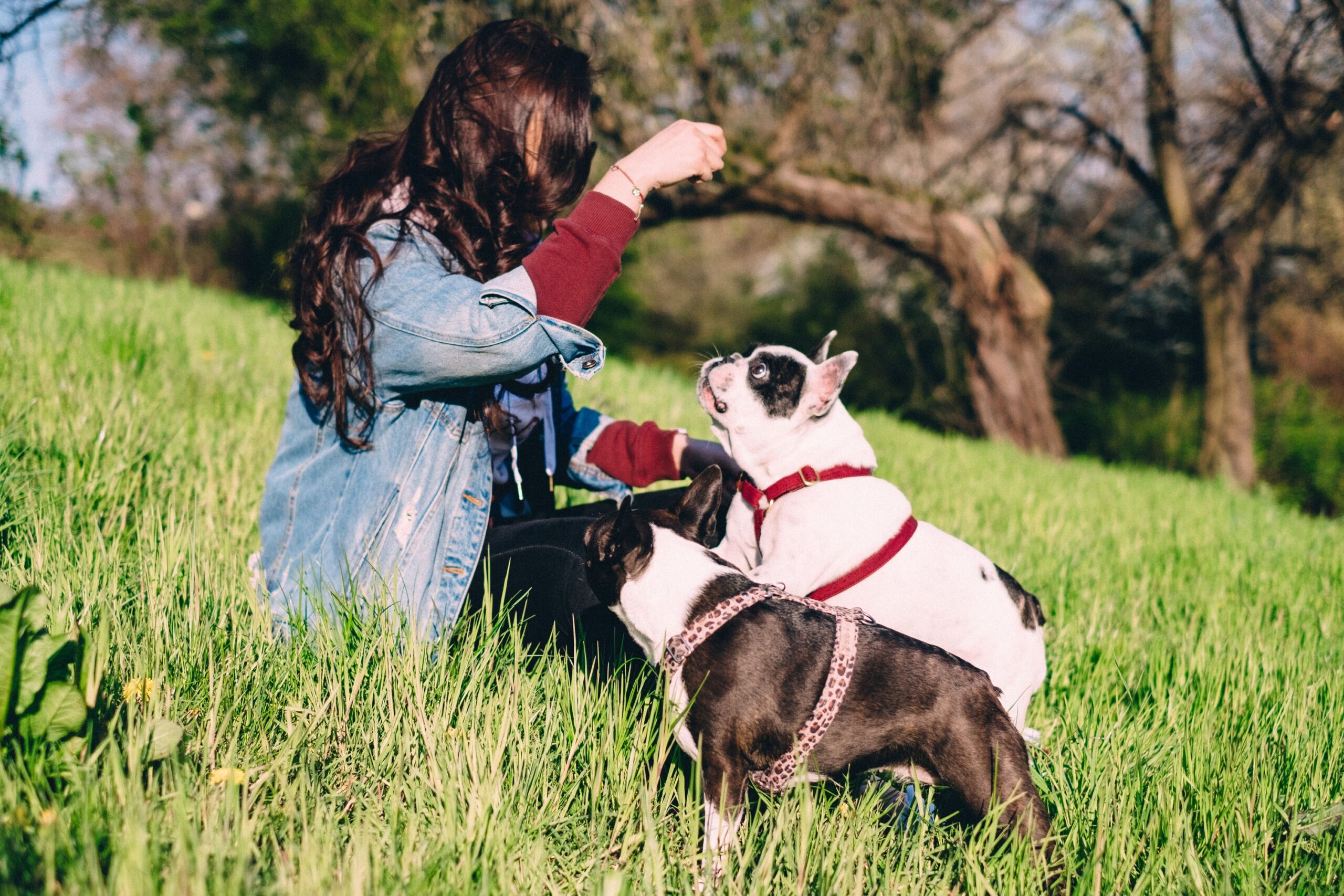
Ever wondered why your dog seems to react strongly to certain situations, even if they happened long ago? Recent studies reveal that dogs may not recall specific events in detail, but they do retain the emotional essence of those experiences for extended periods. This insight sheds light on canine behavior and deepens our understanding of our furry companions.
The Nature of Canine Memory

Dogs possess a unique memory system that differs significantly from humans. While humans rely heavily on episodic memory – recalling specific events and their contexts – dogs primarily use associative memory. This means they remember people, places, and experiences based on the associations they’ve formed, particularly those tied to emotions.
For instance, a dog might not remember the exact details of a trip to the vet but will associate the clinic’s scent or the veterinarian’s white coat with feelings of anxiety or discomfort. This associative memory is powerful and influences their reactions to similar situations in the future.
Emotional Imprints Over Specific Details

Research indicates that dogs are more likely to retain the emotional impact of an experience rather than the specific details. This phenomenon explains why a dog may exhibit fear or excitement in response to certain stimuli, even if they don’t recall the exact event that caused the emotion.
For example, a dog that had a negative encounter with a particular breed may display apprehension when encountering similar-looking dogs, even if they don’t remember the specific incident. The emotional imprint left by the experience guides their behavior more than the memory of the event itself.
Associative Memory in Action
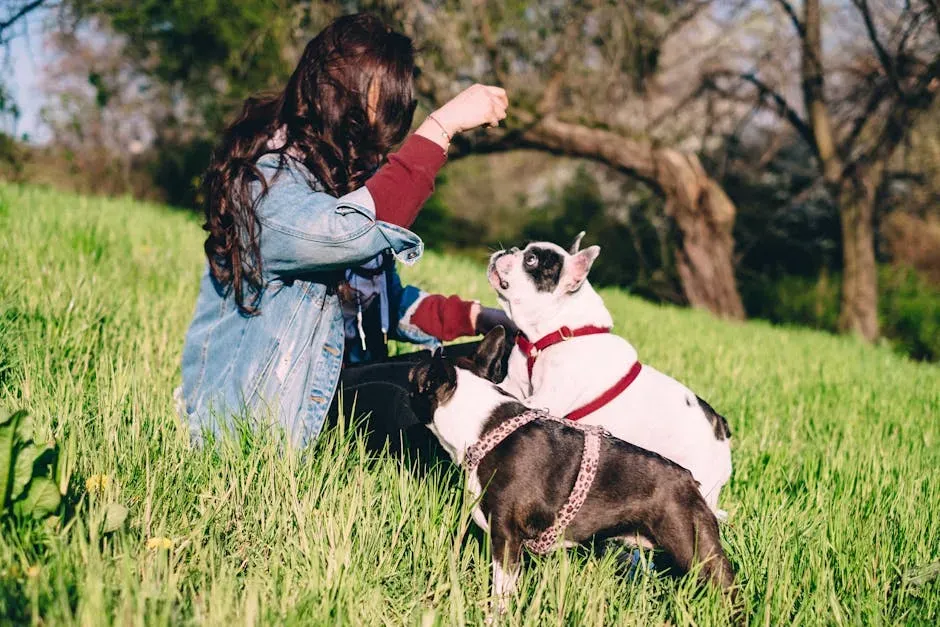
Associative memory plays a crucial role in how dogs navigate their world. They link specific cues with outcomes, leading to predictable behaviors. This is evident in training scenarios where a dog learns that sitting on command results in a treat, reinforcing the behavior through positive association.
Similarly, if a dog experiences a traumatic event in a particular location, they may associate that place with fear, leading to avoidance behavior. These associations are deeply ingrained and can persist over time, influencing a dog’s reactions and interactions.
The Role of Scent in Memory Retention
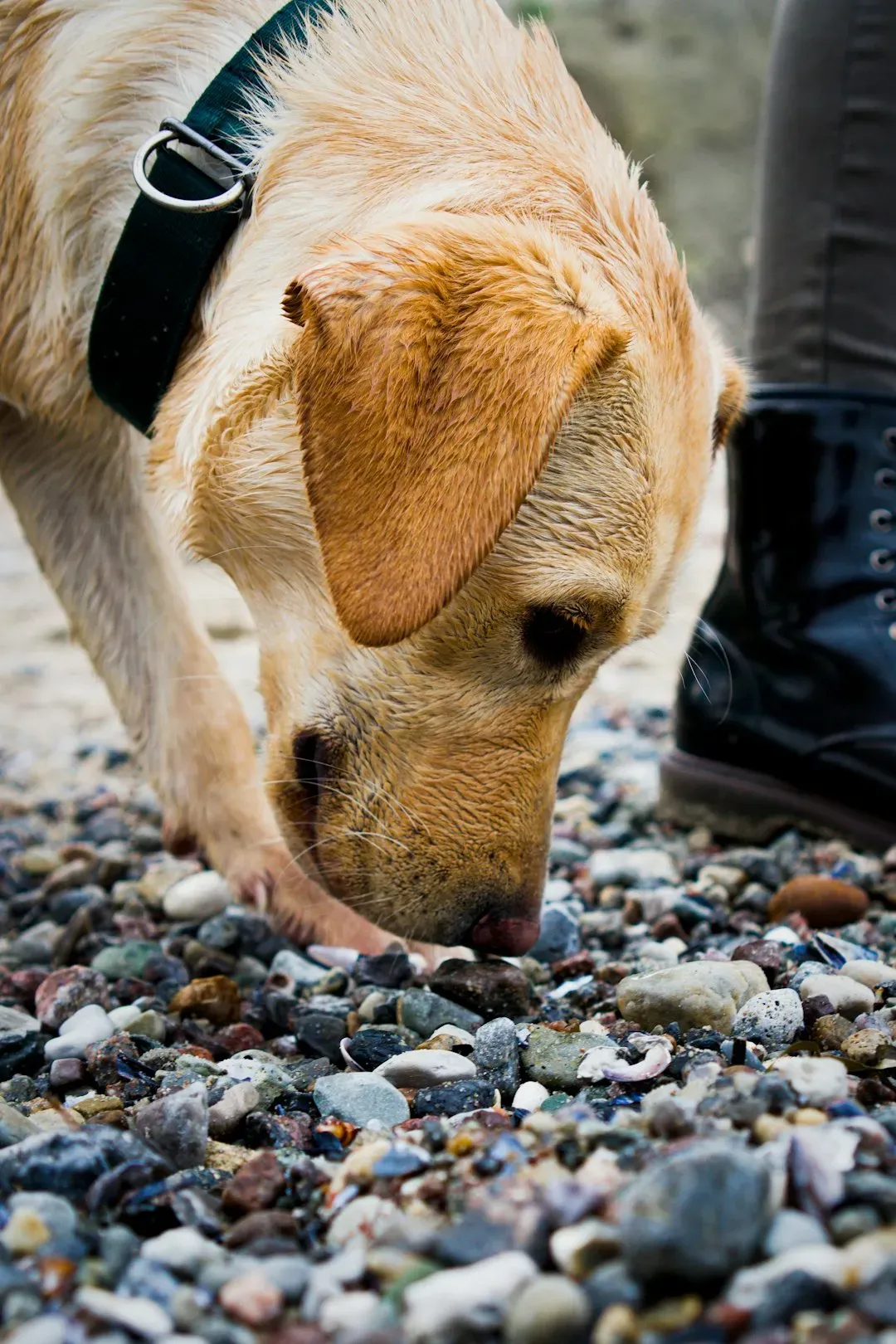
A dog’s sense of smell is remarkably acute, with olfactory receptors far surpassing those of humans. This heightened sense allows them to form strong scent-based associations, which are integral to their memory retention.
For instance, a dog may recognize a person they haven’t seen in years solely based on their scent, triggering memories associated with that individual. This olfactory memory underscores the importance of scent in a dog’s ability to recall and react to past experiences.
Implications for Training and Behavior
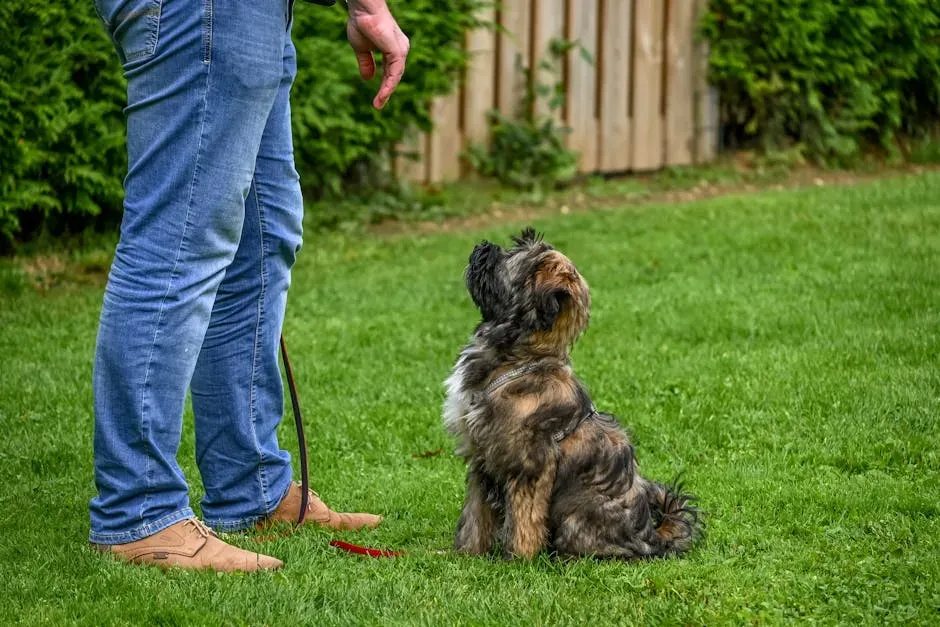
Understanding that dogs retain has significant implications for training and behavior management. Positive reinforcement techniques that create favorable associations can lead to more effective training outcomes.
Conversely, negative experiences can have lasting impacts, making it essential to approach training with patience and empathy. Recognizing the emotional weight of experiences for dogs can guide owners in fostering a supportive and positive environment.
Recognizing and Addressing Trauma
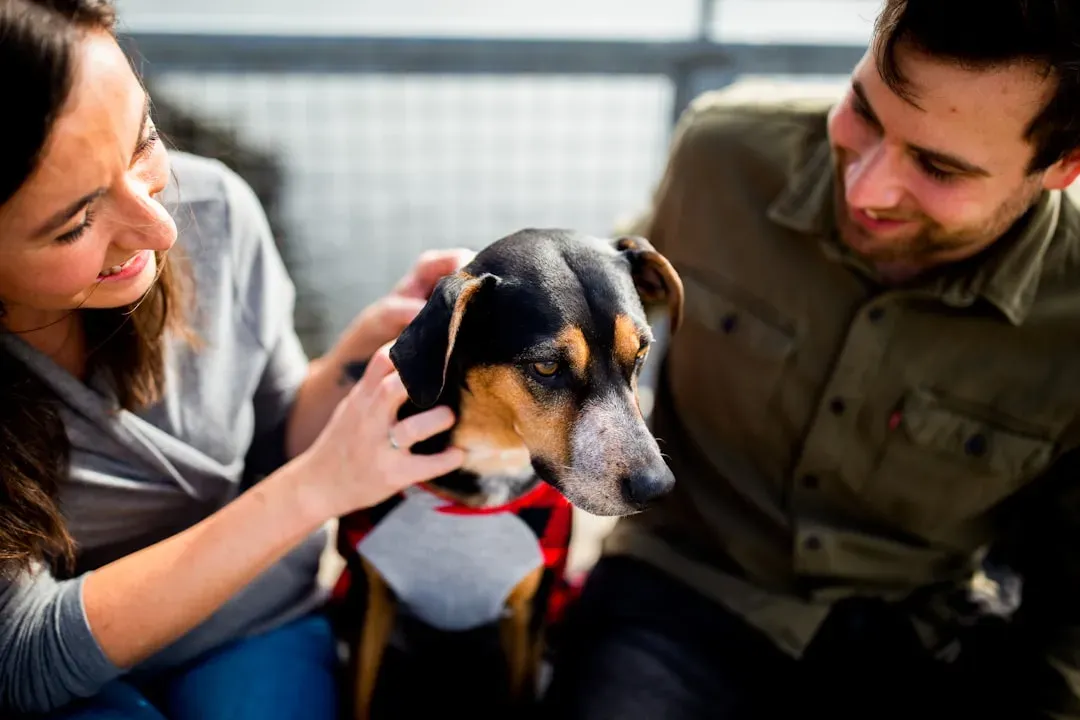
Dogs that have undergone traumatic experiences may exhibit behavioral changes rooted in their emotional memories. Signs such as anxiety, aggression, or withdrawal can indicate that a dog is grappling with past negative associations.
Addressing these behaviors requires a compassionate approach, often involving desensitization and counterconditioning techniques. By gradually exposing the dog to the feared stimulus in a controlled and positive manner, it’s possible to reshape their emotional response over time.
Conclusion

While dogs may not recall specific events with clarity, their ability to remember the emotional essence of experiences profoundly influences their behavior. This understanding emphasizes the importance of creating positive associations and handling our canine companions with care and empathy. After all, isn’t it remarkable how deeply our actions can resonate in the hearts of our loyal friends?


