

Ever noticed your dog squeezing between you and a loved one on the couch? While it might seem like a simple quest for comfort, this behavior can reveal deeper insights into your dog’s social instincts and emotional needs.
Seeking Security and Comfort

Dogs are pack animals by nature, and their ancestors relied on close physical proximity for safety and warmth. When your dog nestles between you and another family member, they might be seeking the same sense of security. This position allows them to feel protected on both sides, reducing anxiety and providing comfort.
Additionally, this behavior can be a response to unfamiliar or stressful situations. If your dog tends to position themselves between family members during loud noises or when strangers are present, it’s likely they’re seeking reassurance from their trusted humans.
Displaying Affection and Bonding

Physical closeness is a primary way dogs express affection. By sitting between two family members, your dog is strengthening their bond with both individuals simultaneously. This behavior signifies trust and a desire to be close to their loved ones.
Moreover, this positioning allows your dog to receive attention from both sides, maximizing their social interactions and reinforcing their place within the family unit.
Asserting Social Position

In some cases, a dog sitting between two people may be subtly asserting their social position within the family. This behavior can be a way of claiming attention or ensuring they remain the center of focus.
It’s important to observe your dog’s overall body language. If they appear relaxed and content, it’s likely a benign behavior. However, if accompanied by signs of tension or guarding, it may indicate a need to address underlying dominance behaviors.
Responding to Anxiety or Stress
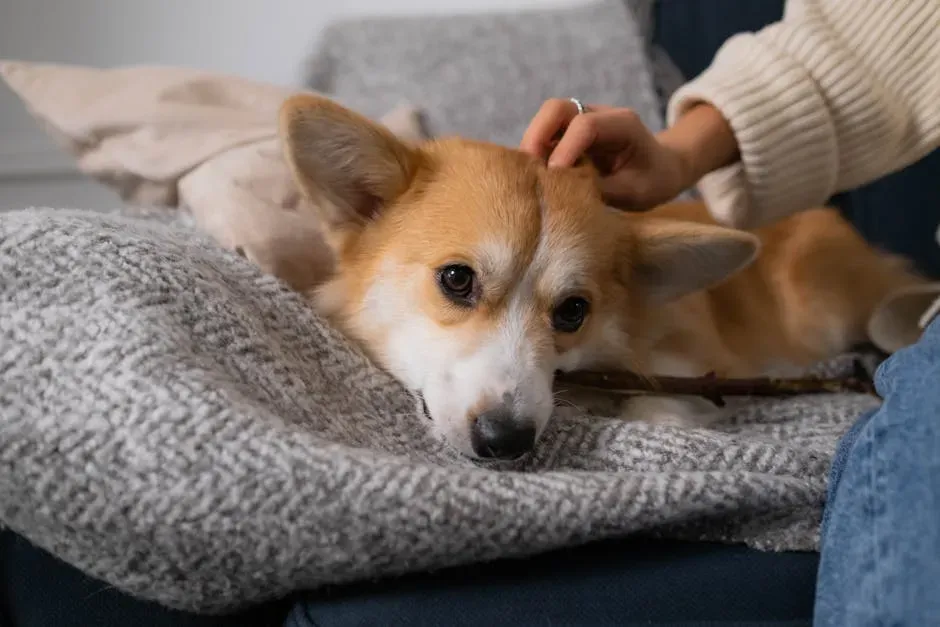
Dogs often seek physical closeness when they’re feeling anxious or stressed. Sitting between two family members can provide a sense of safety and help alleviate their discomfort.
If your dog exhibits this behavior during specific events, such as thunderstorms or visits from unfamiliar guests, it’s a sign they’re looking for comfort and protection from their trusted humans.
Learned Behavior and Positive Reinforcement
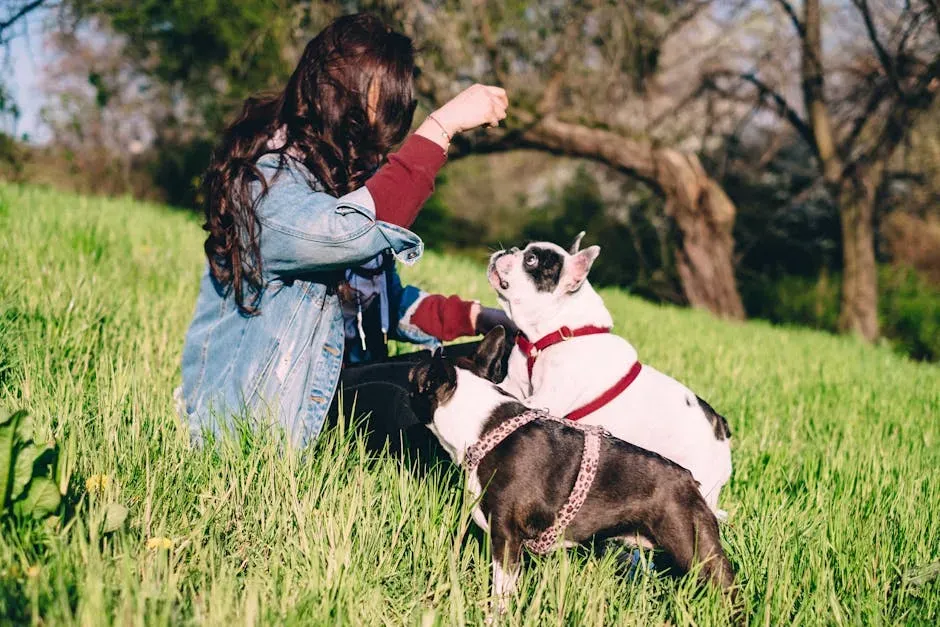
Sometimes, dogs learn that sitting between family members results in positive attention, such as petting or verbal praise. Over time, this behavior can become a learned strategy to gain affection.
If you notice your dog consistently seeking this position, consider whether past interactions have reinforced the behavior. Being mindful of your responses can help manage and guide your dog’s actions appropriately.
Observing Body Language for Context
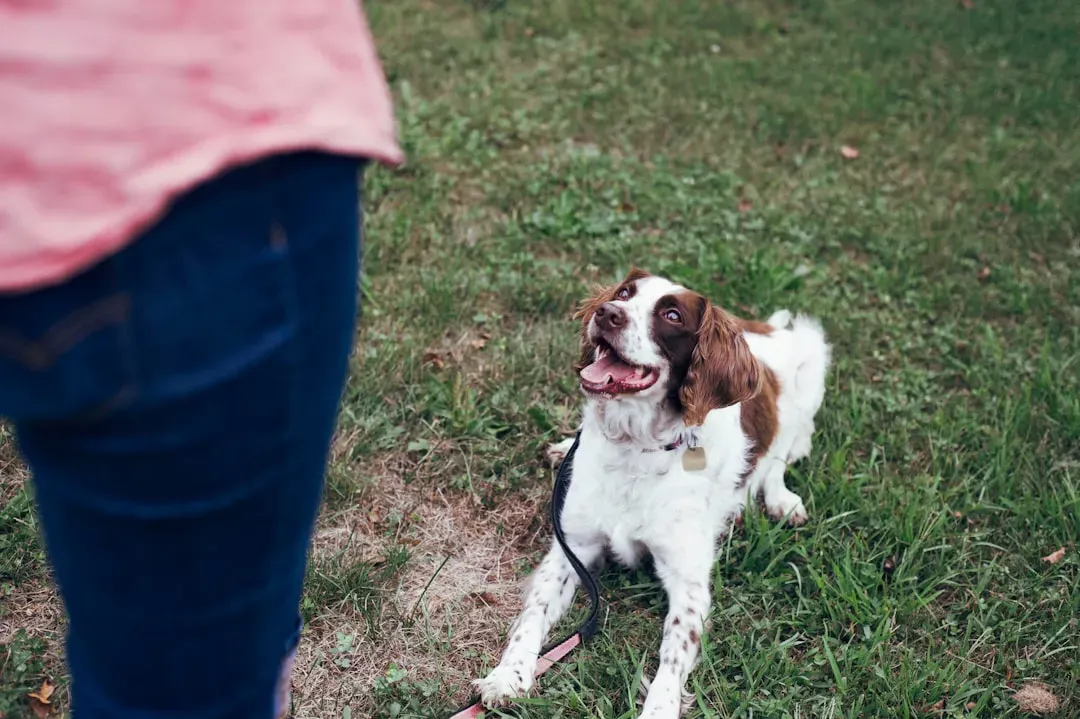
Understanding the context of your dog’s behavior requires careful observation of their body language. Relaxed posture, wagging tails, and soft eyes typically indicate contentment and affection.
Conversely, signs like stiff posture, pinned ears, or growling may suggest discomfort or anxiety. Paying attention to these cues can help you interpret your dog’s needs and emotions accurately.
Encouraging Healthy Social Interactions
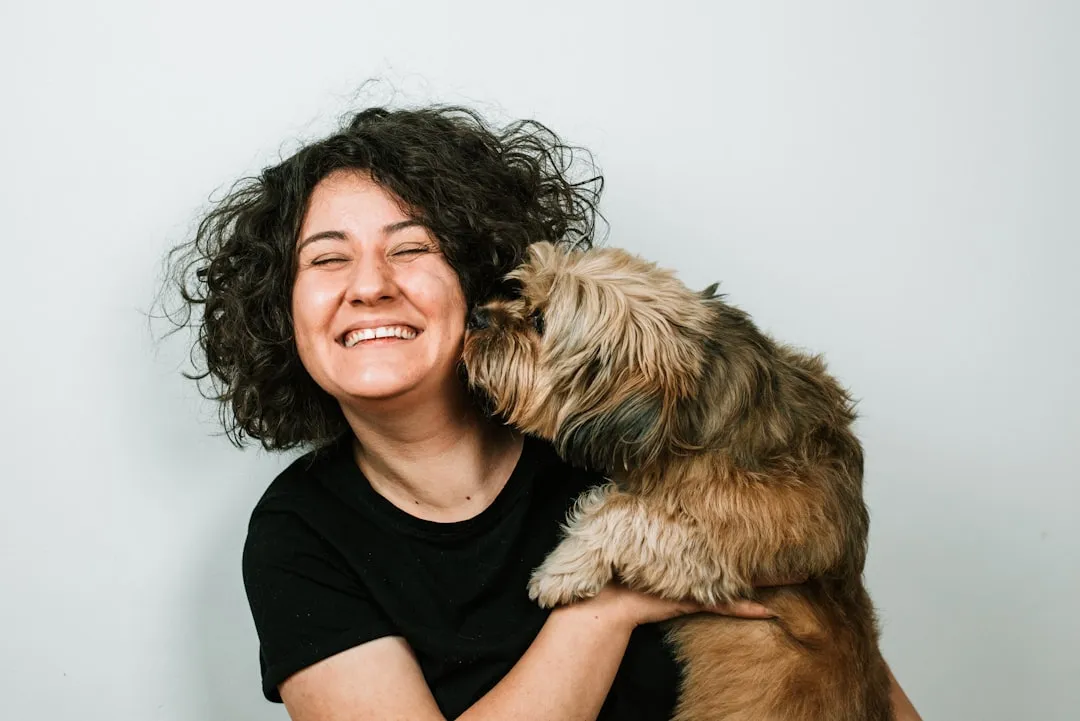
While it’s heartwarming to have your dog seek closeness, it’s essential to ensure this behavior doesn’t stem from anxiety or lead to possessiveness. Encouraging independent behaviors and providing positive reinforcement for calm, confident actions can promote a balanced relationship.
Offering your dog their own comfortable space and rewarding them for using it can help them feel secure without needing constant physical contact.
In conclusion, when your dog chooses to sit between you and another family member, it’s often a multifaceted behavior rooted in their social instincts, desire for comfort, and learned experiences. By observing their body language and considering the context, you can better understand and respond to your dog’s needs, fostering a harmonious and loving relationship. So, next time your furry friend squeezes in between, consider what they’re trying to communicate – it’s their unique way of connecting with their human pack.


