Ever wondered why your furry friend insists on burrowing under the blankets, transforming your bed into a canine hideaway? This behavior, while endearing, is deeply rooted in instincts that many pet owners overlook. Let’s delve into the reasons behind this snug-seeking habit and what it reveals about your dog’s needs.
The Ancestral Denning Instinct
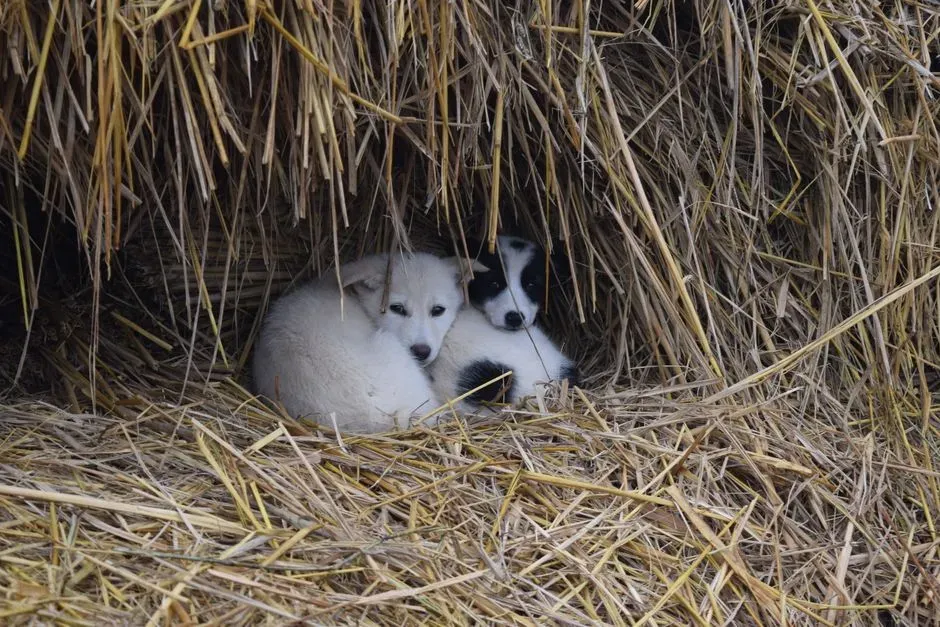
The Ancestral Denning Instinct (Image Credits: Pexels)Dogs are descendants of wild canines that sought shelter in dens to protect themselves from predators and harsh weather. This instinctual behavior has been passed down through generations, leading domestic dogs to seek out enclosed, secure spaces. Burrowing under blankets mimics the safety and comfort of a den, providing a sense of security that is hardwired into their DNA.In the wild, dens served as a safe haven for raising young and resting without the threat of external dangers. By creating a similar environment under your blankets, your dog is satisfying an age-old need for a protected resting place.
Seeking Warmth and Comfort
Seeking Warmth and Comfort (Image Credits: Unsplash)Just like humans, dogs have a preference for cozy, warm environments, especially during colder months. Burrowing under blankets offers an additional layer of insulation, helping them maintain body heat and stay comfortable. This behavior is particularly common in short-haired breeds that lack the natural insulation provided by a thick coat.The softness and warmth of blankets also provide a soothing tactile experience, making them an ideal spot for relaxation and sleep. It’s their way of creating a snug retreat within your home.
Breeds with a Burrowing Heritage
Breeds with a Burrowing Heritage (lashmitj, Flickr, CC BY 2.0)Certain breeds are more predisposed to burrowing due to their historical roles. For instance, Dachshunds were bred to hunt burrowing animals like badgers, making them natural diggers and burrowers. Similarly, Terriers have a history of chasing vermin into underground dens, reinforcing this instinctual behavior.Understanding your dog’s breed-specific tendencies can provide insight into their burrowing habits. It’s not just a quirky behavior but a reflection of their genetic heritage.
Comfort in Familiar Scents
Comfort in Familiar Scents (Image Credits: Pexels)Dogs have an incredibly keen sense of smell and are comforted by familiar scents. Burrowing under your blankets allows them to be surrounded by your scent, which can be reassuring and calming. This closeness helps strengthen the bond between you and your pet, providing them with a sense of companionship even when you’re not physically present.The combination of your scent and the enclosed space creates an environment where your dog feels safe and loved, reducing anxiety and promoting relaxation.
Managing Anxiety and Stress
Managing Anxiety and Stress (Image Credits: Unsplash)For some dogs, burrowing under blankets is a coping mechanism to deal with anxiety or stress. The enclosed space can act as a safe haven during thunderstorms, fireworks, or when they’re feeling overwhelmed. It’s akin to how some humans find comfort in wrapping themselves in a blanket during stressful times.If you notice your dog burrowing more frequently during specific situations, it might be their way of seeking solace. Providing them with a designated safe space can help alleviate their anxiety.
Ensuring Safety While Burrowing
Ensuring Safety While Burrowing (Image Credits: Pixabay)While burrowing is generally safe, it’s essential to ensure your dog’s safety. Use lightweight, breathable blankets to prevent overheating and ensure they can easily exit if they become uncomfortable. Avoid heavy or weighted blankets that might restrict their movement or breathing.Regularly check the blankets for signs of wear and tear to prevent your dog from ingesting any loose threads or materials. Creating a safe burrowing environment allows your dog to indulge in this instinctual behavior without risk.
When to Be Concerned
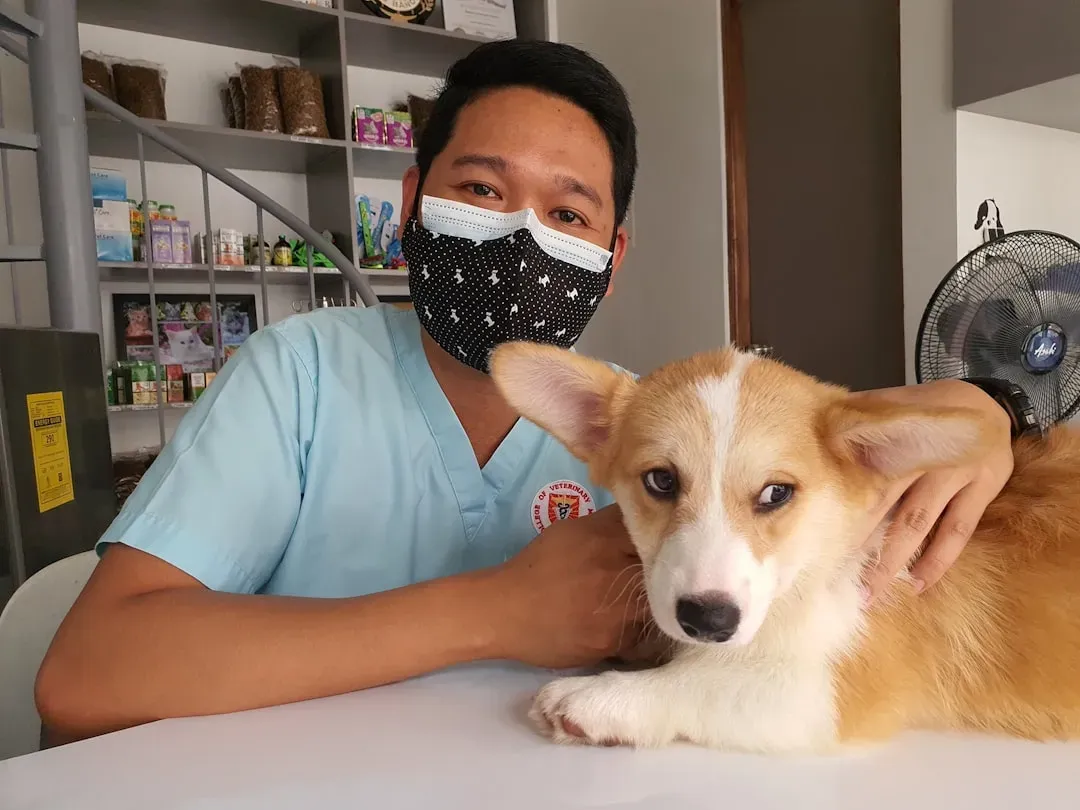
When to Be Concerned (Image Credits: Unsplash)If your dog’s burrowing behavior becomes obsessive or is accompanied by signs of distress, it may indicate underlying issues such as anxiety disorders or health problems. In such cases, consulting with a veterinarian or a professional dog behaviorist is advisable to address any potential concerns.Monitoring your dog’s behavior and noting any changes can help in identifying issues early and ensuring their well-being.
Conclusion
Conclusion (UnknownNet Photography, Flickr, CC BY-SA 2.0)Your dog’s tendency to burrow under the blankets is more than just a cute quirk; it’s a manifestation of deep-seated instincts and needs. By understanding and accommodating this behavior, you can provide a comforting environment that caters to their natural inclinations. So, the next time your pup dives under the covers, remember they’re not just seeking warmth – they’re fulfilling an instinctual need for security and comfort. Isn’t it fascinating how our canine companions carry echoes of their wild ancestors into our modern homes?